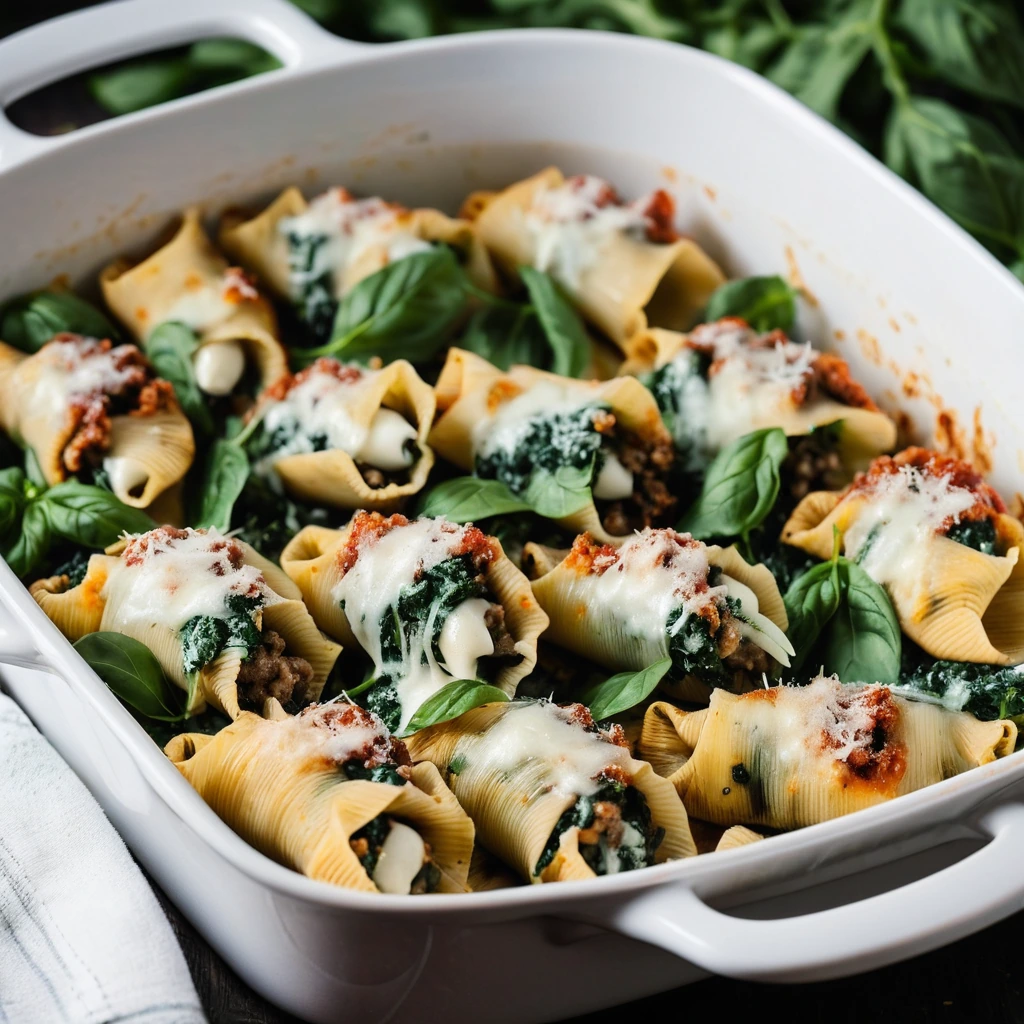
Pan Work: Deglazing with Wine vs Stock vs Water
Deglazing is a fundamental kitchen technique that transforms the flavorful browned bits left in your pan into a delectable sauce. Whether you're using wine, stock, or water, each liquid brings its own unique characteristics to the dish. Wine adds acidity and complexity, stock contributes richness and depth, while water is a neutral choice that allows the natural flavors of your food to shine. Understanding when to use each liquid can elevate your cooking from good to gourmet. This technique not only enhances flavor but also ensures that no precious taste goes to waste. The key is to choose the right liquid for your dish and to follow the steps carefully to unlock the full potential of your pan's fond, or the caramelized bits stuck to the bottom. Let's explore how each option works, when to use it, and the science behind why deglazing is so effective.
Notes
The science behind deglazing lies in the Maillard reaction, which creates those flavorful browned bits. Wine's acidity helps to lift these bits more effectively than water, while stock adds collagen and gelatin, enriching the sauce. Using water is a simple, healthy option, but it lacks the depth of flavor that wine and stock provide. Common mistakes include using a cold pan, which can cause food to stick and burn, or reducing the liquid too quickly, leading to a burnt sauce. Always ensure proper ventilation when cooking with alcohol to dissipate fumes safely. For make-ahead meals, deglaze your pan and let the sauce cool before refrigerating it in an airtight container for up to three days.
Steps
- 1 Remove your cooked food from the hot pan and set it aside.
- 2 Place the pan back on the stove over medium heat.
- 3 Add 1/2 cup of your chosen liquid (wine, stock, or water) to the pan.
- 4 Use a wooden spoon to scrape up the browned bits from the bottom of the pan.
- 5 Bring the liquid to a simmer, stirring occasionally to ensure all bits are loosened.
- 6 Allow the liquid to reduce by about half, intensifying the flavors.
- 7 Taste the deglazed liquid and adjust seasoning with salt and pepper if necessary.
- 8 Pour the deglazed liquid over your cooked food or use it as a base for a sauce.
- 9 If using wine, let it cook for an additional minute to burn off excess alcohol.
- 10 For stock, consider adding aromatics like herbs or garlic for extra depth.
- 11 When using water, consider adding a splash of lemon juice or vinegar for brightness.
- 12 Ensure the pan is hot before adding the liquid to prevent sticking.
- 13 Monitor the reduction closely to avoid burning the sauce.
- 14 Remove from heat once the desired consistency is achieved.
Ingredients to explore
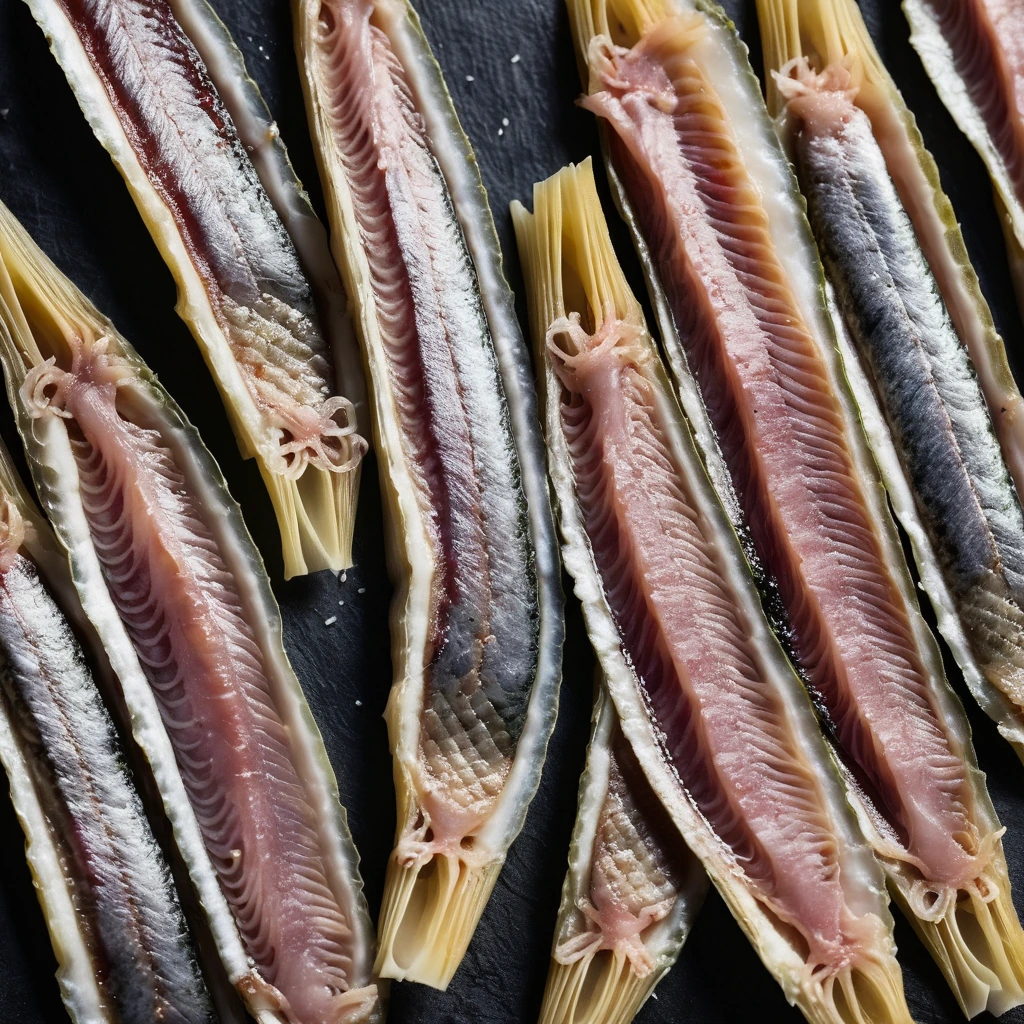
Anchovy Fillets
Silvery and succulent, anchovy fillets are a briny treasure from the sea. Their rich, umami flavor adds depth to dishes, making them a beloved ingredient in kitchens worldwide.
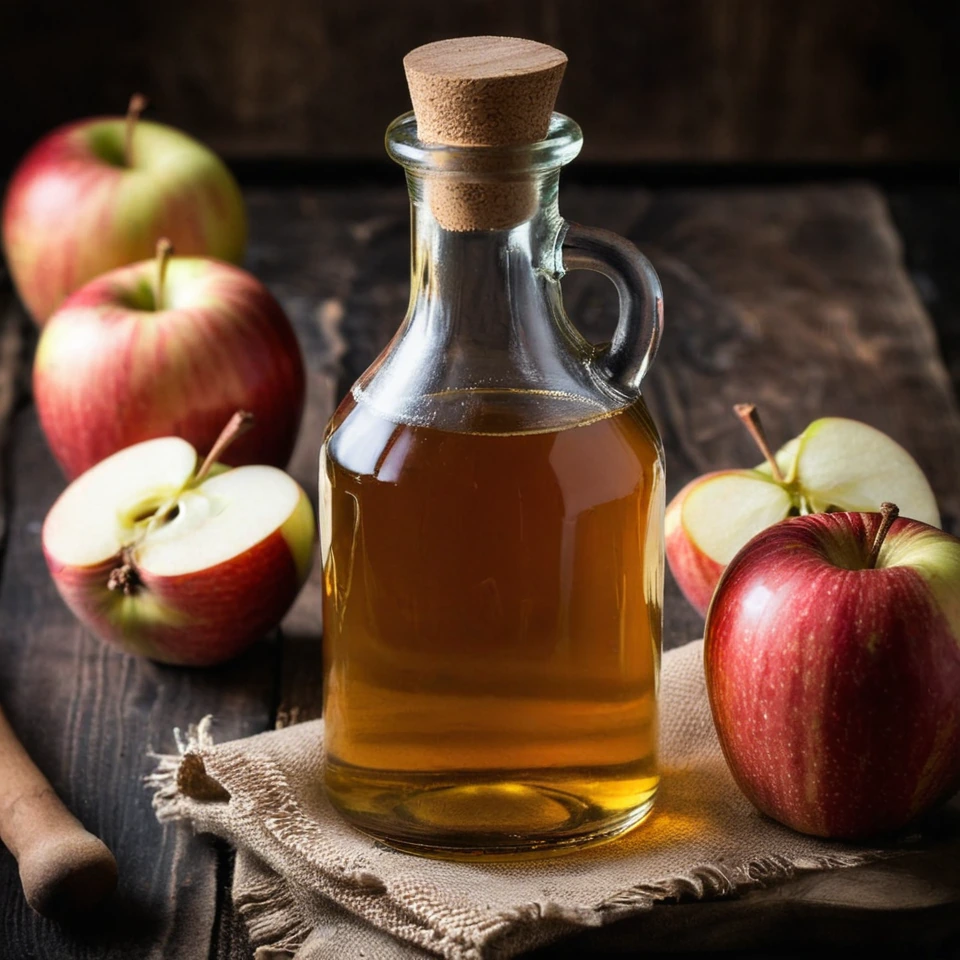
Apple Cider Vinegar
Apple cider vinegar is a type of vinegar made through the fermentation of apple cider, resulting in a tangy, slightly sweet liquid with a pale to medium amber color.