Pan-Frying vs Shallow-Frying: Techniques Explained
Discover the differences between pan-frying and shallow-frying, two essential cooking techniques that bring out the best in your ingredients.
Notes
Pan-frying is ideal for thinner cuts of meat or vegetables, while shallow-frying is better for items like chicken breasts or fish fillets.
Steps
- 1 Heat a thin layer of oil in a skillet for pan-frying, just enough to coat the bottom.
- 2 For shallow-frying, use more oil, reaching halfway up the sides of the food.
- 3 Pat your food dry before cooking to ensure a crisp exterior.
- 4 Place the food in the pan and let it cook undisturbed until golden on one side.
- 5 Flip the food carefully using a spatula to cook the other side evenly.
- 6 Monitor the heat to maintain a steady sizzle, adjusting as needed.
- 7 Remove the food when it reaches the desired level of doneness and color.
- 8 Drain on a paper towel-lined plate to remove excess oil.
Ingredients to explore
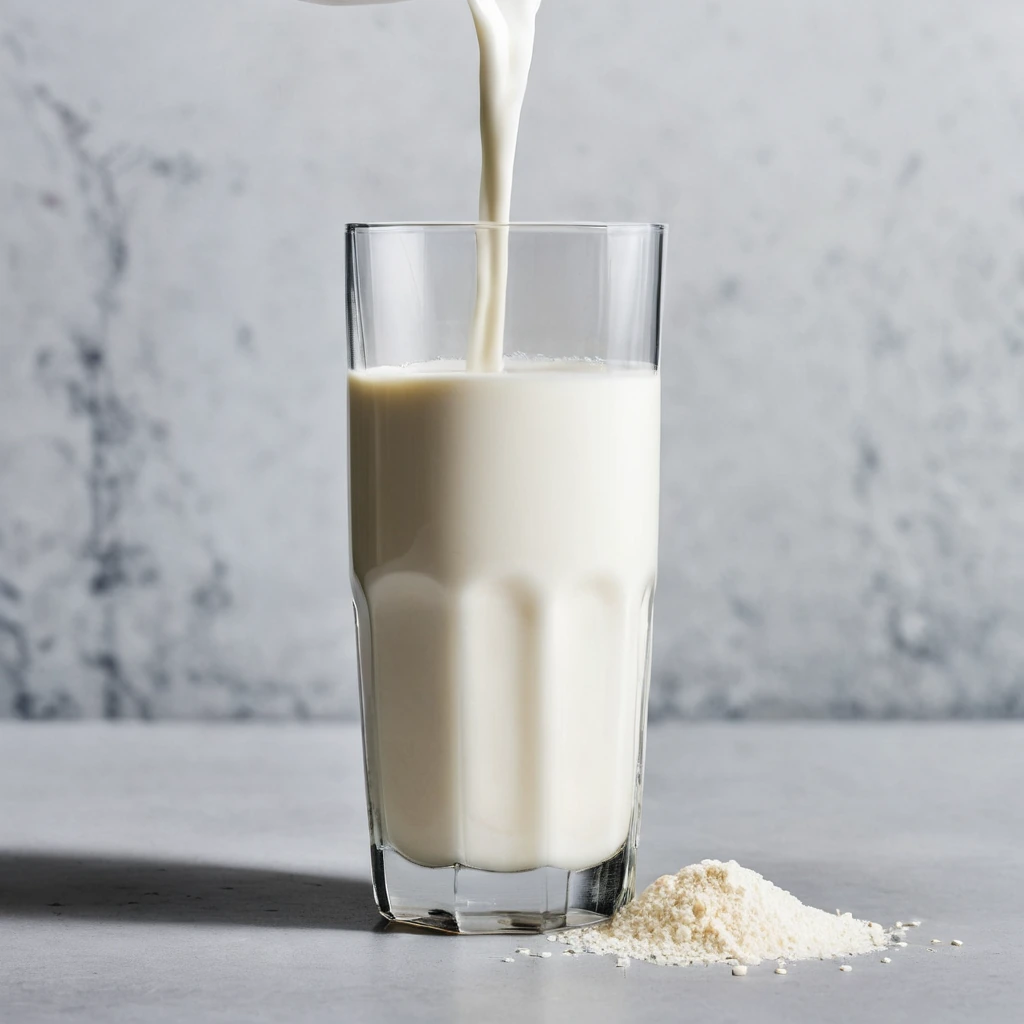
2% Milk
Creamy and just a touch lighter than whole milk, 2% milk offers a perfect balance of richness and reduced fat. Its smooth texture and subtle sweetness make it a delightful choice for sipping or cooking.
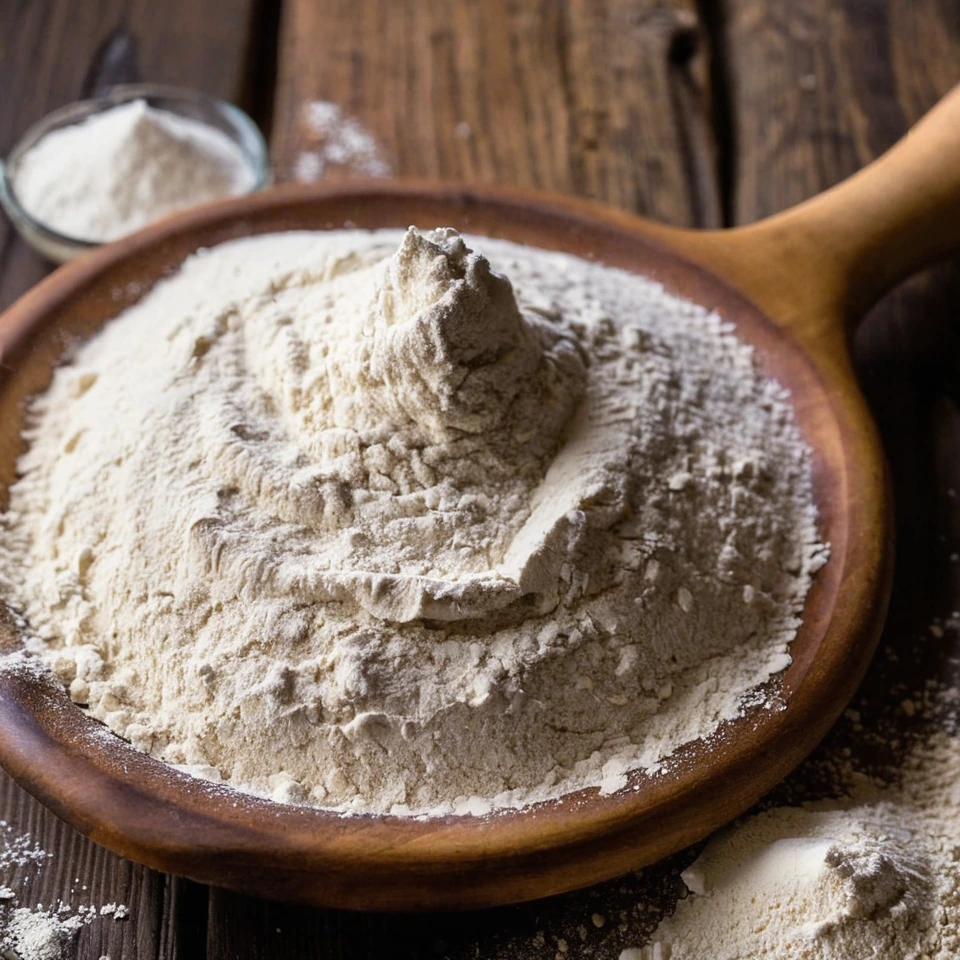
All-Purpose Flour
All-purpose flour is a versatile wheat flour that contains a moderate level of protein and gluten, making it suitable for a wide range of baking and cooking needs.
Recipes to try
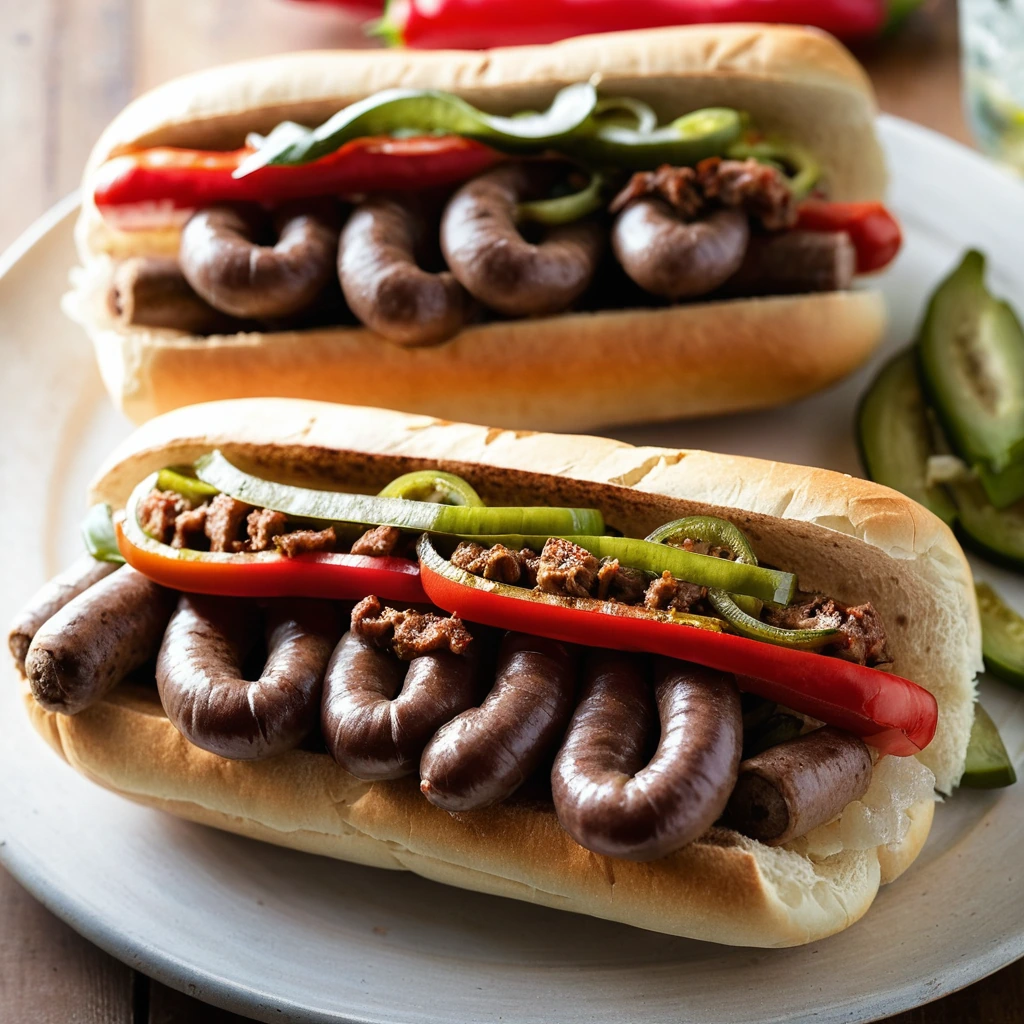
Sausage, Pepper, and Onion Hoagies
Juicy Italian sausages nestled in soft hoagie rolls with a sweet and smoky medley of peppers and onions.
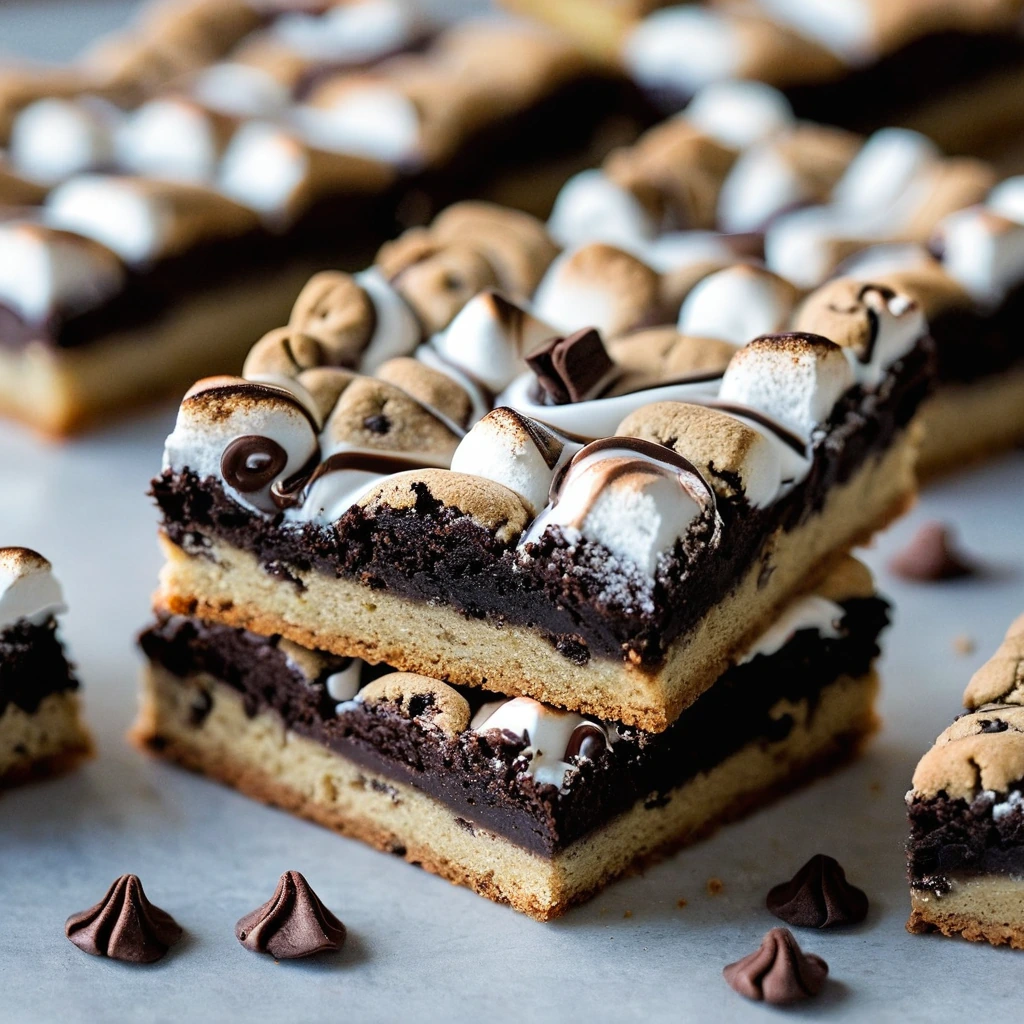
S’mores Cookie Bars with Marshmallow Swirl
Chocolatey, gooey, and utterly irresistible – these S’mores Cookie Bars are a campfire classic reimagined into a decadent dessert.