Moist Heat: Simmering Beans Without Bursting
Simmering beans is an art that transforms humble legumes into tender, flavorful morsels without turning them into a mushy mess. The key is managing moist heat carefully to coax out their natural sweetness and creamy texture while keeping their skins intact. Beans are packed with protein and fiber, making them a staple in many kitchens. However, their reputation for unpredictability in cooking can be daunting. Fear not! With the right technique, you can achieve perfectly simmered beans every time. Start by understanding that beans are living organisms that absorb water and expand. The challenge is to soften them gently without overcooking. Begin with high-quality, dry beans for the best flavor. Sorting and rinsing are essential first steps to remove debris and dirt. Soaking is a debated topic; some swear by it, others skip it. While soaking can shorten cooking time, it isn't strictly necessary. The crucial part is maintaining a gentle simmer, not a rolling boil, to prevent bursting. Aromatics like garlic, onions, and herbs can infuse your beans with flavor, but add them at the right time to avoid bitterness. Salt is another factor to consider; while it enhances flavor, adding it too early can toughen the skins. Patience is key, as beans need time to soften. Checking doneness regularly ensures you catch them at their peak texture. Finally, letting the beans rest off the heat allows them to absorb any remaining liquid and even out in texture. With these insights, you'll be simmering beans like a pro, ensuring they're plump and perfect, never bursting.
Notes
The science behind simmering beans lies in their cell structure. Gentle heat allows the cell walls to soften without breaking down entirely, which keeps the beans intact. Avoid the temptation to crank up the heat if the beans aren't tenderizing quickly; high temperatures can cause the skins to split. A common mistake is adding acidic ingredients like tomatoes early in the cooking process, which can hinder softening. It's safer to add these towards the end. For storage, allow beans to cool before refrigerating them in an airtight container for up to 5 days. To freeze, leave out the salt until reheating, as salt can cause them to become mealy when frozen. Always ensure your beans are fully submerged in water to cook evenly and prevent scorching.
Steps
- 1 Sort through 1 pound of dry beans, discarding any debris or damaged beans.
- 2 Rinse the beans thoroughly under cold water.
- 3 Optionally, soak the beans in water for 8 hours or overnight, then drain.
- 4 Place the beans in a large pot and cover with 2 inches of fresh water.
- 5 Add aromatics like garlic, onions, or herbs if desired.
- 6 Bring the water to a gentle boil over medium-high heat.
- 7 Reduce the heat to maintain a gentle simmer (around 185°F to 205°F).
- 8 Skim off any foam that rises to the surface during the first 10 minutes.
- 9 Simmer uncovered for 1 to 2 hours, checking occasionally.
- 10 After 1 hour, add salt to taste, adjusting for desired flavor.
- 11 Test a bean for doneness; it should be tender but not mushy.
- 12 If necessary, add more water during cooking to keep beans submerged.
- 13 Once beans are tender, remove from heat and let them rest for 15 minutes.
- 14 Drain any excess liquid and serve or store the beans.
Ingredients to explore
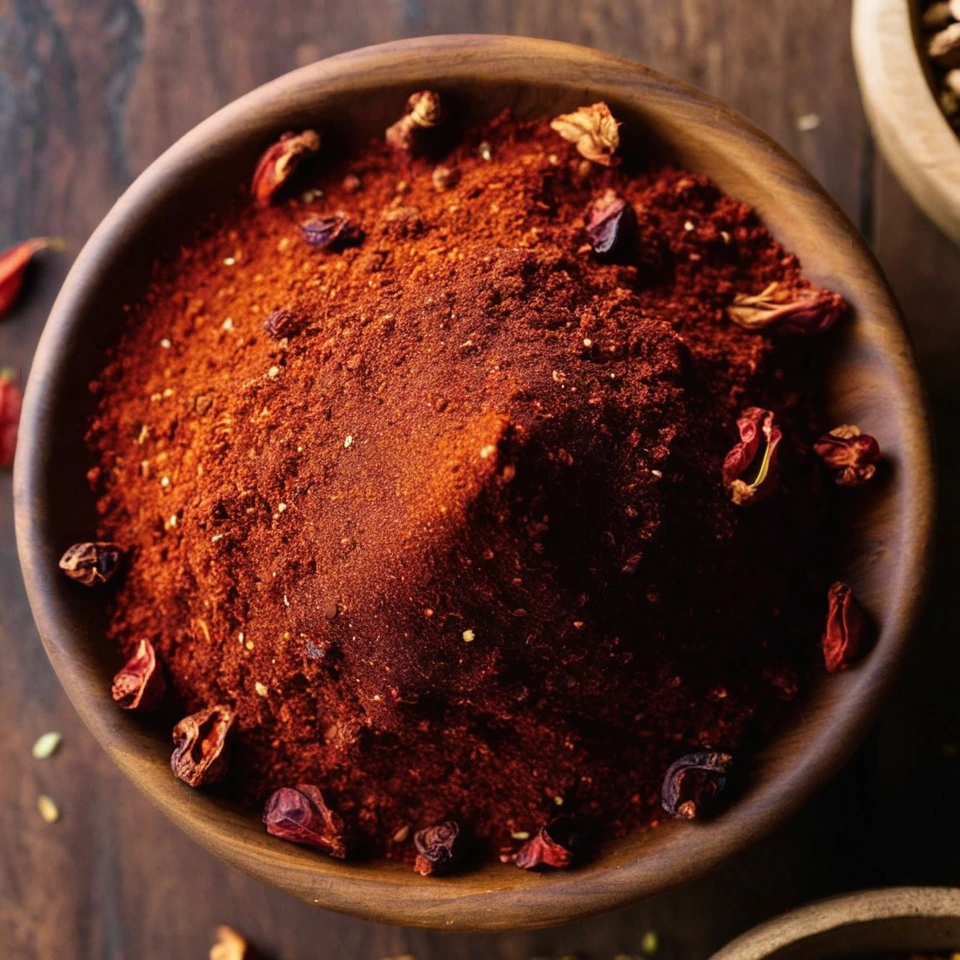
Aleppo Pepper
Aleppo pepper offers a harmonious balance of heat and sweetness, with a subtle fruity aroma reminiscent of sun-dried tomatoes and currants. Originating from the region around Aleppo, Syria, it has a fine, slightly coarse texture that shatters easily between fingers. Its mild yet complex flavor profile makes it a prized seasoning for enhancing dishes without overwhelming them. Valued for its versatility, it bridges the gap between spice and seasoning, bringing a touch of warmth and depth to a variety of cuisines.
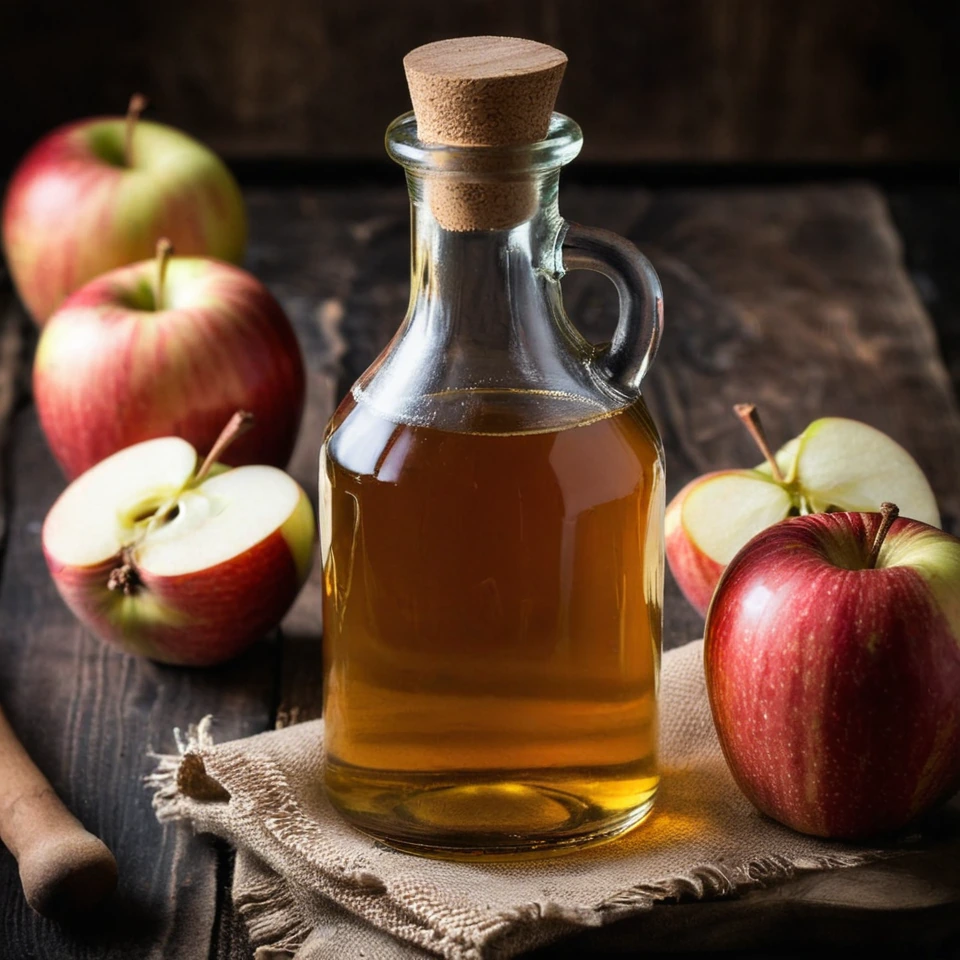
Apple Cider Vinegar
Apple cider vinegar is a type of vinegar made through the fermentation of apple cider, resulting in a tangy, slightly sweet liquid with a pale to medium amber color.
Recipes to try

Pumpkin and Sweet Potato Bisque
Creamy and comforting, this bisque marries the earthy sweetness of pumpkin with the subtle nuttiness of sweet potato.
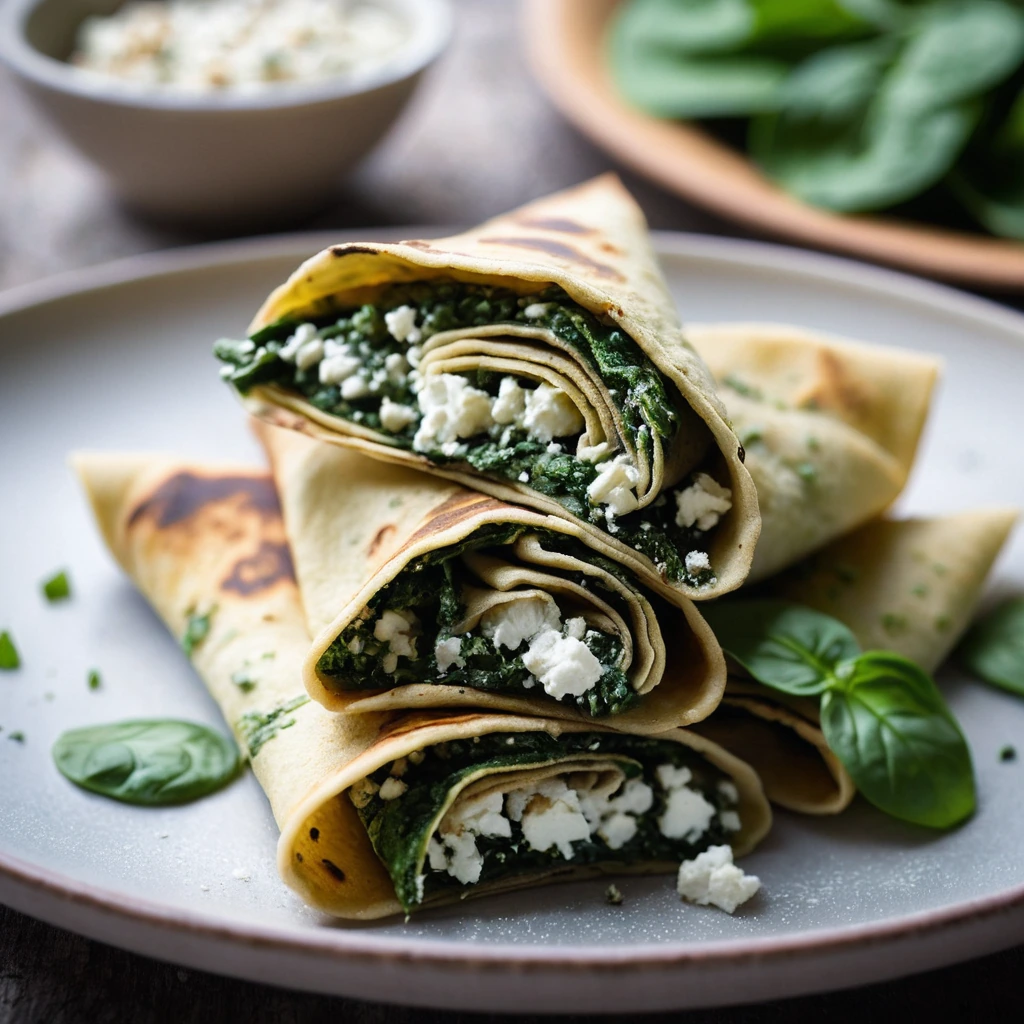
Spinach, Mushroom, and Feta Stuffed Crepes
Golden crepes envelop a savory blend of earthy mushrooms, tender spinach, and tangy feta for a satisfying vegetarian treat.