Moist Heat: Gentle Simmering for Clear Soups
Achieving a clear, flavorful soup requires mastering the art of gentle simmering. This technique uses moist heat to extract flavors and nutrients from ingredients while maintaining a crystal-clear broth. The key lies in controlling the temperature to avoid cloudiness caused by protein coagulation and fat emulsification. Start by selecting high-quality ingredients, as impurities can cloud your soup. Gentle simmering ensures that delicate flavors are preserved and intensified without breaking down proteins into particles that could cloud the broth. This method is ideal for consommés, clear chicken soups, and delicate fish broths. Patience is essential, as rushing the process can lead to undesirable textures and appearances. By carefully skimming impurities and maintaining a consistent, low temperature, you'll craft soups that are both visually stunning and deeply flavorful. Understanding the science behind gentle simmering allows home cooks to replicate restaurant-quality results at home. The technique also highlights the importance of timing, ingredient selection, and temperature control in achieving culinary excellence.
Notes
Gentle simmering works because it keeps proteins from coagulating and fats from emulsifying, which can cloud your soup. A common mistake is letting the soup boil vigorously, which agitates impurities and can lead to a murky broth. To troubleshoot cloudiness, ensure you skim diligently and maintain a consistent, low temperature. For safety, avoid cross-contamination by using clean utensils and containers. For make-ahead and storage, allow the soup to cool quickly by placing the pot in an ice bath, then refrigerate for up to 3 days or freeze for longer storage. When reheating, do so gently to preserve clarity.
Steps
- 1 Select fresh, high-quality ingredients to ensure clarity and flavor.
- 2 Rinse bones and meat under cold water to remove surface impurities.
- 3 Place ingredients in a large stockpot and cover with cold water.
- 4 Bring the water to a gentle simmer over medium-low heat, about 180°F.
- 5 Skim off any foam or impurities that rise to the surface with a slotted spoon.
- 6 Add aromatic vegetables, herbs, and seasonings to enhance the flavor.
- 7 Maintain a gentle simmer, adjusting heat as necessary to avoid boiling.
- 8 Simmer uncovered for 2 to 4 hours, skimming occasionally.
- 9 Turn off the heat and let the soup rest for 15 minutes.
- 10 Strain the soup through a fine-mesh sieve into a clean pot.
- 11 Skim off any excess fat from the surface of the strained broth.
- 12 Taste and adjust seasoning if necessary.
- 13 Serve immediately or cool rapidly for storage.
Ingredients to explore
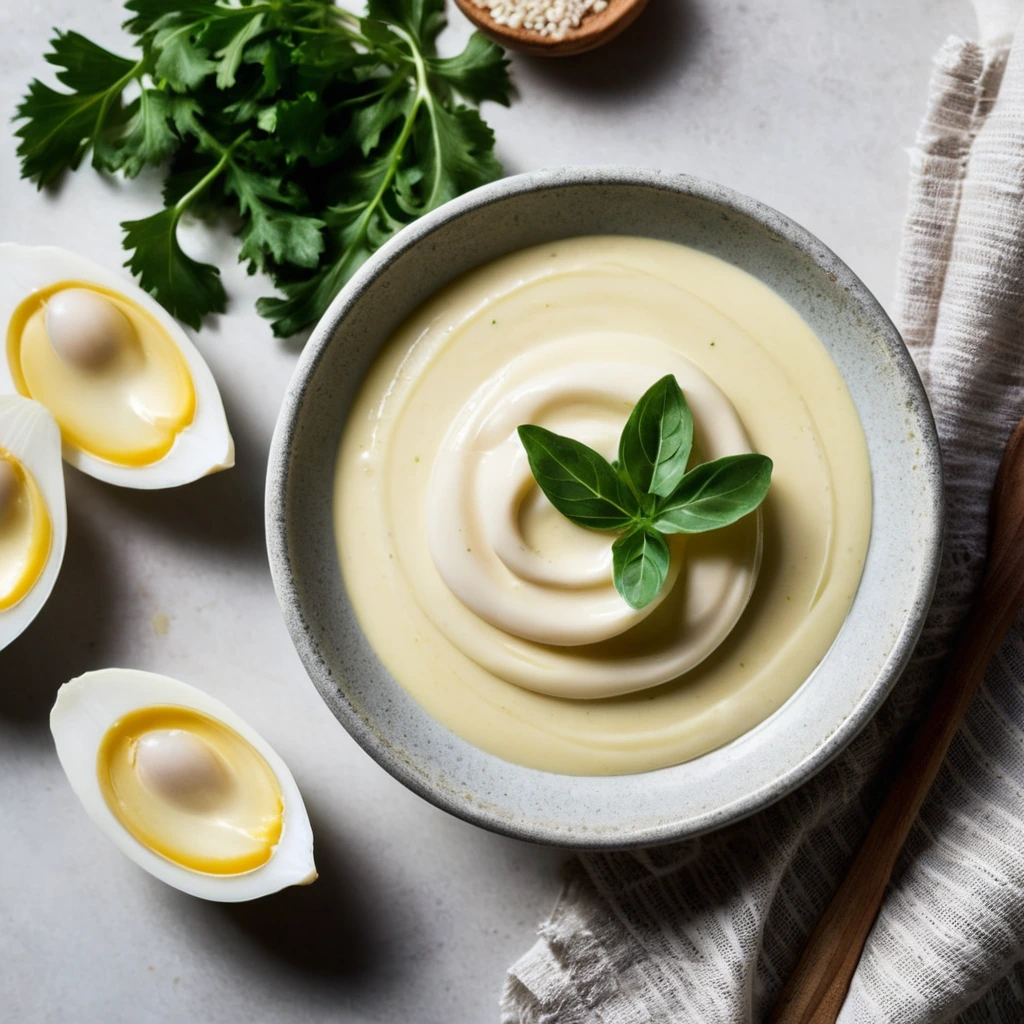
Aioli
A luscious, velvety emulsion of garlic and olive oil, aioli is a rich and aromatic sauce that dances on the palate with its creamy texture and bold, pungent flavor.
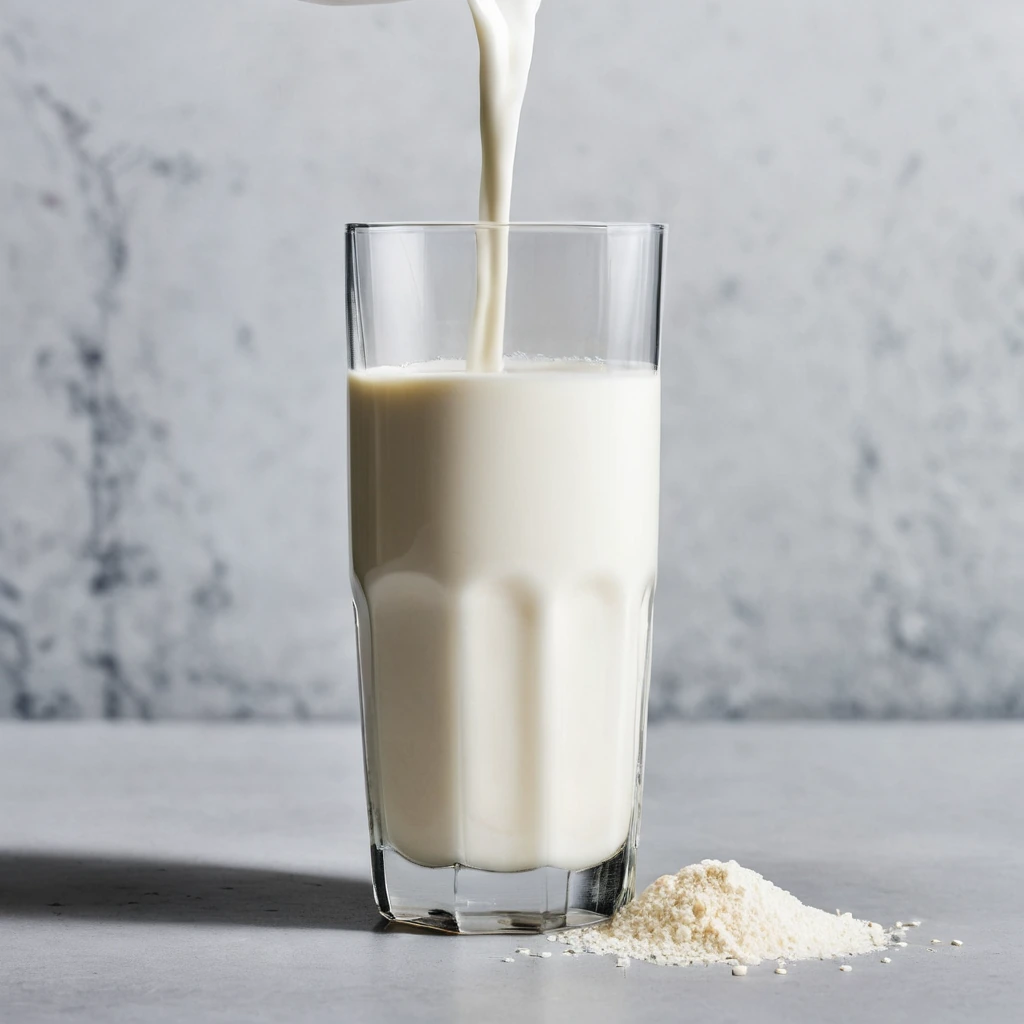
2% Milk
Creamy and just a touch lighter than whole milk, 2% milk offers a perfect balance of richness and reduced fat. Its smooth texture and subtle sweetness make it a delightful choice for sipping or cooking.
Recipes to try
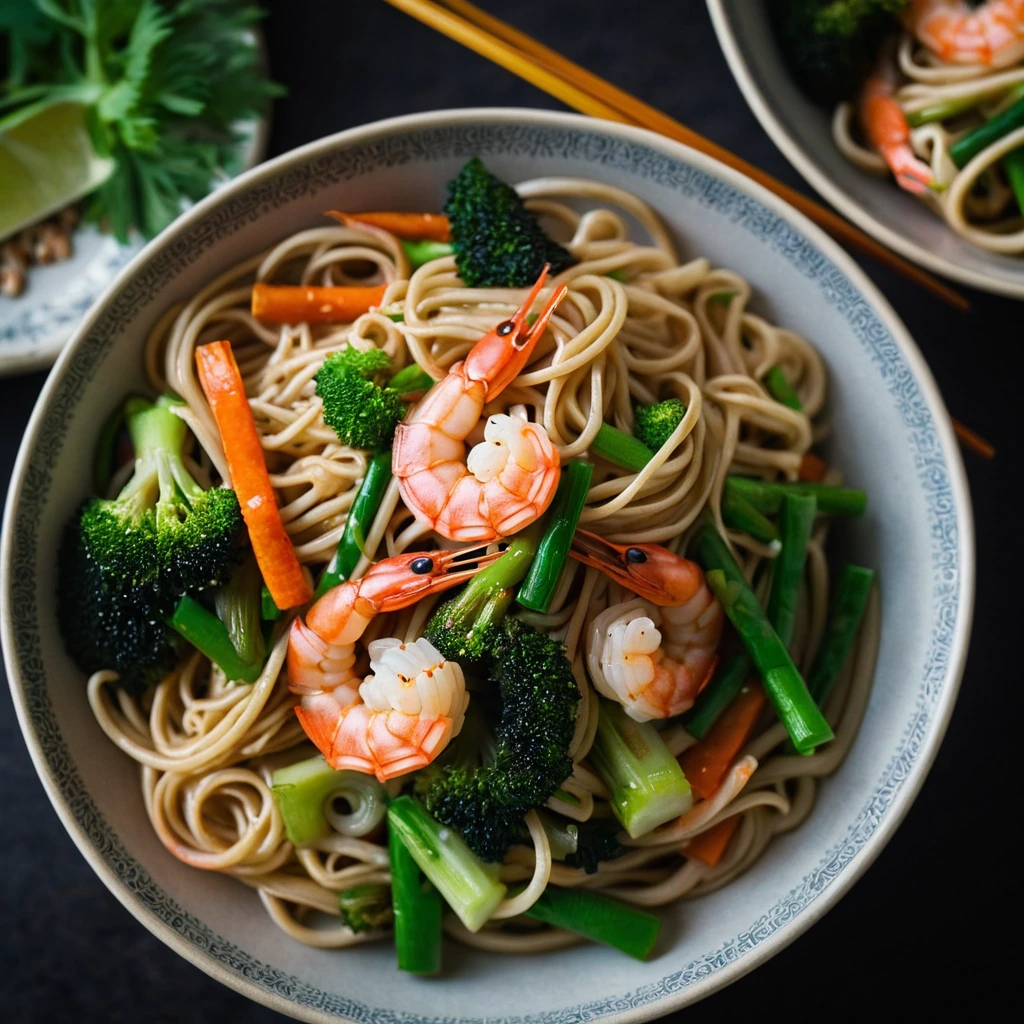
Shrimp and Veggie Lo Mein
Silky noodles twirled with succulent shrimp and a colorful medley of veggies in a savory sauce that'll have you slurping for more.

S’mores Cookie Bars with Marshmallow Swirl
Chocolatey, gooey, and utterly irresistible – these S’mores Cookie Bars are a campfire classic reimagined into a decadent dessert.