Moist Heat: Braising Vegetables Until Meltingly Tender
Braising vegetables is a transformative cooking technique that turns humble produce into meltingly tender morsels of flavor. This method combines the best of both worlds: the initial sear of sautéing and the gentle, moist heat of simmering. It's perfect for hearty vegetables like root vegetables, cabbage, and Brussels sprouts, which benefit from long, slow cooking. The process begins with a quick sear to caramelize the natural sugars, creating a rich, deep flavor. Then, the vegetables are immersed in a flavorful liquid—think broth, wine, or even just water—and cooked covered at a gentle simmer. This allows the vegetables to cook evenly, retaining their nutrients and intensifying their natural sweetness. The result is a dish that's both comforting and sophisticated, with vegetables that are tender enough to practically melt in your mouth. Braising is also a fantastic way to layer flavors, as the cooking liquid can be infused with herbs, spices, and aromatics. This technique is forgiving and adaptable, making it ideal for home cooks who want to elevate their vegetable dishes without fuss or complexity. Whether you're preparing a side dish or a hearty vegetarian main, braising vegetables is a surefire way to impress.
Notes
The science behind braising lies in its ability to break down tough fibers in vegetables through moist heat. The initial sear triggers the Maillard reaction, enhancing flavor complexity. For troubleshooting, ensure your vegetables are cut uniformly to cook evenly, and avoid overcrowding the pot to achieve a proper sear. Safety-wise, always use oven mitts when handling hot pots and lids. Braised vegetables can be made ahead and stored in an airtight container in the refrigerator for up to 4 days. Reheat gently to preserve texture.
Steps
- 1 Prepare your vegetables by washing and cutting them into uniform pieces.
- 2 Heat 2 tablespoons of oil in a large, heavy-bottomed pot or Dutch oven over medium-high heat.
- 3 Add the vegetables in a single layer, ensuring not to overcrowd the pot.
- 4 Sear the vegetables until golden brown on all sides, about 3-4 minutes per batch.
- 5 Remove the vegetables and set aside.
- 6 Add aromatics like onions, garlic, or shallots to the pot and sauté until translucent, about 3 minutes.
- 7 Deglaze the pot with 1/2 cup of broth, wine, or water, scraping up any browned bits from the bottom.
- 8 Return the vegetables to the pot and add enough liquid to just cover them.
- 9 Season with salt, pepper, and any desired herbs or spices.
- 10 Bring the liquid to a gentle simmer, then reduce the heat to low.
- 11 Cover the pot with a tight-fitting lid.
- 12 Cook for 30-45 minutes, or until the vegetables are fork-tender.
- 13 Check periodically to ensure the vegetables remain submerged and add more liquid if necessary.
- 14 Adjust seasoning before serving.
Ingredients to explore
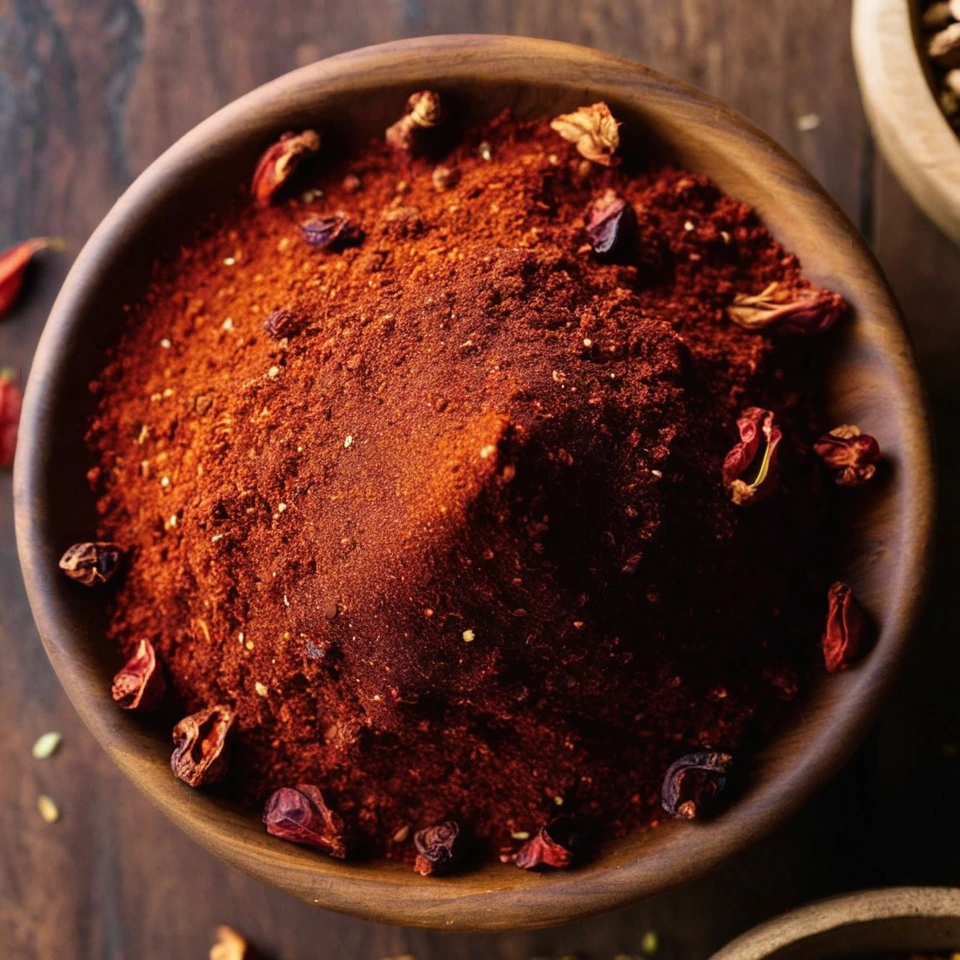
Aleppo Pepper
Aleppo pepper offers a harmonious balance of heat and sweetness, with a subtle fruity aroma reminiscent of sun-dried tomatoes and currants. Originating from the region around Aleppo, Syria, it has a fine, slightly coarse texture that shatters easily between fingers. Its mild yet complex flavor profile makes it a prized seasoning for enhancing dishes without overwhelming them. Valued for its versatility, it bridges the gap between spice and seasoning, bringing a touch of warmth and depth to a variety of cuisines.

American Cheese Slices
Those iconic, perfectly pliable slices of creamy, mild American cheese. Each slice boasts a smooth, melt-in-your-mouth texture that brings comfort to any dish.
Recipes to try
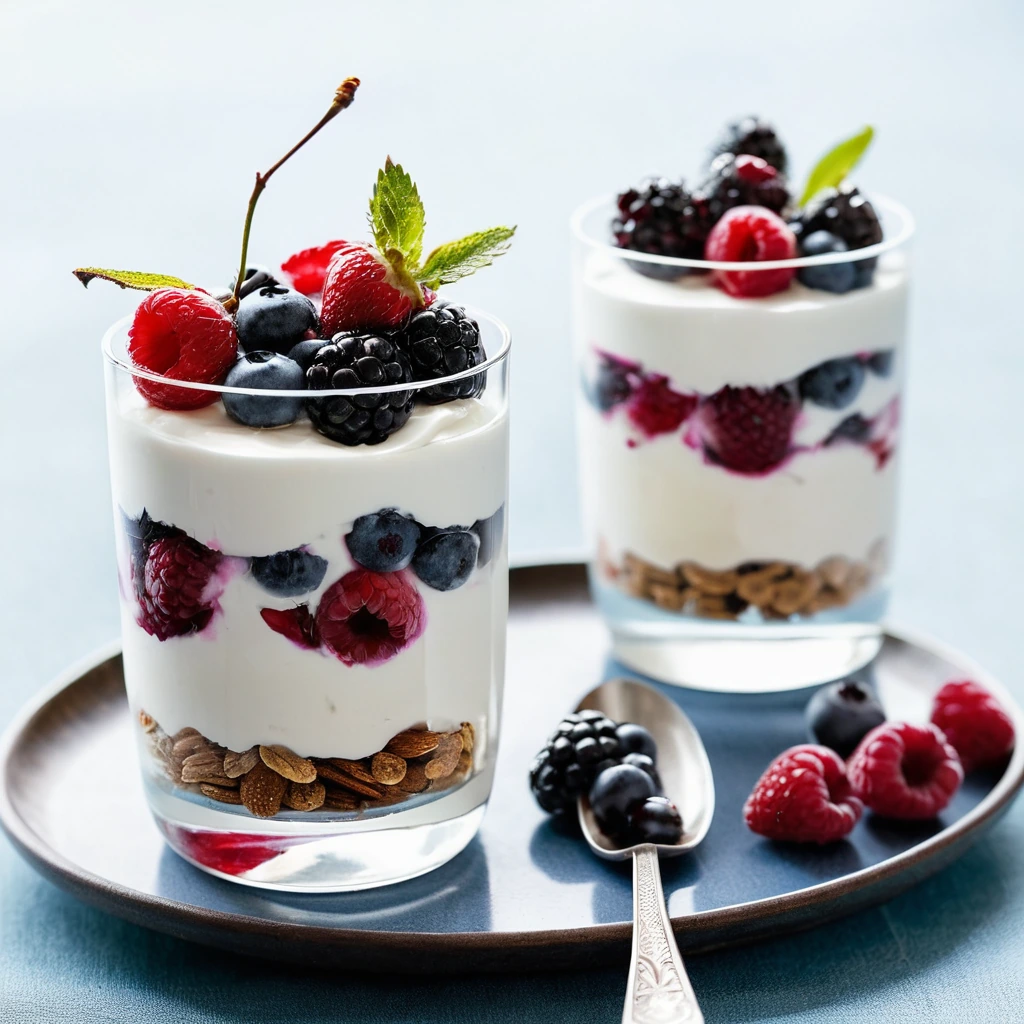
Vanilla Yogurt Parfaits with Roasted Berries
Creamy vanilla yogurt layers kissed by sweet, smoky roasted berries create a parfait that's both comforting and refreshing.
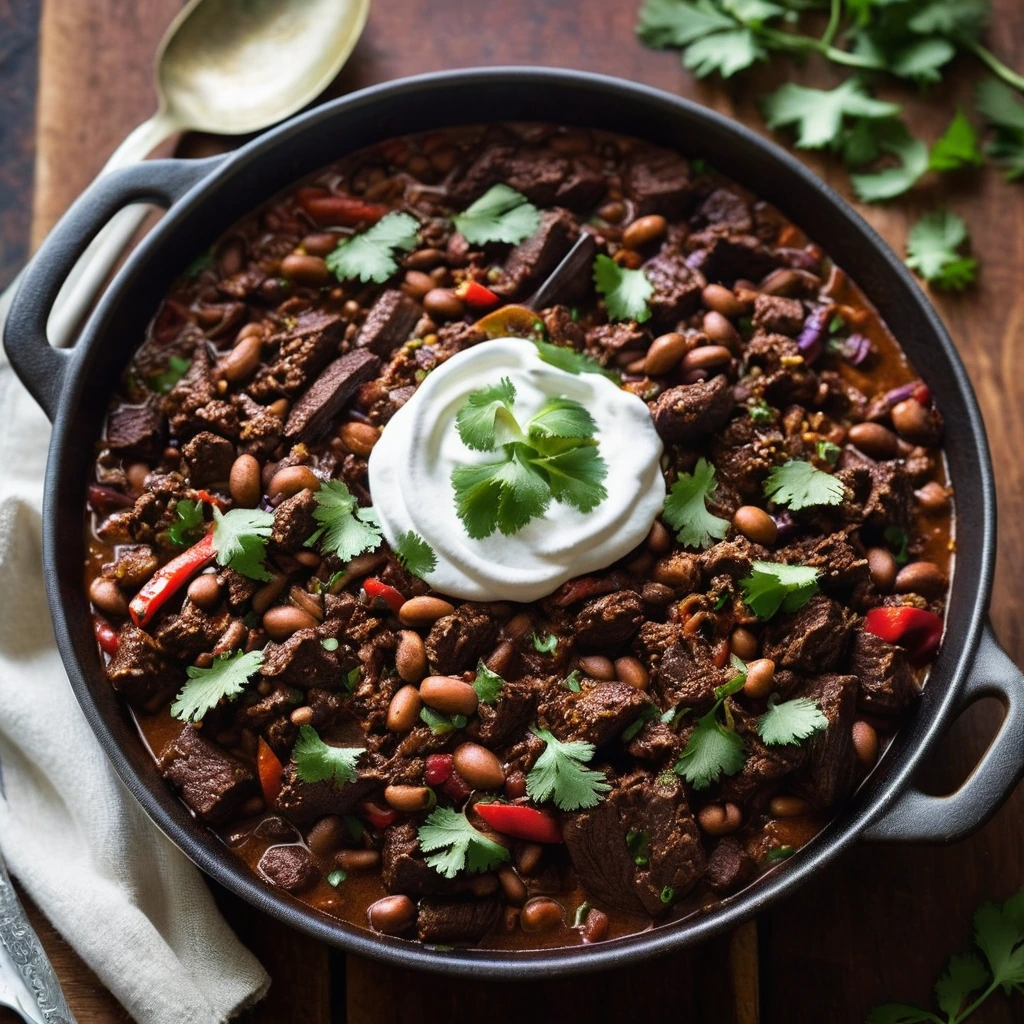
Smoky Ancho Chili Beef and Bean Skillet
Rich, smoky, and deeply satisfying, this skillet dish combines tender beef with hearty beans for a comforting meal.