Meat: Tenderizing with Baking Soda vs Acid
Tenderizing meat is an art that can elevate your home cooking to restaurant quality. Two popular methods for achieving this are using baking soda and acid. Baking soda, or sodium bicarbonate, is a base that works by altering the pH of the meat's surface, breaking down proteins and making it more tender. Acidic ingredients like lemon juice, vinegar, or buttermilk work differently, denaturing proteins to achieve a similar effect. Understanding when and how to use each method can transform your dishes. Baking soda is ideal for tougher cuts like brisket or pork shoulder, where you want to soften the fibers without adding flavor. Acidic marinades are great for more delicate proteins, like chicken or fish, where you also want to infuse additional flavor. However, timing is crucial; over-tenderizing can result in mushy meat. Let's dive into the specifics of both techniques to ensure your next meal is a tender triumph.
Notes
The science behind these methods is fascinating. Baking soda raises the pH of the meat, which weakens the protein bonds and makes the meat more tender. However, overuse can result in a soapy taste and overly soft texture. On the other hand, acids denature proteins, effectively 'cooking' the surface while tenderizing. The key is moderation; prolonged exposure to either can turn your meat into a mushy mess. Troubleshooting common mistakes includes ensuring proper timing and always patting the meat dry before cooking to avoid steaming instead of searing. For safety, always marinate in the refrigerator to prevent bacterial growth. As for make-ahead and storage, you can tenderize meat up to a day in advance, but store it properly covered in the fridge.
Steps
- 1 Choose the cut of meat suitable for tenderizing.
- 2 For baking soda method, mix 1 teaspoon of baking soda with 1/4 cup of water.
- 3 Apply the baking soda solution evenly over the meat.
- 4 Let the meat rest for 15 minutes to 1 hour, depending on thickness.
- 5 Rinse the meat thoroughly under cold water to remove any residual baking soda.
- 6 Pat the meat dry with paper towels before cooking.
- 7 For the acid method, prepare a marinade with acidic ingredients like lemon juice, vinegar, or buttermilk.
- 8 Submerge the meat in the marinade, ensuring full coverage.
- 9 Marinate in the refrigerator for 30 minutes to 2 hours, depending on the meat's thickness and type.
- 10 Remove the meat from the marinade and discard the used marinade.
- 11 Pat the meat dry before cooking to ensure a good sear.
- 12 Preheat your cooking surface to the appropriate temperature for your chosen cooking method.
- 13 Cook the meat to your desired doneness, using a meat thermometer for accuracy.
- 14 Rest the meat for 5-10 minutes before slicing to retain juices.
Ingredients to explore
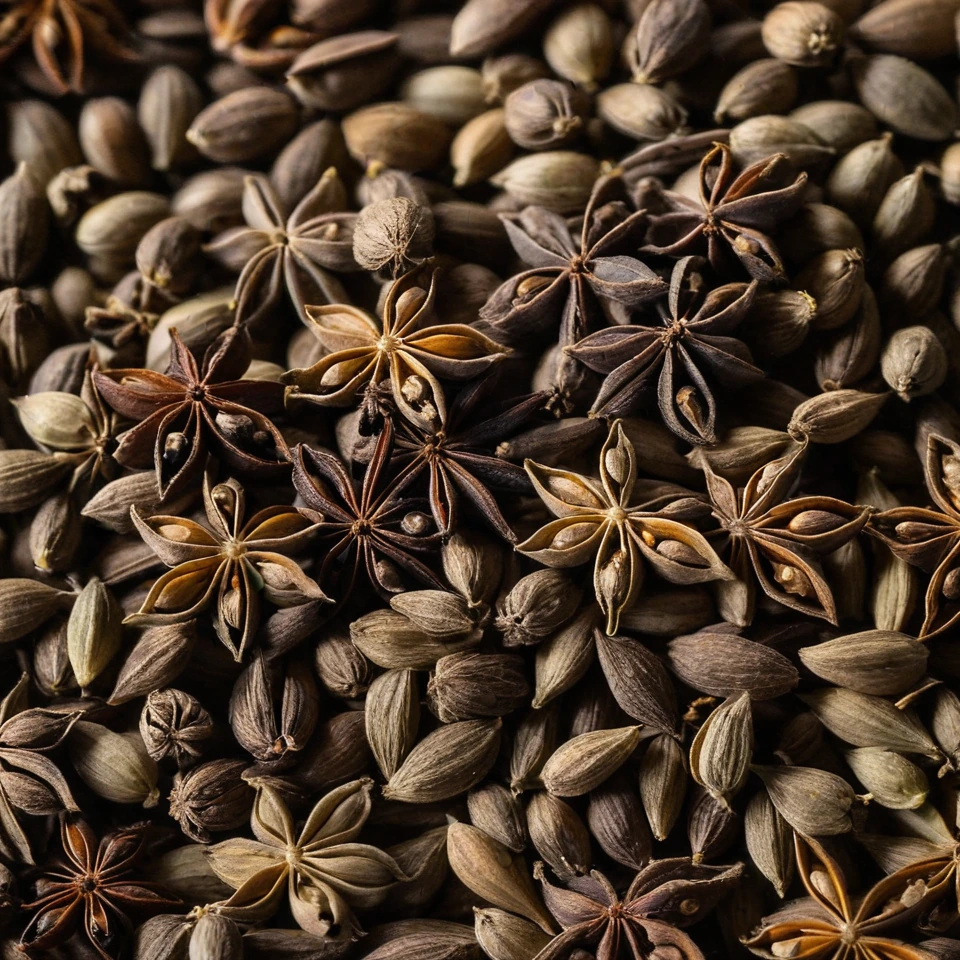
Anise Seeds
Anise seeds are small, oval seeds with a sweet, licorice-like flavor. They are commonly used in both sweet and savory dishes, offering a warm, aromatic taste.
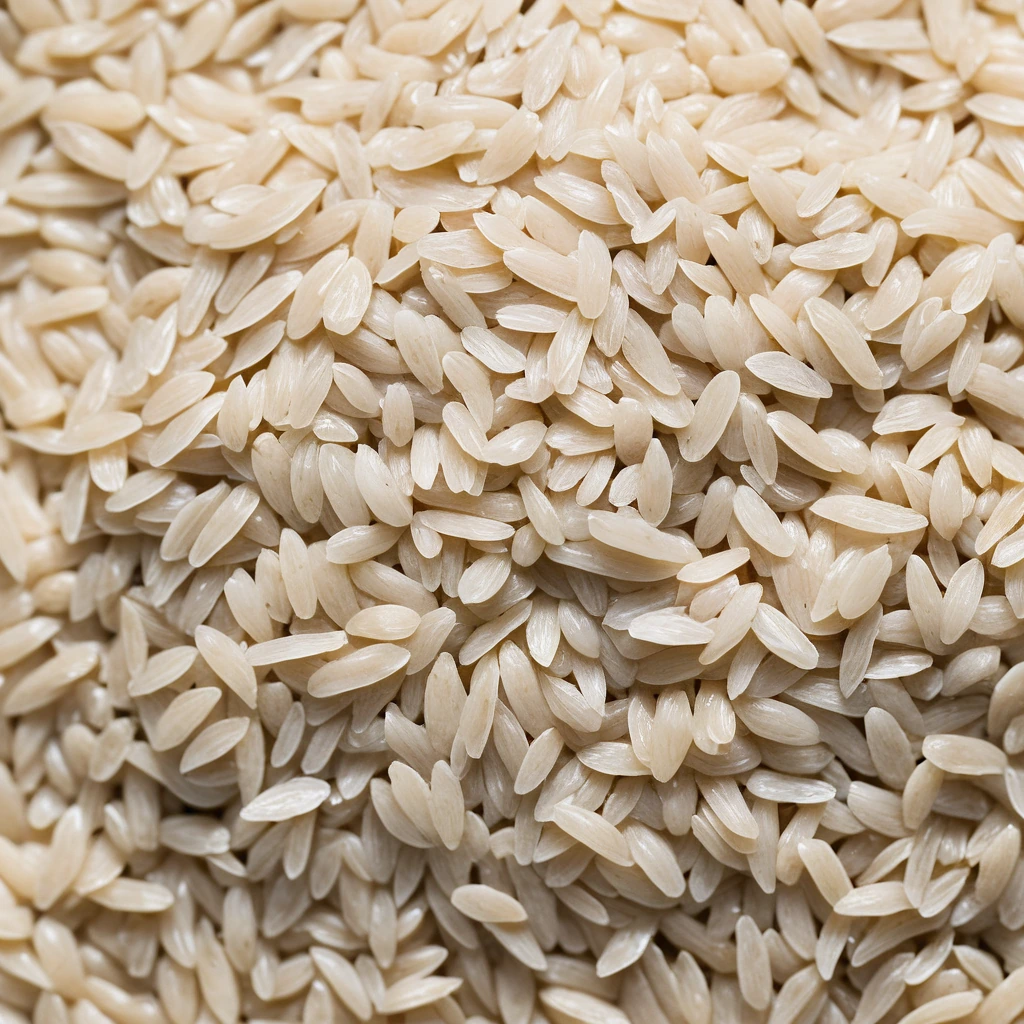
Arborio Rice
Arborio rice is a short-grain Italian rice variety renowned for its use in risotto. Originating from the Po Valley in Northern Italy, it is a staple in Italian cuisine. Its flavor is mild and nutty, with a pleasant creamy texture when cooked due to its high amylopectin content, which releases starch and creates a velvety consistency. The grains remain plump and firm to the bite, offering a satisfying chewiness. In cooking, Arborio rice excels at absorbing flavors from broths and seasonings while maintaining its shape, making it ideal for dishes that require both creaminess and structure.
Recipes to try
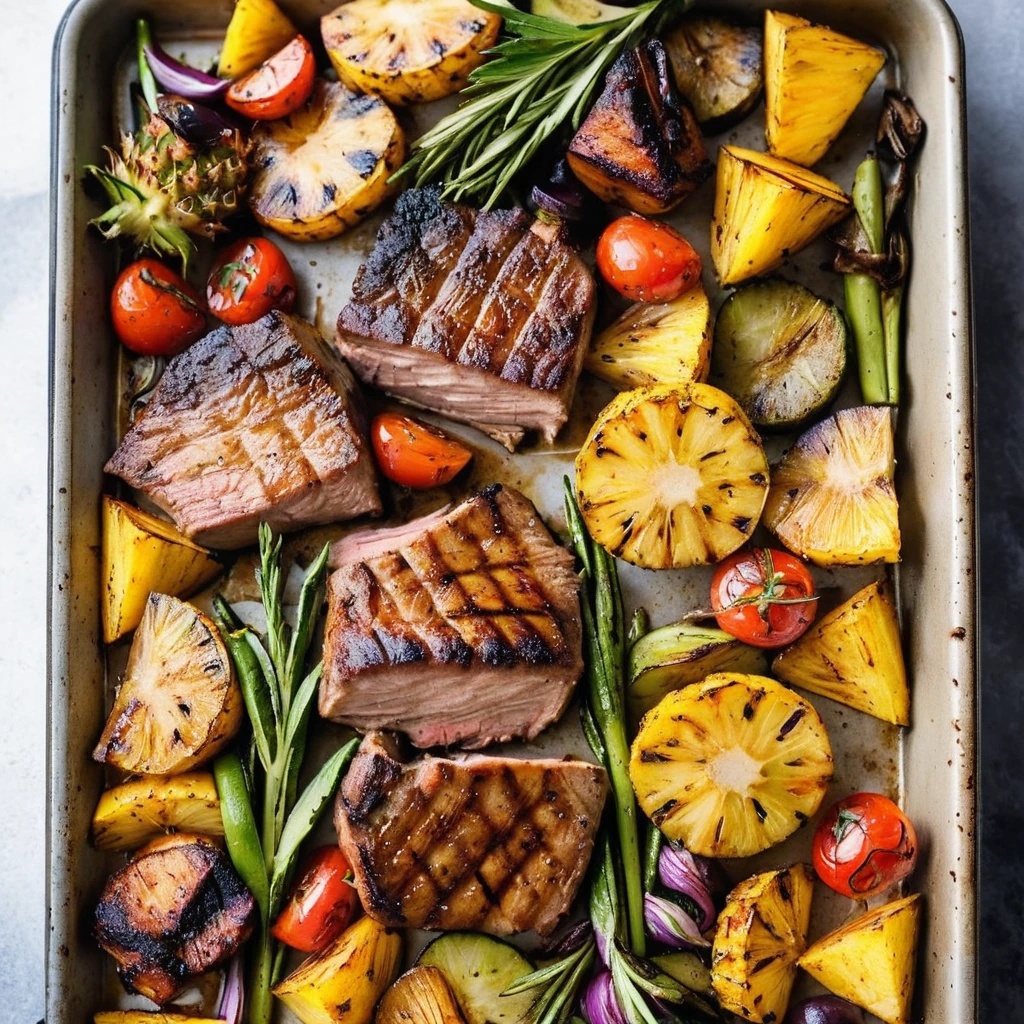
Pork and Pineapple BBQ Sheet Pan Supper
Sweet, tangy, and smoky flavors mingle in this fuss-free sheet pan supper that'll have you licking your plate clean.
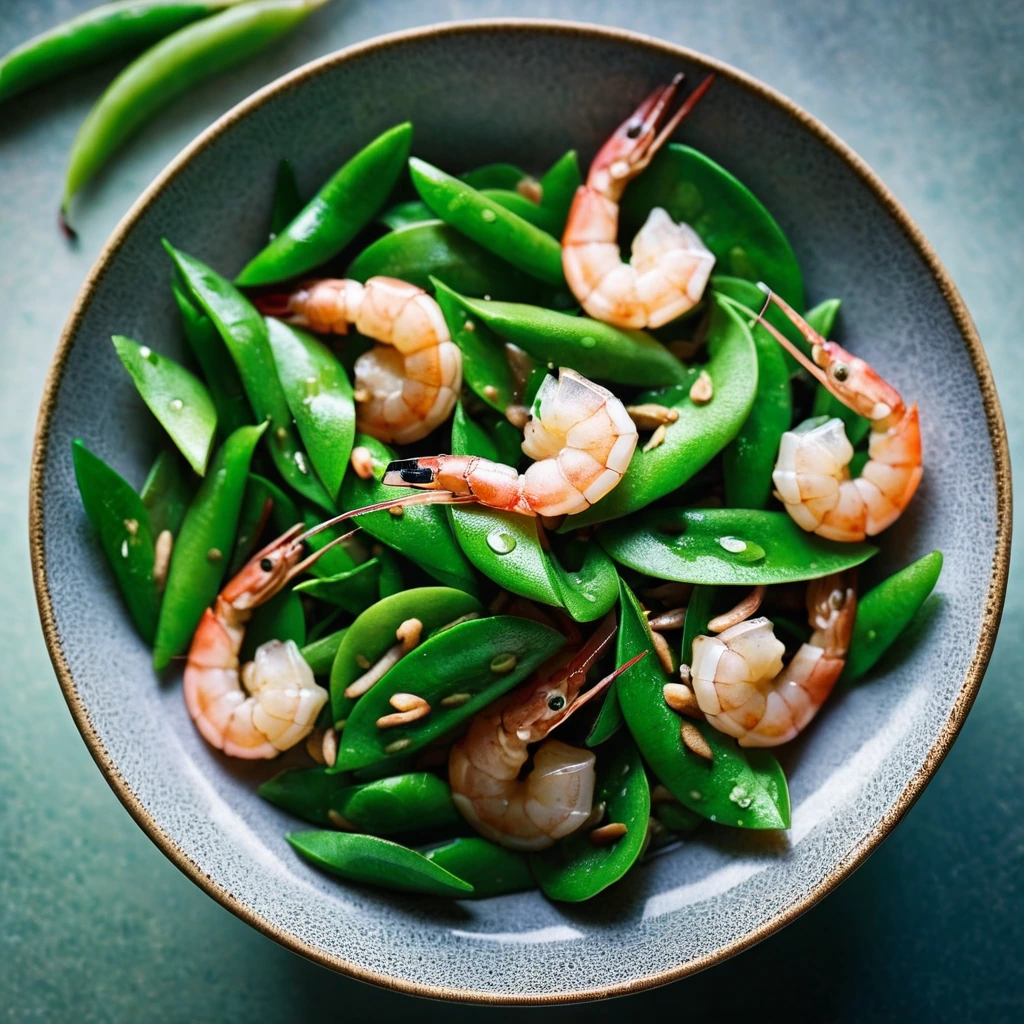
Shrimp and Snow Pea Stir Fry with Ginger
Succulent shrimp and crisp snow peas dance together in a fragrant, ginger-infused stir fry that's quick, zesty, and utterly satisfying.