Meat Technique: Using a Thermometer Instead of Guessing Doneness
Cooking meat to perfection is both an art and a science. Gone are the days when guesswork and the old poke-and-see method ruled the kitchen. Enter the meat thermometer: your trusty sidekick in achieving that perfect medium-rare steak or succulent roasted chicken. Using a thermometer ensures your meat is cooked to the ideal internal temperature, guaranteeing both safety and succulence. Let's dive into the world of meat thermometers and discover why they're indispensable. First, understand the types: digital instant-read, oven-safe probe, and leave-in thermometers each serve different cooking styles. Knowing when to insert the thermometer is crucial; aim for the thickest part of the meat without touching bone for accuracy. Different cuts have different ideal temperatures: 145°F for steaks, 160°F for ground beef, and 165°F for poultry. Overcooking can lead to dry, tough meat, while undercooking poses health risks. Learning to read your thermometer correctly will revolutionize your cooking. Calibration is key; always check your thermometer against a known temperature like boiling water (212°F at sea level) to ensure accuracy. Finally, practice patience. Letting meat rest after cooking allows juices to redistribute, ensuring every bite is moist and flavorful. With these insights, you'll cook with confidence and precision, leaving guesswork behind.
Notes
The science behind using a thermometer is straightforward: proteins coagulate at specific temperatures, and knowing these points helps you achieve desired textures. Common mistakes include inserting the thermometer into thin parts of the meat or leaving it near bones, which can give inaccurate readings. Always calibrate your thermometer before use to avoid errors. For safety, remember that the USDA recommends specific internal temperatures to kill harmful bacteria. As for make-ahead and storage, cooked meats can be refrigerated for 3-4 days or frozen for longer storage, but always reheat to an internal temperature of 165°F for safety.
Steps
- 1 Select the correct thermometer for your cooking needs.
- 2 Preheat your oven or skillet to the required temperature.
- 3 Season your meat according to your recipe.
- 4 Insert the thermometer into the thickest part of the meat, avoiding bone.
- 5 Monitor the temperature closely as the meat cooks.
- 6 Remove the meat when it reaches 5°F below your target temperature to account for carryover cooking.
- 7 Let the meat rest for at least 5-10 minutes before carving or serving.
- 8 Check the final internal temperature after resting to ensure it's within the safe range.
- 9 Adjust your cooking technique based on thermometer readings for future cooks.
Ingredients to explore
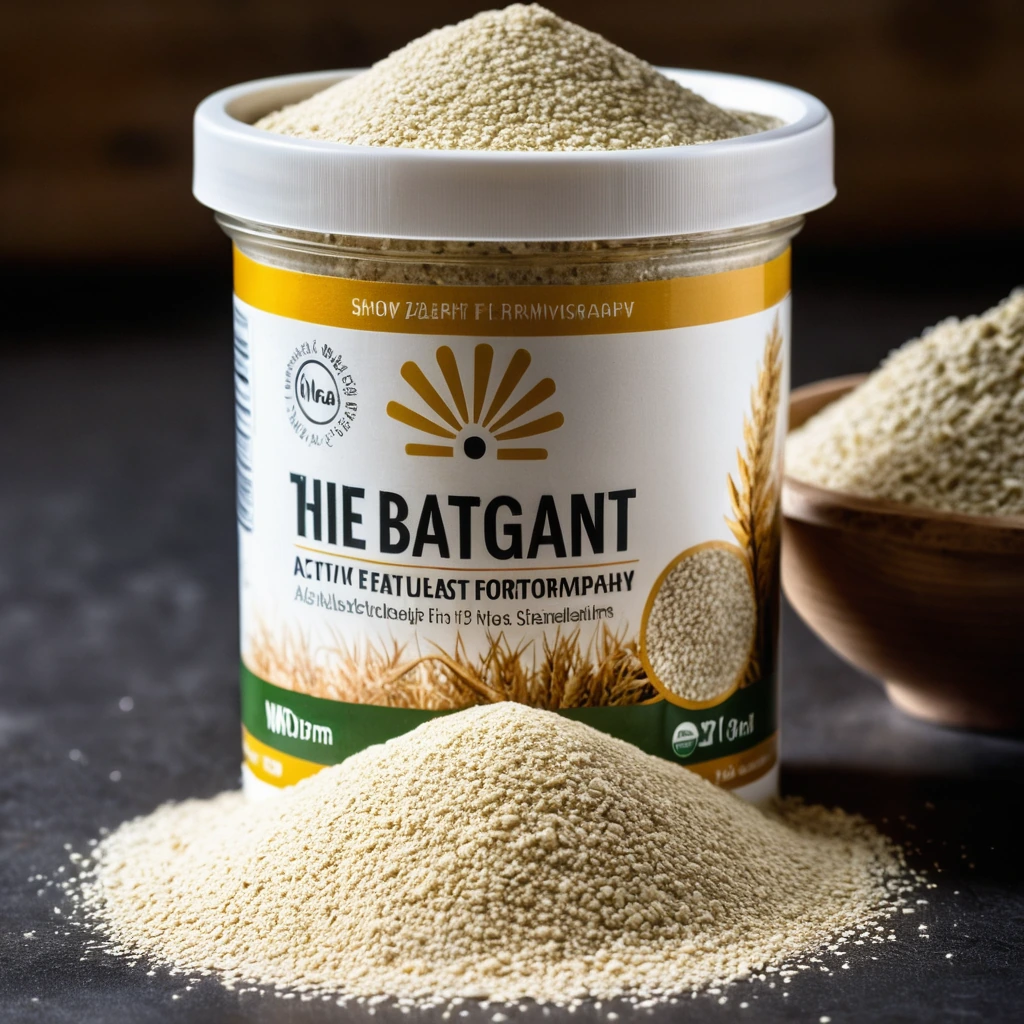
Active Dry Yeast
A fine, granulated leavening agent that brings baked goods to life with its gentle fermentation magic.

American Cheese Slices
Those iconic, perfectly pliable slices of creamy, mild American cheese. Each slice boasts a smooth, melt-in-your-mouth texture that brings comfort to any dish.
Recipes to try
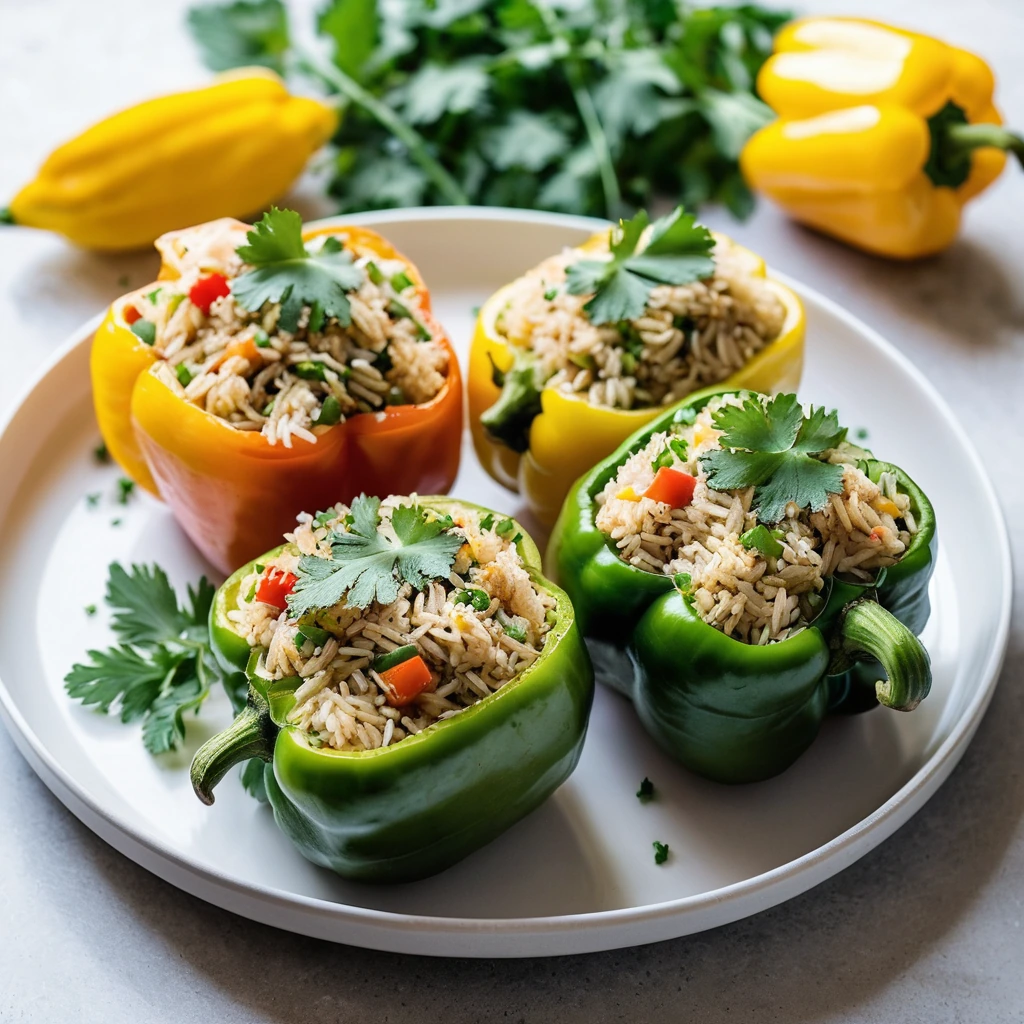
Lemon Garlic Chicken and Rice Stuffed Peppers
Bright and tangy lemon garlic chicken nestled in fluffy rice, all wrapped up in juicy bell peppers for a zesty comfort meal.
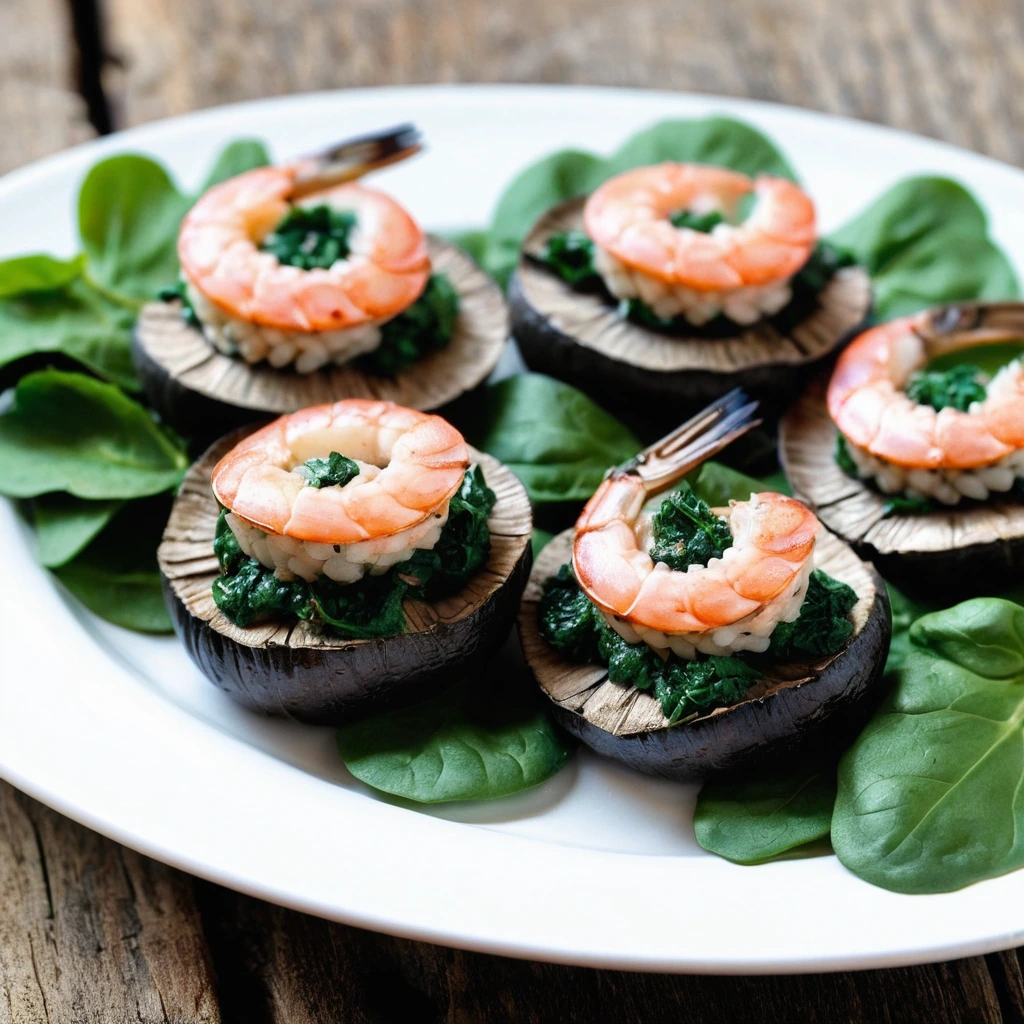
Shrimp and Spinach Stuffed Portobellos
Tender shrimp mingles with sautéed spinach in a savory filling, nestled inside roasted portobello mushrooms for a satisfying vegetarian-friendly main.