Meat Technique: Reverse Searing for Edge-to-Edge Pink Steaks
Reverse searing is a game-changing steak-cooking technique that ensures your steak is perfectly pink from edge to edge while boasting a flavorful crust. Unlike traditional searing, this method begins with a gentle cook in a low-temperature oven before finishing with a quick sear. This approach allows for more precise control over doneness and is especially ideal for thicker cuts of steak like ribeye or filet mignon. The low and slow initial phase evenly cooks the steak's center without overcooking the exterior. Once the steak reaches your desired internal temperature, a hot sear caramelizes the surface, locking in juices and creating that coveted crust. This technique is perfect for home cooks who want restaurant-quality results with minimal stress. Whether you're cooking for a date night or a weekend gathering, reverse searing guarantees a steak that is juicy, flavorful, and beautifully pink throughout.
Notes
The reverse searing technique works by gently cooking the steak first, ensuring even heat distribution throughout the meat before the high-heat sear creates the flavorful crust. Common mistakes include not letting the steak rest, which can lead to juices escaping, or searing too early, resulting in an uneven cook. Always use a meat thermometer to avoid guesswork. For safety, ensure your skillet is not smoking excessively, which can create harmful fumes. For make-ahead, cook the steak to just below your desired temperature, refrigerate promptly, and finish searing before serving. Stored properly in the fridge, your reverse-seared steak can wait up to 24 hours before final searing.
Steps
- 1 Preheat oven to 250°F.
- 2 Pat steak dry with paper towels and season generously with salt and pepper.
- 3 Place steak on a wire rack set over a baking sheet.
- 4 Transfer to the preheated oven and cook until internal temperature reaches 10-15°F below desired doneness, typically 120°F for medium-rare.
- 5 Remove steak from oven and let rest for 5-10 minutes.
- 6 While steak rests, heat a cast-iron skillet over high heat until very hot.
- 7 Add a thin layer of oil to the skillet and carefully place the steak in the pan.
- 8 Sear for 1-2 minutes per side, creating a golden-brown crust.
- 9 Transfer steak to a clean plate and let rest for another 5 minutes.
Ingredients to explore
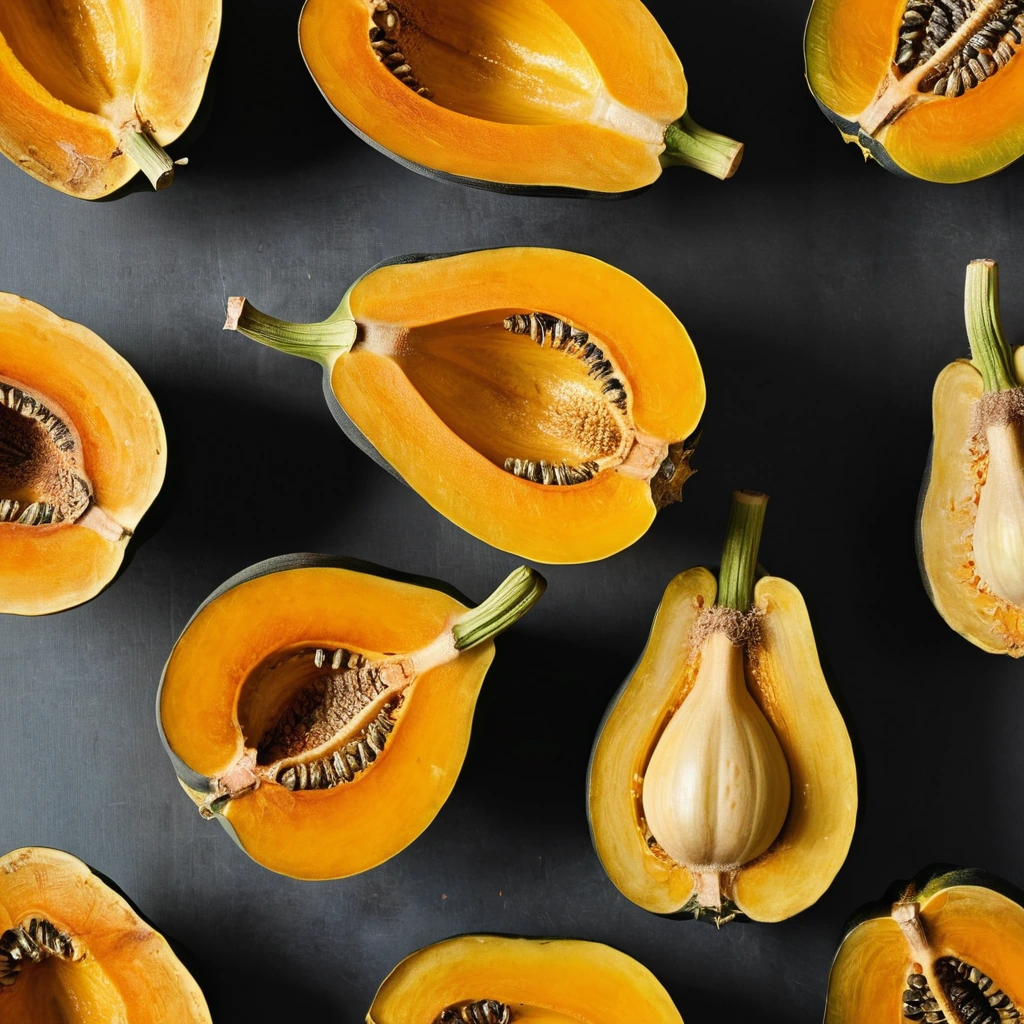
Acorn Squash
Acorn squash is a winter squash variety known for its distinctive teardrop shape and deep ridges resembling the texture of an acorn shell. Originating in the Americas, it has been cultivated for centuries and is a staple in autumn cuisine. The flesh is sweet and nutty with a hint of earthiness, offering a delightful contrast to savory dishes. Its texture is dense yet tender when cooked, making it ideal for roasting or pureeing. In cooking, acorn squash holds its shape well and absorbs flavors from herbs and spices, enhancing both its taste and versatility in recipes.
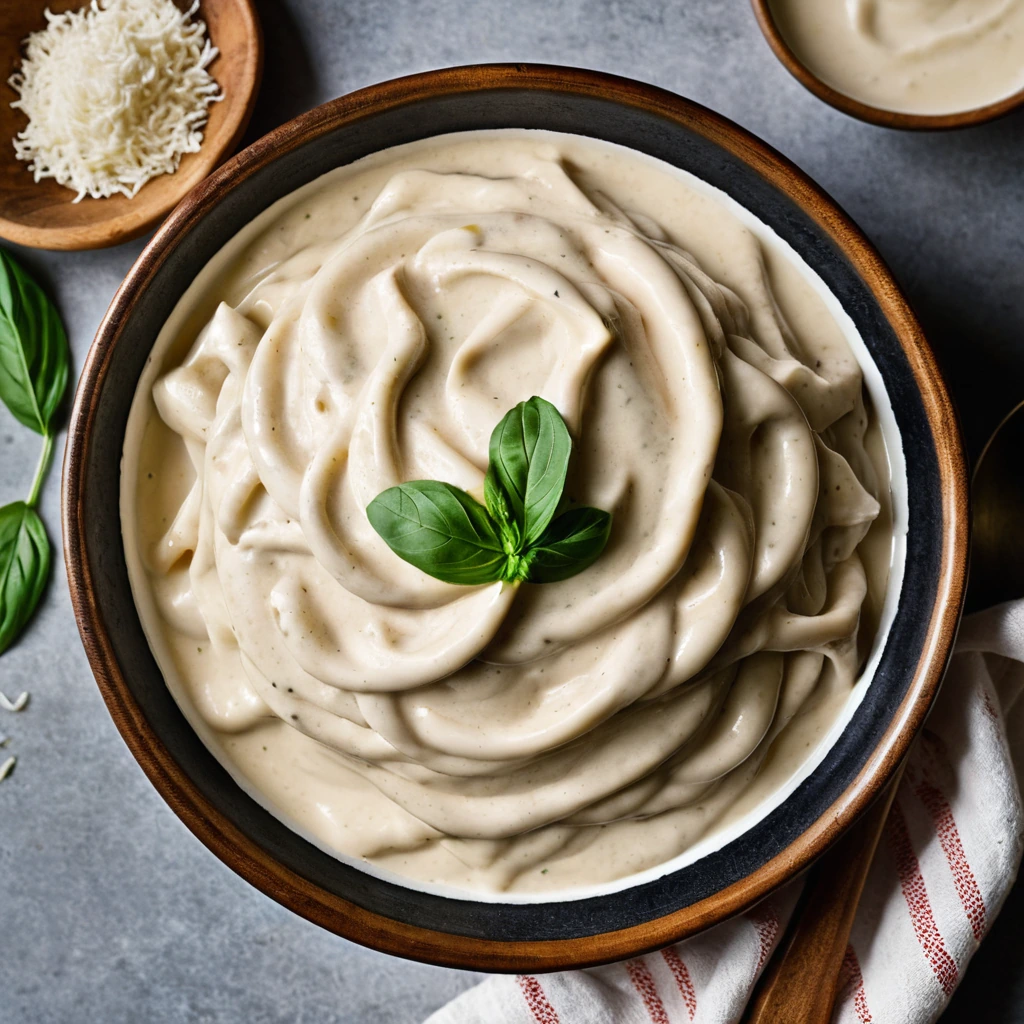
Alfredo Sauce
Creamy, rich, and utterly indulgent, Alfredo sauce is a dreamy blend of butter, heavy cream, and Parmesan cheese. Its velvety texture and savory depth make it a beloved staple in Italian-American cuisine.
Recipes to try
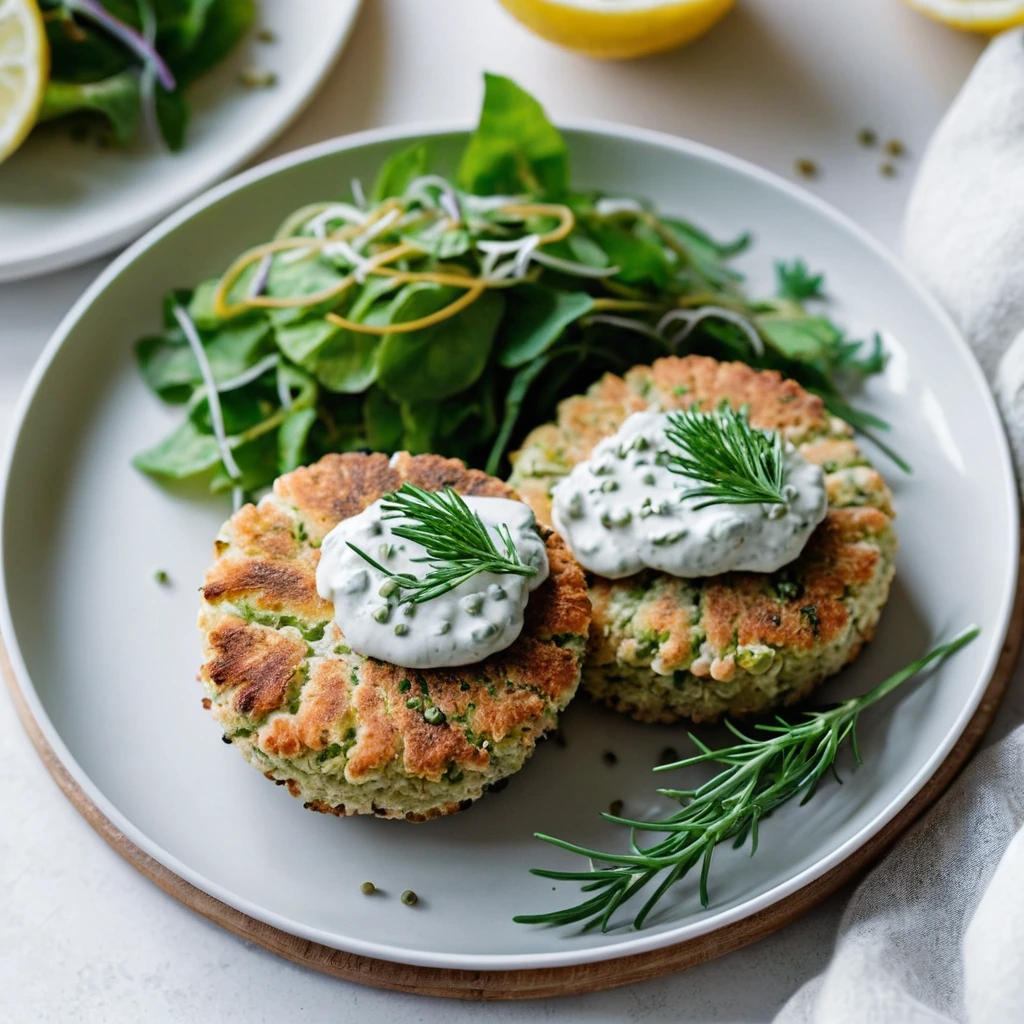
Lemon Dill Salmon Cakes with Caper Mayo
Golden, crispy salmon cakes bursting with fresh dill and zesty lemon, served with a tangy caper mayo that'll have you hooked.
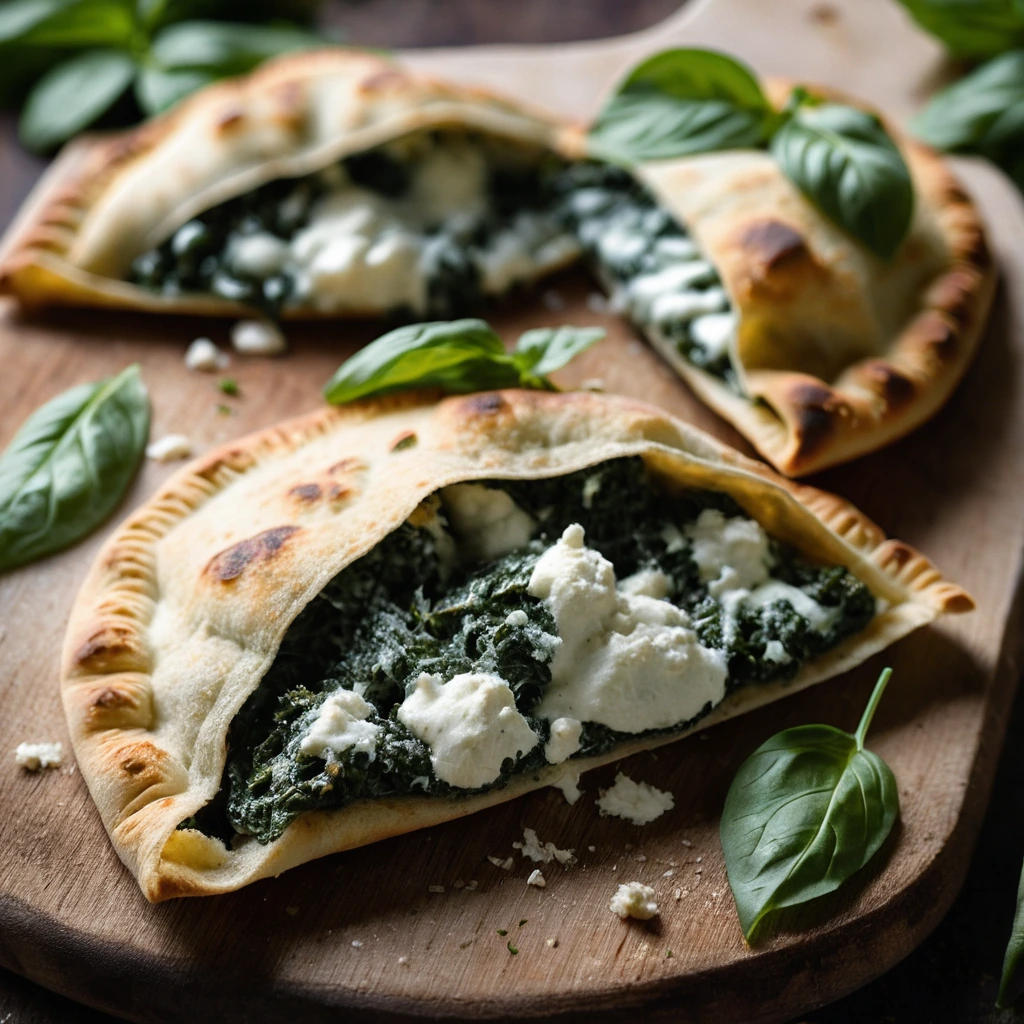
Spinach and Ricotta Stuffed Pizza Pockets
Golden, crispy pockets filled with a creamy ricotta and spinach blend that'll have you reaching for seconds.