Meat Technique: Reducing Braising Liquid into a Glaze
Transforming the humble braising liquid into a glossy, flavorful glaze is a culinary technique that can elevate any meat dish. This process concentrates the essence of your cook, capturing the deep, rich flavors and turning them into a luxurious coating that clings to roasted meats, enriching every bite. Braising liquid, often a byproduct of slow-cooked dishes like pot roasts or braised short ribs, is a treasure trove of flavor waiting to be unlocked. Reducing this liquid into a glaze involves simmering it gently until it thickens and intensifies, creating a sauce that is both a testament to patience and a reward for it. This technique not only minimizes waste but also adds a professional touch to your home cooking. By understanding the science behind reduction and following precise steps, you can master this technique and impress your family and friends with restaurant-quality dishes from the comfort of your own kitchen.
Notes
The science behind reducing braising liquid is simple yet fascinating: as water evaporates, the concentration of flavors and sugars intensifies, creating a glaze. Patience is key; rushing the process can lead to a burnt or overly bitter result. To troubleshoot, ensure your heat is low enough to prevent rapid boiling, which can cause the glaze to break or become cloudy. For storage, let the glaze cool completely before transferring it to an airtight container and refrigerating for up to a week. Reheat gently before use. Always taste and adjust seasoning before glazing, as reduction can concentrate saltiness.
Steps
- 1 Strain the braising liquid through a fine-mesh sieve into a saucepan to remove solids.
- 2 Place the saucepan over medium heat and bring the liquid to a gentle simmer.
- 3 Skim off any impurities or fat that rise to the surface using a spoon.
- 4 Reduce the heat to low to maintain a gentle simmer, preventing the liquid from boiling rapidly.
- 5 Simmer uncovered, allowing the liquid to reduce by about half, stirring occasionally.
- 6 Monitor the reduction closely as it thickens, adjusting heat as necessary to avoid scorching.
- 7 Continue simmering until the liquid has reduced to a syrupy consistency, coating the back of a spoon.
- 8 Remove from heat and let cool slightly before using to glaze your meat.
Ingredients to explore
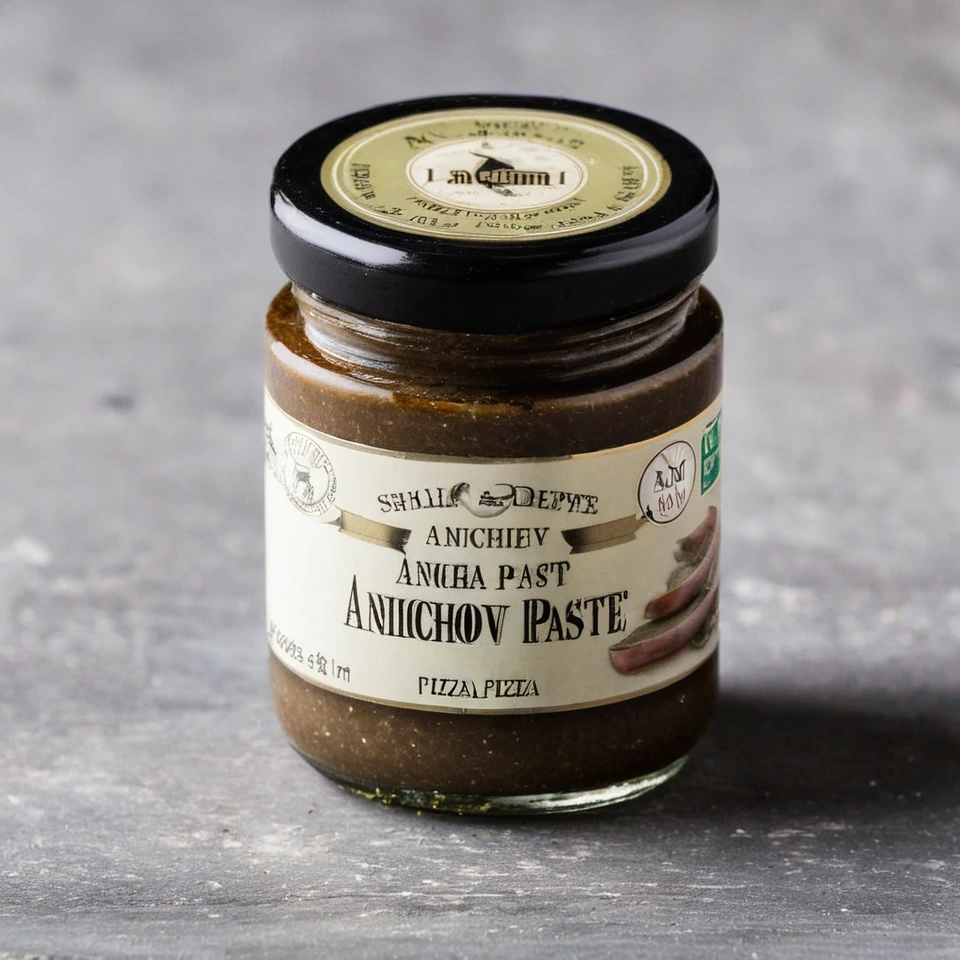
Anchovy Paste
Anchovy paste is a rich, salty spread made from finely ground anchovies, salt, and sometimes olive oil. It offers a deep umami flavor that enhances a variety of dishes.
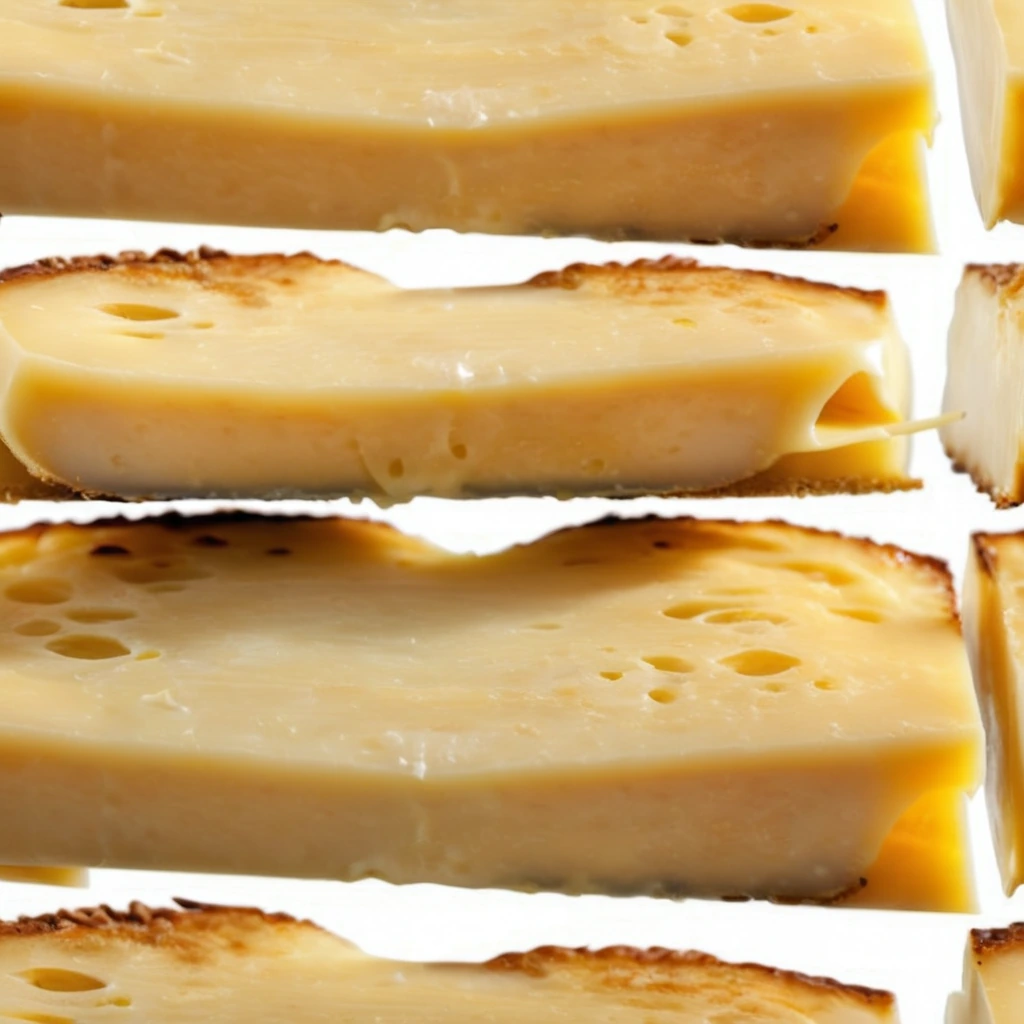
American Cheese Slices
Those iconic, perfectly pliable slices of creamy, mild American cheese. Each slice boasts a smooth, melt-in-your-mouth texture that brings comfort to any dish.
Recipes to try
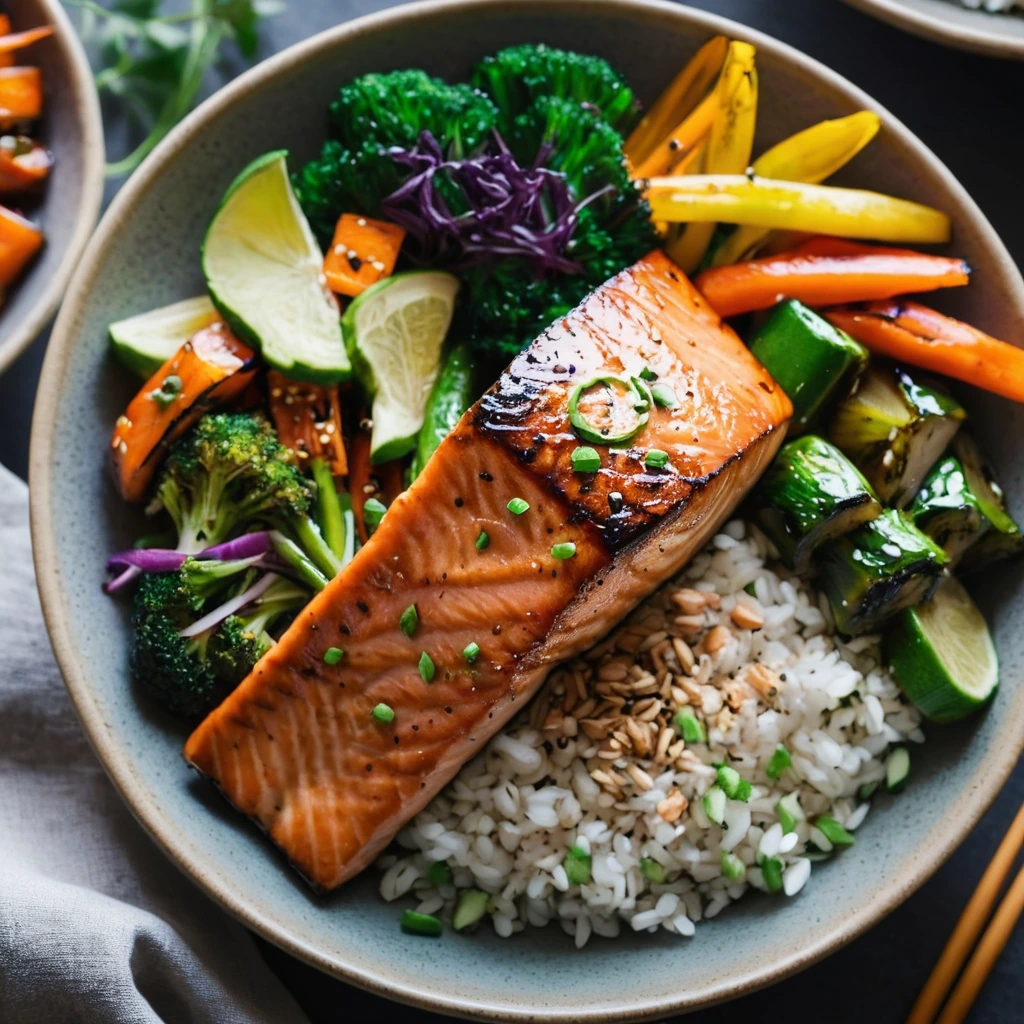
Teriyaki Glazed Salmon and Veggie Bowls
Sweet and savory teriyaki glaze coats succulent salmon fillets atop a vibrant medley of colorful veggies, creating a symphony of flavors in every bite.
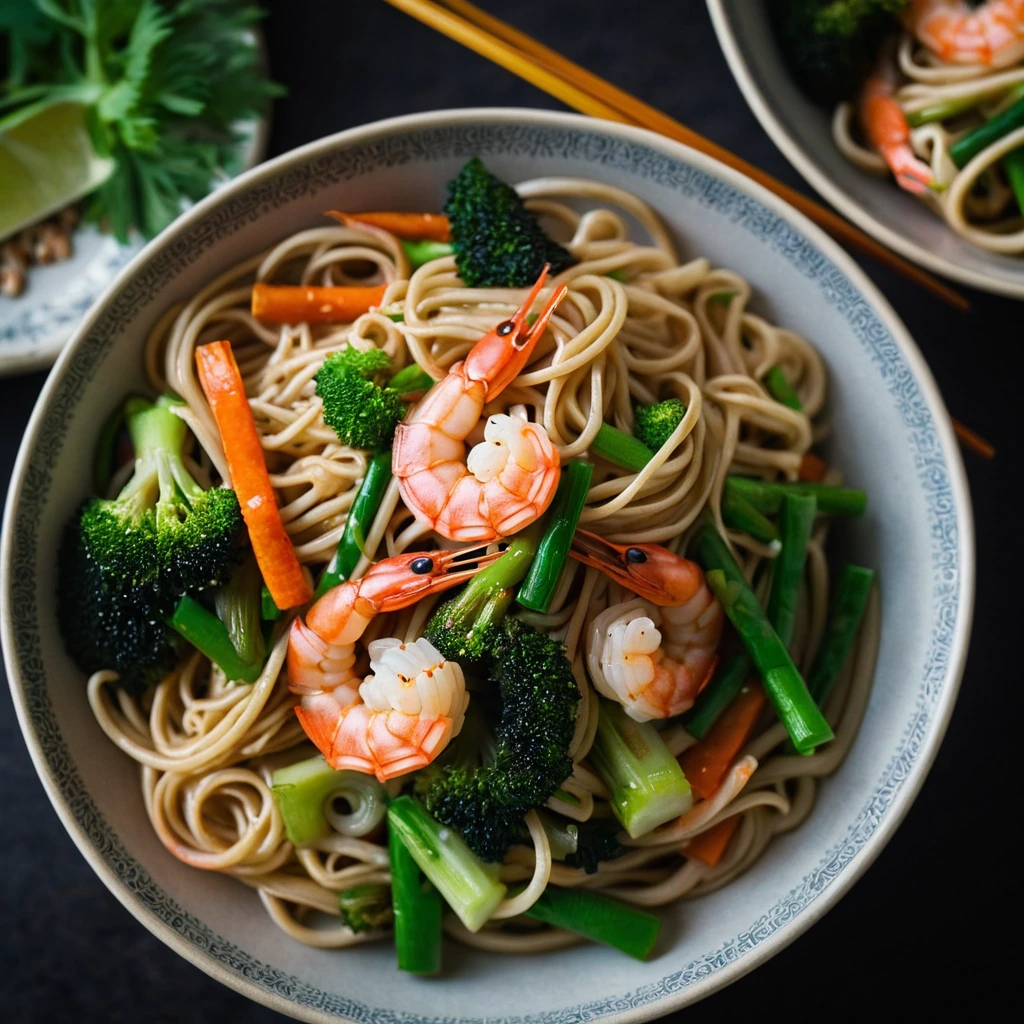
Shrimp and Veggie Lo Mein
Silky noodles twirled with succulent shrimp and a colorful medley of veggies in a savory sauce that'll have you slurping for more.