Meat Technique: Managing Carryover Cooking After the Oven
Carryover cooking is a phenomenon that can make or break your roast, turkey, or steak. It's the residual heat in your meat that continues to cook it even after you've pulled it out of the oven. Understanding and managing this process is crucial to ensure your meat is perfectly cooked without going overdone. This technique dives into the science behind carryover cooking and provides practical steps to control it. Whether you're roasting a prime rib or baking a chicken, mastering carryover cooking will elevate your culinary game. It starts with knowing your meat: denser cuts with more muscle fibers retain heat longer than delicate fillets. Next, consider your cooking environment—oven type, meat thickness, and starting temperature all play a role. Finally, learn to read your meat's cues: visual inspection, touch, and precise thermometer readings are your tools. By understanding these dynamics, you can confidently serve juicy, perfectly cooked meats every time.
Notes
Carryover cooking works because of the residual heat within the meat, which continues to cook the interior as the exterior cools. This is due to the transfer of heat from the hotter outer layers to the cooler inner layers. A common mistake is pulling meat too early, thinking it will cook more than it actually will. To avoid this, rely on a good meat thermometer and know your target temperatures: 145°F for medium-rare beef, 160°F for medium. For safety, always use clean utensils and ensure your final internal temperature is adequate for safe consumption. For make-ahead meals, let the meat rest, then refrigerate promptly; reheat gently to preserve moisture.
Steps
- 1 Preheat your oven to the required temperature for your specific cut of meat.
- 2 Season your meat generously with salt and any desired spices or herbs.
- 3 Place the meat in the oven and cook until it reaches 10-15°F below your target temperature.
- 4 Remove the meat from the oven immediately once it reaches this temperature.
- 5 Transfer the meat to a cutting board or platter and tent it loosely with foil.
- 6 Allow the meat to rest for 10-20 minutes, depending on its thickness and density.
- 7 Check the internal temperature after resting; it should have risen to your target temperature due to carryover cooking.
- 8 Slice or serve the meat immediately after resting to ensure optimal juiciness and texture.
Ingredients to explore
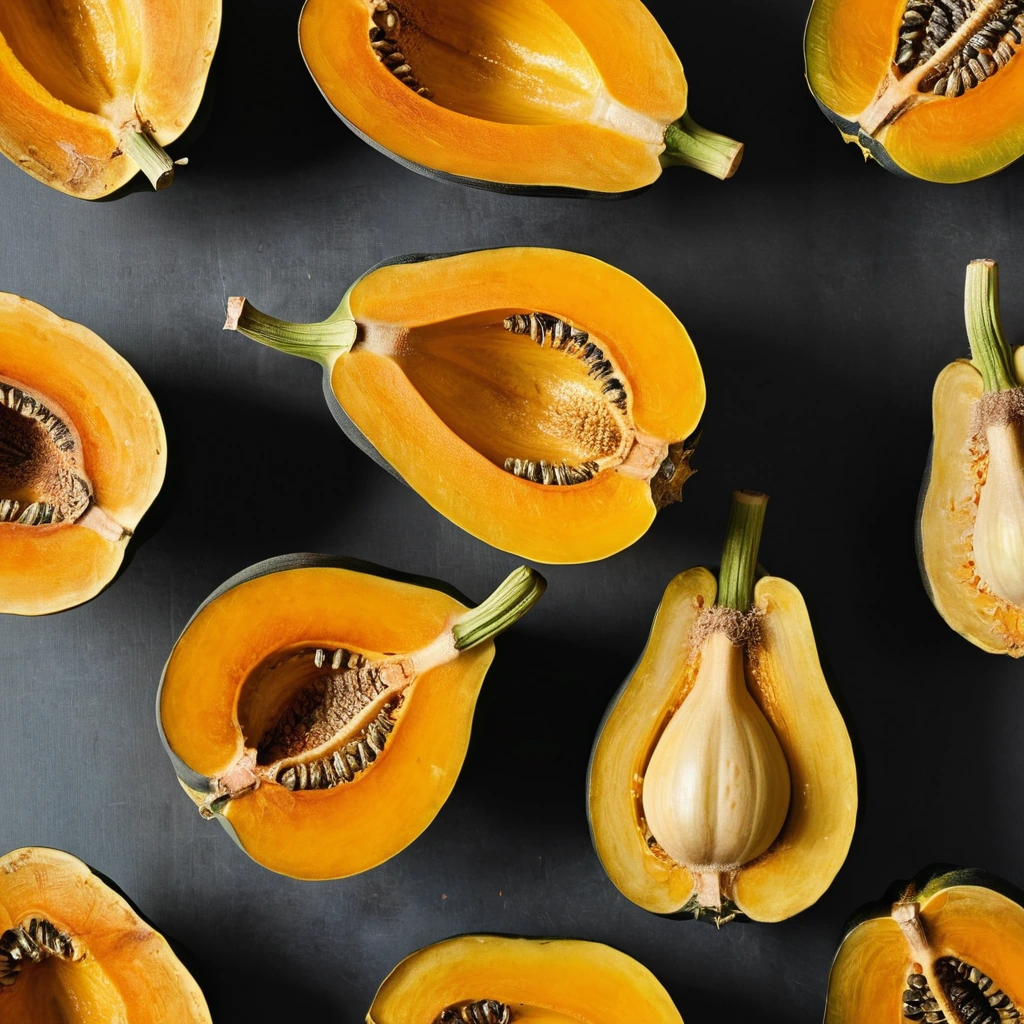
Acorn Squash
Acorn squash is a winter squash variety known for its distinctive teardrop shape and deep ridges resembling the texture of an acorn shell. Originating in the Americas, it has been cultivated for centuries and is a staple in autumn cuisine. The flesh is sweet and nutty with a hint of earthiness, offering a delightful contrast to savory dishes. Its texture is dense yet tender when cooked, making it ideal for roasting or pureeing. In cooking, acorn squash holds its shape well and absorbs flavors from herbs and spices, enhancing both its taste and versatility in recipes.

Andouille Sausage
Andouille sausage is a coarse-grained, smoked pork sausage with a rich history rooted in French cuisine, particularly from the Alsace region. It was adapted in Louisiana, where it became a staple in Cajun and Creole cooking. The sausage is known for its robust, smoky flavor with hints of garlic, pepper, and other spices, creating a spicy and savory profile. Its texture is firm yet slightly chewy, making it a hearty addition to dishes. When cooked, andouille sausage maintains its shape well and infuses dishes with its distinctive smoky essence, enhancing stews, soups, and rice dishes.
Recipes to try
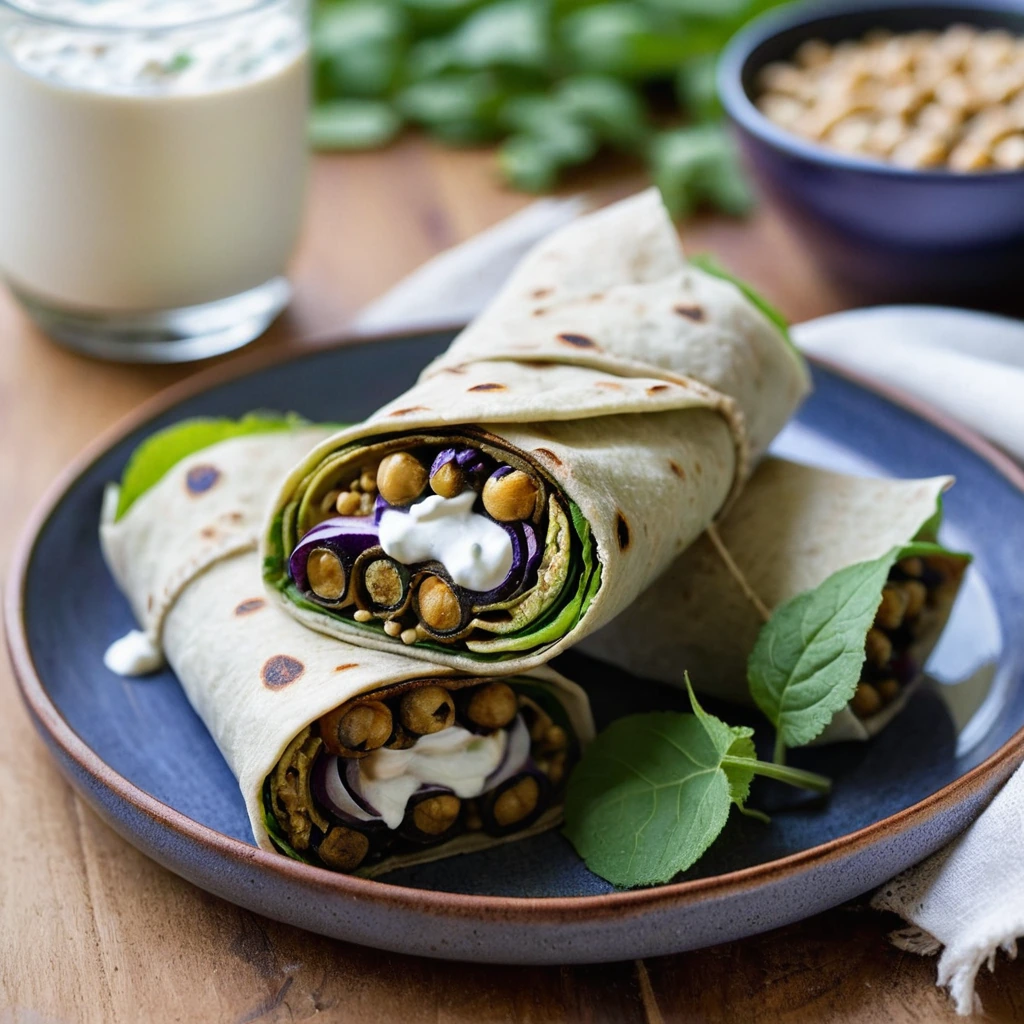
Roasted Eggplant and Chickpea Wraps with Yogurt
Creamy yogurt swirls with smoky roasted eggplant and hearty chickpeas, all wrapped in a warm tortilla for a veggie-packed meal.
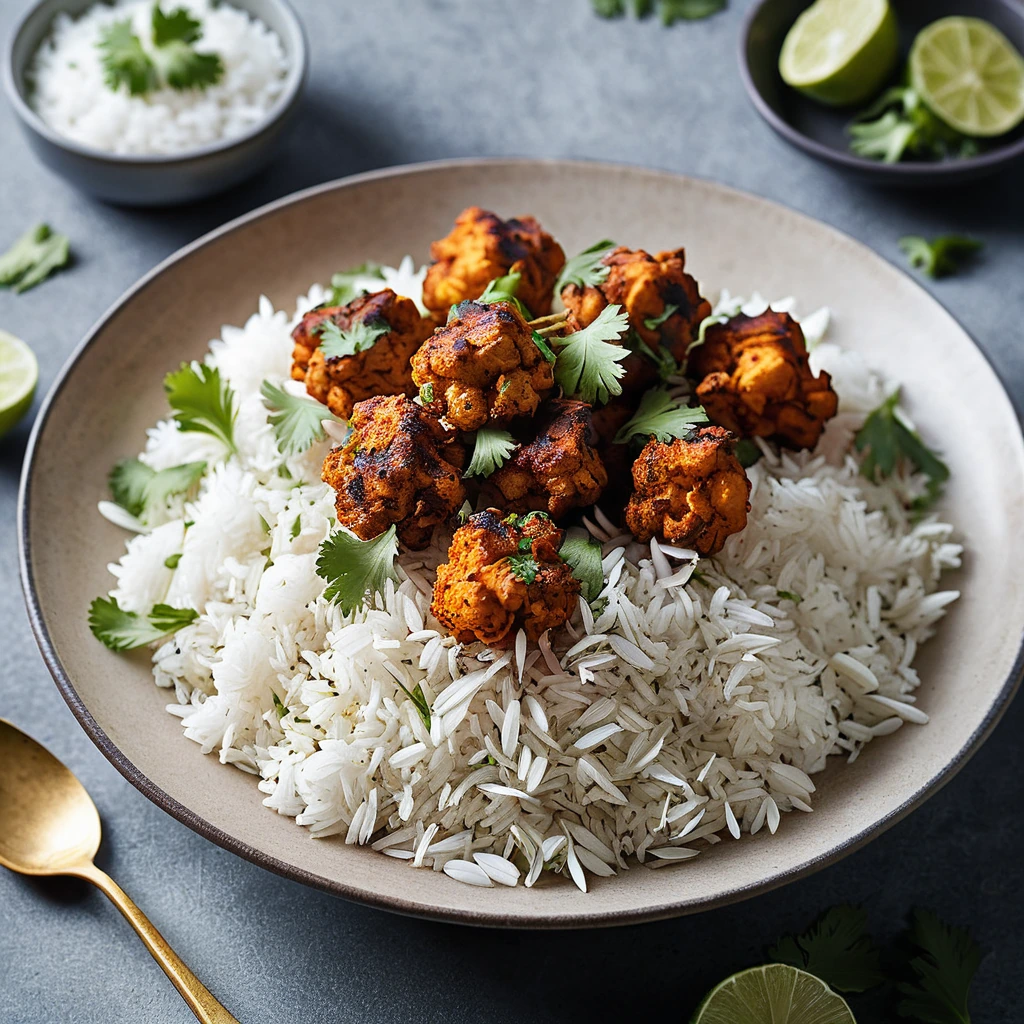
Roasted Cauliflower Tikka with Basmati Rice
Golden roasted cauliflower bites with a smoky, spicy kick served alongside fragrant basmati rice.