Meat Technique: Cutting Against the Grain for Tender Slices
Achieving tender, melt-in-your-mouth slices of meat is a culinary skill that can elevate any dish from mundane to magnificent. The secret lies in understanding and mastering the technique of cutting against the grain. Muscle fibers in meat run in specific directions, and when you cut perpendicular to these fibers, you shorten them, making each bite easier to chew. This technique is crucial for tougher cuts like flank steak, skirt steak, or even chicken breasts. Learning to identify the grain and slice accordingly is an essential skill for any home cook. This guide will walk you through the process step-by-step, ensuring your next meal is a hit with family and friends. With patience and practice, cutting against the grain will become second nature, transforming your cooking into something truly special.
Notes
Cutting against the grain works because it severs muscle fibers, reducing the chewiness of the meat. A common mistake is misidentifying the grain direction; take your time to ensure accuracy. Safety is paramount; always use a sharp knife and keep fingers tucked. For make-ahead meals, slice the meat just before serving to maintain its texture. Store leftovers in an airtight container in the refrigerator for up to 3 days.
Steps
- 1 Select a well-rested piece of meat, ideally at room temperature.
- 2 Examine the surface of the meat to identify the direction of the muscle fibers.
- 3 Using your fingers, gently feel the fibers to confirm their orientation.
- 4 Place the meat on a stable cutting board with the fibers running horizontally.
- 5 Sharpen your chef's knife to ensure clean cuts; a dull knife can crush fibers.
- 6 Slice the meat perpendicular to the grain at a 90-degree angle.
- 7 Aim for slices that are 1/4-inch thick for most dishes, adjusting based on recipe needs.
- 8 Work quickly to prevent the meat from drying out.
- 9 Fan out the slices on a serving platter to showcase their tenderness.
- 10 Serve immediately for optimal flavor and texture.
Ingredients to explore

Anaheim Peppers
Anaheim peppers are a mild chili pepper variety named after Anaheim, California, where they were first cultivated commercially. Originating from the New Mexico region, these peppers are celebrated for their versatility and gentle heat. They possess a flavor that is mildly sweet with a subtle tang, and a pleasant vegetal note reminiscent of green bell peppers, but with a hint of spice. Their texture is firm and crisp when fresh, becoming tender and slightly smoky when roasted or cooked. In cooking, Anaheim peppers behave well across a range of techniques, from grilling and roasting to stuffing and sautéing, contributing a nuanced depth without overwhelming other ingredients with heat.
Aleppo Pepper
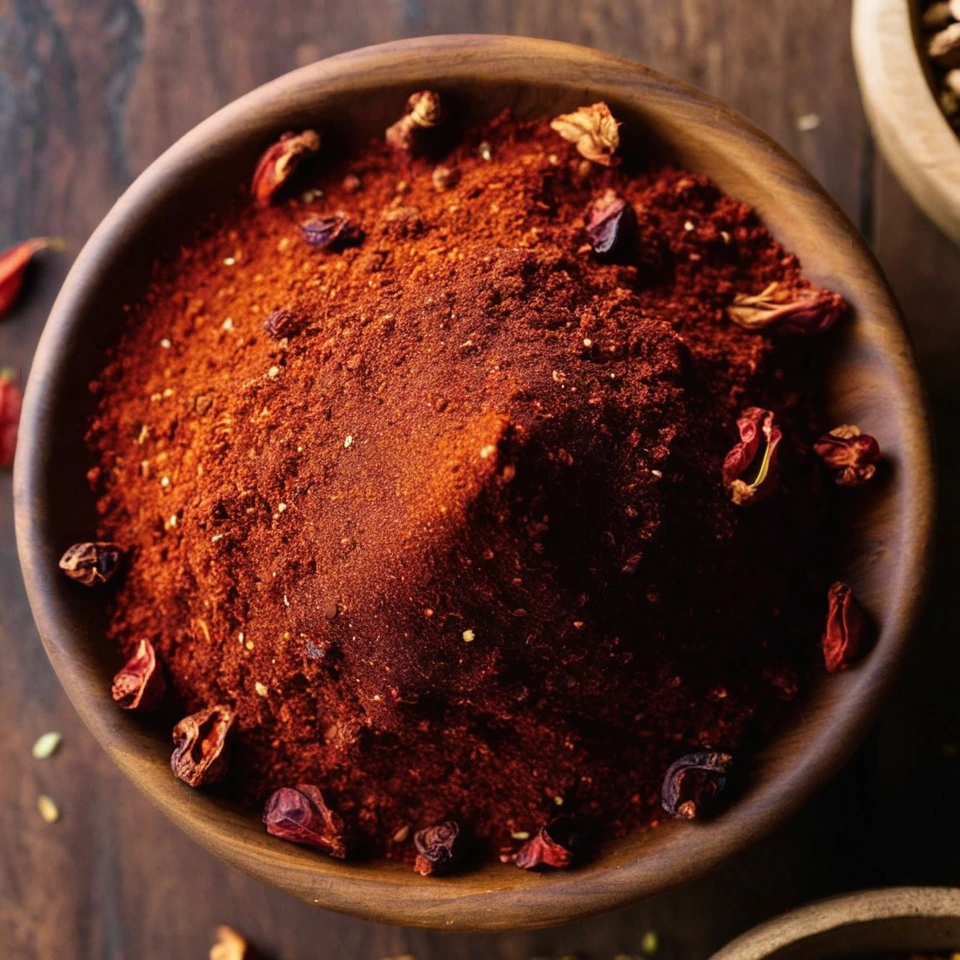
Aleppo pepper offers a harmonious balance of heat and sweetness, with a subtle fruity aroma reminiscent of sun-dried tomatoes and currants. Originating from the region around Aleppo, Syria, it has a fine, slightly coarse texture that shatters easily between fingers. Its mild yet complex flavor profile makes it a prized seasoning for enhancing dishes without overwhelming them. Valued for its versatility, it bridges the gap between spice and seasoning, bringing a touch of warmth and depth to a variety of cuisines.
Recipes to try
Shrimp Tacos with Cilantro Lime Slaw
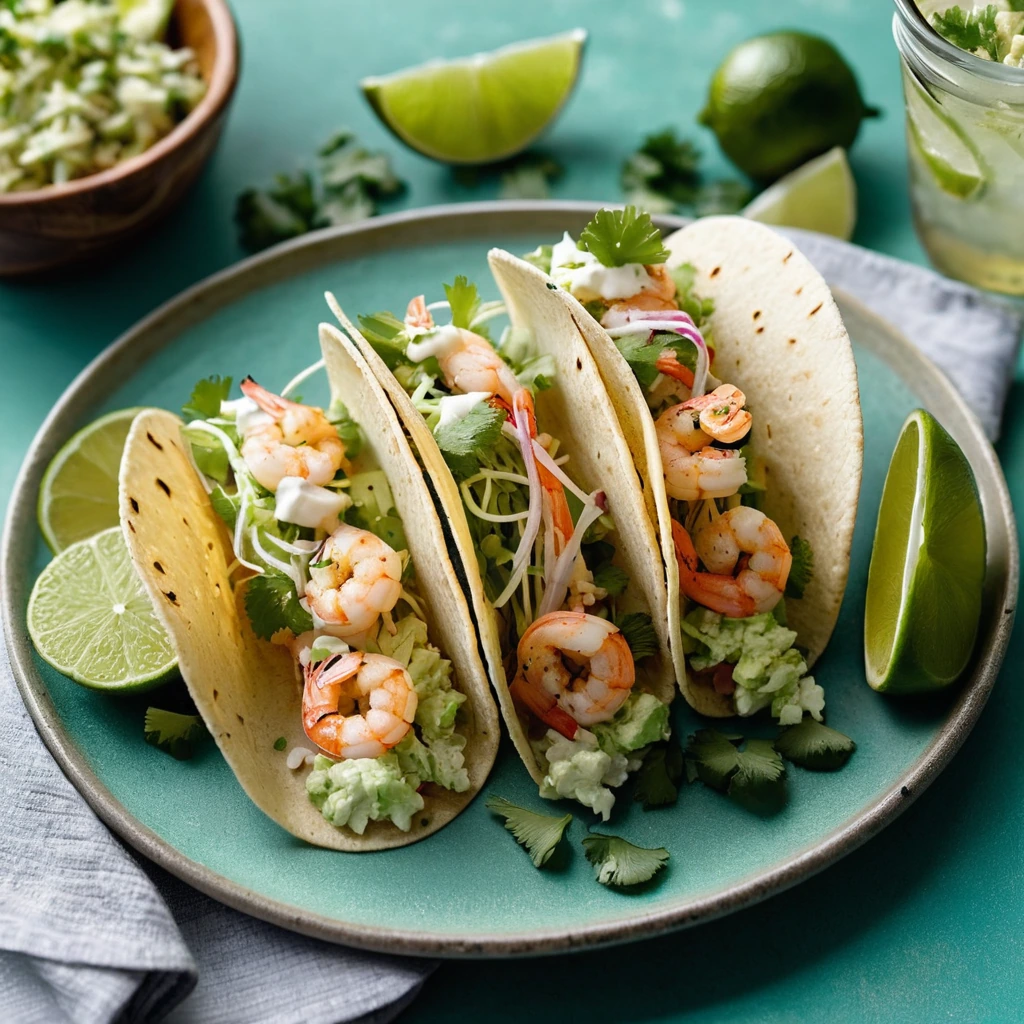
Juicy grilled shrimp nestled in warm tortillas, topped with a vibrant cilantro lime slaw that's as refreshing as a sea breeze.
Maple Mustard Pork Chops with Apple Slaw
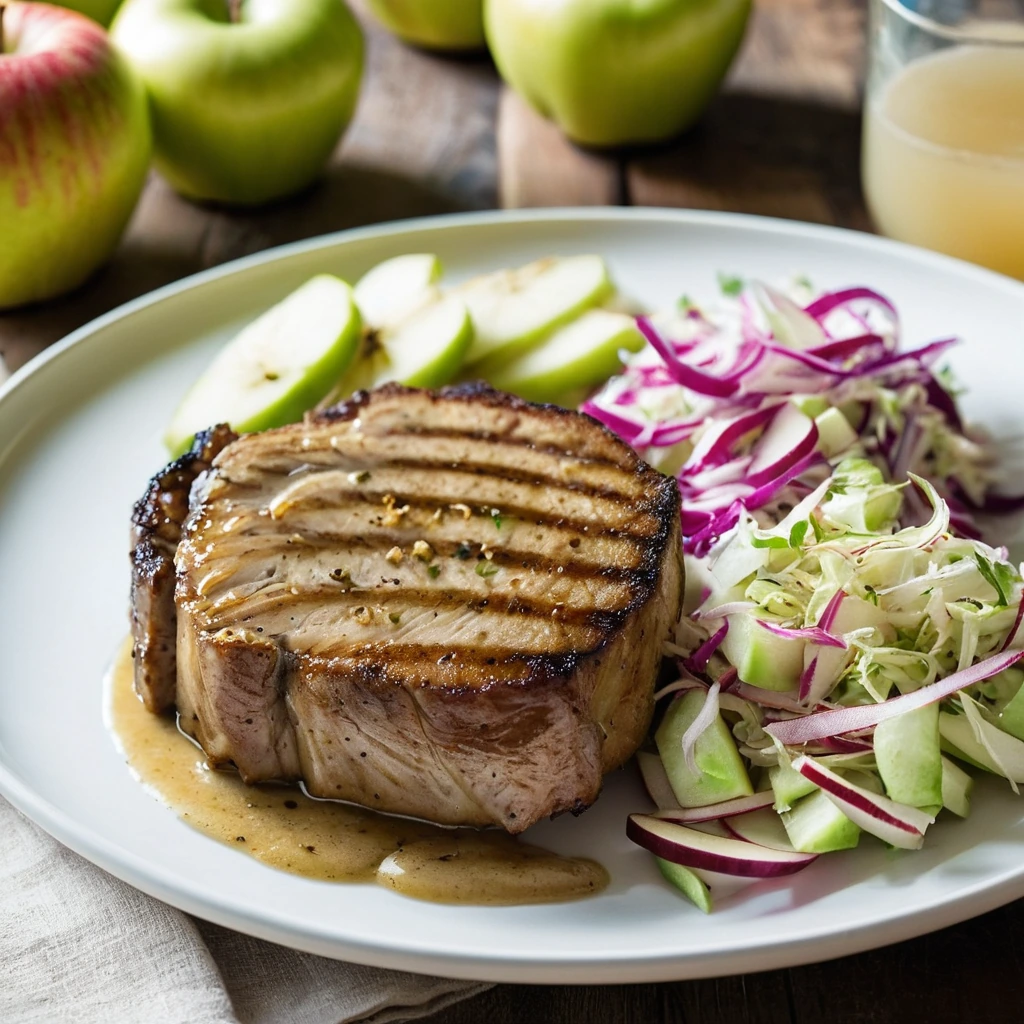
Tender pork chops kissed with a tangy maple mustard glaze, served alongside a crisp, sweet-tart apple slaw.