Meat: Reverse Searing Steaks at Home
Reverse searing is a revolutionary technique that flips the traditional steak-cooking script. Instead of starting with a sear, you gently cook the steak low and slow to your desired internal temperature before finishing it with a quick sear. This method ensures even cooking from edge to edge, giving you a perfectly juicy center and a flavorful crust. Ideal for thick cuts like ribeye or New York strip, reverse searing guarantees that your steak is cooked precisely to your liking. By starting in a low-temperature oven, you allow the meat to come up to temperature gently, reducing the risk of overcooking. Once the steak reaches your target temperature, a hot skillet or grill provides the Maillard reaction, creating that beloved crust. This technique is perfect for home cooks who desire restaurant-quality results without needing a culinary degree. Let's dive into why reverse searing works and how you can master it in your own kitchen.
Notes
The science behind reverse searing is simple: low and slow cooking allows for even heat distribution, minimizing moisture loss. This gentle approach ensures that your steak won't develop a gray band often caused by direct searing. However, it’s crucial to monitor your steak's temperature with a meat thermometer to avoid overcooking. Common mistakes include not preheating the skillet enough or overcrowding it, which can lead to steaming instead of searing. Safety-wise, ensure your oven is preheated and handle hot skillets with care. For make-ahead, cook your steak to the desired internal temperature, refrigerate, and reheat gently before searing just before serving. Leftovers can be stored in an airtight container for up to 3 days.
Steps
- 1 Preheat your oven to 225°F.
- 2 Season your steak generously with salt and pepper on both sides.
- 3 Place the steak on a wire rack set over a baking sheet.
- 4 Transfer the baking sheet to the preheated oven.
- 5 Cook the steak until it reaches 10-15°F below your desired final temperature, typically 1-2 hours depending on thickness.
- 6 Remove the steak from the oven and let it rest at room temperature.
- 7 Heat a cast-iron skillet over high heat until smoking.
- 8 Add a high-smoke-point oil to the skillet.
- 9 Sear the steak for 1-2 minutes per side, creating a golden-brown crust.
- 10 Transfer the seared steak to a cutting board and let it rest for 5-10 minutes.
- 11 Slice against the grain and serve immediately.
Ingredients to explore
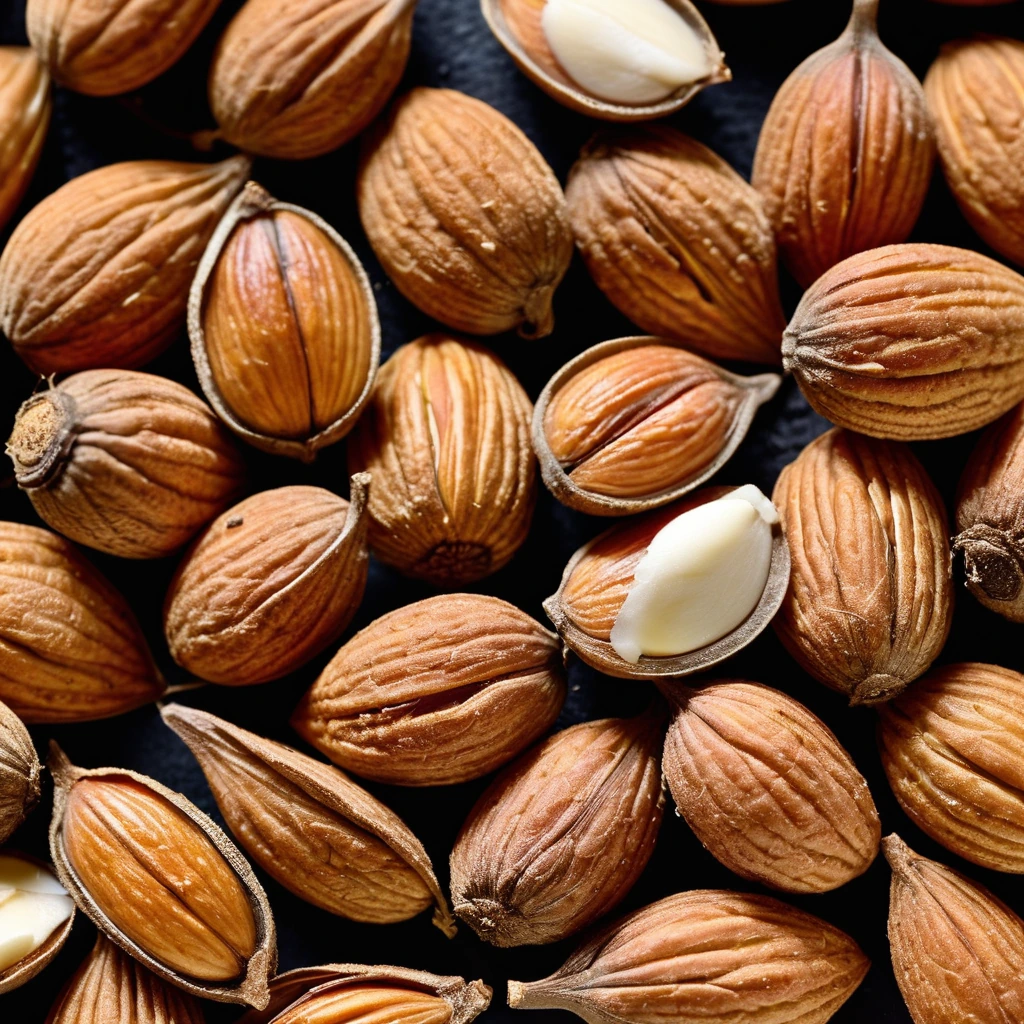
Almond Extract
A fragrant, golden elixir that captures the essence of freshly ground almonds, almond extract is a pantry staple that brings a rich, nutty aroma to your culinary creations.
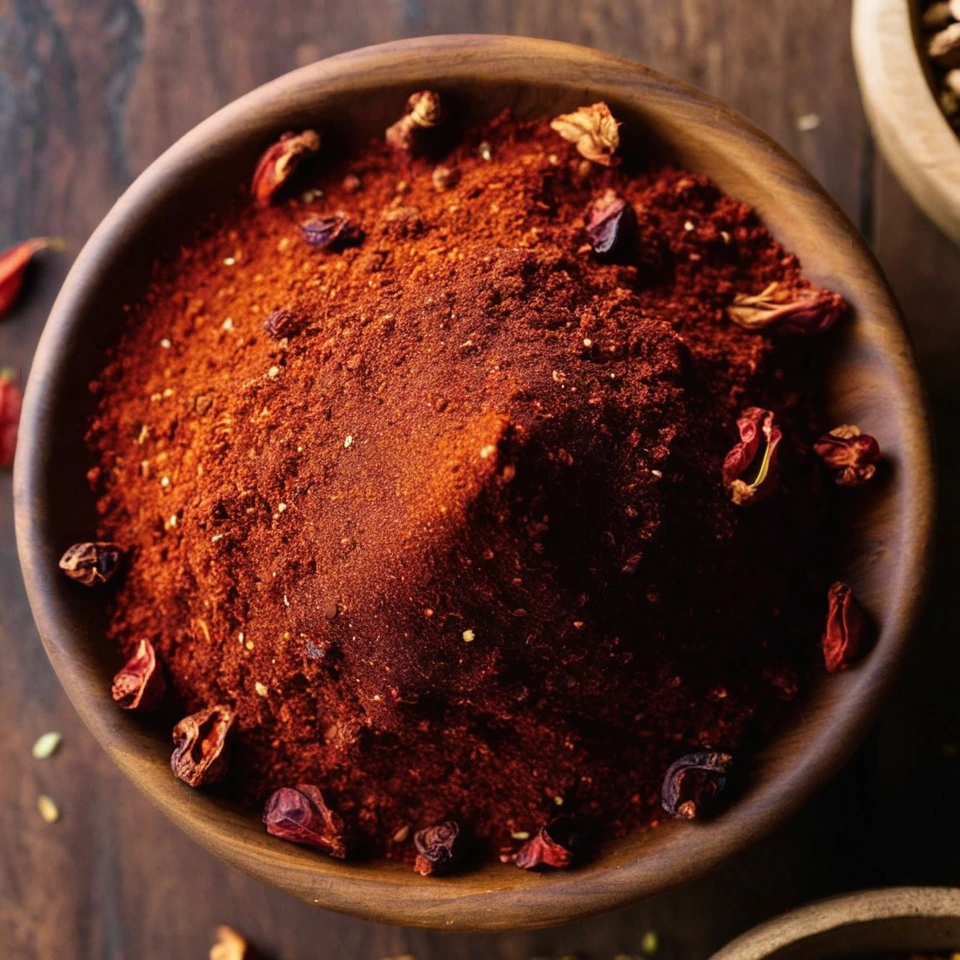
Aleppo Pepper
Aleppo pepper offers a harmonious balance of heat and sweetness, with a subtle fruity aroma reminiscent of sun-dried tomatoes and currants. Originating from the region around Aleppo, Syria, it has a fine, slightly coarse texture that shatters easily between fingers. Its mild yet complex flavor profile makes it a prized seasoning for enhancing dishes without overwhelming them. Valued for its versatility, it bridges the gap between spice and seasoning, bringing a touch of warmth and depth to a variety of cuisines.
Recipes to try
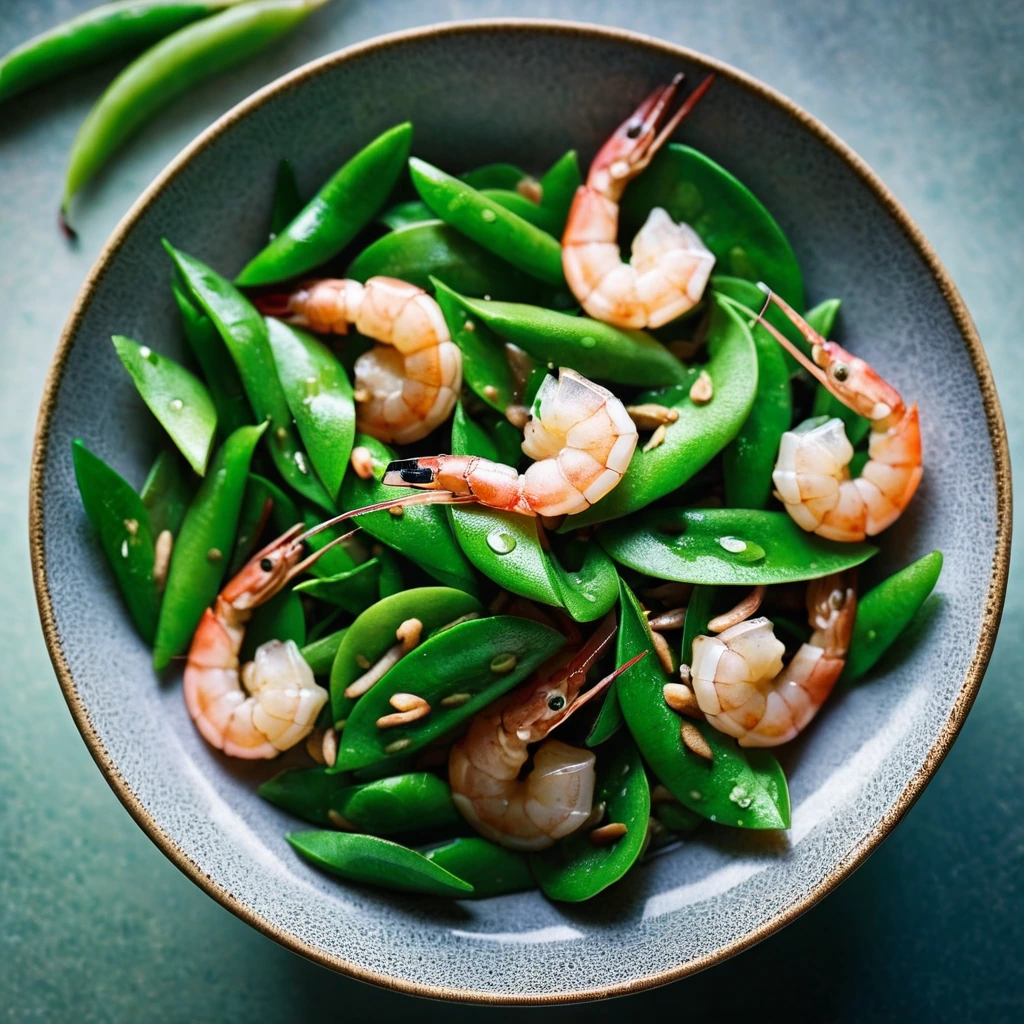
Shrimp and Snow Pea Stir Fry with Ginger
Succulent shrimp and crisp snow peas dance together in a fragrant, ginger-infused stir fry that's quick, zesty, and utterly satisfying.
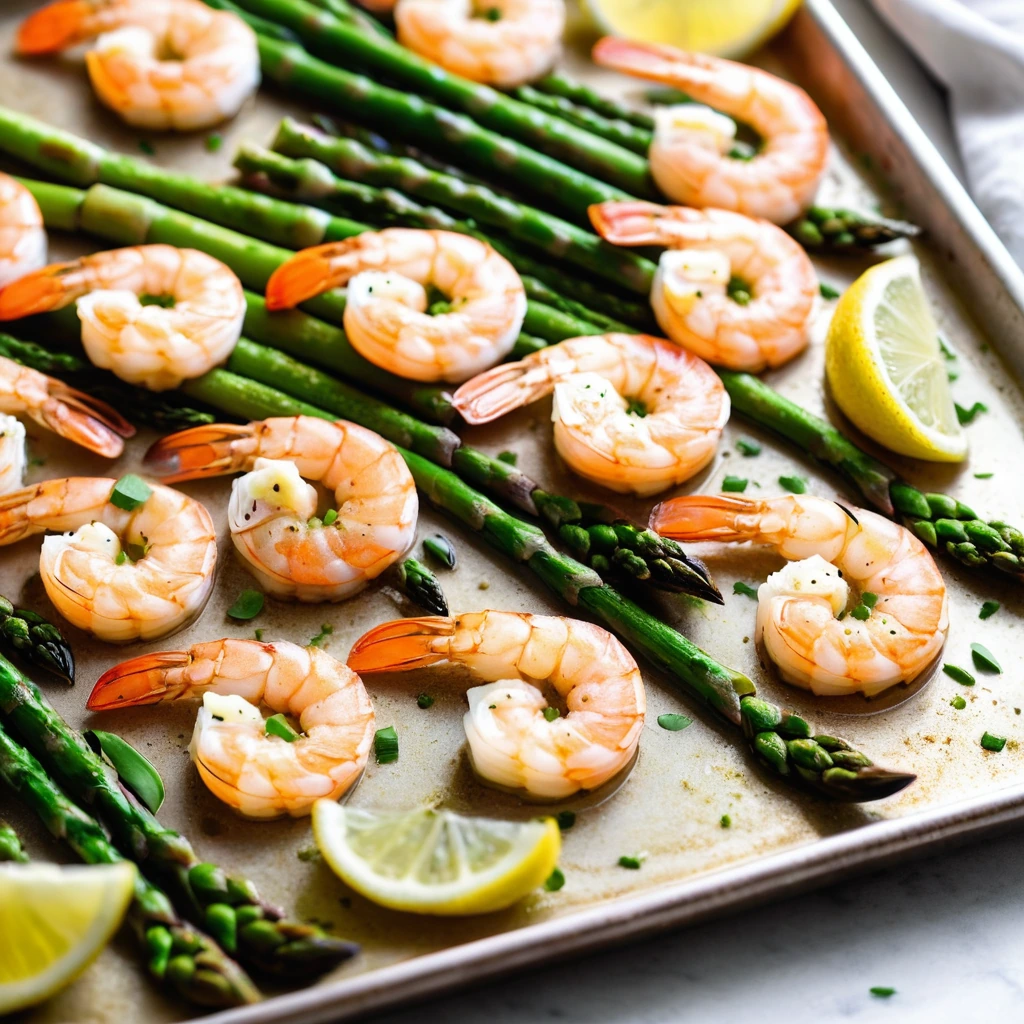
Lemon Garlic Butter Shrimp and Asparagus Sheet Pan
Bright and zesty, this sheet pan dinner is a burst of sunshine with tender shrimp and crisp asparagus in a luscious garlic butter sauce.