Meat & Poultry: Mixing Ground Meats for Better Texture in Burgers
Creating the perfect burger is an art that many home cooks aspire to master. One crucial technique is mastering the mix of ground meats to achieve superior texture. Combining different types of ground meats can enhance flavor profiles and create a juicier, more tender patty. This technique explores how to select, mix, and handle ground meats to optimize texture. Understanding fat content, protein structure, and binding agents is key. Mixing meats like beef, pork, and even poultry can yield a burger that's both flavorful and succulent. The right blend can balance richness and moisture, offering a gourmet experience at home. We'll delve into why certain meats work well together, how to ensure even distribution, and how to avoid common pitfalls like overworking the meat. Whether you're a seasoned griller or a kitchen novice, mastering this technique can elevate your burger game to professional heights.
Notes
The science behind mixing ground meats lies in protein structure and fat distribution. Fat content contributes to moisture and flavor, while proteins create texture. Overworking the meat can lead to dense, tough patties due to protein tightening. To avoid this, mix gently and chill patties before cooking to firm up fats and proteins. A common mistake is not seasoning properly; always season before mixing to ensure even distribution. Safety is key when handling raw meats, so ensure proper refrigeration and cooking temperatures. Patties can be formed and refrigerated for up to 24 hours before cooking, or frozen for longer storage. When ready to cook, allow patties to thaw completely in the refrigerator.
Steps
- 1 Select high-quality ground meats with varying fat contents (e.g., 80/20 beef, pork, turkey).
- 2 Chill the meats in the refrigerator until firm but pliable.
- 3 Divide meats into equal portions based on desired ratios (e.g., 70% beef, 20% pork, 10% turkey).
- 4 Lightly season each portion separately with salt and pepper.
- 5 Gently combine meats in a large bowl using your hands or a spatula.
- 6 Mix just until ingredients are evenly distributed; avoid overworking the meat.
- 7 Form patties, handling gently to maintain texture, about ¾ inch thick.
- 8 Create a slight indentation in the center of each patty to prevent puffing.
- 9 Chill patties for at least 30 minutes before cooking.
- 10 Preheat grill or skillet to medium-high heat (around 375°F to 400°F).
- 11 Cook patties for 3-4 minutes per side for medium doneness, adjusting time for desired level.
- 12 Avoid pressing down on patties with a spatula to preserve juices.
- 13 Let patties rest for 5 minutes after cooking before serving.
- 14 Serve immediately with your favorite toppings.
Ingredients to explore
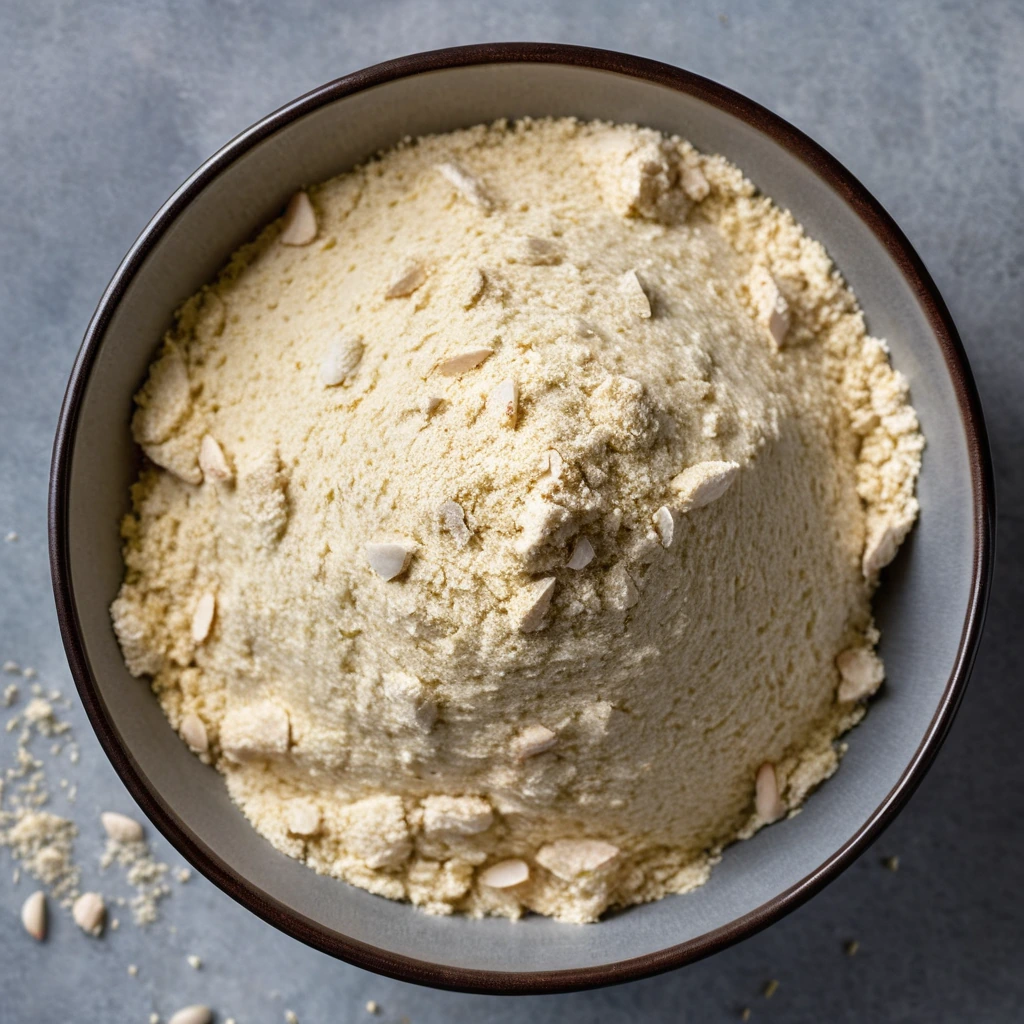
Almond Flour
A finely ground flour made from blanched almonds, offering a delicate nutty aroma and a tender crumb to your baked goods.
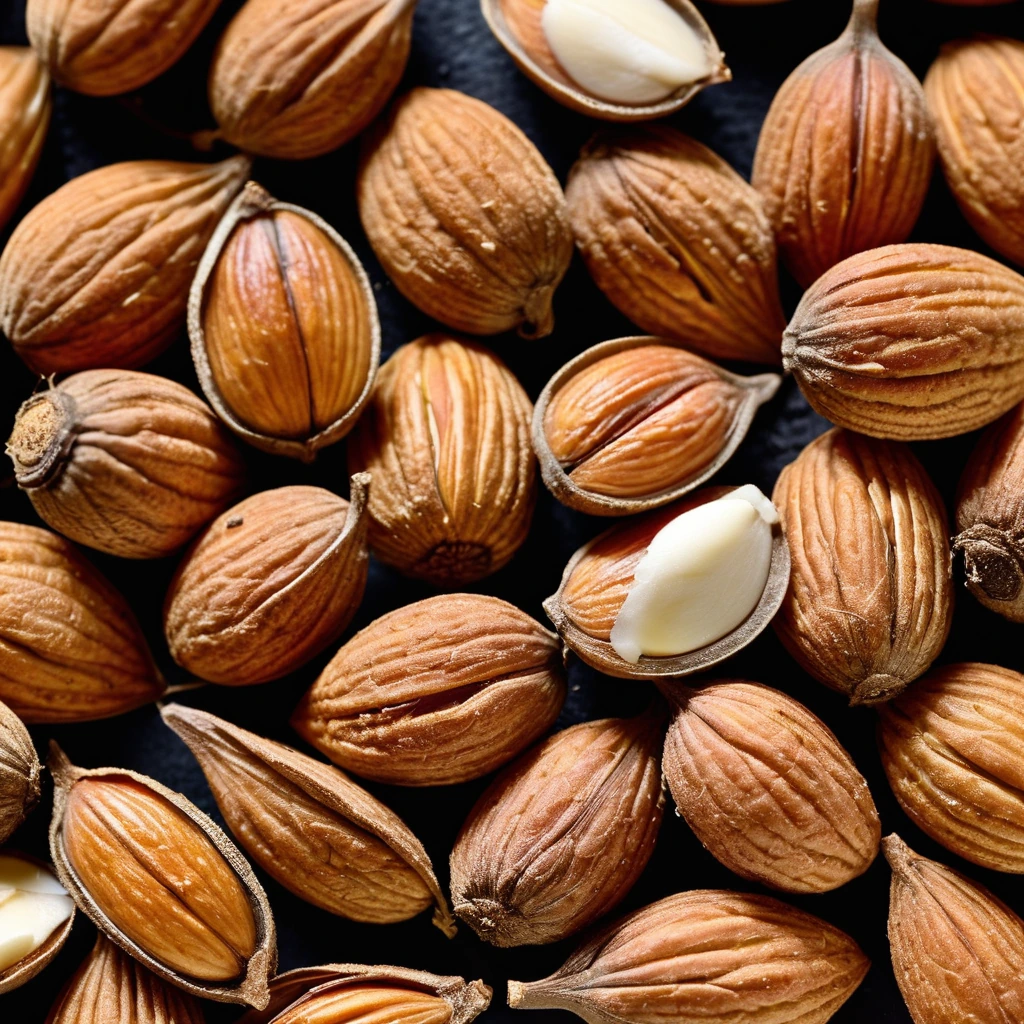
Almond Extract
A fragrant, golden elixir that captures the essence of freshly ground almonds, almond extract is a pantry staple that brings a rich, nutty aroma to your culinary creations.