Meat & Poultry: Finishing Braises with Vinegar and Fresh Herbs
Braising is a classic cooking technique that transforms tough cuts of meat into tender, flavorful dishes. But did you know that finishing your braise with vinegar and fresh herbs can elevate the dish to new heights? This method not only brightens the flavors but also adds a refreshing contrast to the richness of the braised meat or poultry. The acidity in vinegar cuts through the fattiness, enhancing the overall taste profile, while fresh herbs bring a burst of aroma and color. In this guide, we'll delve into why this technique works wonders, how to execute it flawlessly, and tips to ensure your braised dishes are a hit every time.
Notes
The science behind finishing braises with vinegar and fresh herbs is simple yet effective. The acetic acid in vinegar helps break down proteins further, tenderizing the meat while balancing its richness. Fresh herbs contribute volatile oils that dissipate quickly when heated, so adding them at the end preserves their vibrant flavor. Troubleshooting common mistakes includes ensuring the vinegar doesn't overpower the dish—start with less and adjust to taste. Safety is generally not a concern here, but always use clean utensils to avoid contamination. For storage, keep braised dishes in an airtight container in the refrigerator for up to three days, though fresh herbs are best added just before serving for maximum impact.
Steps
- 1 Remove the meat or poultry from the braising pot and keep warm.
- 2 Increase the heat to high and bring the braising liquid to a boil.
- 3 Skim off any impurities or fat from the surface of the liquid.
- 4 Add 2 to 3 tablespoons of your preferred vinegar, such as red wine or sherry vinegar.
- 5 Allow the mixture to reduce slightly for 2 to 3 minutes.
- 6 Stir in a handful of finely chopped fresh herbs like parsley, thyme, or tarragon.
- 7 Taste and adjust seasoning with salt and pepper if necessary.
- 8 Pour the enhanced braising liquid over the meat or poultry before serving.
- 9 Garnish with additional fresh herbs for a pop of color and freshness.
Ingredients to explore
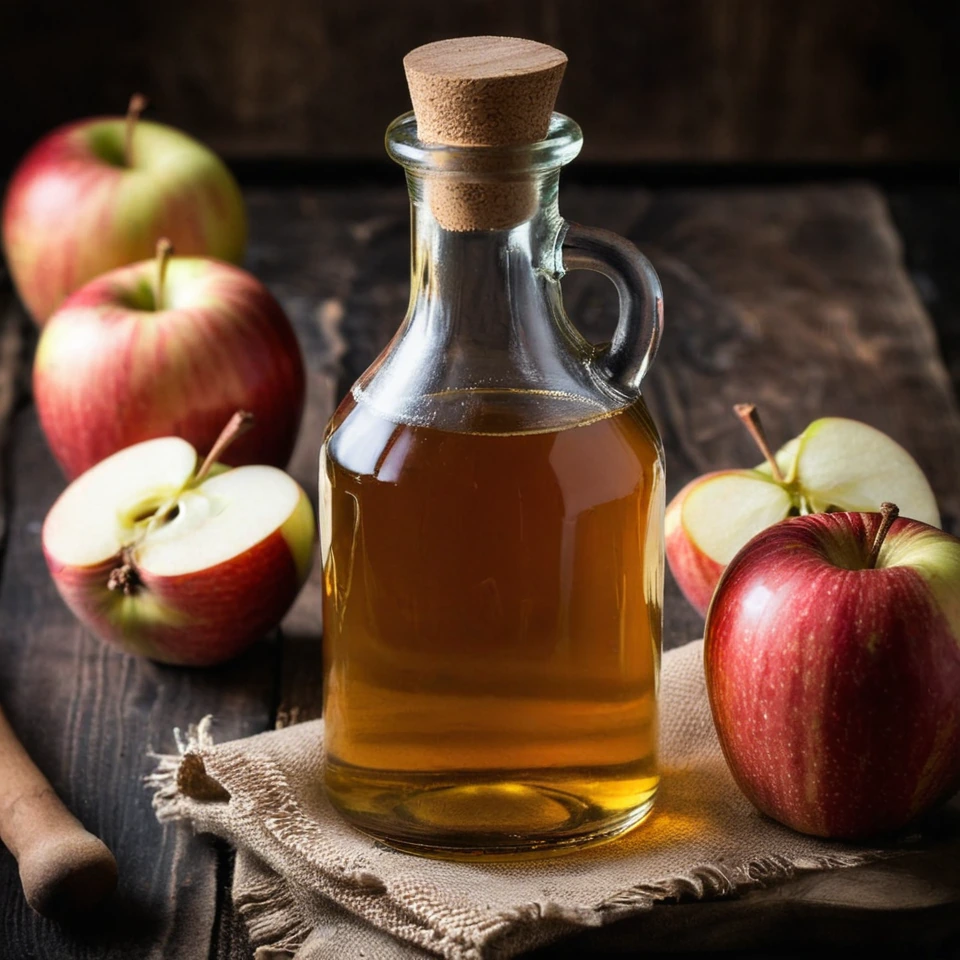
Apple Cider Vinegar
Apple cider vinegar is a type of vinegar made through the fermentation of apple cider, resulting in a tangy, slightly sweet liquid with a pale to medium amber color.
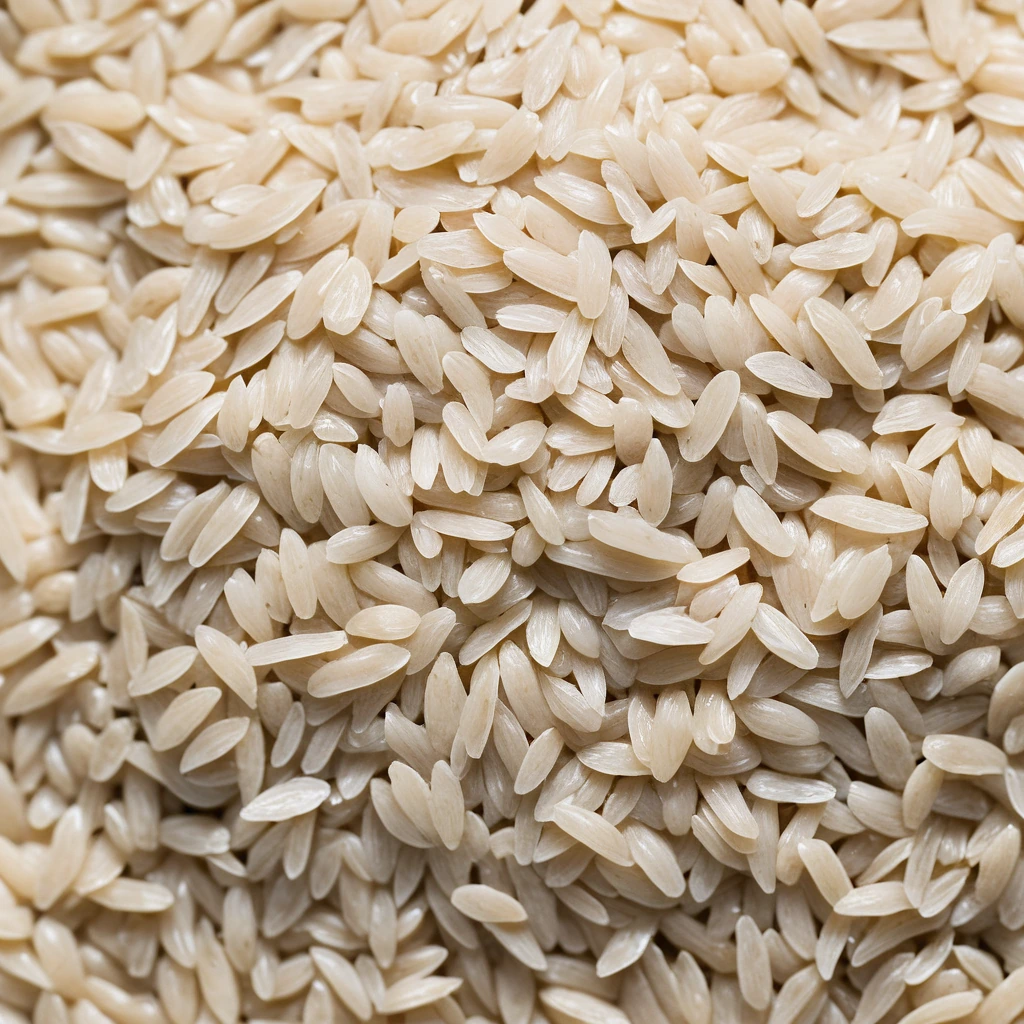
Arborio Rice
Arborio rice is a short-grain Italian rice variety renowned for its use in risotto. Originating from the Po Valley in Northern Italy, it is a staple in Italian cuisine. Its flavor is mild and nutty, with a pleasant creamy texture when cooked due to its high amylopectin content, which releases starch and creates a velvety consistency. The grains remain plump and firm to the bite, offering a satisfying chewiness. In cooking, Arborio rice excels at absorbing flavors from broths and seasonings while maintaining its shape, making it ideal for dishes that require both creaminess and structure.
Recipes to try
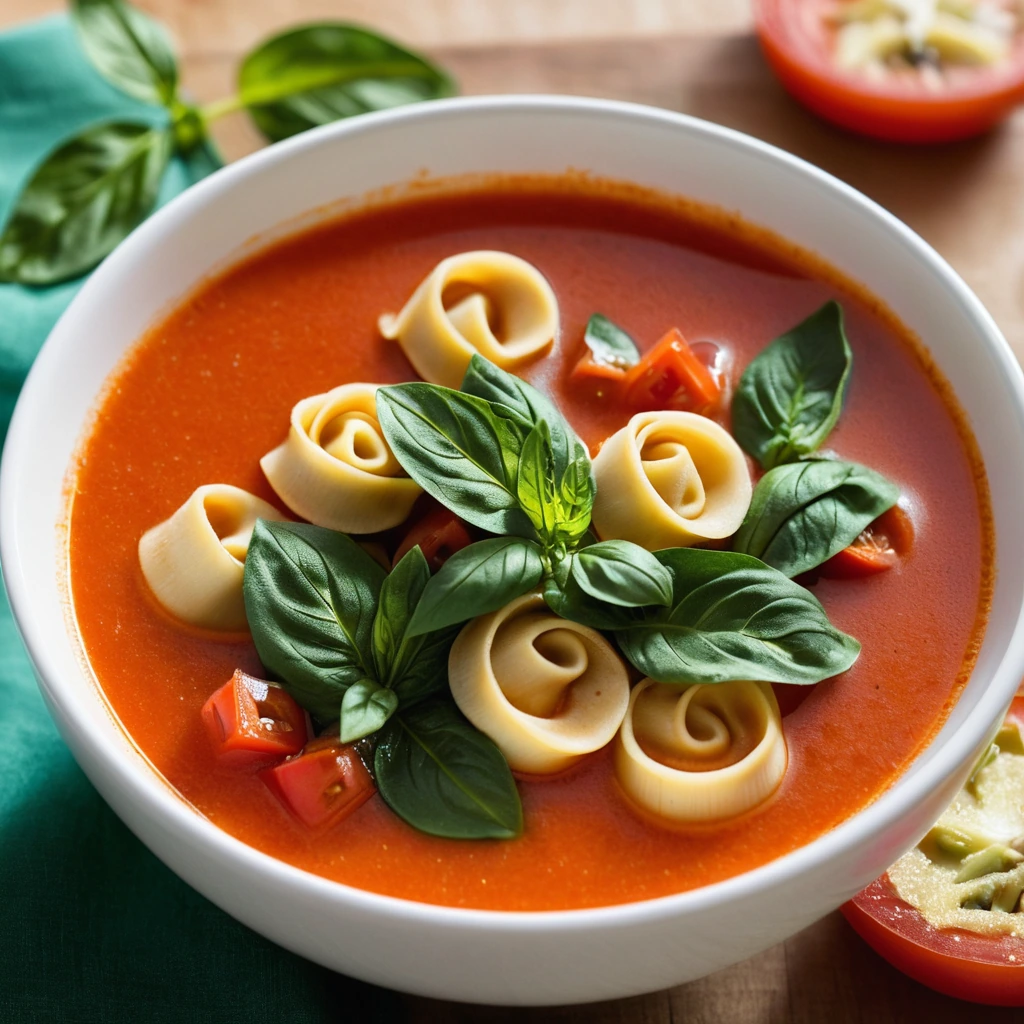
Tomato Tortellini Soup with Spinach
Warm up with this hearty, vibrant soup that's brimming with juicy tomatoes, tender tortellini, and a lush swirl of spinach.

Sweet Potato and Black Bean Loaded Nachos
Crispy tortilla chips piled high with roasted sweet potatoes, black beans, and melty cheese, all topped with fresh cilantro and a zesty lime kick.