Meat: Managing Carryover Cooking Temperatures
Carryover cooking is a critical yet often misunderstood aspect of meat preparation. It refers to the phenomenon where the internal temperature of meat continues to rise after it's removed from the heat source. This occurs due to residual heat within the meat redistributing itself, leading to a further increase in temperature. Understanding and managing carryover cooking is essential for achieving perfectly cooked meats every time. Whether you're roasting a beef tenderloin, grilling a steak, or baking a turkey, knowing how to account for carryover cooking can prevent overcooking and ensure a juicy, flavorful result. The extent of carryover cooking varies depending on the thickness and type of meat, but typically ranges from 5°F to 15°F. In this guide, we'll explore the science behind carryover cooking and how to harness it to your advantage. By mastering this technique, you can confidently cook meats to their ideal doneness without the risk of ending up with a dry, overcooked disaster.
Notes
The science behind carryover cooking lies in the residual heat within the meat fibers. When meat is heated, proteins contract and squeeze out moisture, creating a convection current that continues even after the heat source is removed. This is why resting meat is crucial; it allows the temperature to even out and the juices to redistribute throughout the cut. A common mistake is not accounting for this temperature rise, leading to overcooked meat. To avoid this, always aim for an internal temperature slightly below your target before resting. As for safety, ensure your final internal temperature meets USDA guidelines for safe consumption. For make-ahead meals, cook the meat to the correct resting temperature, then refrigerate promptly. Reheat to 165°F before serving.
Steps
- 1 Preheat your oven or prepare your grill to the desired cooking temperature.
- 2 Season the meat generously with salt, pepper, and any other desired seasonings.
- 3 Place the meat in the preheated oven or on the grill and cook until it reaches about 5°F to 10°F below your target internal temperature.
- 4 Remove the meat from the heat source immediately.
- 5 Transfer the meat to a cutting board or serving platter.
- 6 Loosely tent the meat with aluminum foil to retain heat and moisture.
- 7 Allow the meat to rest for 10 to 20 minutes, depending on its size and thickness.
- 8 Insert a meat thermometer into the thickest part of the meat to check the final internal temperature after resting.
- 9 Slice the meat against the grain for the most tender results.
- 10 Serve immediately and enjoy your perfectly cooked meat.
Ingredients to explore
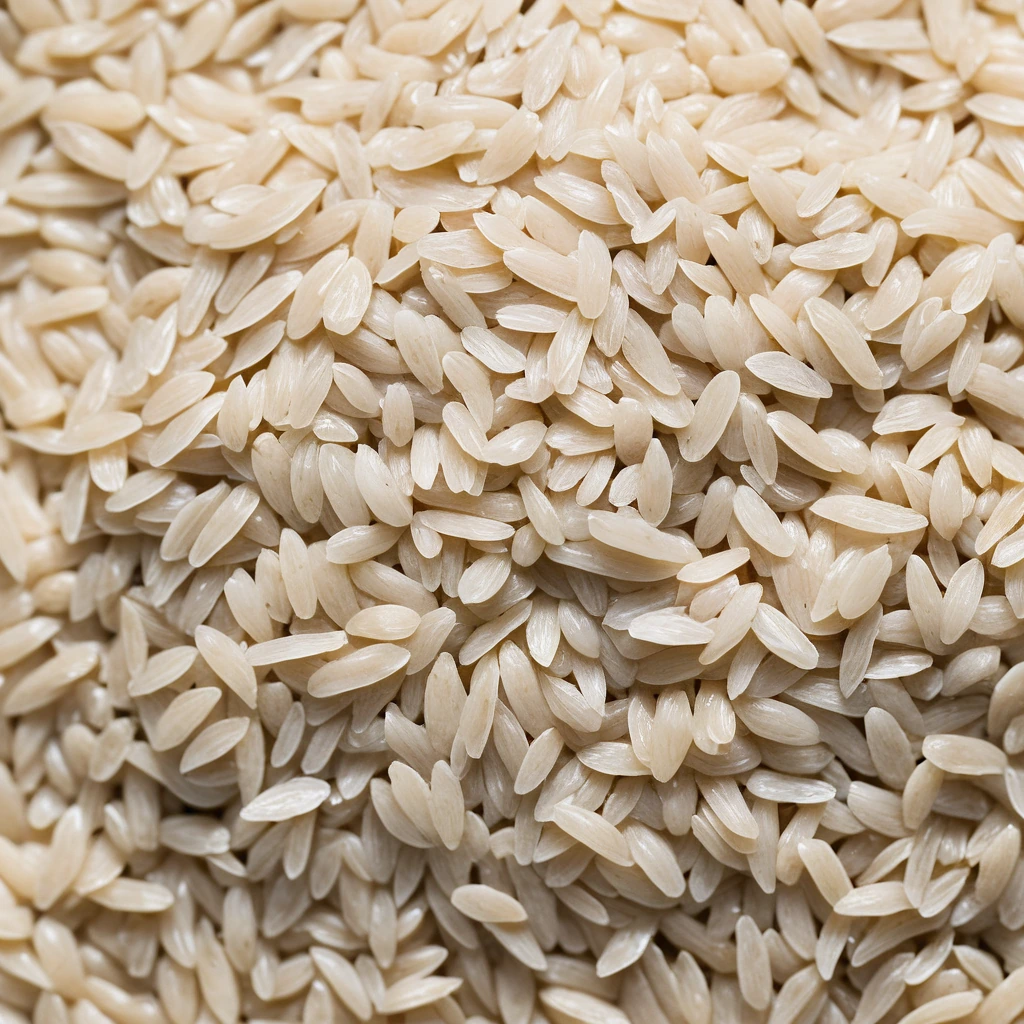
Arborio Rice
Arborio rice is a short-grain Italian rice variety renowned for its use in risotto. Originating from the Po Valley in Northern Italy, it is a staple in Italian cuisine. Its flavor is mild and nutty, with a pleasant creamy texture when cooked due to its high amylopectin content, which releases starch and creates a velvety consistency. The grains remain plump and firm to the bite, offering a satisfying chewiness. In cooking, Arborio rice excels at absorbing flavors from broths and seasonings while maintaining its shape, making it ideal for dishes that require both creaminess and structure.
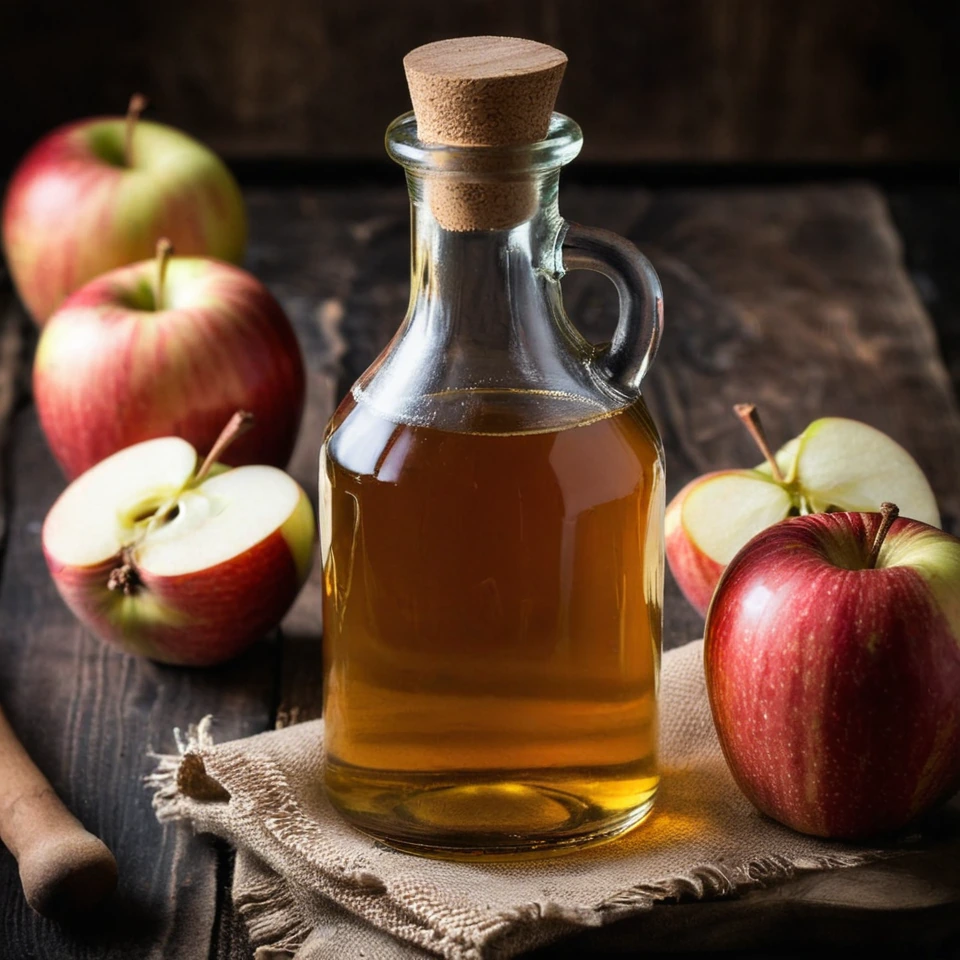
Apple Cider Vinegar
Apple cider vinegar is a type of vinegar made through the fermentation of apple cider, resulting in a tangy, slightly sweet liquid with a pale to medium amber color.
Recipes to try

Savory Breakfast Bowls with Quinoa and Eggs
A hearty bowl brimming with fluffy quinoa, perfectly poached eggs, and a sprinkle of fresh herbs for a zesty morning start.
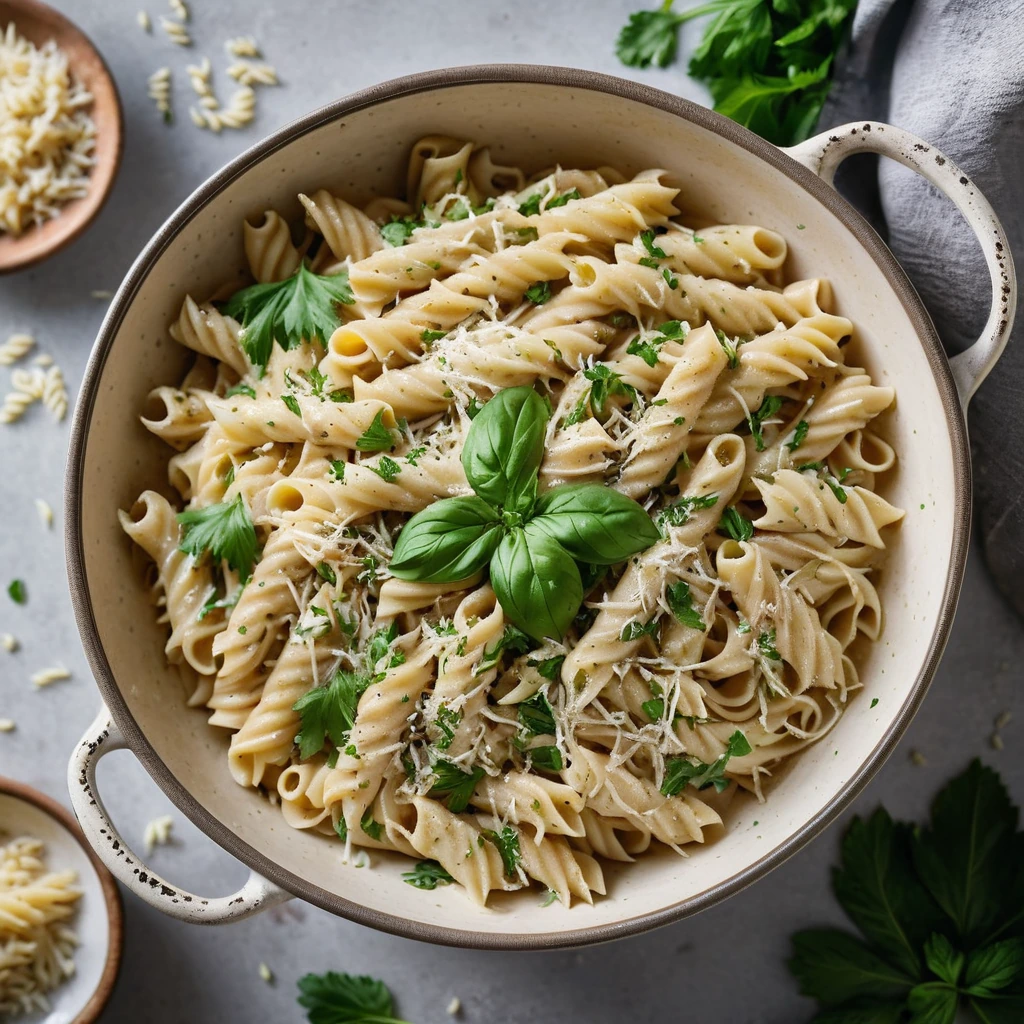
One-Pot Creamy Garlic Parmesan Chicken Pasta
Tender chicken and al dente pasta swim in a luscious, garlicky Parmesan sauce—all in one pot for a fuss-free family feast.