Meat: Low and Slow Ribs in the Oven
Achieving fall-off-the-bone tenderness with meaty, smoky flavor in your ribs doesn't require a smoker or grill. The low and slow oven method is a game-changer for home cooks, delivering succulent ribs with minimal fuss. This technique relies on a gentle, prolonged cooking process that breaks down tough connective tissues into gelatin, resulting in melt-in-your-mouth goodness. The key is patience and precision, allowing the oven's dry heat to work its magic over several hours. We'll guide you through selecting the right cut, prepping your ribs for maximum flavor, and understanding how temperature and time interplay to create a perfect rack of ribs. Whether you're planning a family dinner or preparing for game day, this method ensures ribs that are rich in flavor and texture. Let's dive into the art of oven-braised ribs.
Notes
The science behind low and slow cooking is all about collagen conversion. At low temperatures, collagen in the meat slowly converts to gelatin, leading to tender ribs. Avoid the temptation to open the oven frequently; consistent temperature is key. Common mistakes include under-seasoning or rushing the cooking time. Safety is paramount; ensure ribs reach an internal temperature of 145°F for medium doneness. For make-ahead, let ribs cool, wrap tightly, and refrigerate for up to 3 days. Reheat in a 275°F oven until warmed through.
Steps
- 1 Preheat oven to 275°F.
- 2 Pat ribs dry with paper towels.
- 3 Season ribs generously with a rub of your choice.
- 4 Wrap ribs tightly in aluminum foil, creating a sealed packet.
- 5 Place the wrapped ribs on a wire rack set over a baking sheet.
- 6 Cook in the oven for 3 hours.
- 7 Unwrap ribs and brush with your favorite barbecue sauce.
- 8 Return ribs to the oven, uncovered, for an additional 30 minutes.
- 9 Check for doneness by twisting a rib bone; it should move easily.
- 10 Rest ribs for 10 minutes before serving.
- 11 Slice between the bones or serve the whole rack.
- 12 Garnish with fresh herbs or a sprinkle of green onions if desired.
Ingredients to explore
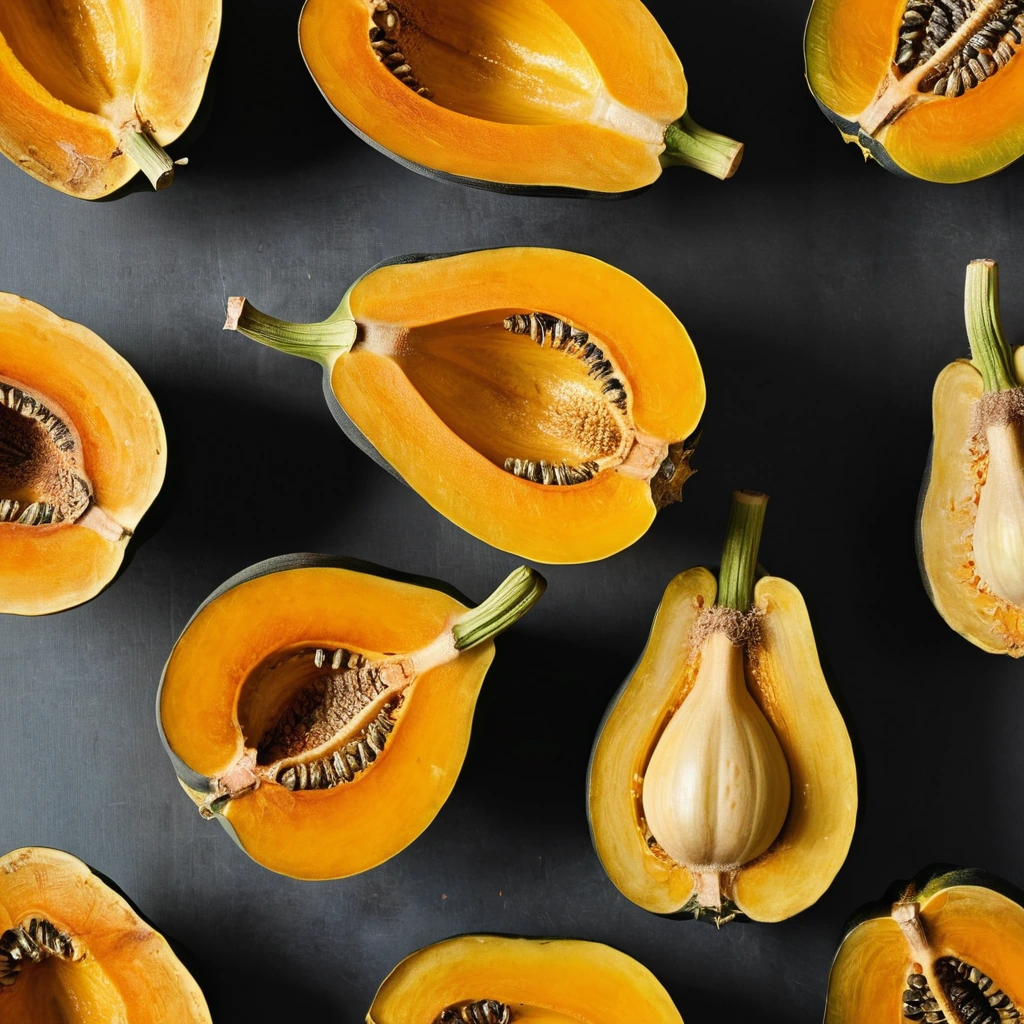
Acorn Squash
Acorn squash is a winter squash variety known for its distinctive teardrop shape and deep ridges resembling the texture of an acorn shell. Originating in the Americas, it has been cultivated for centuries and is a staple in autumn cuisine. The flesh is sweet and nutty with a hint of earthiness, offering a delightful contrast to savory dishes. Its texture is dense yet tender when cooked, making it ideal for roasting or pureeing. In cooking, acorn squash holds its shape well and absorbs flavors from herbs and spices, enhancing both its taste and versatility in recipes.
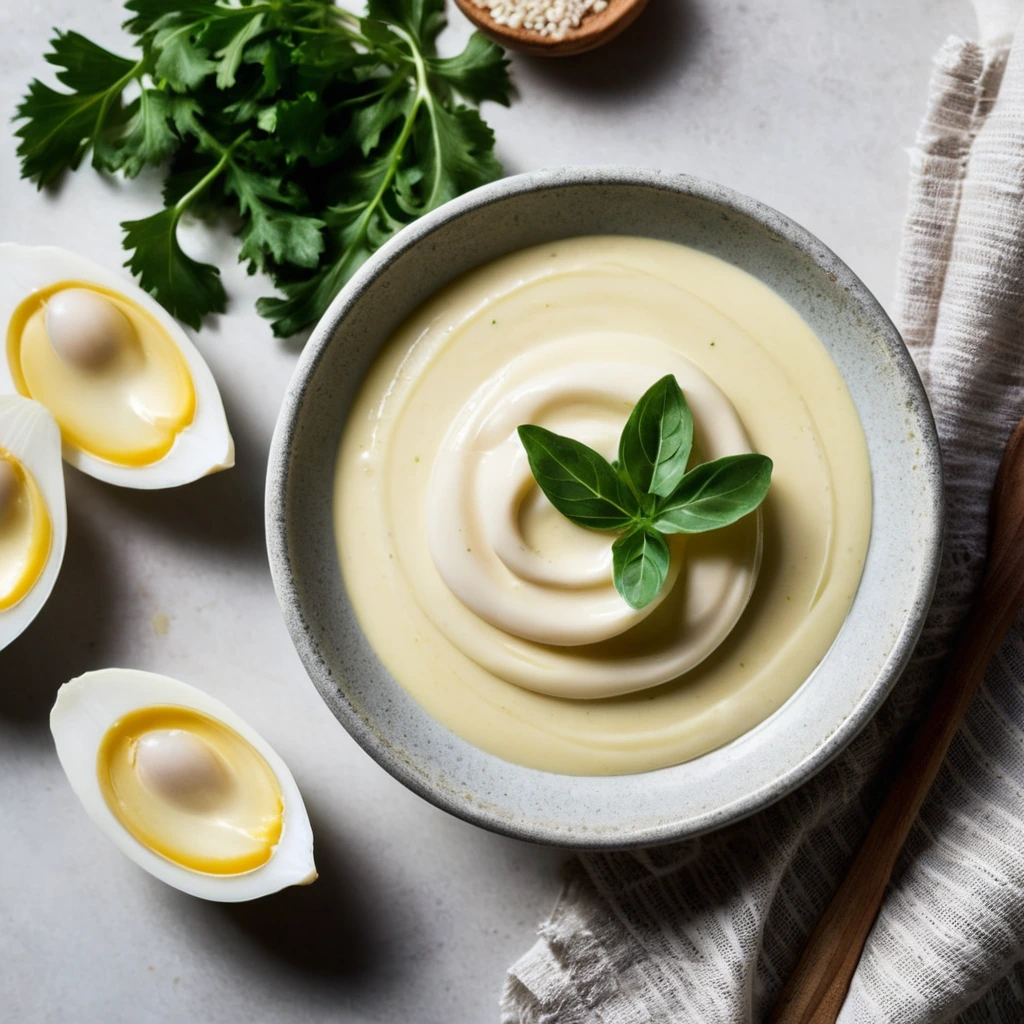
Aioli
A luscious, velvety emulsion of garlic and olive oil, aioli is a rich and aromatic sauce that dances on the palate with its creamy texture and bold, pungent flavor.
Recipes to try
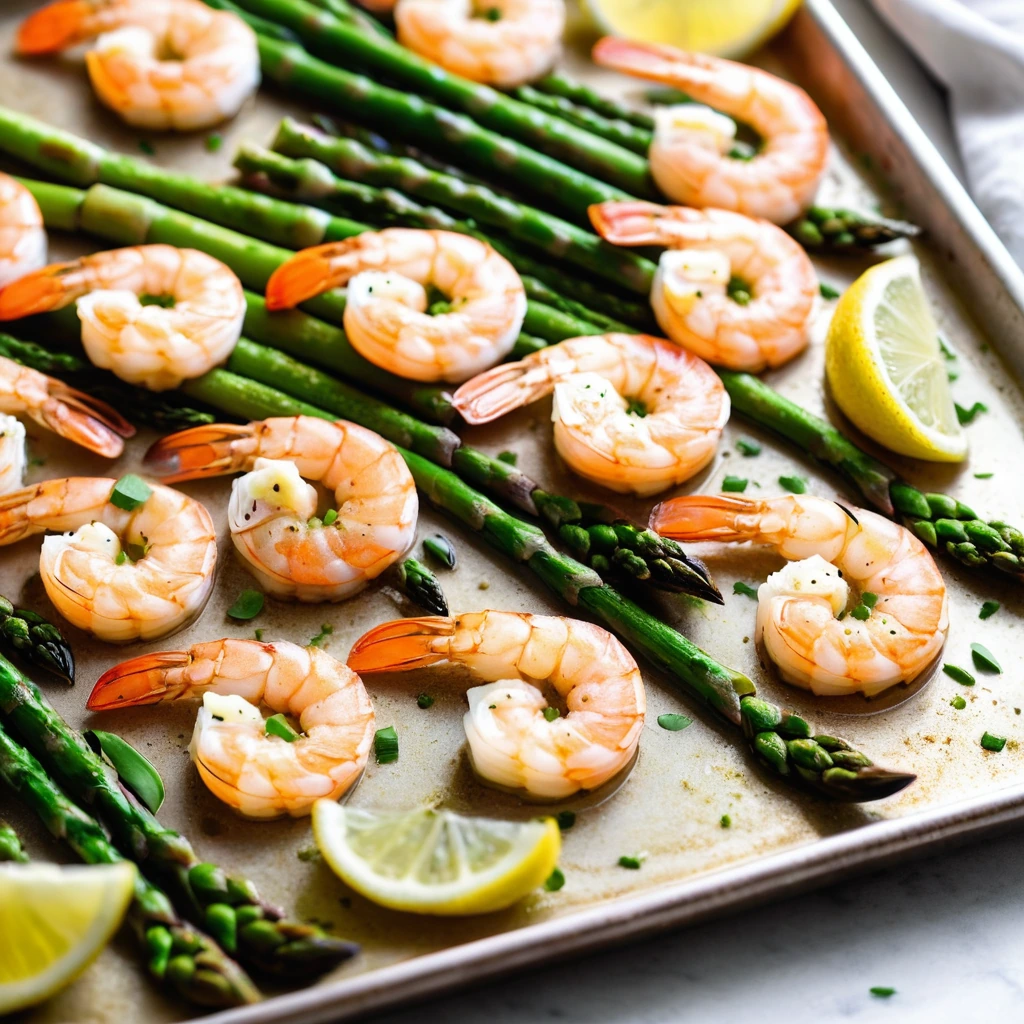
Lemon Garlic Butter Shrimp and Asparagus Sheet Pan
Bright and zesty, this sheet pan dinner is a burst of sunshine with tender shrimp and crisp asparagus in a luscious garlic butter sauce.
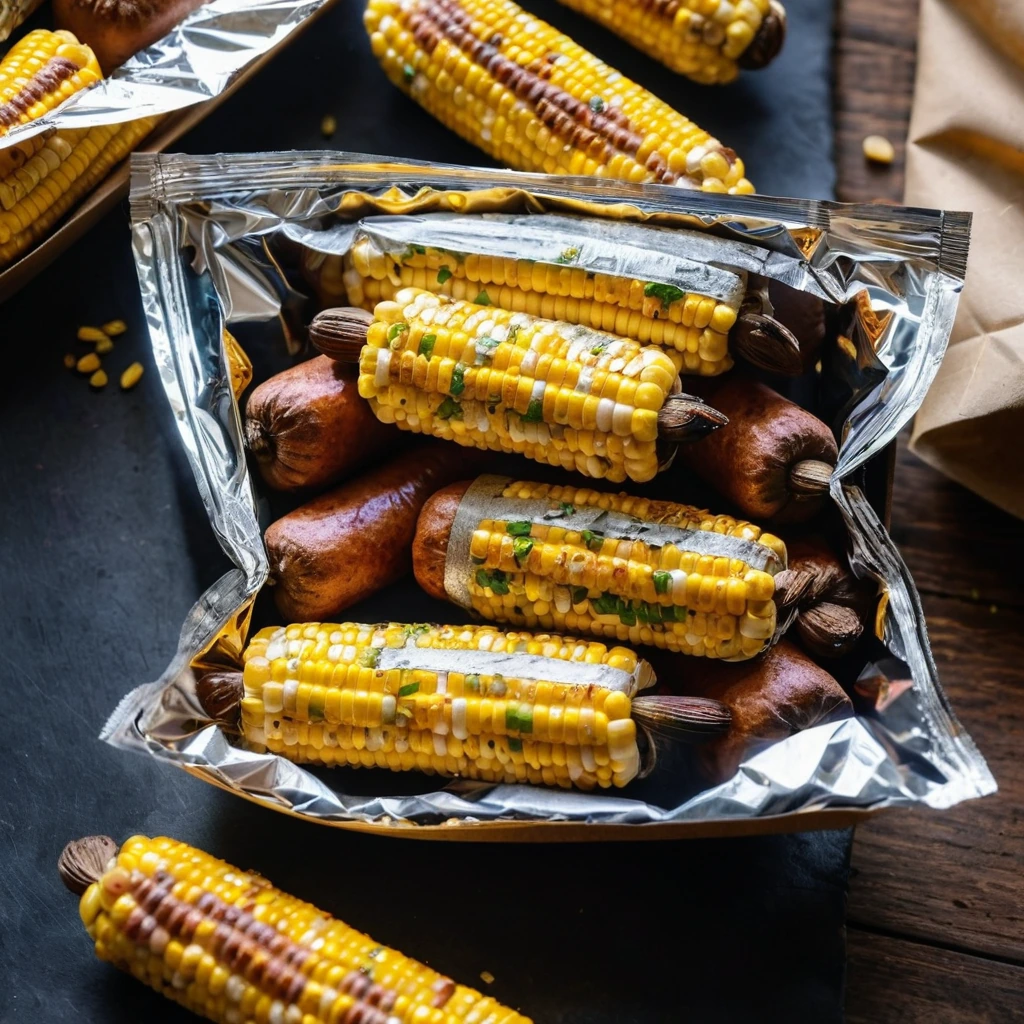
Smoky Sausage, Corn, and Potato Foil Packets
Imagine the smoky aroma of grilled sausage mingling with sweet corn and tender potatoes, all wrapped up in a neat foil packet.