Legumes: Cooking Chickpeas from Dry for Hummus
Cooking chickpeas from dry is a rewarding technique that ensures your hummus is creamy and flavorful. Starting with dried chickpeas allows for better control over the texture and taste, as opposed to canned varieties. The key to perfect hummus lies in properly hydrating and cooking the chickpeas until they are tender yet hold their shape. This process begins with sorting and soaking, which kickstarts the hydration process and removes any impurities. Soaking also aids in digestibility by breaking down complex sugars. After soaking, the chickpeas are simmered gently to allow for even cooking. Skimming the foam that rises to the surface helps maintain clarity and flavor. Cooking times can vary based on the age of the chickpeas, so patience is crucial. Once cooked, the chickpeas are drained and reserved for blending into a silky hummus. This method guarantees a fresher, more vibrant flavor profile and a texture that blends beautifully into the smoothest hummus imaginable.
Notes
This technique works because slow simmering allows the chickpeas to cook evenly, preserving their integrity. Adding baking soda can help break down the skins faster, but use sparingly to avoid altering taste. A common mistake is overcooking, which can lead to a mushy texture, so check frequently towards the end of cooking. For storage, let the chickpeas cool completely before refrigerating in an airtight container for up to five days. To make ahead, cook the chickpeas and store separately from your hummus base to maintain freshness. Always ensure your cooking setup is safe and clean to avoid contamination.
Steps
- 1 Sort through 2 cups of dried chickpeas, removing any debris or discolored beans.
- 2 Rinse the chickpeas thoroughly under cold water.
- 3 Place the chickpeas in a large bowl and cover with at least 2 inches of water.
- 4 Soak the chickpeas for 12 to 24 hours at room temperature or overnight in the refrigerator.
- 5 Drain and rinse the chickpeas after soaking.
- 6 Transfer the chickpeas to a large pot and cover with fresh water by 2 to 3 inches.
- 7 Bring the water to a boil, then reduce the heat to a gentle simmer.
- 8 Skim off any foam that rises to the surface during the first few minutes of simmering.
- 9 Simmer uncovered for 1 to 1.5 hours, or until chickpeas are tender but not falling apart.
- 10 Add 1 teaspoon of baking soda to the simmering water if chickpeas are particularly tough (optional).
- 11 Test a chickpea for doneness by gently squishing it between your fingers.
- 12 Drain the cooked chickpeas and let them cool slightly before using.
- 13 Reserve the cooking liquid (aquafaba) for making hummus.
- 14 Proceed with your hummus recipe, blending the chickpeas to desired consistency.
Ingredients to explore
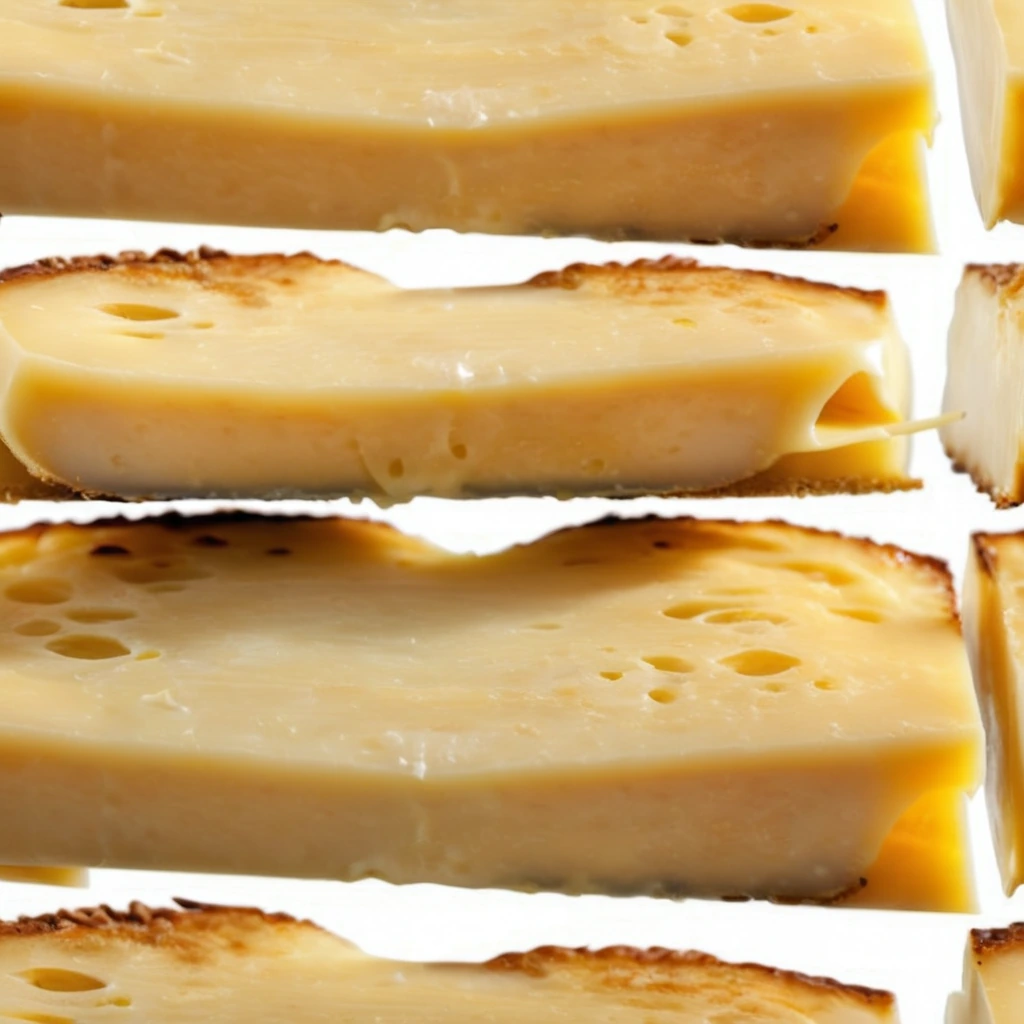
American Cheese Slices
Those iconic, perfectly pliable slices of creamy, mild American cheese. Each slice boasts a smooth, melt-in-your-mouth texture that brings comfort to any dish.
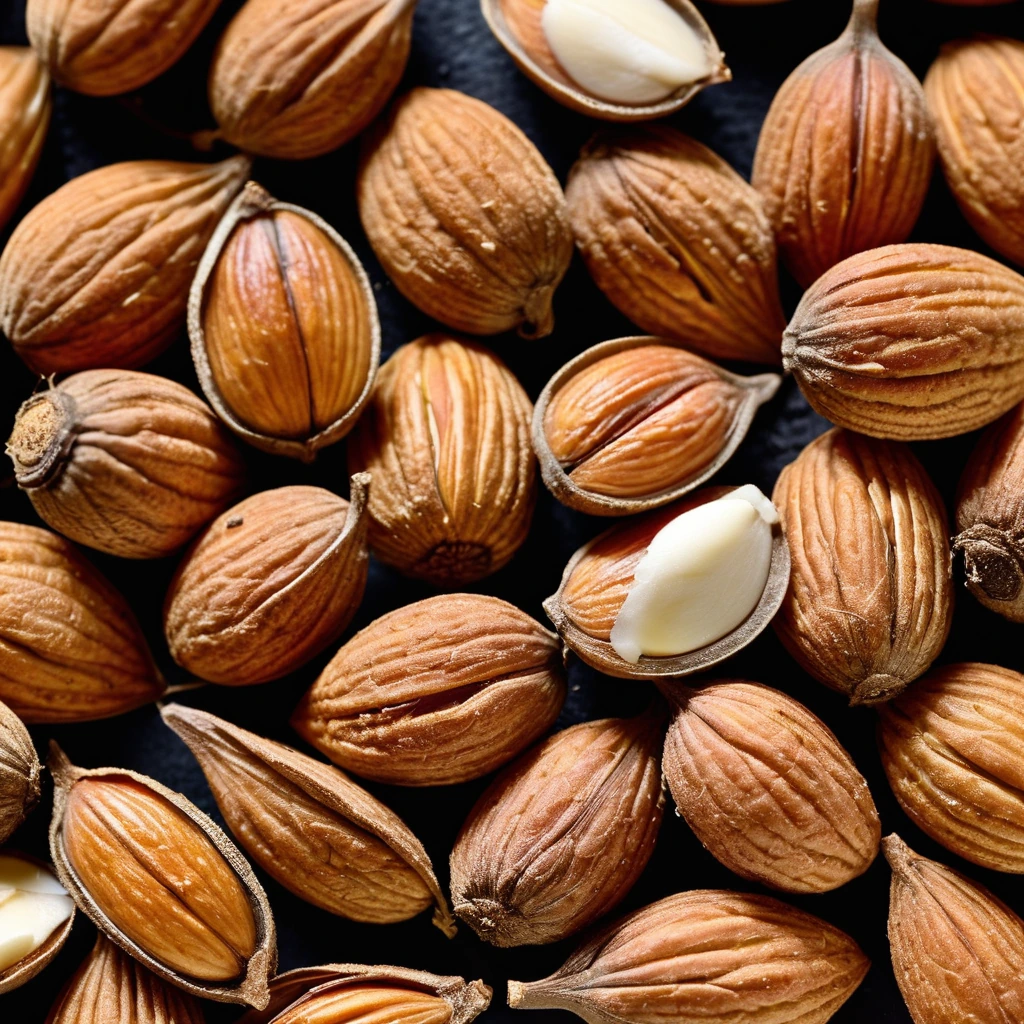
Almond Extract
A fragrant, golden elixir that captures the essence of freshly ground almonds, almond extract is a pantry staple that brings a rich, nutty aroma to your culinary creations.
Recipes to try
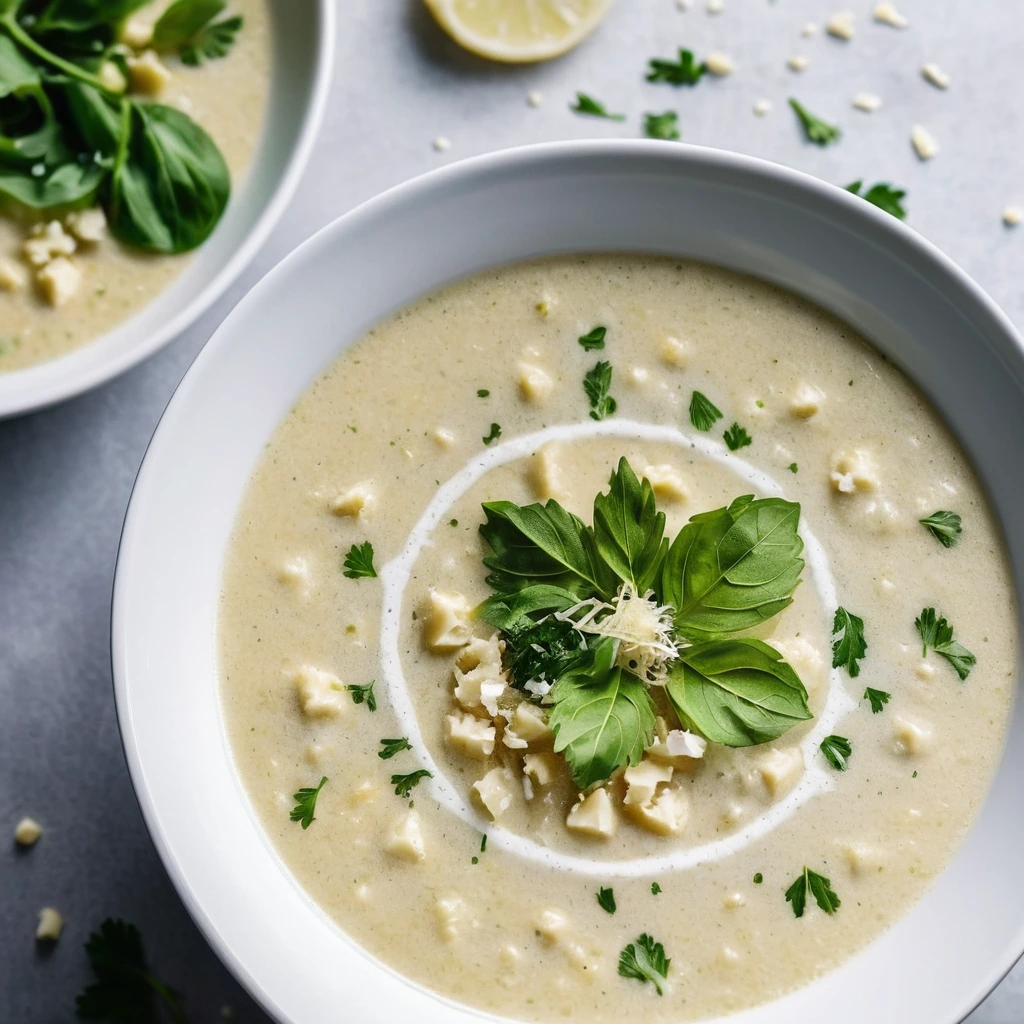
Roasted Cauliflower and Garlic Soup with Parmesan
This velvety soup is a symphony of roasted cauliflower and garlic, kissed with nutty Parmesan for a cozy, crave-worthy bowl.
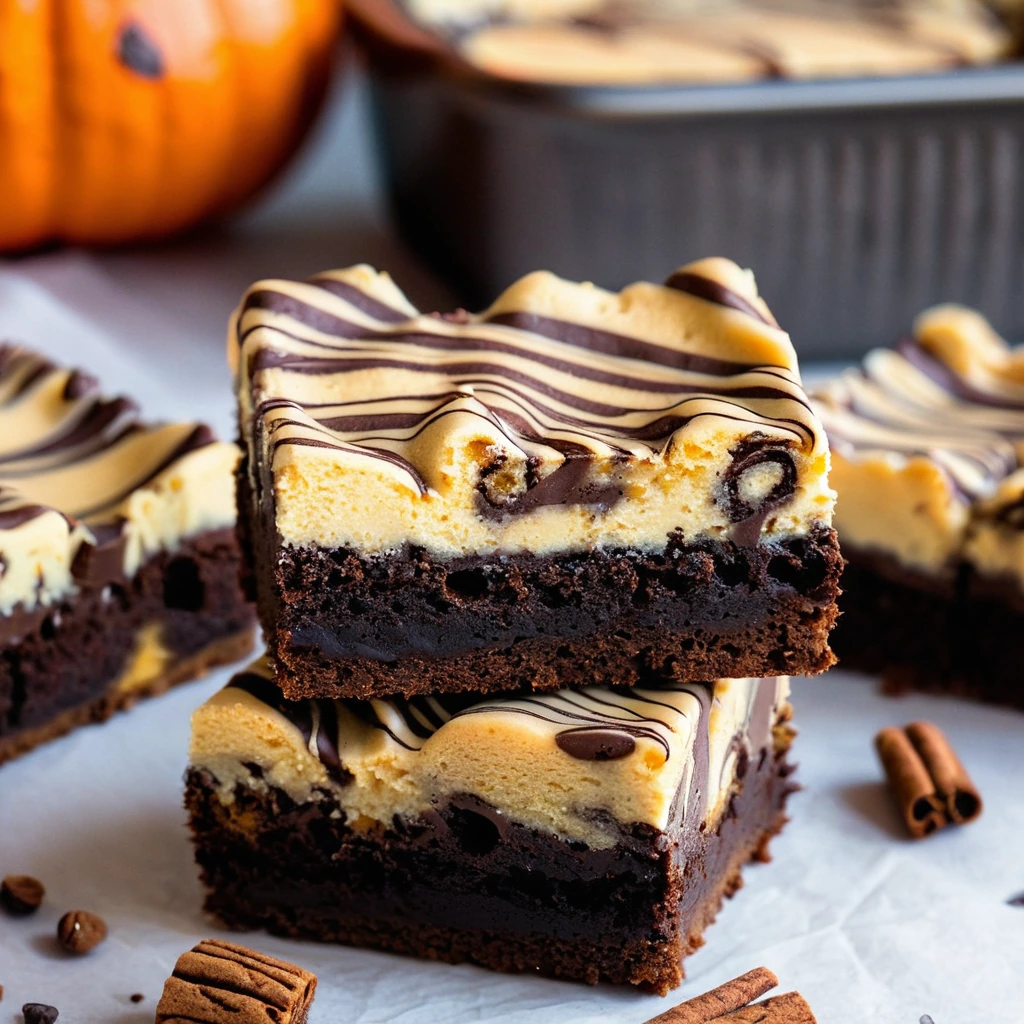
Pumpkin Spice Cheesecake Swirl Brownies
Indulge in the cozy combo of fudgy brownies with a creamy pumpkin cheesecake swirl - autumn's dream dessert come to life.