Legumes & Beans: Turning Cooked Beans into Smooth Dips
Creating a smooth, creamy dip from cooked beans is an art that can elevate your appetizer game. The key is understanding how to manipulate the texture and flavor of beans to achieve a velvety consistency that rivals any dairy-based dip. Whether you're making hummus, white bean dip, or black bean spread, the process is surprisingly straightforward once you know the tricks. First, start with fully cooked beans. Canned beans work perfectly fine, but if you've cooked your own, ensure they are tender. Next, consider the role of liquid. The cooking liquid, often called aquafaba, is a secret weapon for achieving the right texture. It contains starches that help bind the dip. If you don't have bean liquid, you can use water, vegetable broth, or even lemon juice for added tang. Blending is where the magic happens. A high-speed blender or food processor is ideal, but even an immersion blender can do the job. Begin by adding a portion of your chosen liquid to the beans and blend until smooth. Gradually add more liquid until you reach your desired consistency. Seasonings are crucial for depth of flavor. Garlic, lemon juice, tahini, olive oil, and spices like cumin or paprika can transform plain beans into a dip that's bursting with flavor. Taste as you go, adjusting seasoning to suit your palate. Texture can be further enhanced with aeration. Blending in a bit of air by pulsing the mixture can create a lighter dip. Additionally, chilling the dip before serving allows the flavors to meld and the texture to set. Finally, presentation is key. A drizzle of olive oil, a sprinkle of paprika, or a garnish of fresh herbs can make your dip look as good as it tastes. With these techniques, you can turn humble beans into a crowd-pleasing dip that's healthy, delicious, and incredibly versatile.
Notes
The science behind a smooth bean dip lies in breaking down the bean cells to release their natural starches, which act as a thickener. Using a high-powered blender ensures these cells are thoroughly disrupted. A common mistake is adding too much liquid at once, which can lead to a watery dip. It's better to add it gradually. For safety, always use freshly opened cans of beans to avoid the risk of botulism. To make ahead, store the dip in an airtight container in the refrigerator for up to 5 days. Before reheating, give it a good stir as the texture may thicken upon resting.
Steps
- 1 Drain and rinse the cooked beans, reserving 1/4 cup of the cooking liquid.
- 2 Add the beans to a food processor or blender.
- 3 Pour in 2-3 tablespoons of reserved cooking liquid or substitute.
- 4 Process until smooth, scraping down the sides as needed.
- 5 Add more liquid, a tablespoon at a time, until desired consistency is reached.
- 6 Incorporate seasonings like garlic, lemon juice, tahini, and olive oil.
- 7 Pulse the mixture a few times to incorporate air for a lighter texture.
- 8 Taste and adjust seasoning with salt and spices like cumin or paprika.
- 9 Transfer the dip to a bowl and chill for at least 30 minutes before serving.
- 10 Before serving, garnish with a drizzle of olive oil and a sprinkle of herbs or spices.
Ingredients to explore
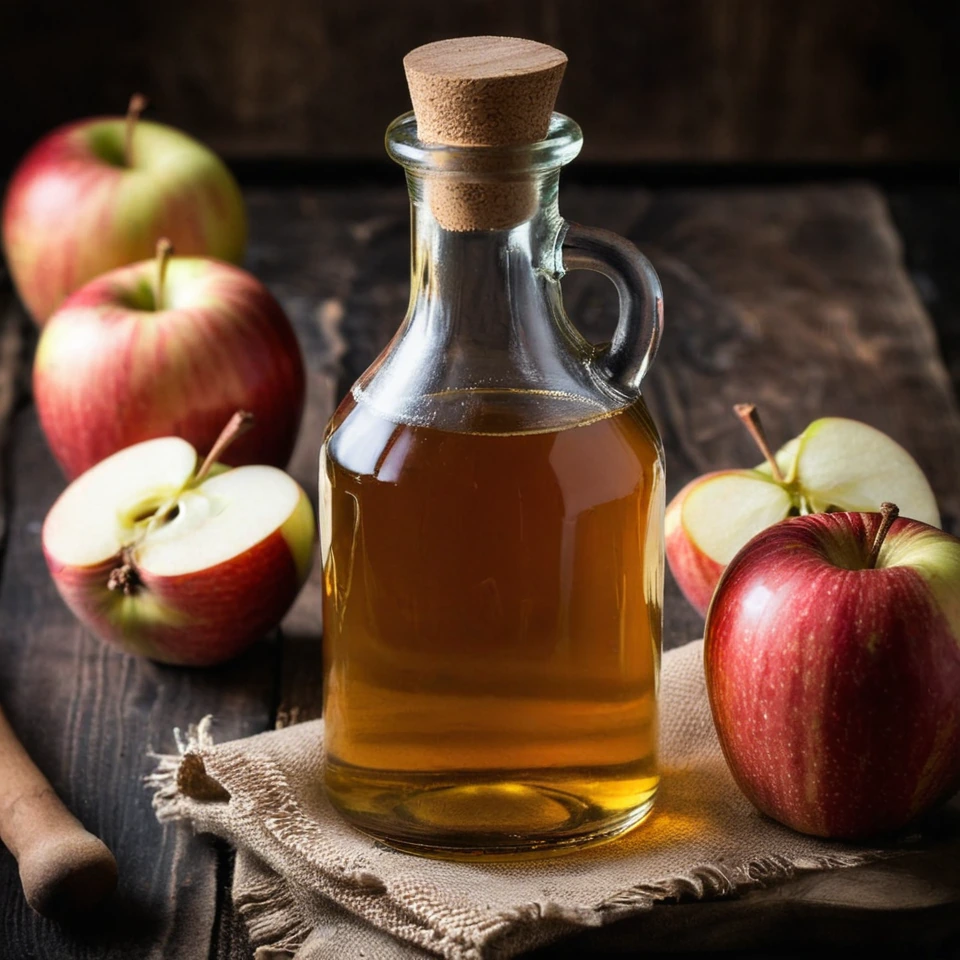
Apple Cider Vinegar
Apple cider vinegar is a type of vinegar made through the fermentation of apple cider, resulting in a tangy, slightly sweet liquid with a pale to medium amber color.
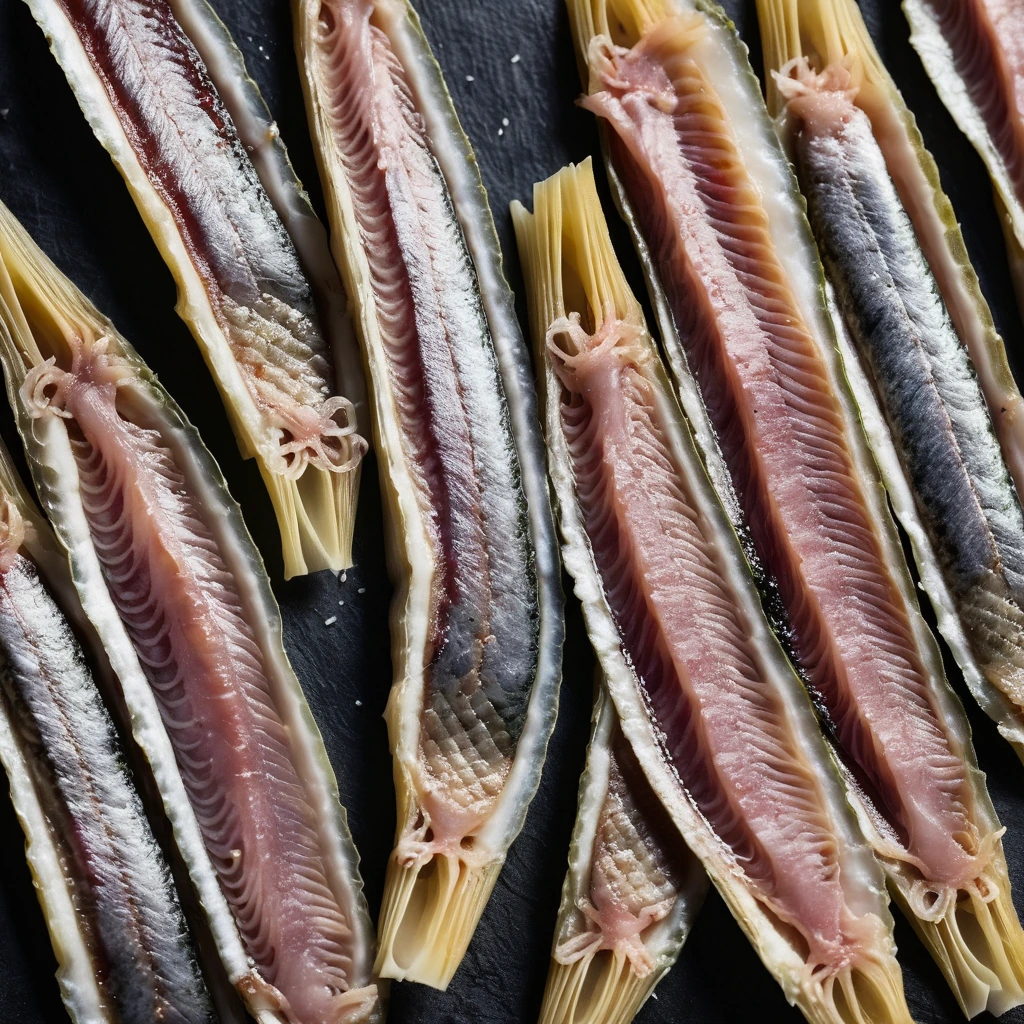
Anchovy Fillets
Silvery and succulent, anchovy fillets are a briny treasure from the sea. Their rich, umami flavor adds depth to dishes, making them a beloved ingredient in kitchens worldwide.
Recipes to try

Triple Chocolate Chunk Skillet Cookie
This skillet cookie is a gooey, decadent delight with chunks of dark, milk, and white chocolate that will make you swoon.
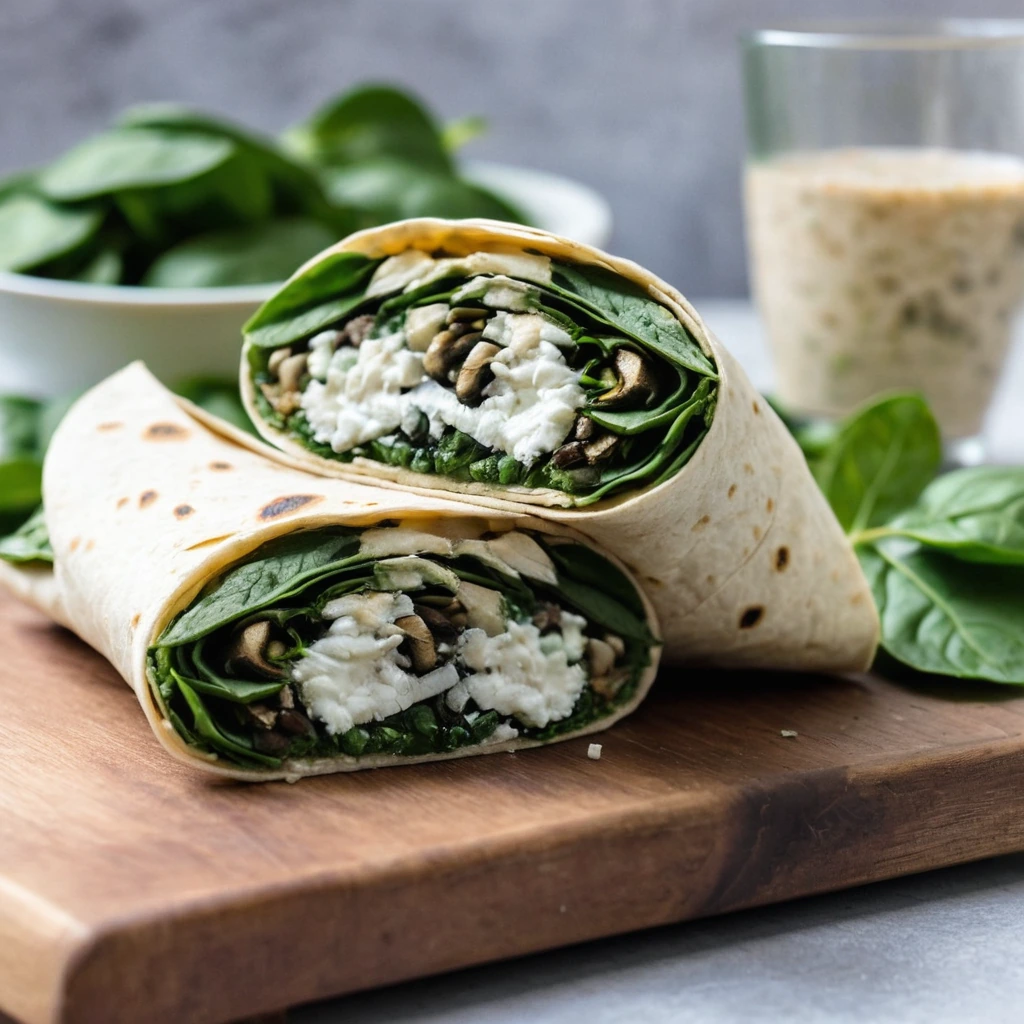
Spinach, Mushroom, and Feta Breakfast Wraps
These wraps are a cozy morning hug in a tortilla—creamy feta, earthy mushrooms, and vibrant spinach meld into a hearty breakfast.