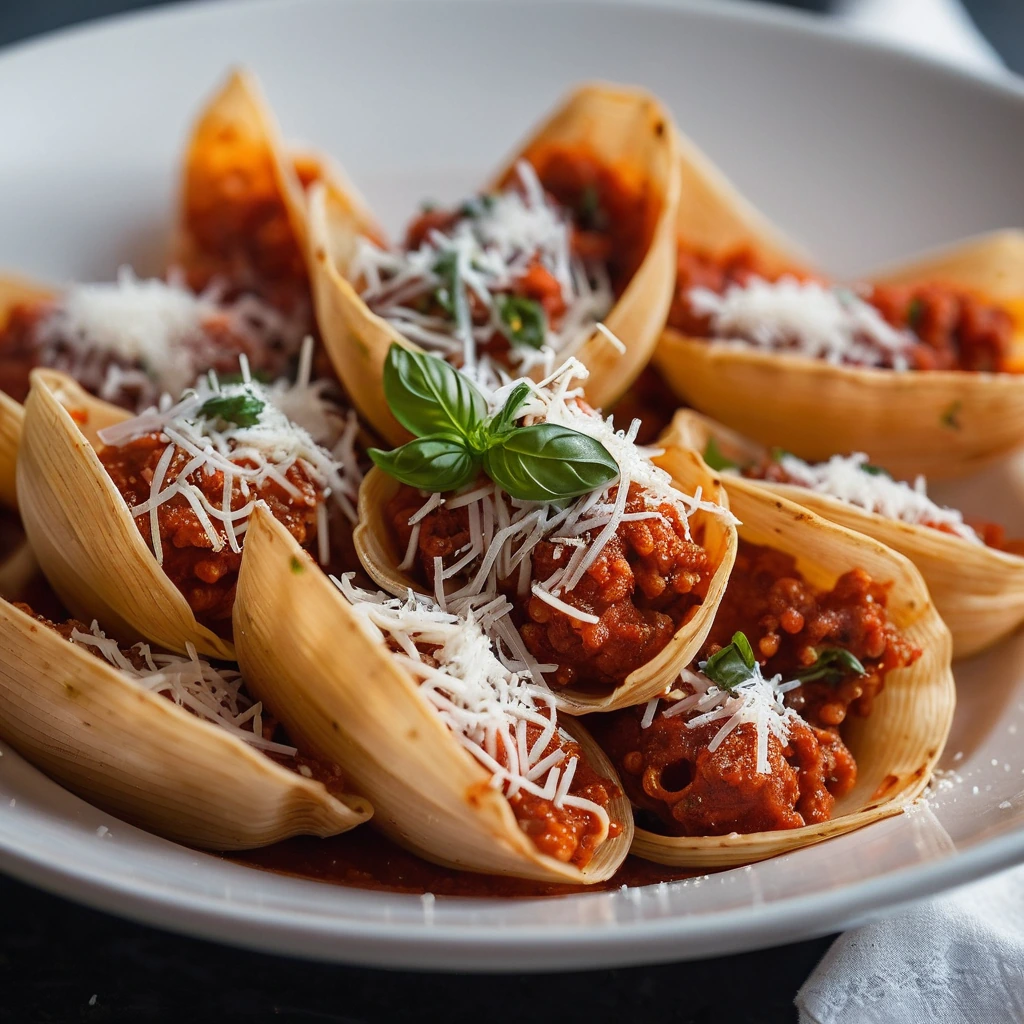
Legumes & Beans: Seasoning Beans at the Right Time
Seasoning beans at the right time is an art that can transform ordinary legumes into a symphony of flavors. Many home cooks wonder whether to season beans before, during, or after cooking. The answer lies in understanding how different seasonings interact with beans during the cooking process. Adding salt too early can hinder bean softening, while waiting too long might result in bland beans. This technique dives into the nuances of seasoning beans, ensuring they are flavorful and perfectly cooked. We'll explore the science behind timing, the impact of various seasonings, and how to layer flavors for the best results. By mastering this technique, you'll elevate your bean dishes from simple side to standout centerpiece.
Notes
The science behind seasoning beans lies in osmosis and enzyme activity. Adding salt early can slow down the softening process by affecting the beans' ability to absorb water. Aromatics added early infuse the beans with flavor as they cook. Acids like lemon juice or vinegar can toughen beans if added too soon, so introduce them later. Common mistakes include over-salting early or neglecting to add enough liquid. To troubleshoot tough beans, ensure they're fully covered with water and consider adding a pinch of baking soda, though this can affect flavor. Store cooked beans in an airtight container in the fridge for up to 5 days or freeze for longer storage.
Steps
- 1 Rinse 1 pound of dried beans under cold water to remove debris.
- 2 Soak beans in water overnight or use the quick-soak method (boil for 2-3 minutes, then let sit for 1 hour).
- 3 Drain and rinse the beans after soaking.
- 4 Place beans in a large pot and cover with fresh water, about 2 inches above the beans.
- 5 Add aromatics like garlic, onion, and bay leaves to the pot before bringing to a boil.
- 6 Once boiling, reduce heat to maintain a gentle simmer.
- 7 After 30 minutes, test a bean for doneness and season lightly with salt if needed.
- 8 Add acidic ingredients like tomatoes or vinegar in the last 30 minutes of cooking to preserve texture.
- 9 Continue to simmer until beans are tender, checking for doneness periodically.
- 10 Adjust seasoning at the end with salt, pepper, and fresh herbs to taste.
- 11 Remove from heat and let beans rest for 5 minutes before serving.
Ingredients to explore

Andouille Sausage
Andouille sausage is a coarse-grained, smoked pork sausage with a rich history rooted in French cuisine, particularly from the Alsace region. It was adapted in Louisiana, where it became a staple in Cajun and Creole cooking. The sausage is known for its robust, smoky flavor with hints of garlic, pepper, and other spices, creating a spicy and savory profile. Its texture is firm yet slightly chewy, making it a hearty addition to dishes. When cooked, andouille sausage maintains its shape well and infuses dishes with its distinctive smoky essence, enhancing stews, soups, and rice dishes.
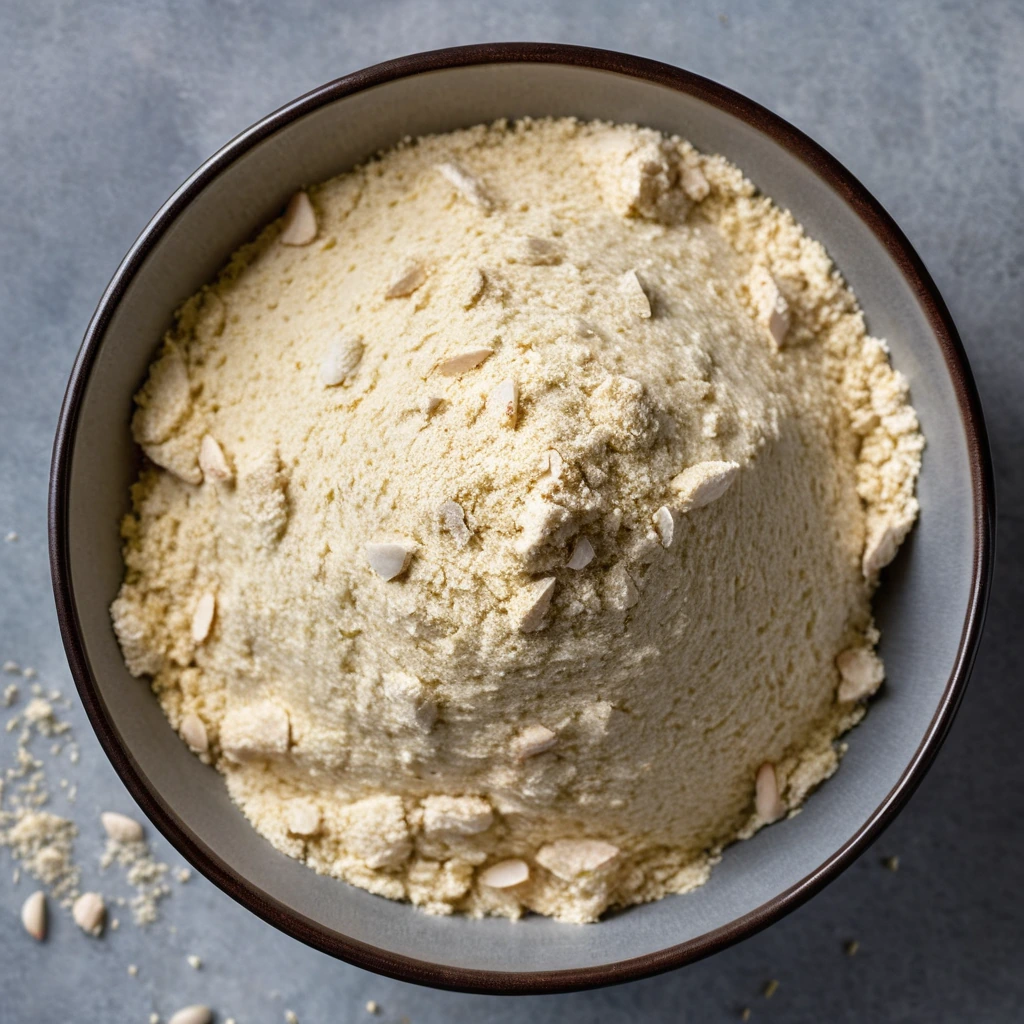
Almond Flour
A finely ground flour made from blanched almonds, offering a delicate nutty aroma and a tender crumb to your baked goods.