Knife Technique: Turning Citrus into Perfect Wheels for Drinks
Creating perfect citrus wheels for your drinks isn't just about aesthetics; it's about enhancing the flavor and aroma of your cocktail. Whether you're garnishing a gin and tonic or a whiskey sour, a beautifully sliced citrus wheel can elevate the entire experience. The secret lies in mastering a precise knife technique that ensures uniform thickness and shape. Here we'll dive into the subtleties of selecting the right citrus, understanding the anatomy of the fruit, and slicing it with confidence and ease. We'll also cover how to hold your knife safely and efficiently, ensuring your garnishes are both stunning and practical. By following this technique, you'll gain control over your slicing, reducing waste and making your drink presentation pop. Let's get started on transforming your citrus garnishing game.
Notes
Understanding the science behind slicing citrus into perfect wheels can improve your technique. A sharp knife is crucial; it ensures clean cuts that preserve the integrity of the fruit, preventing it from tearing or bruising. The removal of the peel and pith not only makes for a more visually appealing garnish but also prevents any bitterness from seeping into your drink. If your wheels are browning quickly, it's due to oxidation; consider squeezing a bit of lemon juice on them to slow this process. For storage, keep unsliced citrus in a cool, dry place and use your wheels immediately for the best appearance. If you need to prepare them ahead, store in an airtight container with a damp paper towel to maintain freshness.
Steps
- 1 Select a firm, fresh citrus fruit like a lemon, lime, or orange.
- 2 Using a sharp paring knife, slice off a thin piece from both the top and bottom of the citrus to create stable ends.
- 3 Stand the citrus upright on one of the flat ends.
- 4 Starting from the top, carefully slice downward following the natural curve of the fruit to remove the peel and pith in one piece.
- 5 Rotate the fruit and repeat until all peel and pith are removed, exposing the inner flesh.
- 6 Hold the peeled citrus firmly with one hand and position the knife horizontally across the widest part.
- 7 With gentle pressure, slice through the center to create a uniform wheel, about 1/4-inch thick.
- 8 Check the thickness with your eyes; adjust as necessary for consistency.
- 9 Use the knife tip to gently remove any seeds from the wheel.
- 10 Rinse the wheel under cold water to remove any residual oils from the peel.
- 11 Pat the wheel dry with a clean kitchen towel.
- 12 Carefully place the wheel onto the rim of your glass or into the drink.
- 13 For variation, slice additional wheels at different thicknesses for layered effects.
- 14 Practice adjusting your grip and angle for precision.
Ingredients to explore
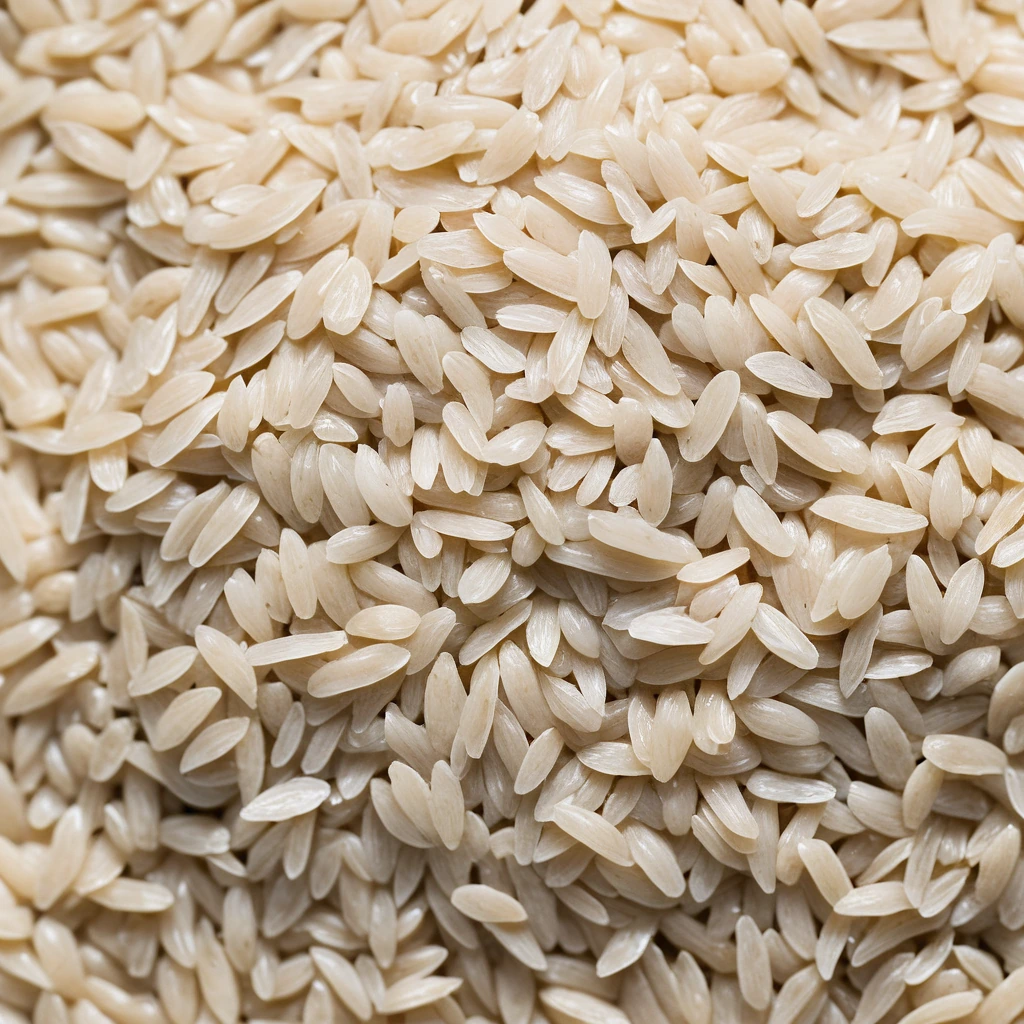
Arborio Rice
Arborio rice is a short-grain Italian rice variety renowned for its use in risotto. Originating from the Po Valley in Northern Italy, it is a staple in Italian cuisine. Its flavor is mild and nutty, with a pleasant creamy texture when cooked due to its high amylopectin content, which releases starch and creates a velvety consistency. The grains remain plump and firm to the bite, offering a satisfying chewiness. In cooking, Arborio rice excels at absorbing flavors from broths and seasonings while maintaining its shape, making it ideal for dishes that require both creaminess and structure.
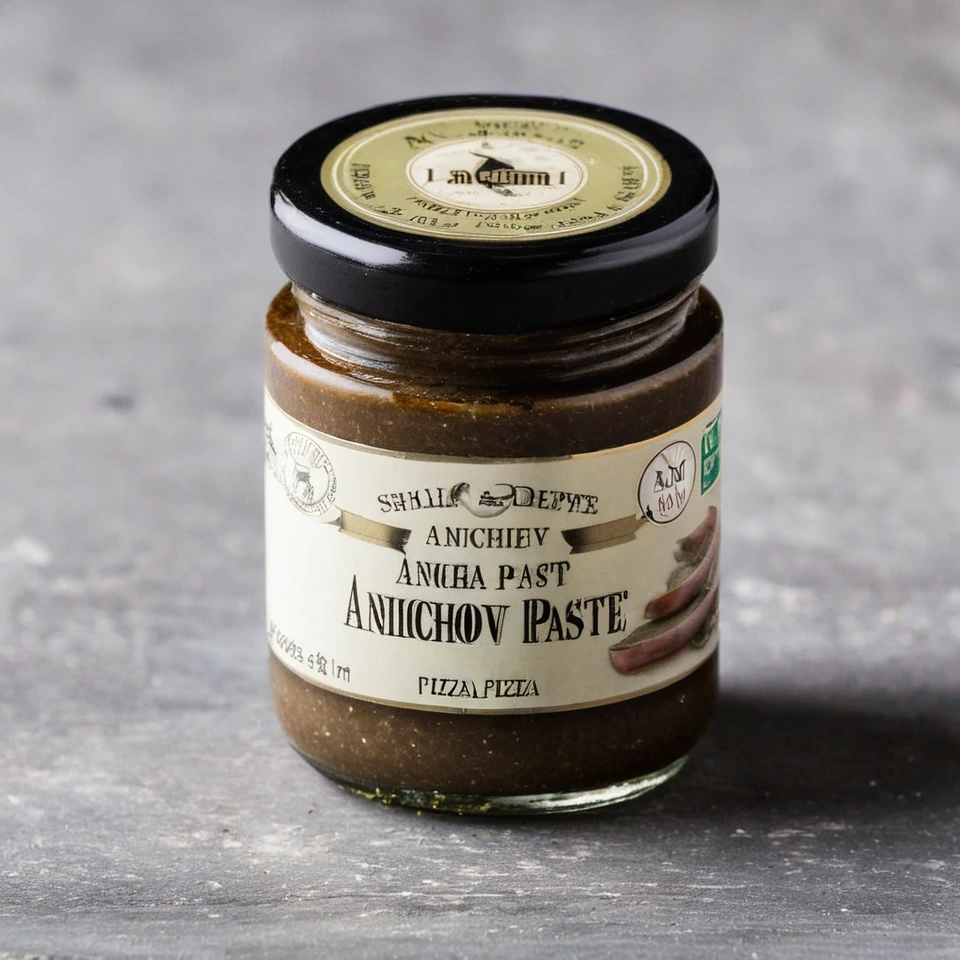
Anchovy Paste
Anchovy paste is a rich, salty spread made from finely ground anchovies, salt, and sometimes olive oil. It offers a deep umami flavor that enhances a variety of dishes.
Recipes to try
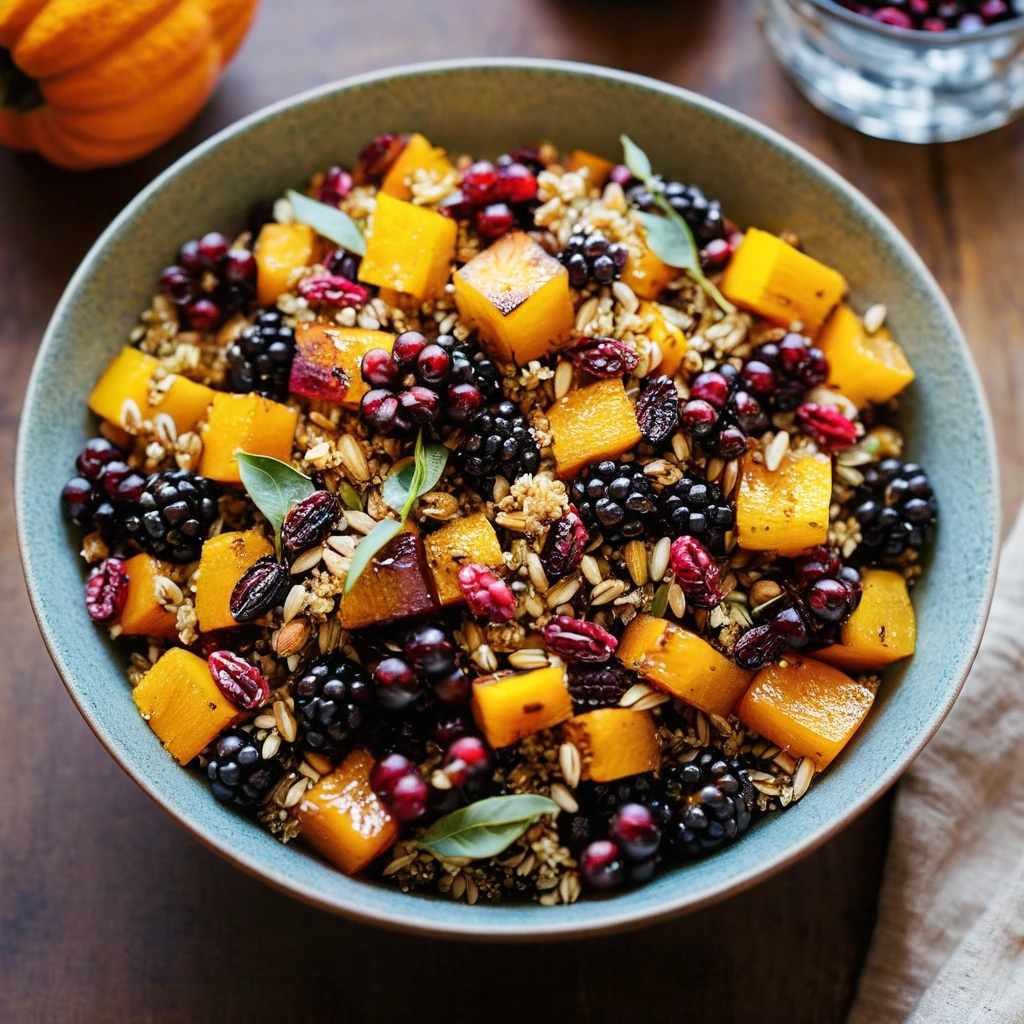
Warm Quinoa Salad with Roasted Squash and Cranberries
A cozy mix of nutty quinoa, tender roasted squash, and sweet cranberries makes this salad a fall favorite.
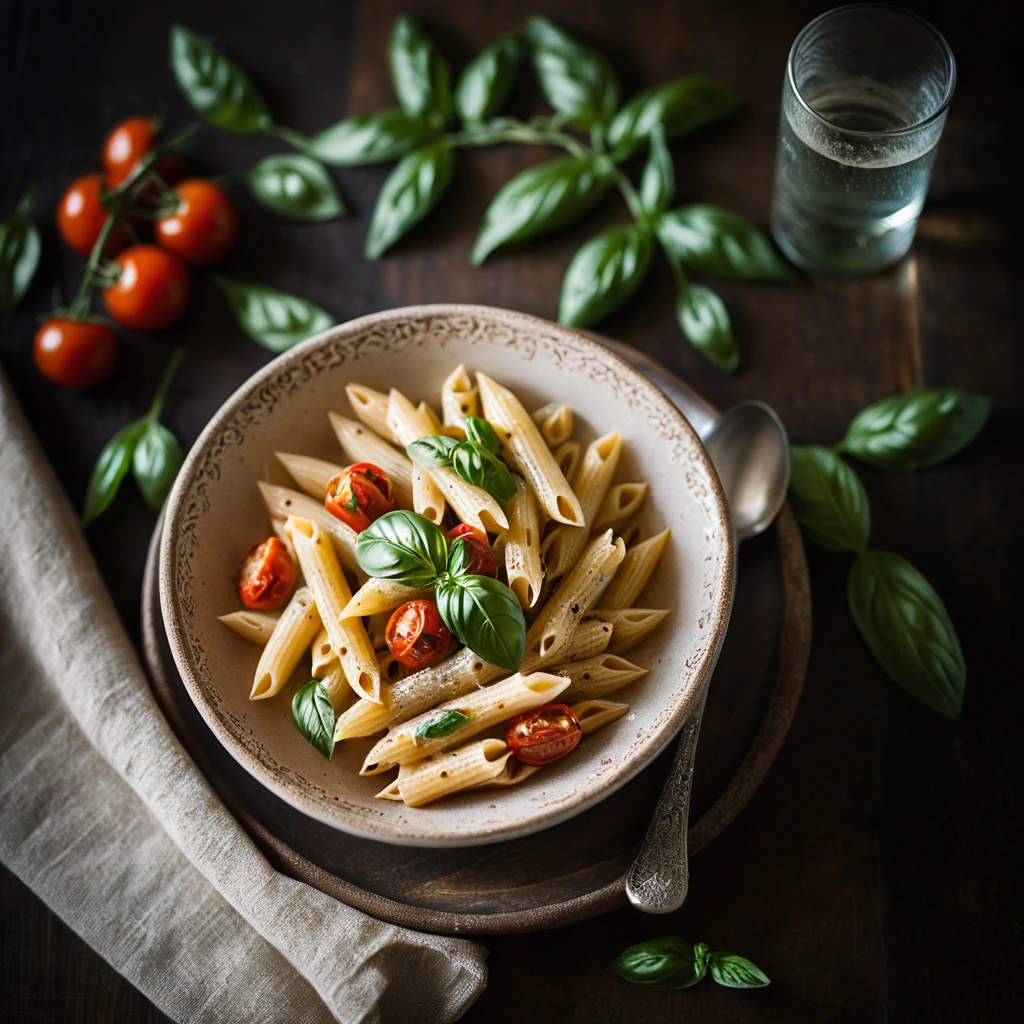
Roasted Tomato and Basil Cream Penne
Sun-kissed roasted tomatoes meld with creamy sauce and fresh basil for a penne that's both comforting and vibrant.