Knife Technique: Separating Chicken Wings into Flats and Drums
Mastering the art of breaking down chicken wings is a fundamental skill for any home cook. This technique transforms whole wings into two distinct cuts: the drumette and the flat, or wingette. Understanding how to separate these parts not only maximizes flavor and texture in your dishes but also allows you to utilize each piece to its fullest potential. Chicken wings are a versatile ingredient, perfect for roasting, grilling, or frying. By mastering this knife technique, you'll elevate your cooking game and impress your guests with perfectly portioned wings for your next gathering. The key to this technique is a sharp chef's knife and a confident, steady hand. We'll guide you through each step with precision, ensuring you can execute this task safely and efficiently. Whether you're preparing wings for a game day feast or a casual weeknight dinner, this method will yield consistent results every time. Let's dive into the anatomy of the chicken wing and learn how to separate it like a pro.
Notes
This technique works because it follows the natural joints of the chicken wing, ensuring clean breaks and minimal waste. A sharp knife is essential to prevent crushing the bones and making the process more difficult. Common mistakes include using a dull knife or cutting through the meat instead of the joint, which can result in messy, uneven pieces. Always prioritize safety by keeping your fingers tucked and using a stable cutting surface. For best results, prepare the wings just before cooking to maintain freshness. Store separated wings in an airtight container in the refrigerator for up to two days, or freeze for longer storage.
Steps
- 1 Place a whole chicken wing on a clean cutting board, with the wing tip pointing away from you.
- 2 Locate the first joint where the wing tapers; this is where the drumette ends and the flat begins.
- 3 Insert the tip of a sharp chef's knife into the joint, at a slight angle.
- 4 Push the knife through the joint with a confident, steady motion, using a rocking motion if necessary.
- 5 Once through, twist the knife slightly to ensure a clean cut and separate the drumette from the flat.
- 6 Turn your attention to the remaining piece, which includes the flat and the wing tip.
- 7 Find the second joint, closer to the wing tip, and repeat the cutting process to separate the flat from the tip.
- 8 Dispose of the wing tip or save it for stock, as it is less meaty and often discarded.
- 9 Check each piece for any stray bits of cartilage or skin that may need trimming.
- 10 Rinse the separated pieces under cold water and pat them dry with paper towels before cooking.
Ingredients to explore
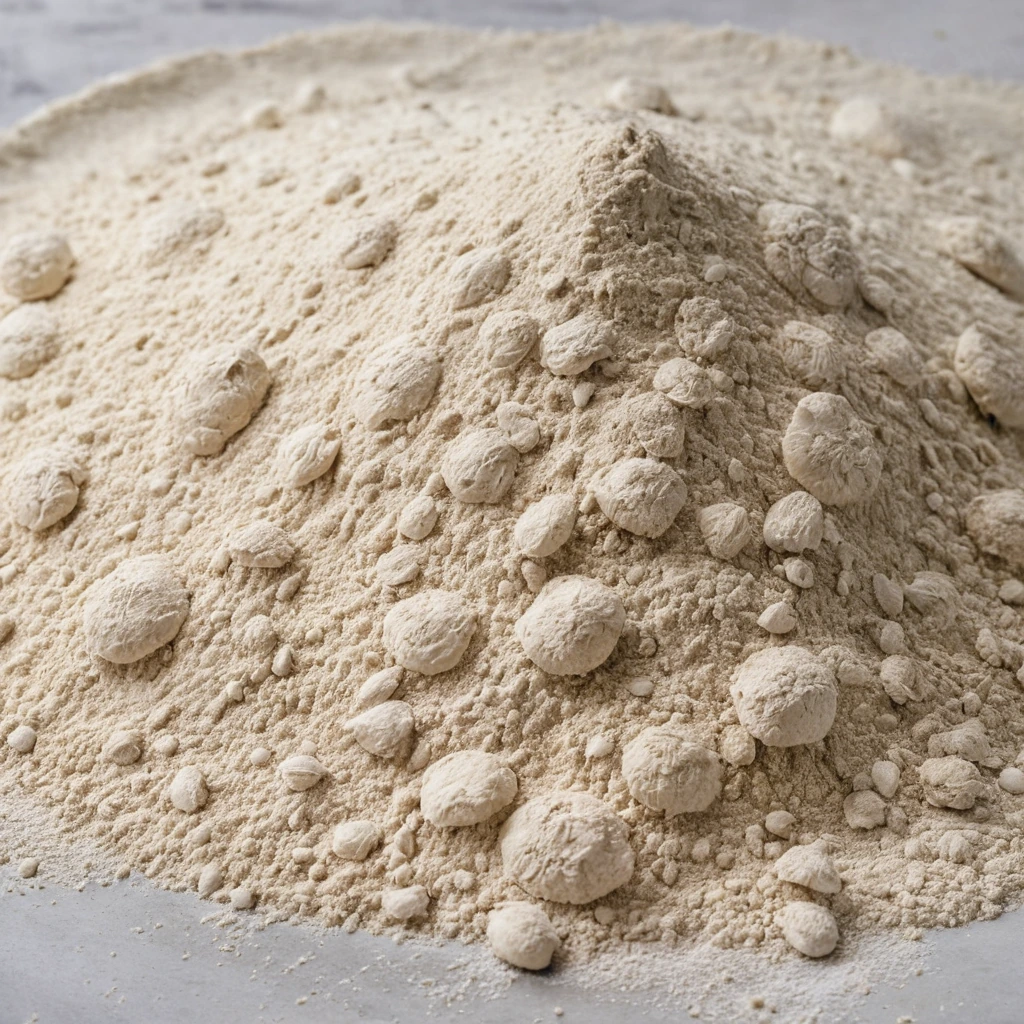
00 Pizza Flour
00 pizza flour is a finely milled Italian flour prized for its versatility in creating authentic Neapolitan-style pizza crusts. Originating from Italy, it is milled to a very fine consistency, which is reflected in its name, 'doppio zero,' indicating its fine grind. This flour has a balanced flavor profile, offering a mild, slightly sweet taste with a subtle nuttiness. Its texture is silky and smooth, contributing to a tender yet chewy crust when used in pizza making. In cooking, 00 pizza flour is known for its ability to hydrate quickly and develop a desirable gluten structure, resulting in a light and airy crust that can withstand high-heat cooking without becoming overly crispy or hard.
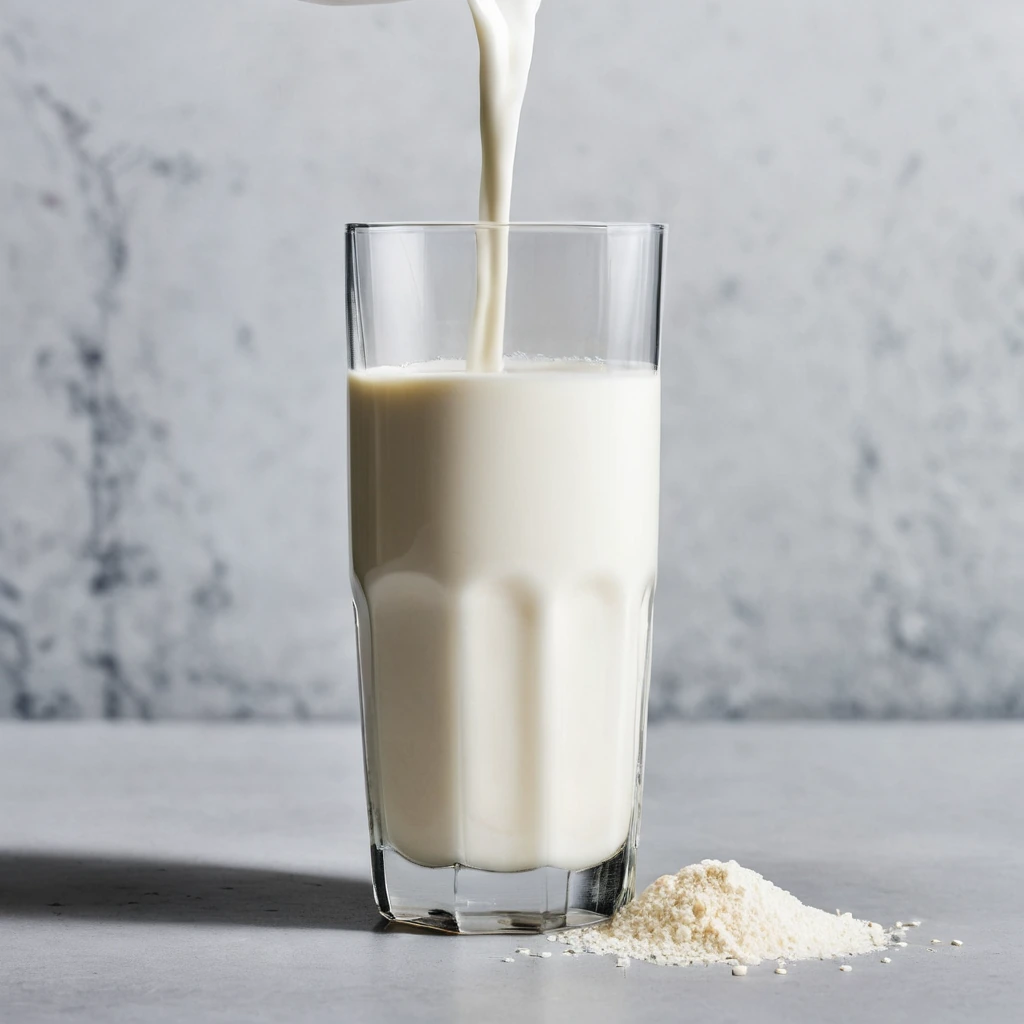
2% Milk
Creamy and just a touch lighter than whole milk, 2% milk offers a perfect balance of richness and reduced fat. Its smooth texture and subtle sweetness make it a delightful choice for sipping or cooking.
Recipes to try
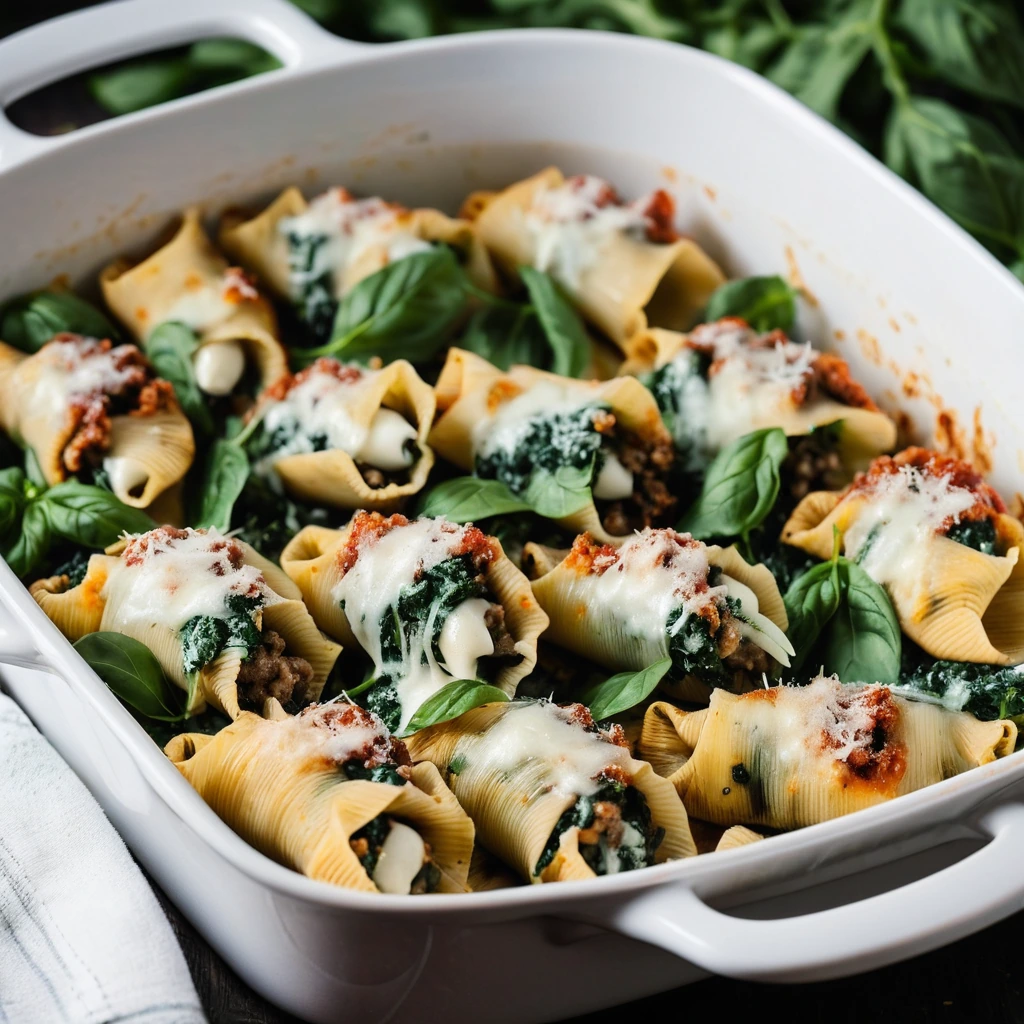
Sausage and Spinach Stuffed Shells Bake
Creamy ricotta and hearty sausage nestled in pasta shells, crowned with a blanket of melted mozzarella and fresh spinach.
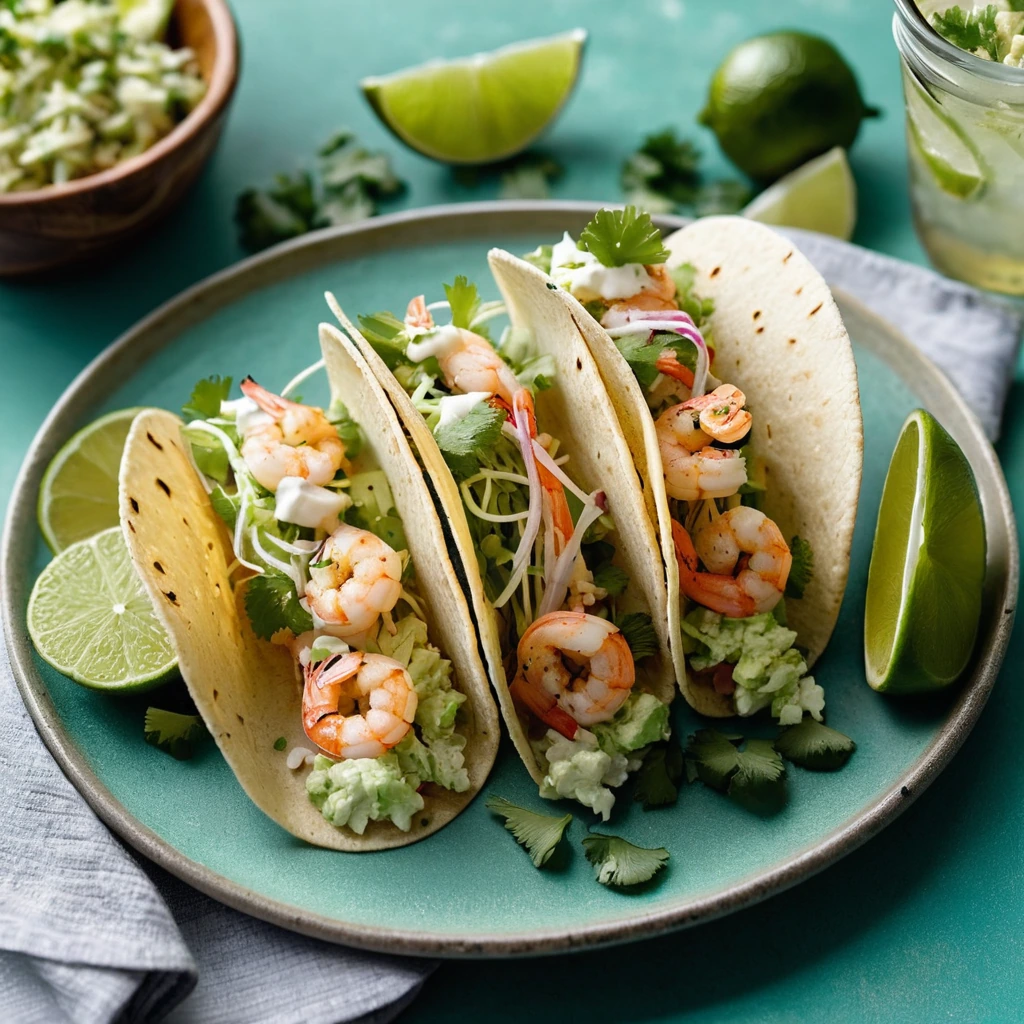
Shrimp Tacos with Cilantro Lime Slaw
Juicy grilled shrimp nestled in warm tortillas, topped with a vibrant cilantro lime slaw that's as refreshing as a sea breeze.