Knife Skills: Turning Vegetables (Tourné Cuts)
Turning vegetables into tourné cuts is a classic culinary technique that transforms ordinary vegetables into elegant, football-shaped morsels. This method is favored by chefs for its aesthetic appeal and practical cooking benefits. The tourné cut ensures even cooking due to its uniform shape and maximizes presentation on the plate. Achieving this cut requires patience and practice, but once mastered, it can elevate your home cooking to a professional level. The technique involves precise angles and controlled knife movements to create a cut that is both functional and visually striking. Understanding the geometry behind the tourné cut helps in achieving consistency. Start with vegetables like carrots or potatoes that are relatively straight and firm. The first step is to trim and square off the ends, followed by peeling and shaping the vegetable into a rough cylindrical form. From there, precise cuts and rotations are made to create the desired shape. This technique is not just about aesthetics; it's about efficiency in cooking and presentation. The tourné cut is particularly useful for dishes where vegetables are showcased, such as garnishes or braises. Learning this skill can make your culinary endeavors more enjoyable and impressive. Remember, practice is key, and don't be discouraged by initial imperfections. Over time, your speed and precision will improve, making this technique a valuable addition to your knife skills arsenal.
Notes
The tourné cut works because its shape maximizes surface area while ensuring even cooking. The even sides allow for consistent heat distribution, making it ideal for sautéing or roasting. A common mistake is holding the knife at too steep an angle, resulting in a pointed tip rather than a rounded end. Always maintain a consistent angle and rotate the vegetable smoothly. Safety is paramount; ensure your fingers are tucked in and use a sharp knife to avoid slipping. For make-ahead preparation, store the tourné cuts in a container with a damp paper towel to keep them fresh for up to two days in the refrigerator.
Steps
- 1 Trim both ends of the vegetable and discard.
- 2 Stand the vegetable upright and slice a thin piece off the sides to create a flat surface.
- 3 Roll the vegetable to one side and peel downwards towards the opposite end.
- 4 Rotate the vegetable and repeat the peeling process until all sides are smooth.
- 5 Holding the vegetable firmly, cut a slice off the bottom to create a stable base.
- 6 Angle your knife at about 45 degrees and make a cut from the top towards the base.
- 7 Rotate the vegetable slightly and repeat the angled cut, working towards the tip.
- 8 Continue making angled cuts while rotating the vegetable until you reach the base.
- 9 Adjust your grip and cuts as needed to maintain even shaping throughout.
- 10 Trim any uneven edges to refine the tourné shape.
- 11 Rinse the cut vegetables to remove any excess starch or debris.
- 12 Pat dry with a clean towel before cooking or storing.
- 13 Practice with different sizes of vegetables to improve consistency.
Ingredients to explore
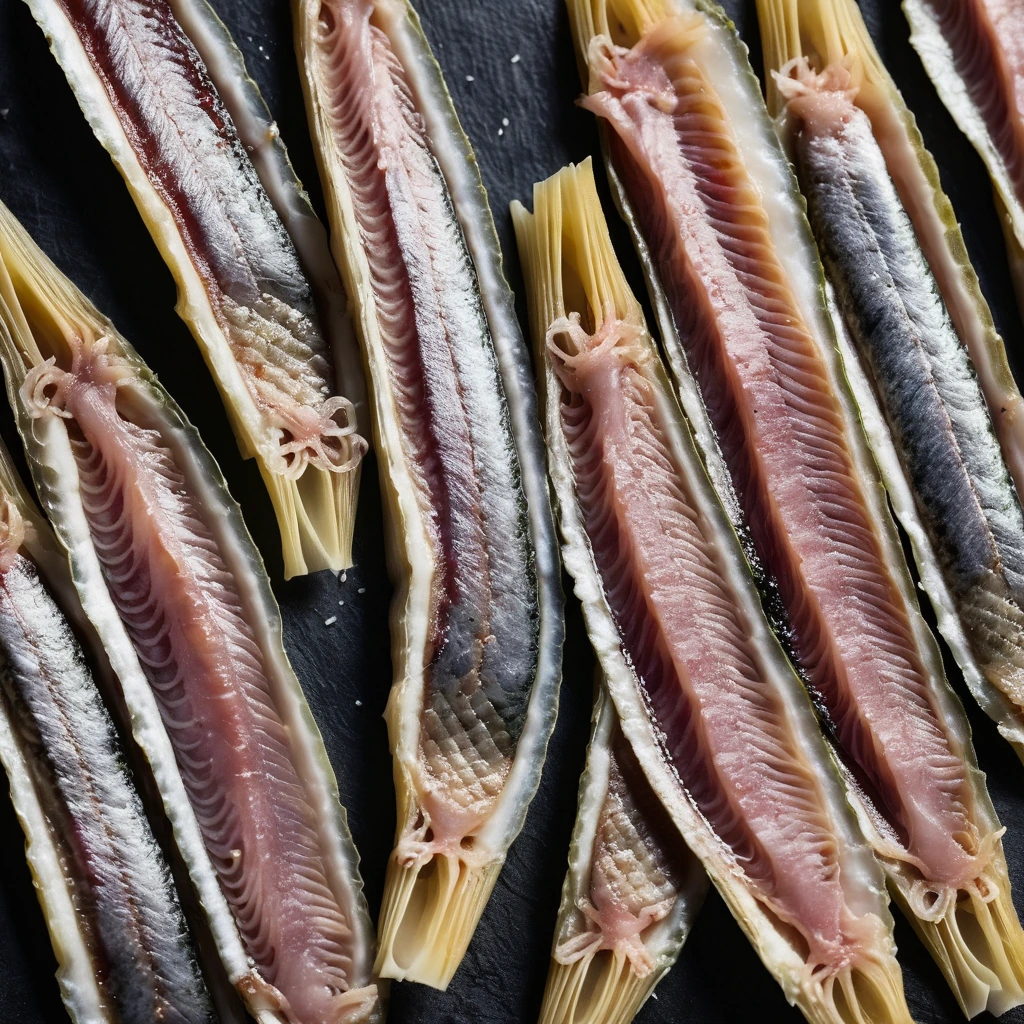
Anchovy Fillets
Silvery and succulent, anchovy fillets are a briny treasure from the sea. Their rich, umami flavor adds depth to dishes, making them a beloved ingredient in kitchens worldwide.
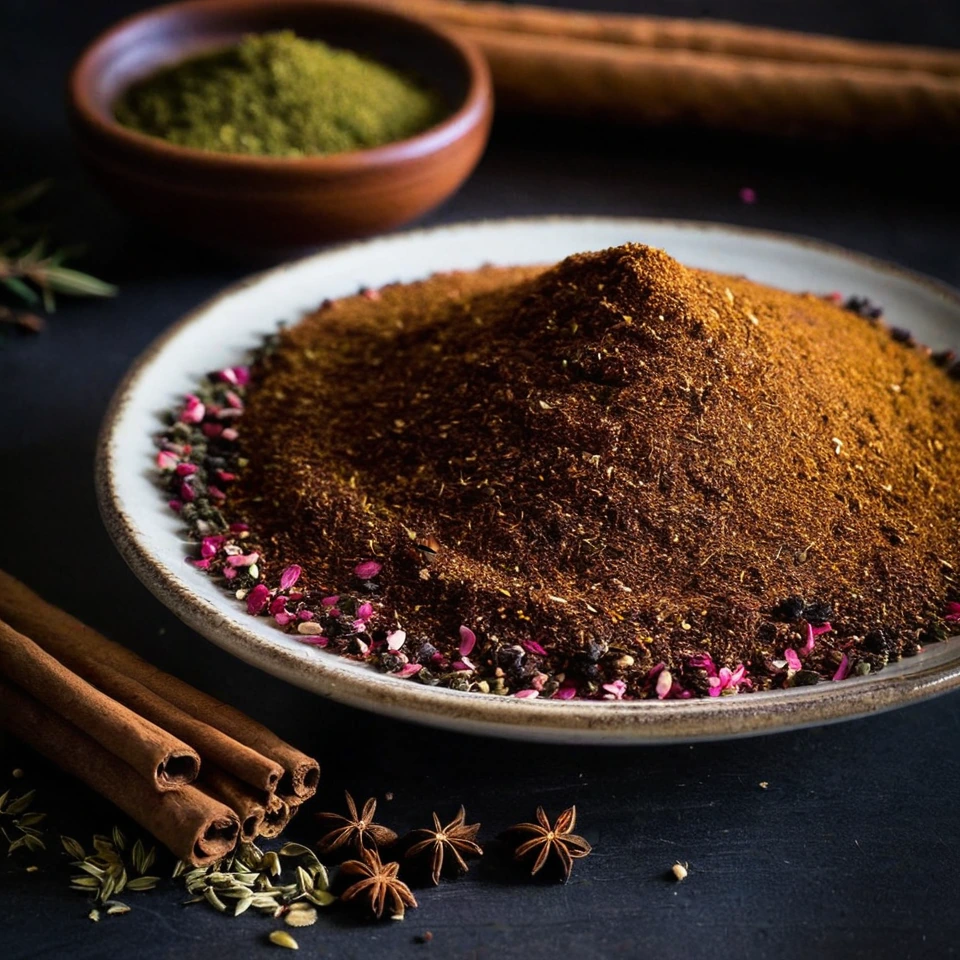
Advieh (Persian Spice Blend)
Advieh is a fragrant Persian spice blend that boasts a complex aroma of warm cinnamon, earthy cumin, and floral hints of rose and saffron. Its texture is finely ground, making it easy to incorporate into dishes. Originating from the rich culinary traditions of Iran, advieh adds depth and sophistication to both savory and sweet recipes. Its unique combination of spices reflects the historical spice trade routes that influenced Persian cuisine.
Recipes to try
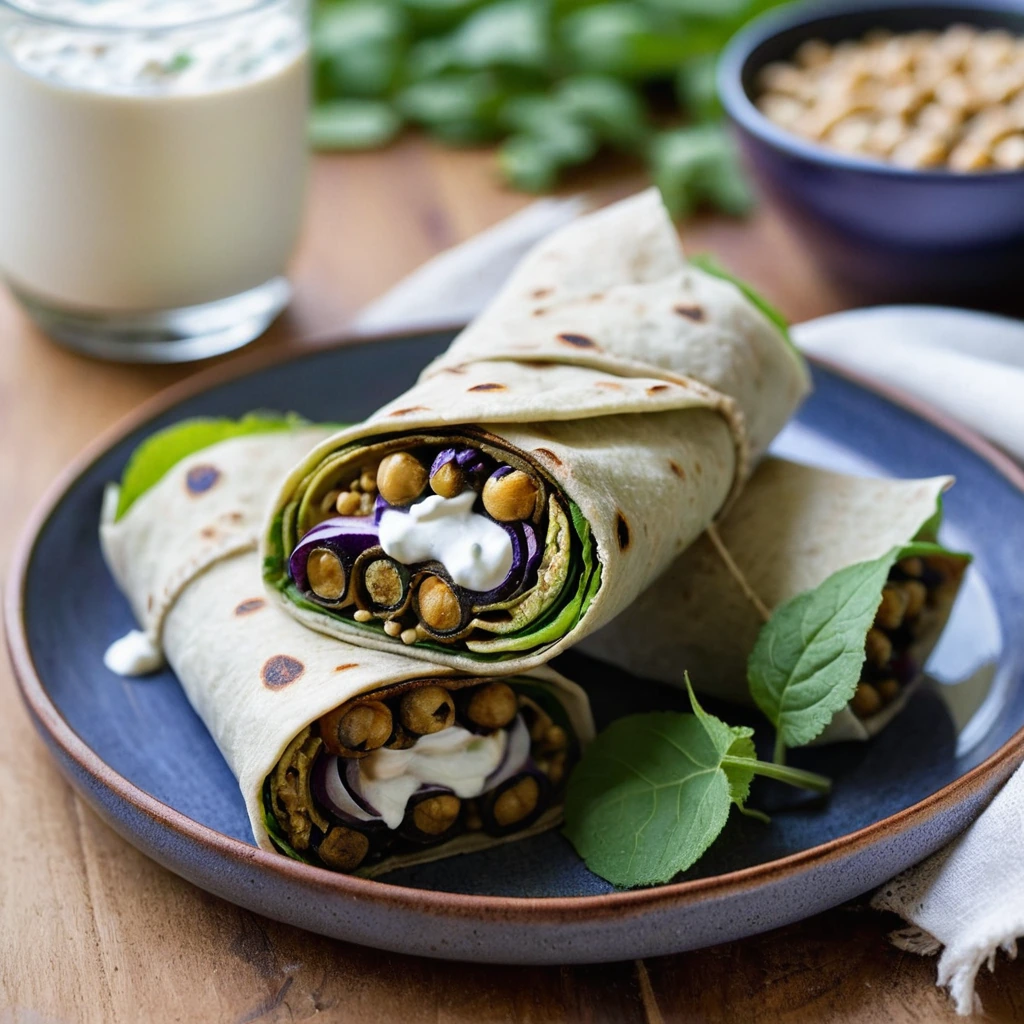
Roasted Eggplant and Chickpea Wraps with Yogurt
Creamy yogurt swirls with smoky roasted eggplant and hearty chickpeas, all wrapped in a warm tortilla for a veggie-packed meal.

Strawberry Cream Cheese Stuffed French Toast
Imagine warm, golden French toast stuffed with a tangy cream cheese and sweet strawberry surprise – breakfast just got a gourmet upgrade.