Knife Skills: Turning Citrus Peel into Fine Zest Strips
Unlocking the bright, aromatic essence of citrus fruits starts with mastering the art of zesting. Zesting isn't just about scraping off the outer layer; it's about precision and control to extract the flavorful oils without the bitter pith. This technique is essential for any home cook looking to elevate dishes with a burst of citrusy freshness. Whether you're zesting lemons for a cake, limes for a cocktail, or oranges for a salad, achieving fine zest strips requires a sharp knife, steady hand, and a keen eye. In this guide, we'll walk you through the process step-by-step, ensuring you get the most out of your citrus fruits while avoiding common pitfalls. With practice, you'll be zesting like a pro, adding vibrant, citrusy notes to your culinary creations with ease and confidence.
Notes
The key to successful zesting lies in using a sharp knife; a dull blade can tear the peel rather than slice it cleanly. The white pith is bitter, so take care to remove only the colorful zest layer. Citrus zest is potent, so a little goes a long way in flavoring dishes. If you find your zest is too thick or bitter, you may be including pith; practice adjusting your knife angle to capture just the zest. For storage, place zest in an airtight container in the refrigerator for up to a week or freeze for longer keeping. Always allow zest to come to room temperature before using in recipes for optimal flavor release.
Steps
- 1 Select a ripe citrus fruit with smooth, unblemished skin.
- 2 Wash the fruit thoroughly under cool water to remove any dirt or residue.
- 3 Dry the fruit completely with a clean kitchen towel.
- 4 Using a sharp paring knife, hold the fruit firmly on a stable surface.
- 5 Starting at the top, carefully slice off a thin strip of peel, following the contour of the fruit.
- 6 Ensure you only cut the colored part of the peel, avoiding the white pith beneath.
- 7 Continue slicing around the fruit until all peel is removed.
- 8 Lay a strip flat on your cutting board.
- 9 Slice the strip into thin, fine strips against the grain.
- 10 Stack several strips together to cut more at once if desired.
- 11 Repeat until all peel strips are cut into fine zest.
- 12 Use the zest immediately or store properly for later use.
- 13 Clean your knife promptly to prevent staining from the citrus oils.
Ingredients to explore
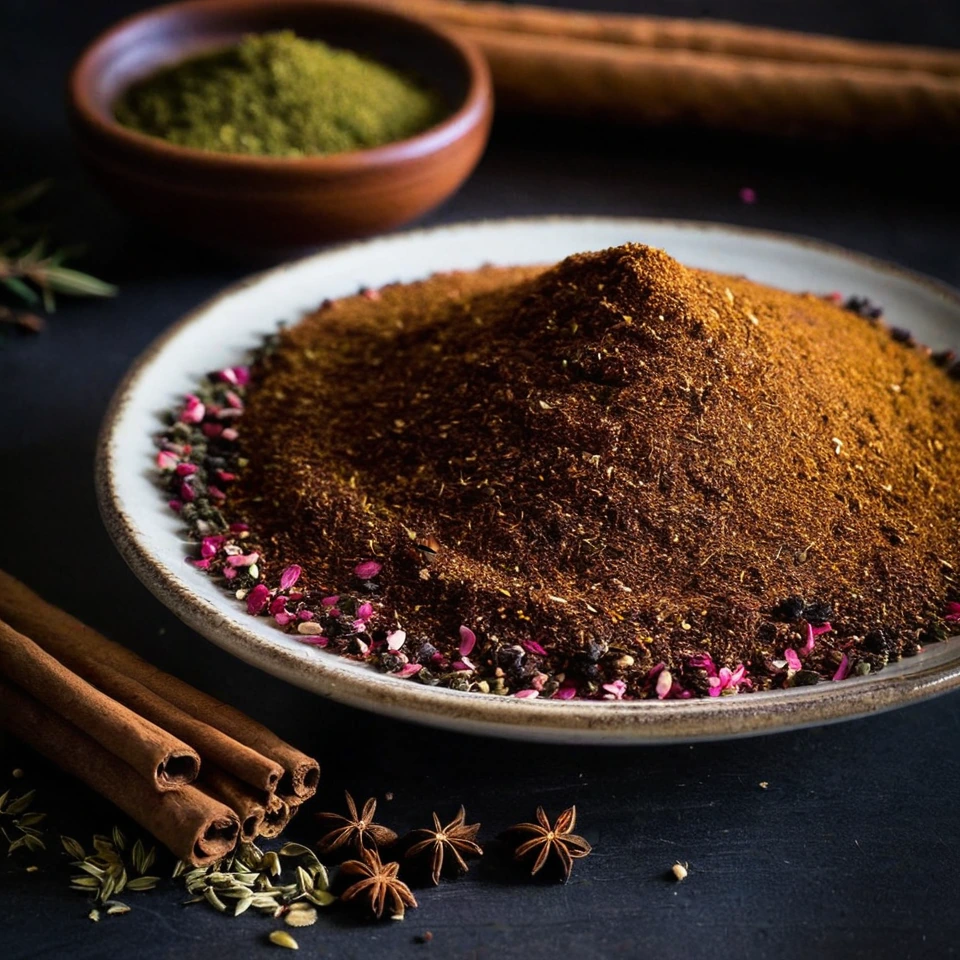
Advieh (Persian Spice Blend)
Advieh is a fragrant Persian spice blend that boasts a complex aroma of warm cinnamon, earthy cumin, and floral hints of rose and saffron. Its texture is finely ground, making it easy to incorporate into dishes. Originating from the rich culinary traditions of Iran, advieh adds depth and sophistication to both savory and sweet recipes. Its unique combination of spices reflects the historical spice trade routes that influenced Persian cuisine.
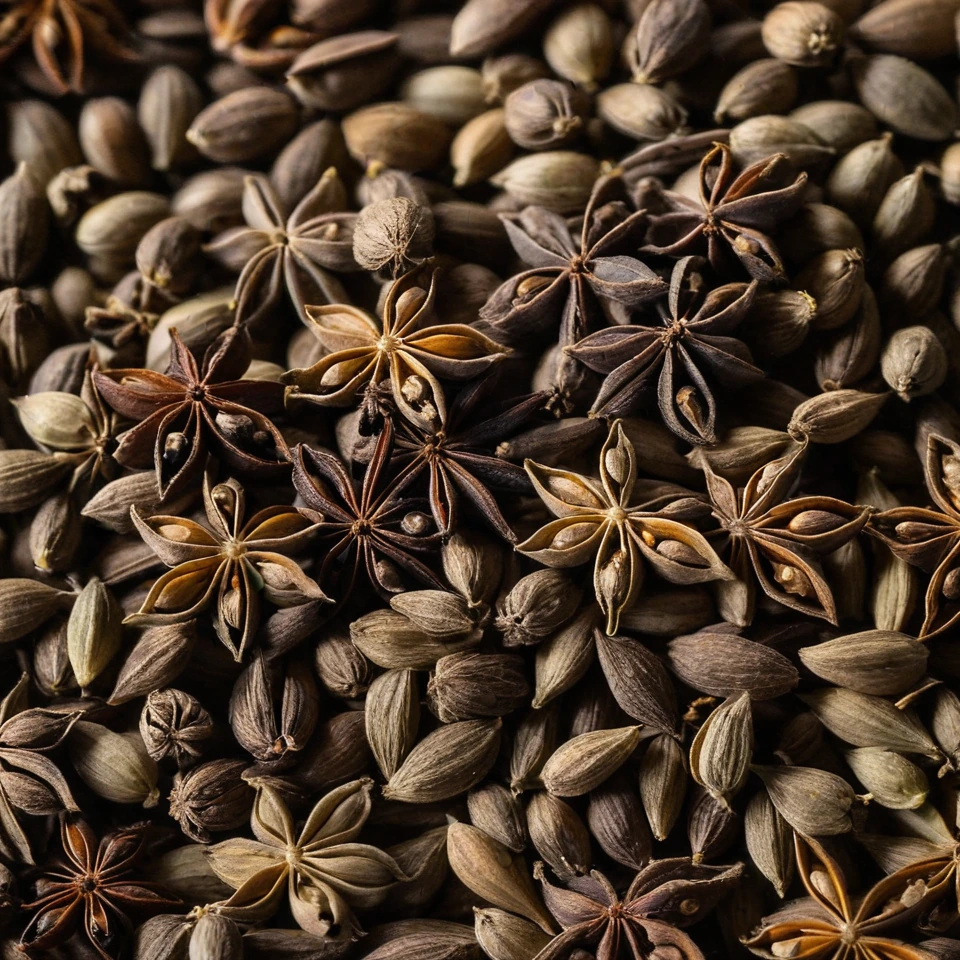
Anise Seeds
Anise seeds are small, oval seeds with a sweet, licorice-like flavor. They are commonly used in both sweet and savory dishes, offering a warm, aromatic taste.
Recipes to try
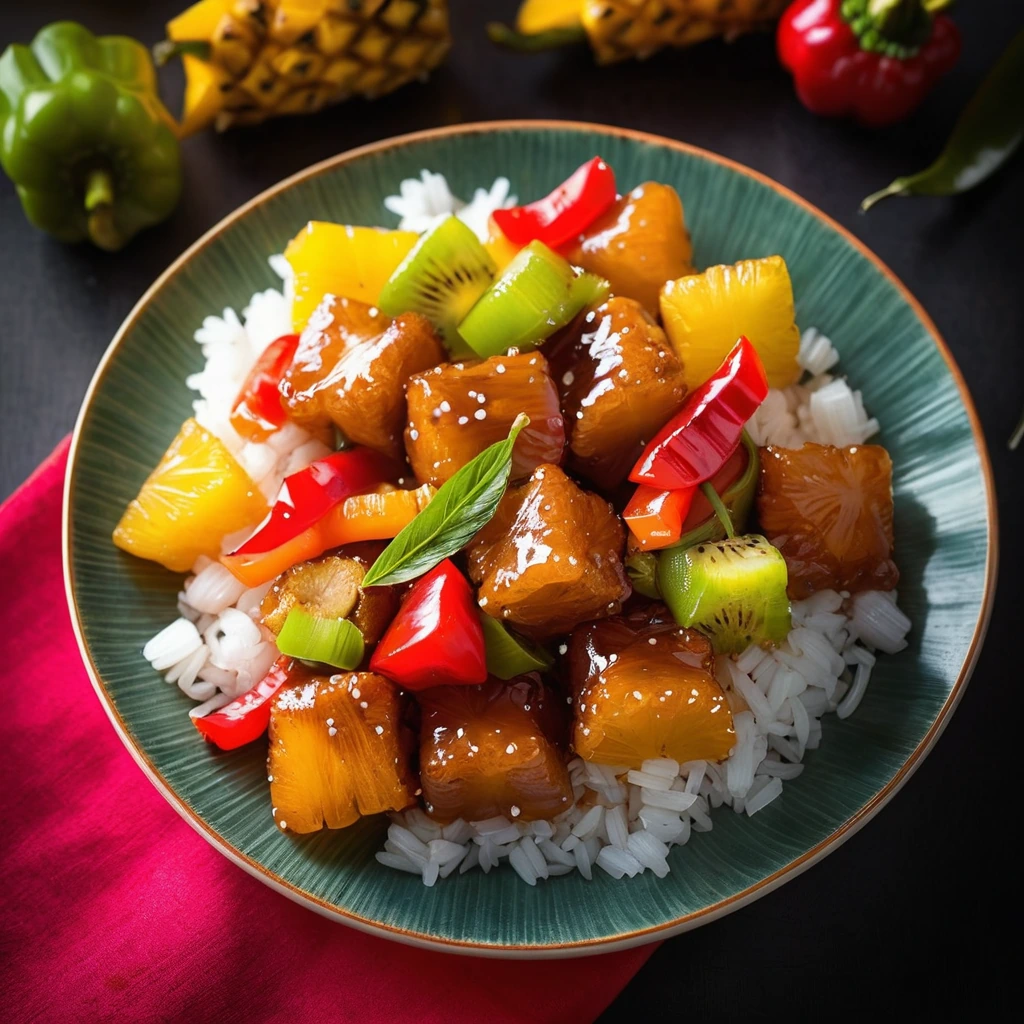
Sweet and Sour Pork with Pineapple and Peppers
Tangy, sweet, and a touch sour, this pork dish is a carnival of flavors with juicy pineapple chunks and crisp bell peppers.

Shrimp Alfredo Stuffed Pasta Shells
Creamy, cheesy alfredo sauce stuffed into plump pasta shells and topped with succulent shrimp—comfort food at its finest.