Knife Skills: Trimming and Halving Brussels Sprouts
Mastering the art of trimming and halving Brussels sprouts is an essential knife skill that can transform your cooking. This technique ensures even cooking and removes any tough outer leaves, leaving you with perfectly prepped sprouts ready for roasting, sautéing, or grilling. Understanding the anatomy of a Brussels sprout is key—recognize the root end, stem end, and outer leaves. Begin by removing any discolored or damaged outer leaves. Then, trim the stem end just enough to create a stable base for cutting. Halving the sprouts not only helps them cook faster but also exposes more surface area for flavor absorption. Whether you're preparing a side dish or incorporating them into a main course, knowing how to properly prep Brussels sprouts is crucial for consistent results. This guide will walk you through the steps with clarity and confidence, empowering you to tackle this task like a seasoned chef. With practice, your knife skills will improve, making meal prep quicker and more enjoyable. Let’s dive into the technique that will elevate your culinary creations.
Notes
Trimming the stem end is crucial as it provides a stable base, preventing the sprouts from rolling around. Removing damaged leaves ensures a uniform texture. Halving sprouts increases surface area for seasonings to adhere and allows for faster, more even cooking. If you encounter sprouts that are particularly large, consider quartering them to ensure they cook thoroughly. Practice makes perfect—don’t be discouraged by uneven cuts at first. For storage, keep trimmed and halved sprouts in an airtight container in the refrigerator for up to 3 days. For safety, always use a sharp knife to maintain control and avoid accidents. Understanding these principles will not only improve your technique but also your confidence in the kitchen.
Steps
- 1 Rinse Brussels sprouts under cold water to remove dirt and debris.
- 2 Pat sprouts dry with a clean kitchen towel.
- 3 Lay a sprout on its side on the cutting board.
- 4 Slice off the stem end, about 1/4 inch thick, creating a flat surface.
- 5 Peel away any discolored or loose outer leaves.
- 6 Stand the sprout upright and carefully slice it in half from top to bottom.
- 7 For smaller sprouts, stop here. For larger ones, trim any remaining thick core.
- 8 Repeat with the remaining sprouts, maintaining consistent sizing for even cooking.
Ingredients to explore
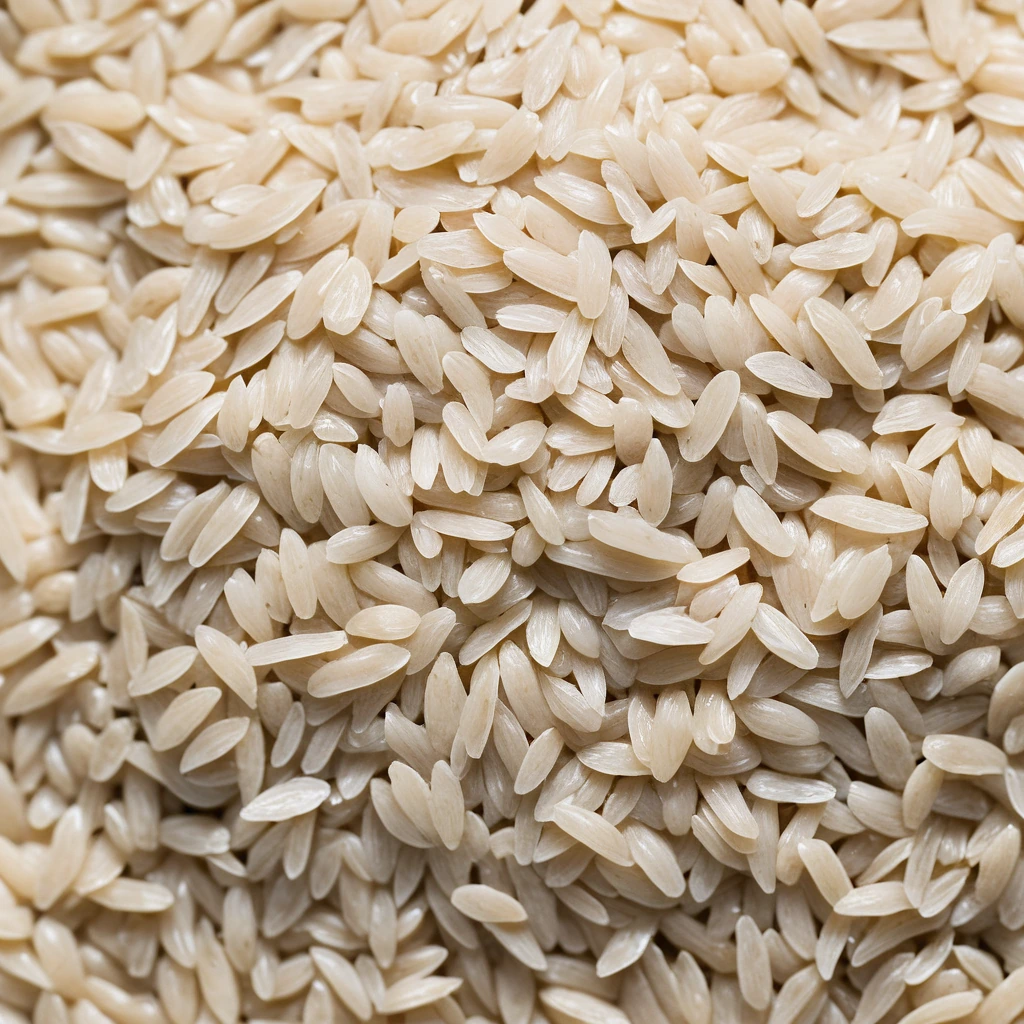
Arborio Rice
Arborio rice is a short-grain Italian rice variety renowned for its use in risotto. Originating from the Po Valley in Northern Italy, it is a staple in Italian cuisine. Its flavor is mild and nutty, with a pleasant creamy texture when cooked due to its high amylopectin content, which releases starch and creates a velvety consistency. The grains remain plump and firm to the bite, offering a satisfying chewiness. In cooking, Arborio rice excels at absorbing flavors from broths and seasonings while maintaining its shape, making it ideal for dishes that require both creaminess and structure.
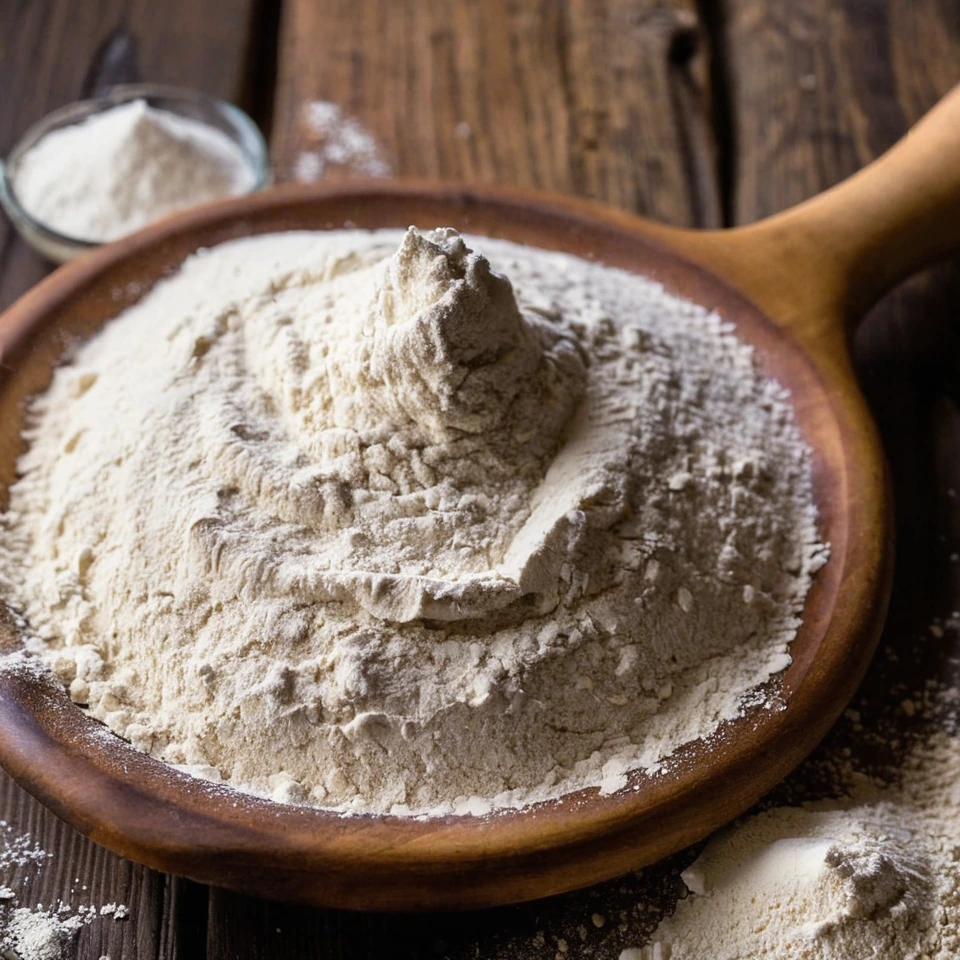
All-Purpose Flour
All-purpose flour is a versatile wheat flour that contains a moderate level of protein and gluten, making it suitable for a wide range of baking and cooking needs.
Recipes to try
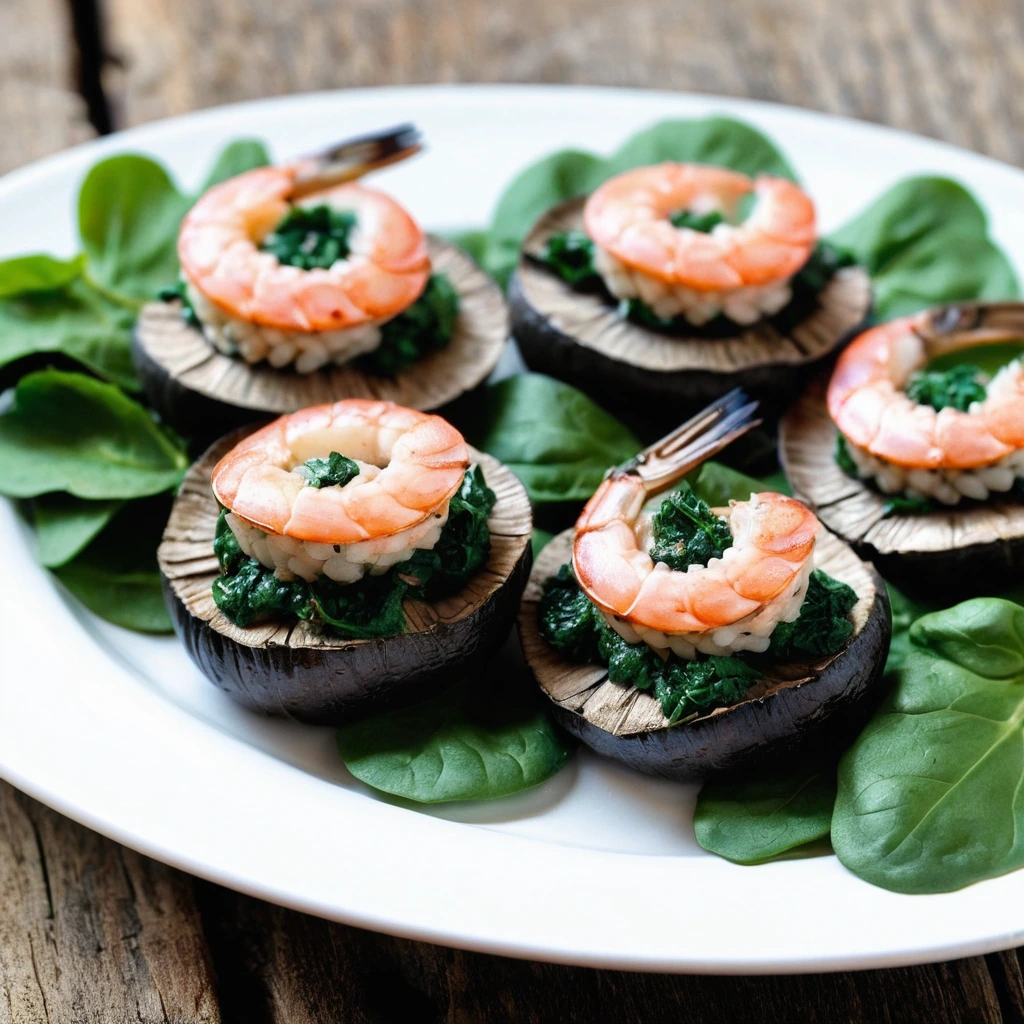
Shrimp and Spinach Stuffed Portobellos
Tender shrimp mingles with sautéed spinach in a savory filling, nestled inside roasted portobello mushrooms for a satisfying vegetarian-friendly main.
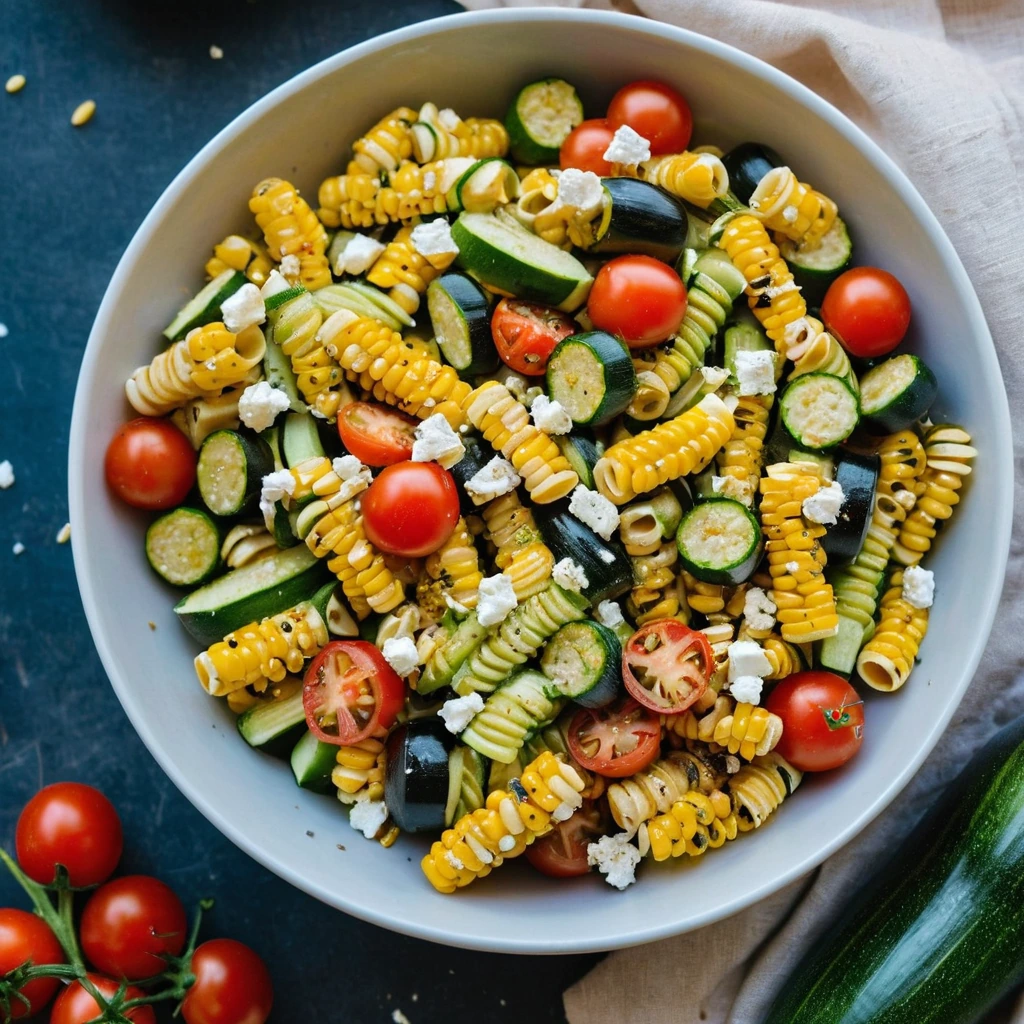
Roasted Zucchini, Corn, and Tomato Pasta Salad
This vibrant pasta salad is bursting with smoky roasted veggies and tangy feta, making every bite a taste of summer.