Knife Skills: Splitting Lobster Tails Safely
Mastering the art of splitting lobster tails safely is a skill every home cook should possess. It allows you to transform a whole lobster tail into a succulent, ready-to-cook piece with minimal fuss. This technique is essential for preparing gourmet dishes like grilled lobster tails or lobster pasta. By following this method, you ensure that the meat remains intact and the shell is cleanly split, providing a perfect vessel for stuffing or grilling. First, understanding the anatomy of a lobster tail is crucial. The tail is encased in a hard shell, with delicate meat inside that can easily be damaged if not handled correctly. The key is to approach the task with the right tools and technique. A sharp chef's knife is indispensable, as is a kitchen towel for grip. Start by laying the lobster tail on a stable surface and use the towel to secure it, preventing any accidental slips. Apply gentle but firm pressure to avoid crushing the delicate meat inside. The technique involves making a precise cut along the underside of the tail, exposing the succulent flesh within. Once split, the meat can be gently lifted out for cooking or left in the shell for presentation. This method ensures safety, preserves the integrity of the meat, and makes cooking and serving a breeze. With practice, this skill becomes second nature, allowing you to handle lobster tails with ease and confidence.
Notes
This technique works by leveraging precision and control to safely split the lobster tail without damaging the delicate meat inside. A sharp knife is crucial to avoid crushing the flesh; a dull blade requires more force and can lead to mistakes. Common mistakes include using too much force, which can tear the meat, or making an uneven cut that leaves parts of the shell unopened. For safety, always ensure your cutting surface is stable and your grip on the lobster is secure to prevent injuries. This technique allows for make-ahead preparation; you can split and devein the lobster tails a few hours before cooking. Store them in the refrigerator, covered, until ready to cook. Proper handling ensures freshness and taste are preserved.
Steps
- 1 Place the lobster tail on a cutting board with the underside facing up.
- 2 Use a kitchen towel to grip the tail firmly, preventing it from slipping.
- 3 Locate the top shell's center line running along the tail's underside.
- 4 Holding a sharp chef's knife at a slight angle, insert the tip into the center line at the tail's thickest part.
- 5 Apply gentle pressure and slide the knife along the underside, cutting through the shell and meat just enough to split it open.
- 6 Once the cut is made, use your thumbs to gently pry the shell open along the cut.
- 7 Carefully lift the meat out of the shell, leaving it attached at the tail fan end.
- 8 Devein the lobster by gently pulling out the black intestinal tract with your fingers or a small fork.
- 9 Rinse the meat and shell under cold water to clean any remaining debris.
- 10 Pat the meat and shell dry with paper towels before cooking.
Ingredients to explore
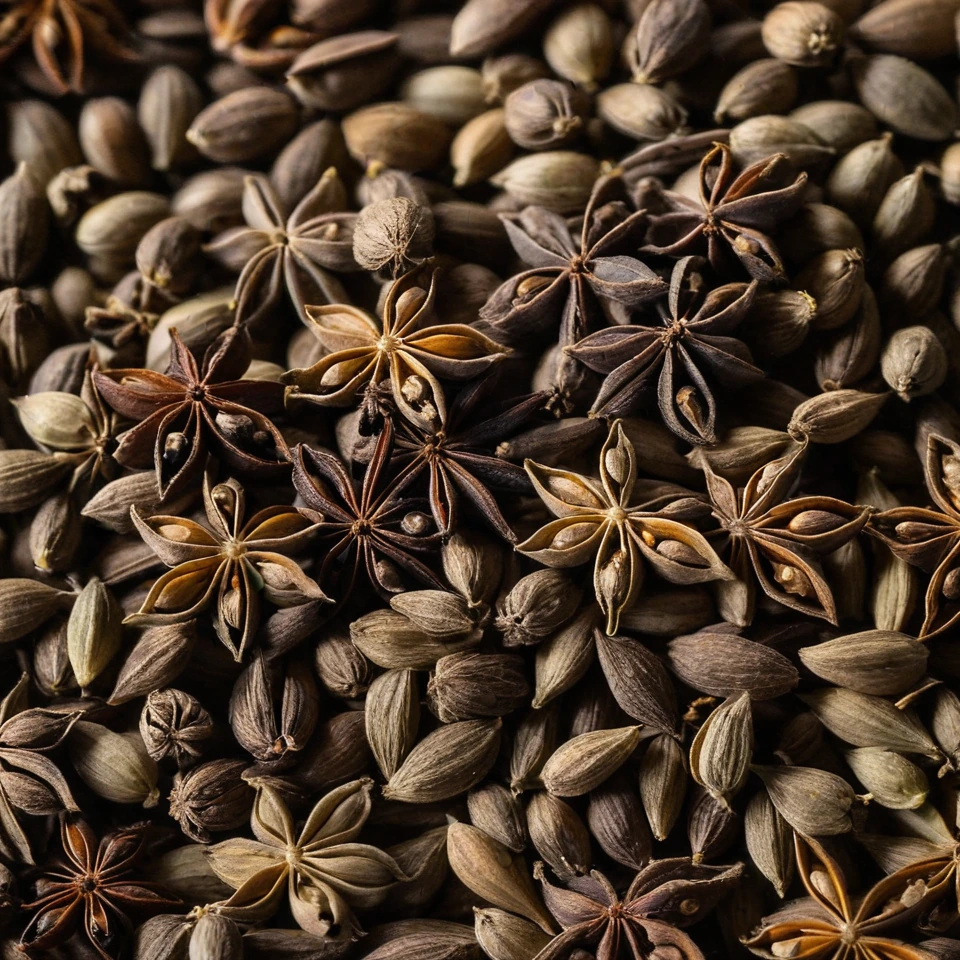
Anise Seeds
Anise seeds are small, oval seeds with a sweet, licorice-like flavor. They are commonly used in both sweet and savory dishes, offering a warm, aromatic taste.
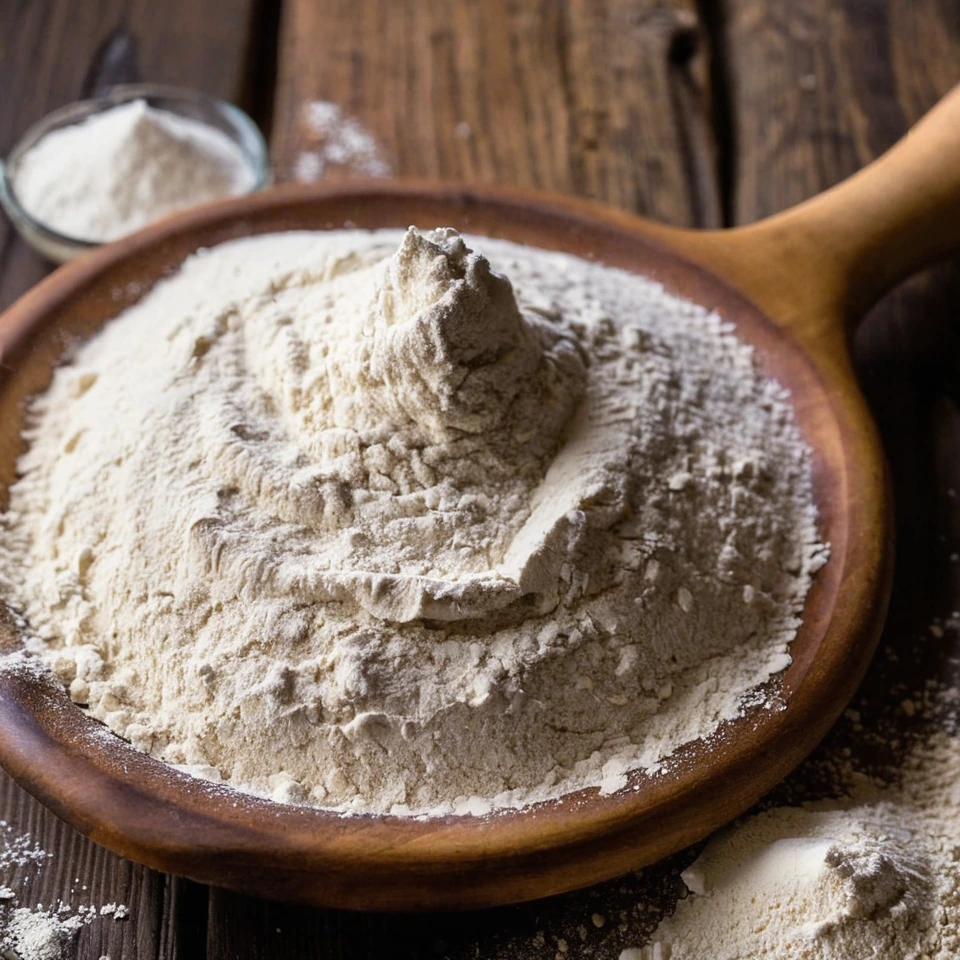
All-Purpose Flour
All-purpose flour is a versatile wheat flour that contains a moderate level of protein and gluten, making it suitable for a wide range of baking and cooking needs.
Recipes to try
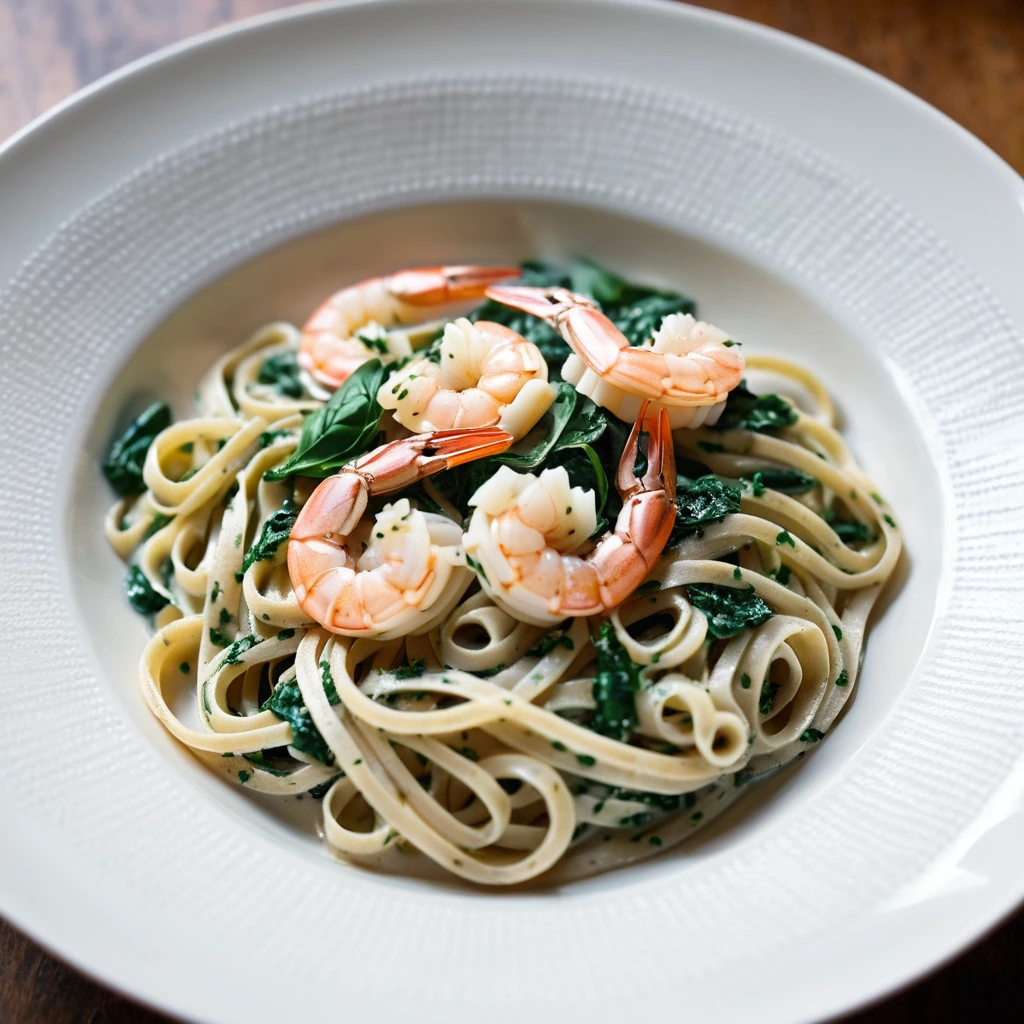
Shrimp and Spinach Linguine in White Wine Sauce
Succulent shrimp and fresh spinach mingle in a creamy white wine sauce, twirled into perfectly al dente linguine.
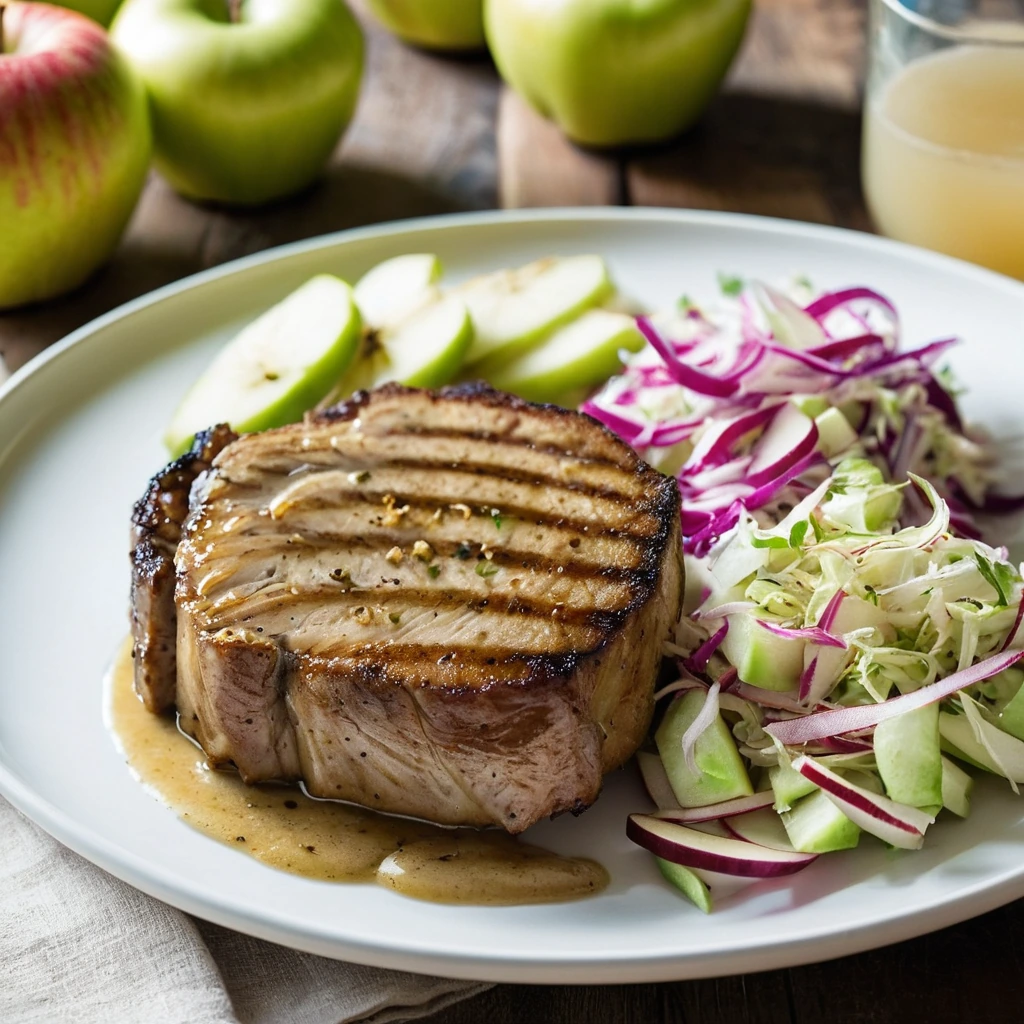
Maple Mustard Pork Chops with Apple Slaw
Tender pork chops kissed with a tangy maple mustard glaze, served alongside a crisp, sweet-tart apple slaw.