Knife Skills: Slicing Steak Against the Grain
Mastering the art of slicing steak against the grain is essential for achieving tender, melt-in-your-mouth results. This technique might seem daunting at first, but with a bit of practice and understanding, you'll be slicing like a seasoned chef in no time. The grain refers to the direction of the muscle fibers within the steak. Cutting against these fibers shortens their length, making each bite easier to chew. First, identify the grain by looking at the surface of the steak; the fibers will appear as parallel lines. Once you’ve got that down, holding your knife at a consistent angle is crucial to ensure even slices. This guide will walk you through the process, from selecting the right knife to mastering the motion and understanding why this technique is so effective. Whether you're preparing a ribeye, flank steak, or skirt steak, slicing against the grain will elevate your steak game and impress your dinner guests with restaurant-quality results.
Notes
Understanding why slicing against the grain works is key to appreciating this technique. Muscle fibers are long and can be tough if not properly cut. By slicing against the grain, you effectively shorten these fibers, resulting in a more tender piece of meat. A common mistake is failing to correctly identify the grain, leading to tougher slices. Always examine the steak closely before you begin. Another issue is using a dull knife, which can crush fibers rather than slice through them cleanly. Always ensure your knife is sharp before use. For safety, keep your fingers tucked and use a claw grip to hold the steak. Sliced steak can be stored in an airtight container in the refrigerator for up to 3 days, but it’s best enjoyed fresh.
Steps
- 1 Select a sharp chef’s knife or slicing knife, 6 to 8 inches long.
- 2 Allow the cooked steak to rest for 5 to 10 minutes before slicing.
- 3 Place the steak on a clean cutting board.
- 4 Examine the steak to identify the direction of the muscle fibers.
- 5 Hold the steak firmly with your non-dominant hand.
- 6 Position your knife perpendicular to the grain at a slight angle.
- 7 Slice with smooth, even strokes, applying gentle pressure.
- 8 Aim for slices that are 1/4 to 1/2 inch thick for most cuts.
- 9 Turn the steak as needed to maintain slicing against the grain.
- 10 Keep slices intact by transferring them gently to a plate.
- 11 Check each slice to ensure you're still cutting against the grain.
- 12 Adjust your slicing angle if you notice the fibers are not being shortened.
- 13 Repeat until the entire steak is sliced.
- 14 Serve immediately for the best flavor and texture.
Ingredients to explore
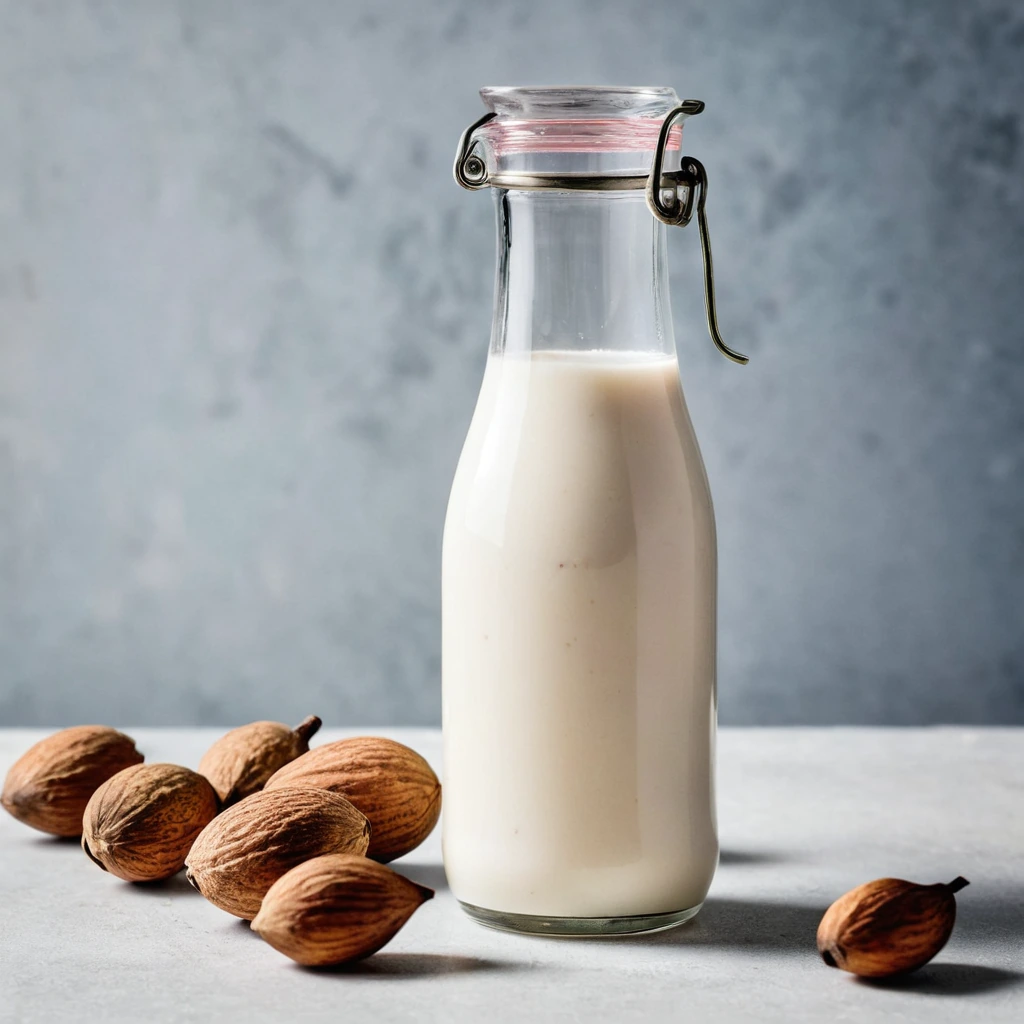
Almond Milk
Almond milk is a plant-based milk alternative made from ground almonds and water. Originating from traditional recipes in medieval Europe and the Middle East, it has gained widespread popularity in modern times as a dairy-free option. Almond milk has a subtly nutty flavor with a mild sweetness, and its aroma is reminiscent of fresh almonds. Its texture is smooth and creamy, though typically lighter than dairy milk. In cooking, almond milk behaves well in both savory and sweet applications, though it does not brown or caramelize like dairy milk. It is often used in cereals, smoothies, and baking, where its delicate flavor complements rather than overpowers other ingredients.
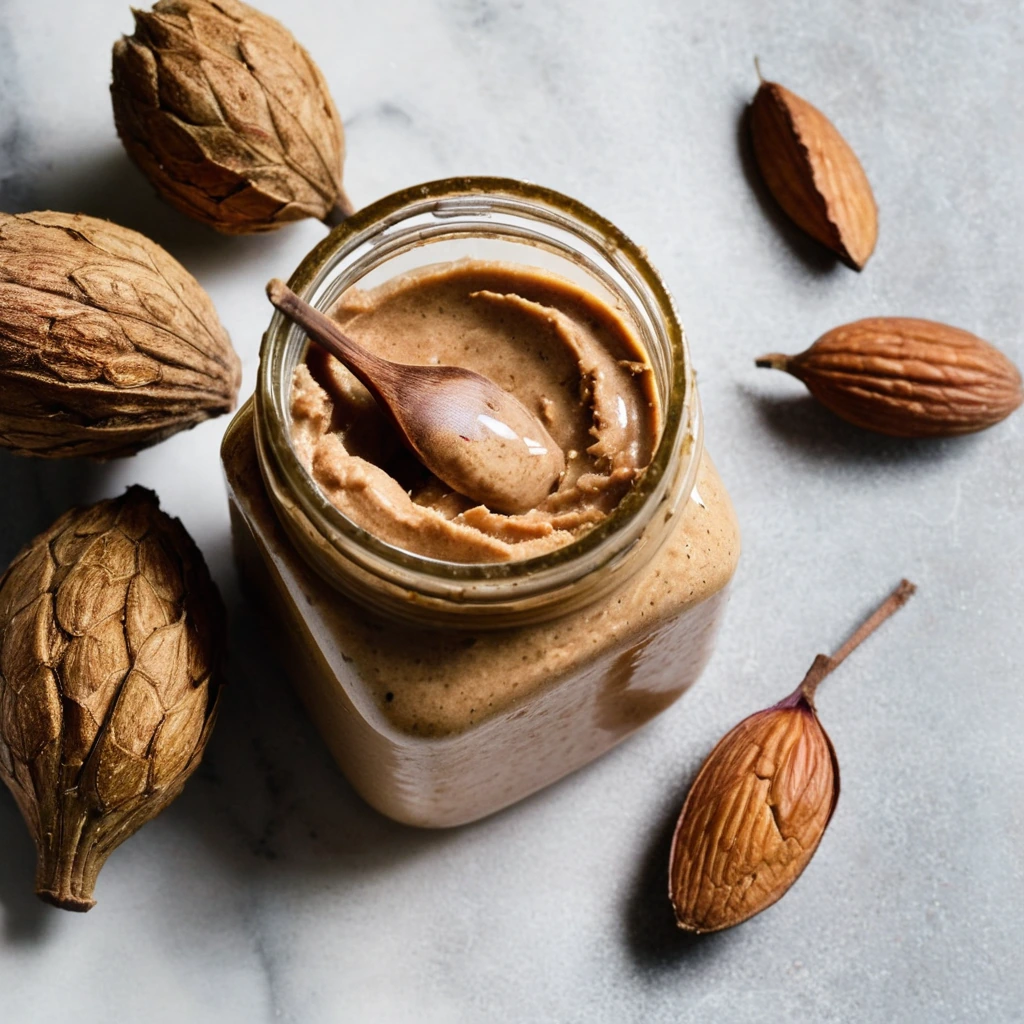
Almond Butter
A velvety, nutty spread crafted from finely ground almonds, offering a rich and satisfying flavor that's both comforting and indulgent.
Recipes to try
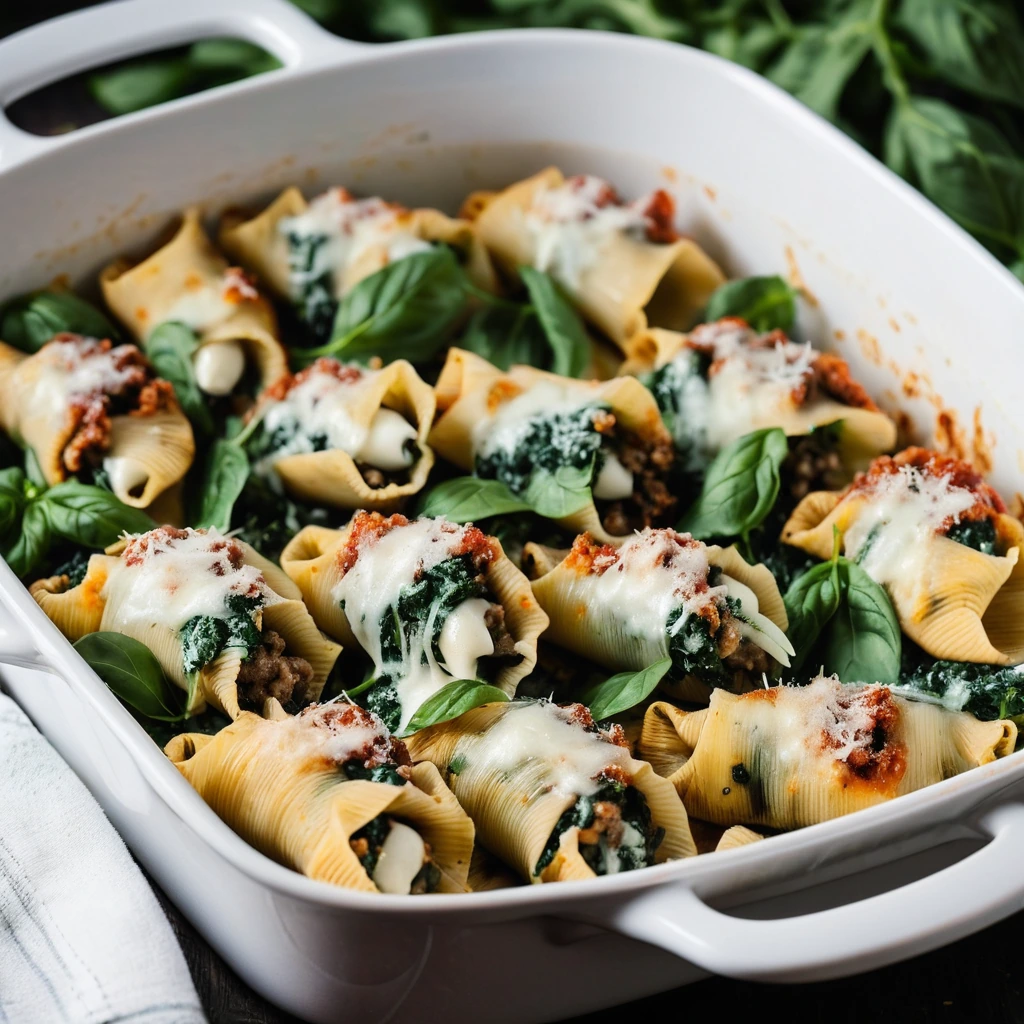
Sausage and Spinach Stuffed Shells Bake
Creamy ricotta and hearty sausage nestled in pasta shells, crowned with a blanket of melted mozzarella and fresh spinach.
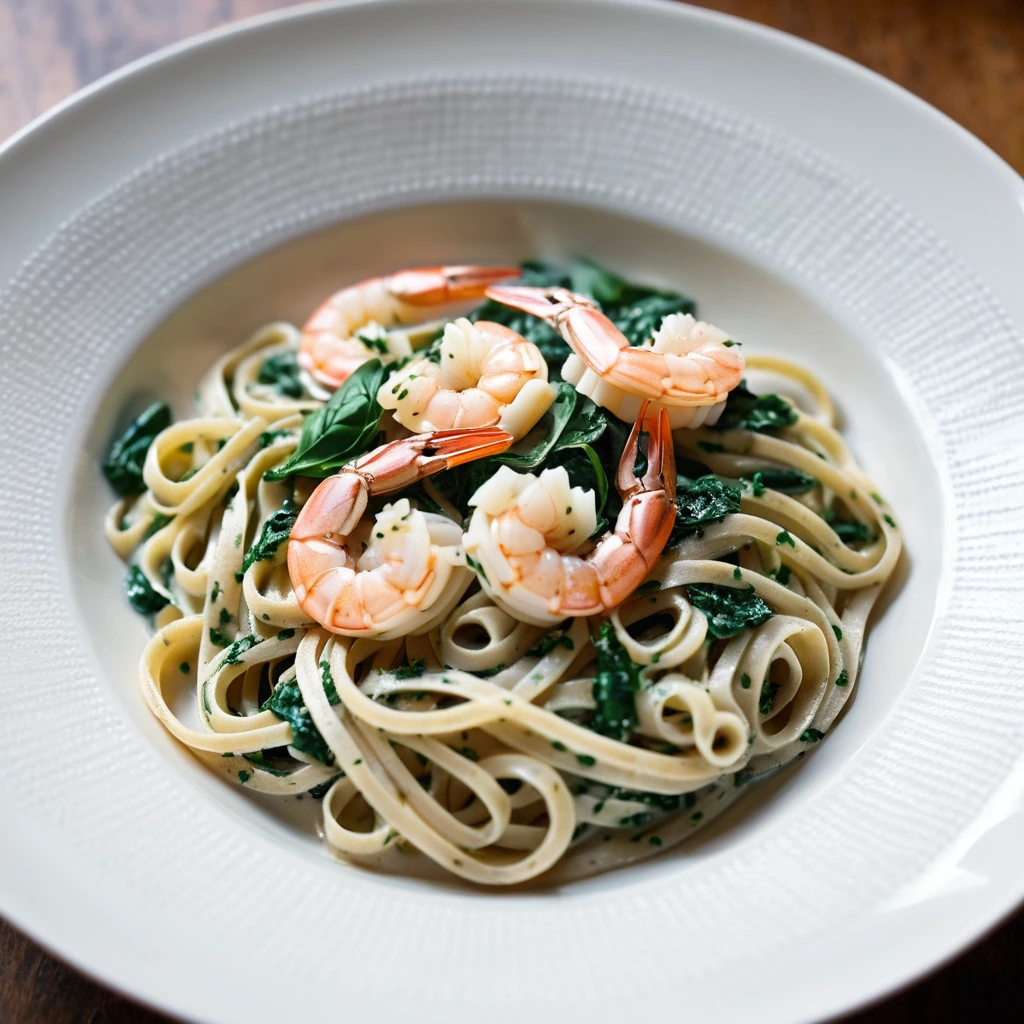
Shrimp and Spinach Linguine in White Wine Sauce
Succulent shrimp and fresh spinach mingle in a creamy white wine sauce, twirled into perfectly al dente linguine.