Knife Skills: Scoring Duck Breast Skin
Scoring the skin of a duck breast is a crucial step in achieving that perfect, crispy texture we all crave. This technique not only ensures even cooking but also allows the fat to render more efficiently, enhancing flavor. Let's dive into why this seemingly intricate maneuver is actually quite simple and well within your culinary grasp. First, understanding the structure of duck skin is essential. The skin is thick and contains a substantial layer of fat beneath. Scoring helps break this layer into manageable sections, ensuring heat penetrates evenly. Without proper scoring, the skin might remain rubbery, a common pitfall for many home cooks. By creating small, precise cuts, we unlock the potential for a beautifully caramelized exterior. This technique also helps control the amount of fat rendered, preventing flare-ups and allowing you to manage the richness of your dish. Fear not if you've never held a chef's knife with confidence before—this guide will walk you through each step with clarity and ease. With a sharp knife and a bit of patience, you'll soon be impressing your guests with restaurant-quality duck dishes.
Notes
Understanding the science behind scoring duck breast skin can elevate your cooking. The grid pattern increases the surface area, allowing for more efficient heat transfer and fat rendering. This controlled rendering ensures that the skin crisps up beautifully without burning. A common mistake is cutting too deeply, which can result in a less appealing texture and potential loss of juices from the meat. To avoid this, focus on maintaining a consistent angle and depth with each cut. Safety is paramount; always use a sharp knife, as a dull blade can slip and cause injury. As for make-ahead preparation, you can score the duck breast up to a day in advance and store it uncovered in the refrigerator to dry out the skin further, enhancing crispiness when cooked.
Steps
- 1 Pat the duck breast dry with paper towels.
- 2 Place the duck breast skin-side down on a cutting board.
- 3 Hold the knife at a 45-degree angle to the skin.
- 4 Score the skin in parallel lines, cutting through the fat but not the meat beneath.
- 5 Space the cuts about 1/4 to 1/2 inch apart.
- 6 Use a gentle sawing motion to avoid applying too much pressure.
- 7 Rotate the duck breast 90 degrees.
- 8 Score perpendicular lines to create a grid pattern.
- 9 Ensure each cut is consistent in depth and spacing.
- 10 Wipe off any excess moisture from the surface of the skin.
Ingredients to explore
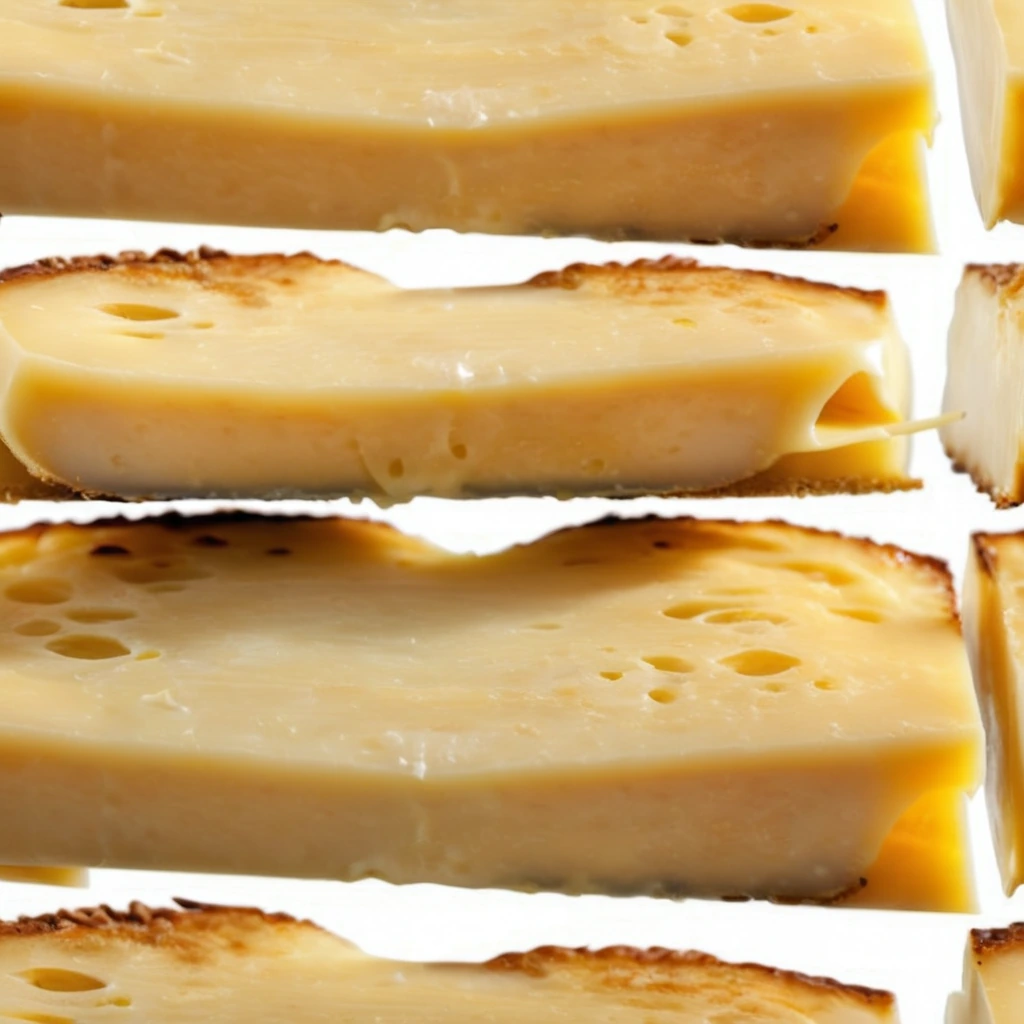
American Cheese Slices
Those iconic, perfectly pliable slices of creamy, mild American cheese. Each slice boasts a smooth, melt-in-your-mouth texture that brings comfort to any dish.

Agave Nectar
A golden, velvety sweetener derived from the agave plant, offering a subtly sweet flavor with a smooth, syrup-like texture.
Recipes to try
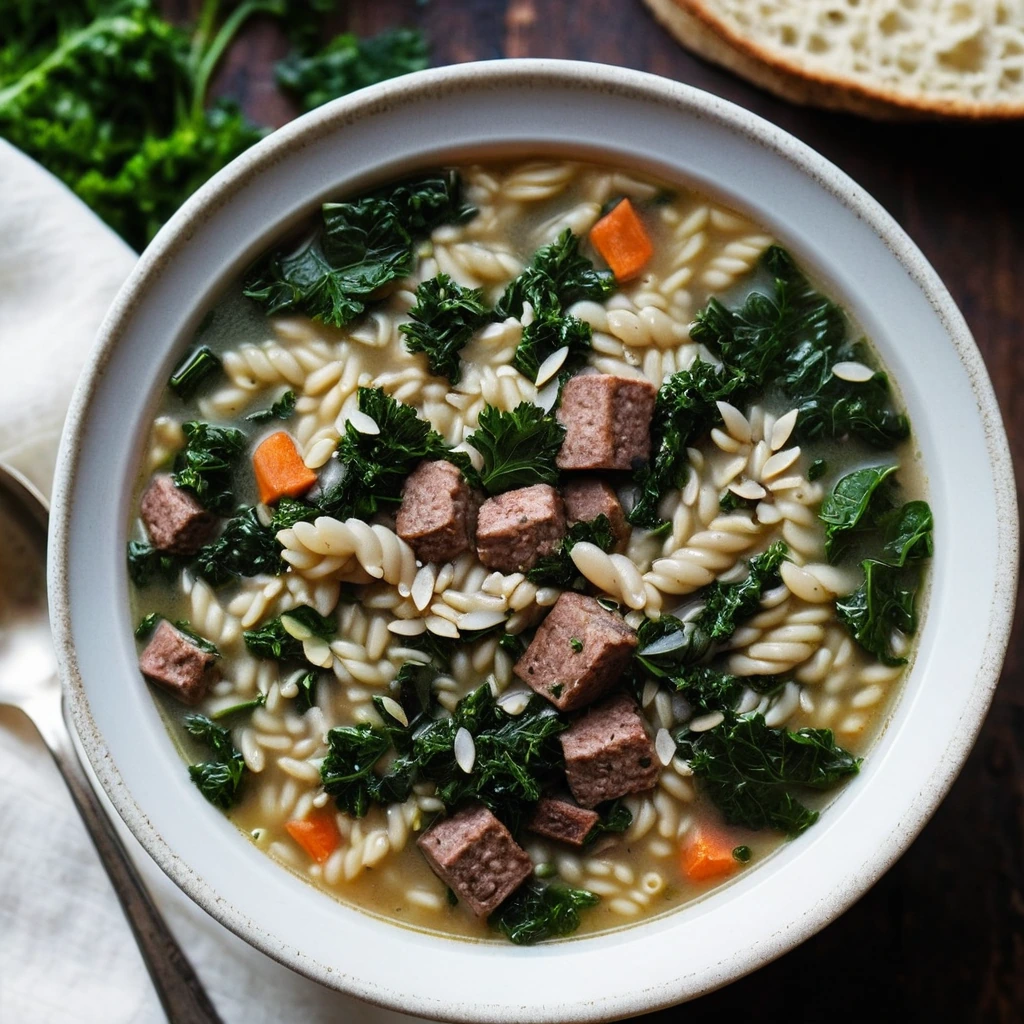
Sausage, Kale, and White Bean Orzo Soup
This hearty soup is a cozy hug in a bowl, brimming with smoky sausage, tender kale, and creamy white beans in a savory broth.

Spicy Sausage and Roasted Red Pepper Rigatoni
A zesty dance of spicy sausage and smoky roasted red peppers twirled in al dente rigatoni.