Knife Skills: Pitting and Chopping Stone Fruit
Mastering the art of pitting and chopping stone fruit is an essential skill for any home cook looking to elevate their culinary game. Stone fruits like peaches, nectarines, plums, and cherries are summer's jewels, but getting to their tender flesh without turning your kitchen into a slippery battleground can be tricky. Fear not! This technique will guide you through the process with confidence and precision. First, selecting ripe but firm fruit is crucial; overly soft fruit can make pitting difficult and dangerous. Then, understanding the anatomy of the fruit helps in identifying the pit's location and how to navigate around it. Safety is key, so always use a sharp knife—it offers more control than a dull one. We'll walk you through how to hold the fruit securely, make precise cuts, and efficiently remove the pit without squandering any of that succulent fruit. Once the pit is out, chopping the fruit into uniform pieces ensures even cooking and a professional presentation. This guide covers everything from selecting the right tools to handling the sticky juices that come with the territory. Whether you're prepping a fruit salad, a compote, or just enjoying them fresh, these skills will make your time in the kitchen more enjoyable and productive.
Notes
Understanding why a sharp knife is essential lies in the science of cutting: a sharp edge requires less force, reducing the risk of slipping and injury. For those who struggle with particularly clingy pits, a small melon baller can be a lifesaver. When dealing with exceptionally juicy fruits like peaches, consider wearing gloves to protect your hands from staining. To tackle browning, toss the chopped fruit with a bit of lemon juice. For make-ahead preparation, store the chopped fruit in an airtight container in the refrigerator for up to two days. If you plan to freeze the fruit, blanching before chopping can help preserve texture and color.
Steps
- 1 Select ripe but firm stone fruit for easier handling.
- 2 Rinse the fruit under cool water and pat dry with a clean towel.
- 3 Hold the fruit firmly in one hand and a sharp paring knife in the other.
- 4 Slice around the fruit's equator, applying gentle pressure to avoid slipping.
- 5 Twist the halves in opposite directions to separate them around the pit.
- 6 Lift out the pit with your fingers or use the knife to gently pry it out if necessary.
- 7 Place each half flat-side-down on your cutting board.
- 8 Slice each half into even wedges, aiming for uniform size.
- 9 Cut the wedges into desired-sized pieces, depending on your recipe.
- 10 If desired, remove the skins with a small paring knife or blanching technique.
- 11 Transfer the chopped fruit to a bowl as you work to keep your cutting board clear.
- 12 Taste a piece to check for ripeness and sweetness.
- 13 Discard any bruised or discolored portions.
- 14 Clean your knife and cutting board immediately to avoid sticky residue buildup.
Ingredients to explore

Agave Nectar
A golden, velvety sweetener derived from the agave plant, offering a subtly sweet flavor with a smooth, syrup-like texture.

Anaheim Peppers
Anaheim peppers are a mild chili pepper variety named after Anaheim, California, where they were first cultivated commercially. Originating from the New Mexico region, these peppers are celebrated for their versatility and gentle heat. They possess a flavor that is mildly sweet with a subtle tang, and a pleasant vegetal note reminiscent of green bell peppers, but with a hint of spice. Their texture is firm and crisp when fresh, becoming tender and slightly smoky when roasted or cooked. In cooking, Anaheim peppers behave well across a range of techniques, from grilling and roasting to stuffing and sautéing, contributing a nuanced depth without overwhelming other ingredients with heat.
Recipes to try
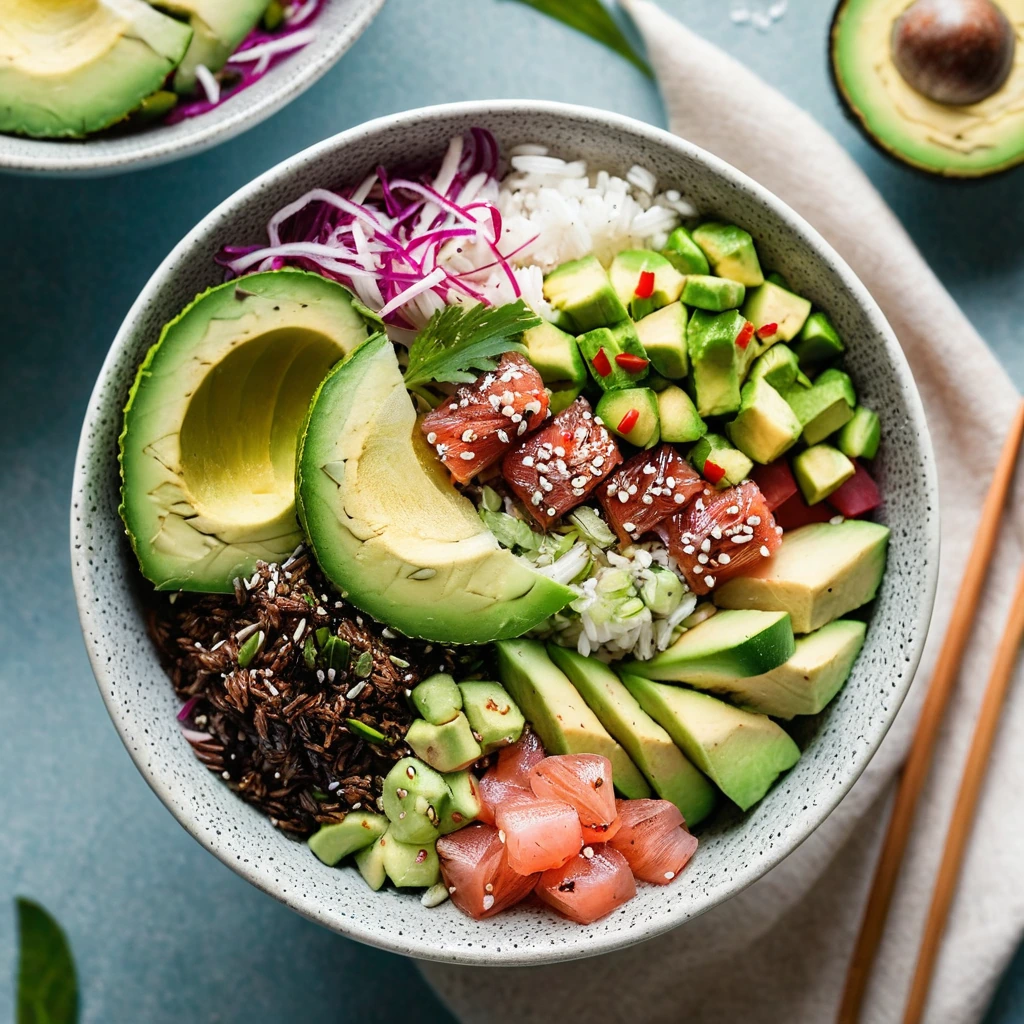
Spicy Tuna and Avocado Poke Bowls
Bright and zesty, these poke bowls are a fiesta of flavors with spicy tuna and creamy avocado.

Sausage and Ricotta Stuffed Squash Boats
Tender roasted squash halves are stuffed with a savory mix of Italian sausage and creamy ricotta, making for a comforting and hearty meal.