Knife Skills: Peeling Ginger with a Spoon
Peeling ginger can be a tedious task, often leaving your fingers smelling like the spice for hours. Fear not, home cook! There's a clever technique that uses a simple kitchen tool you already have: a spoon. This method is efficient, keeps your hands ginger-free, and preserves more of the flavorful flesh of the root. Here, we delve into the whys and hows of this technique. First, understanding ginger's skin is crucial. It's thin yet tightly adheres to the flesh beneath, making it tricky to remove without waste. Enter the spoon, which offers a broad, flat surface perfect for scraping off the skin while keeping the ginger intact. This technique not only saves time but also reduces waste, ensuring you get the most out of every nubby piece. We'll guide you through each step, from selecting the right spoon to executing the peel with precision. You'll learn how to hold your ginger, angle your spoon, and apply just the right pressure to peel efficiently without carving away precious ginger. This method is a game-changer for anyone who frequently cooks with ginger, from stir-fries to teas, and it’s surprisingly easy to master with a bit of practice.
Notes
The science behind this technique lies in the gentle yet effective pressure applied by the spoon's surface. Unlike a knife, which can easily remove too much of the ginger's flesh, a spoon allows for precise control, minimizing waste. A common mistake is using too much force, which can lead to accidental gouging of the ginger. To avoid this, maintain a steady hand and let the spoon do the work. Safety-wise, this method is far superior to using a knife, especially for those new to handling sharp objects. Additionally, peeled ginger can be stored in an airtight container in the refrigerator for up to a week or frozen for longer storage. To freeze, simply wrap the peeled ginger in plastic wrap to prevent freezer burn.
Steps
- 1 Select a ginger root that feels firm and has a smooth skin.
- 2 Choose a standard tablespoon with a rounded edge for optimal peeling.
- 3 Hold the ginger firmly with one hand, positioning the spoon in your other hand.
- 4 Starting at one end, place the back of the spoon against the skin of the ginger.
- 5 Gently scrape downwards with moderate pressure, allowing the skin to lift off.
- 6 Rotate the ginger and repeat the scraping motion until all skin is removed.
- 7 Use the tip of the spoon for tighter curves and harder-to-reach areas.
- 8 Rinse the peeled ginger under cool water to remove any remaining skin particles.
- 9 Pat the ginger dry with a clean kitchen towel before use or storage.
Ingredients to explore
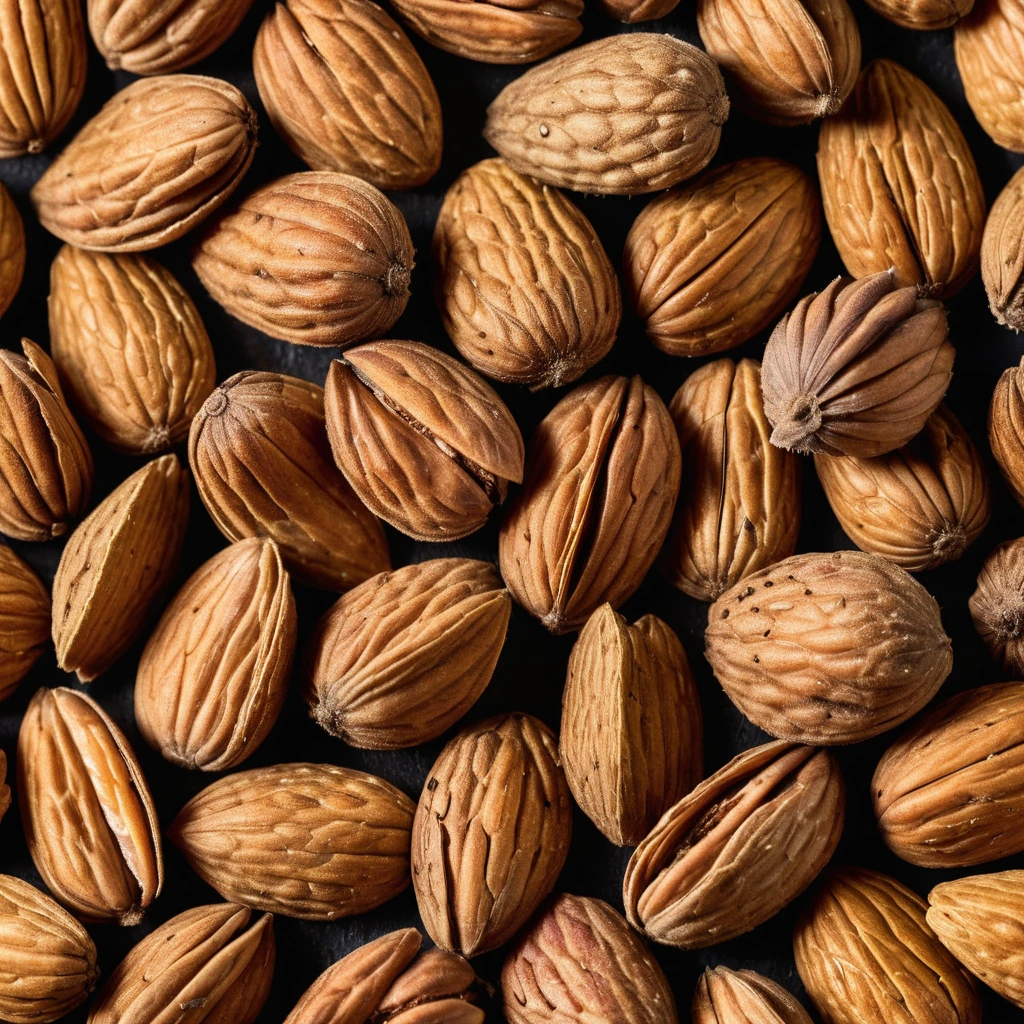
Almonds
With their golden-brown hue and delicate, edible skin, almonds are a crunchy delight. These versatile nuts boast a rich, buttery flavor that adds depth to both sweet and savory dishes.
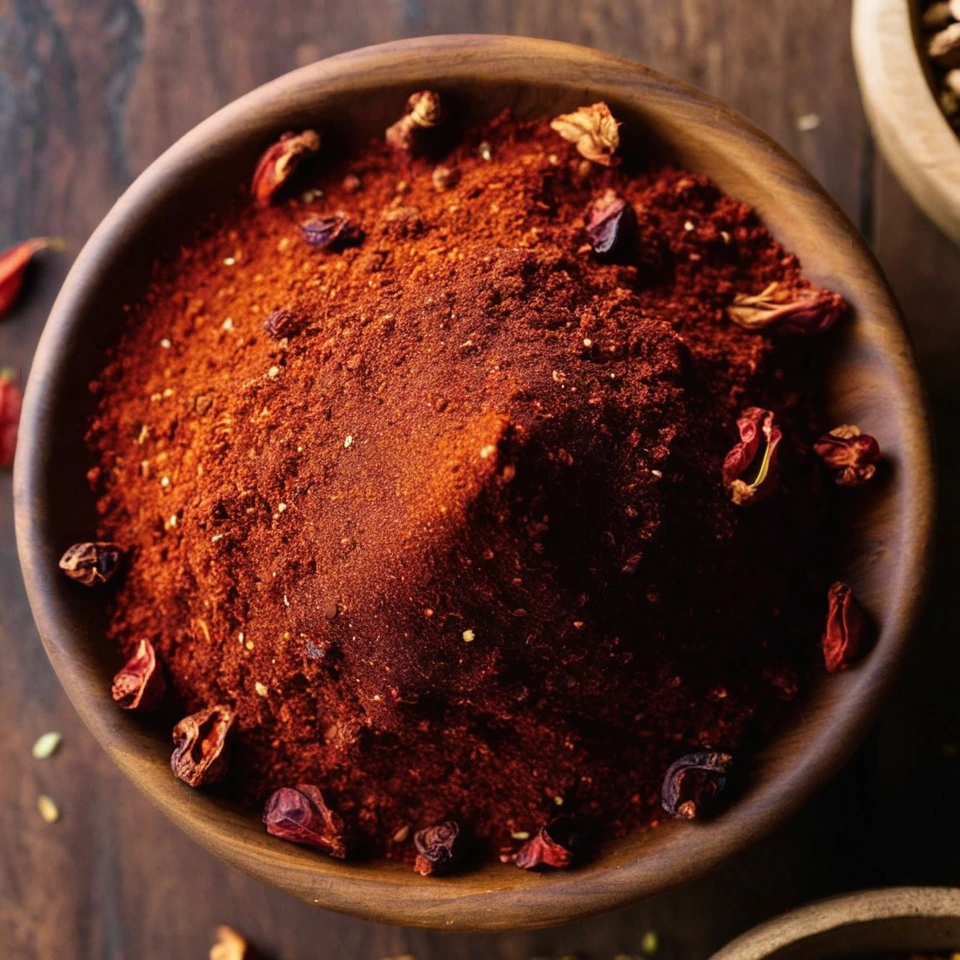
Aleppo Pepper
Aleppo pepper offers a harmonious balance of heat and sweetness, with a subtle fruity aroma reminiscent of sun-dried tomatoes and currants. Originating from the region around Aleppo, Syria, it has a fine, slightly coarse texture that shatters easily between fingers. Its mild yet complex flavor profile makes it a prized seasoning for enhancing dishes without overwhelming them. Valued for its versatility, it bridges the gap between spice and seasoning, bringing a touch of warmth and depth to a variety of cuisines.
Recipes to try
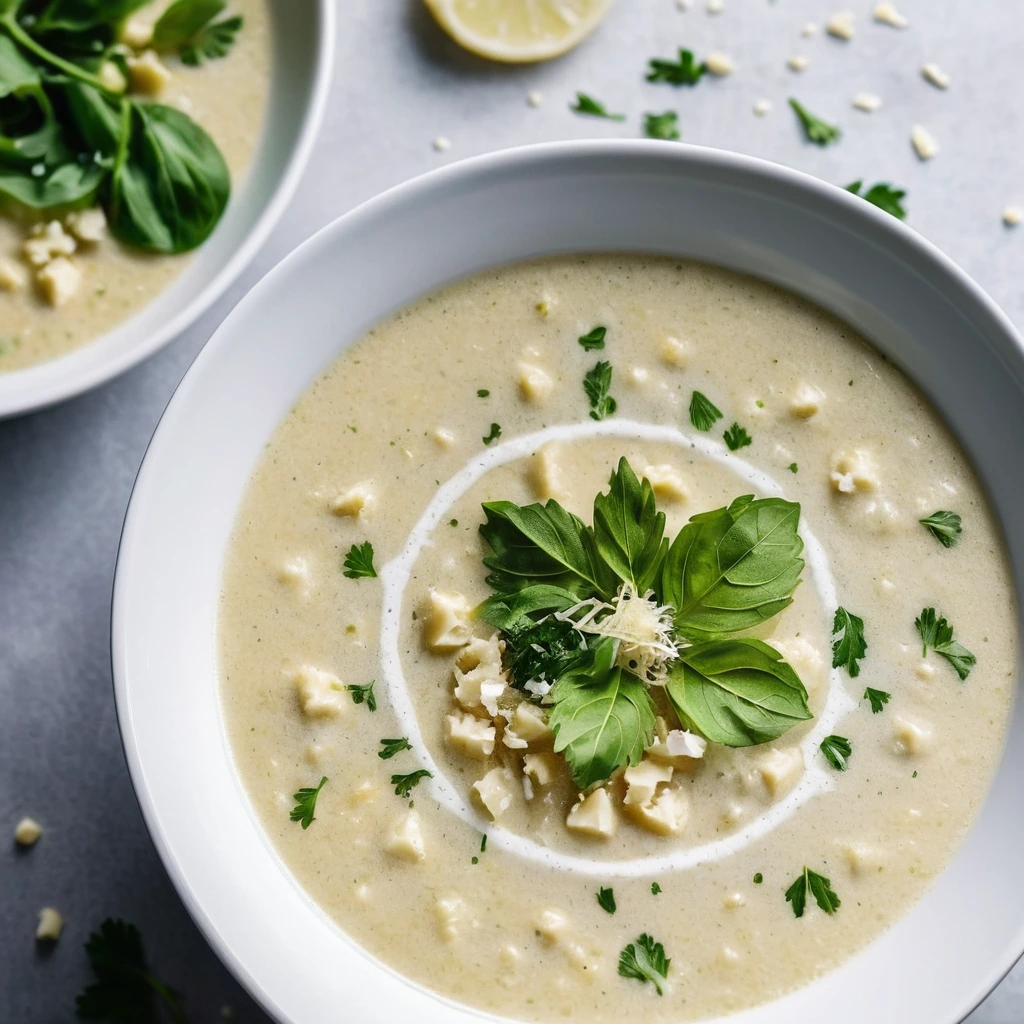
Roasted Cauliflower and Garlic Soup with Parmesan
This velvety soup is a symphony of roasted cauliflower and garlic, kissed with nutty Parmesan for a cozy, crave-worthy bowl.

Mushroom and Lentil Bolognese over Spaghetti
A hearty, savory Bolognese packed with earthy mushrooms and protein-rich lentils, served over perfectly al dente spaghetti.