Knife Skills: Opening and Seeding Winter Squash Safely
Mastering the art of opening and seeding winter squash is a crucial skill for any home cook. These hearty vegetables, with their thick, tough skins, can be intimidating to tackle. However, with the right technique, you can safely and efficiently prepare them for roasting, pureeing, or baking. This guide will walk you through the process with confidence, ensuring you avoid common pitfalls and keep your fingers intact. We'll start by selecting the right tools, like a sturdy chef's knife and a reliable cutting board, before diving into the detailed steps. Understanding the structure of winter squash is key: the stem should be intact, and the skin should be firm with no soft spots. Once you grasp the anatomy, you'll see how to leverage natural seams and curves to your advantage. We'll also discuss how to stabilize the squash while cutting and the safest way to remove seeds without a fuss. Finally, we'll explore why these techniques work, from the physics of knife angles to the biology of squash structure, and how to store your prepared squash for maximum freshness.
Notes
The technique works because it leverages the natural structure of the squash, making it easier to cut through the tough skin. Using a sharp knife is crucial; a dull blade requires more force and increases the risk of slipping. Always cut away from your body and keep your fingers tucked to avoid injury. A common mistake is rushing the process, which can lead to accidents. For storage, keep uncut squash in a cool, dry place for several weeks. Once cut, store in an airtight container in the refrigerator for up to five days. The seeds, once roasted, can be kept in an airtight container for up to a month.
Steps
- 1 Select a ripe winter squash with a firm skin and intact stem.
- 2 Place the squash on a stable cutting board.
- 3 Hold the squash firmly with one hand and a chef's knife with the other.
- 4 Carefully insert the knife into the natural seam of the squash and apply even pressure.
- 5 Slice downward in a controlled motion to cut through the squash.
- 6 Rotate the squash and repeat until you have cut it into manageable halves.
- 7 Scoop out the seeds and stringy pulp with a sturdy metal spoon.
- 8 Rinse the seeds under cool water if you plan to roast them.
- 9 Use a vegetable peeler or paring knife to remove the skin from the flesh if desired.
- 10 Cut the flesh into uniform cubes or slices as needed for your recipe.
Ingredients to explore
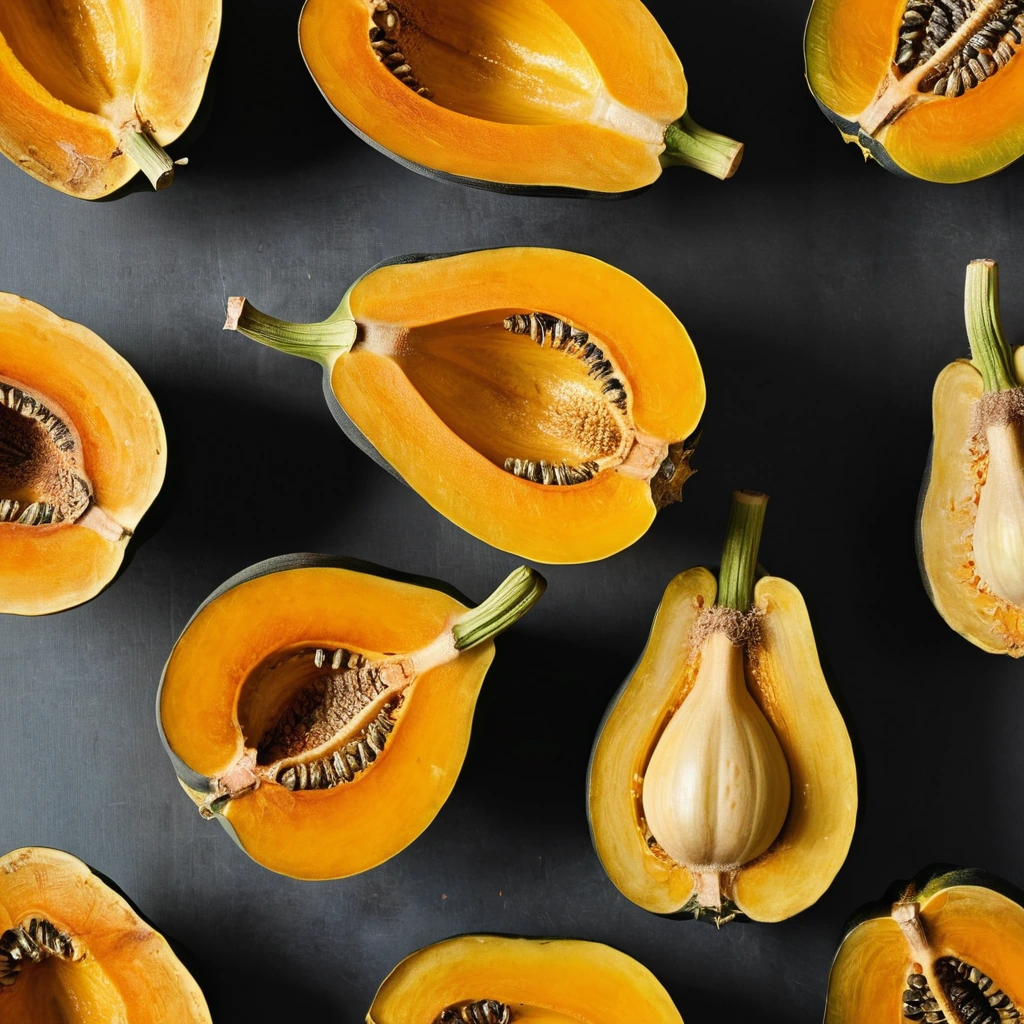
Acorn Squash
Acorn squash is a winter squash variety known for its distinctive teardrop shape and deep ridges resembling the texture of an acorn shell. Originating in the Americas, it has been cultivated for centuries and is a staple in autumn cuisine. The flesh is sweet and nutty with a hint of earthiness, offering a delightful contrast to savory dishes. Its texture is dense yet tender when cooked, making it ideal for roasting or pureeing. In cooking, acorn squash holds its shape well and absorbs flavors from herbs and spices, enhancing both its taste and versatility in recipes.
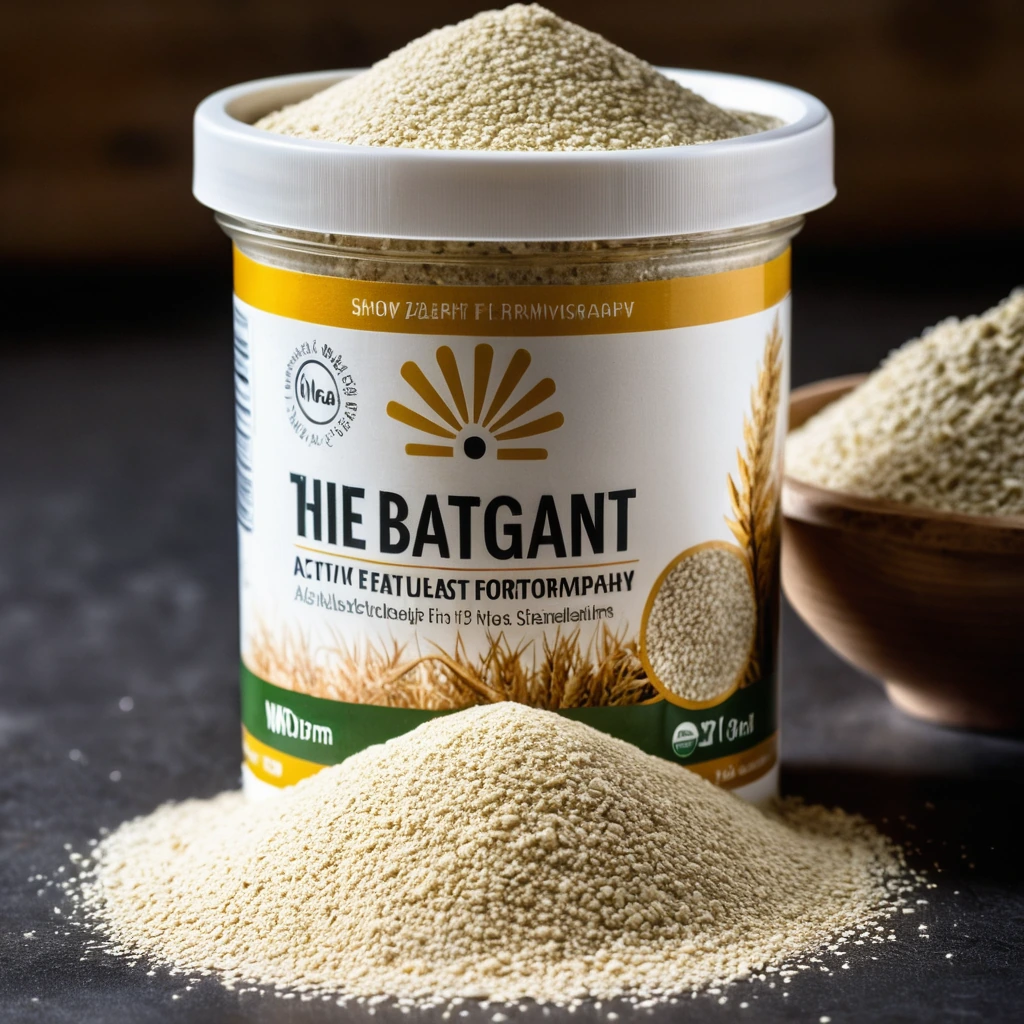
Active Dry Yeast
A fine, granulated leavening agent that brings baked goods to life with its gentle fermentation magic.
Recipes to try
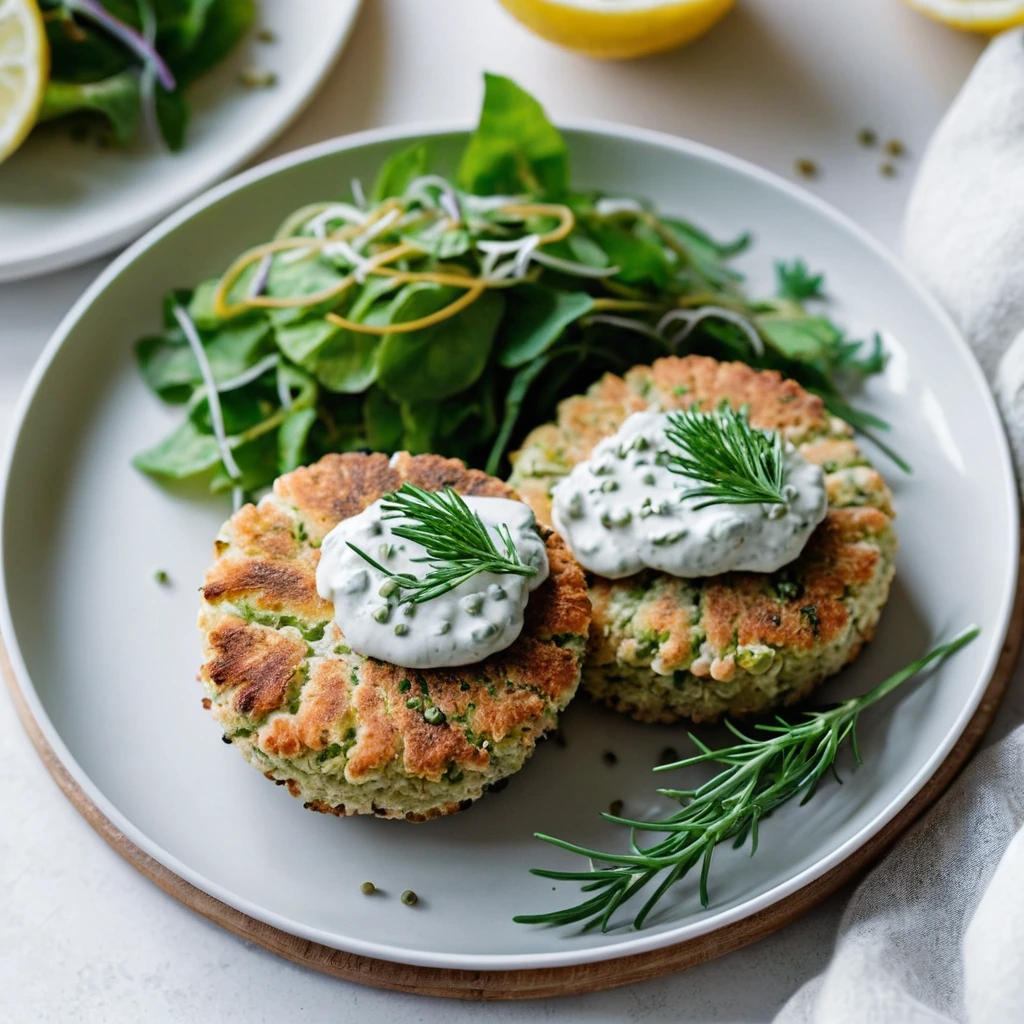
Lemon Dill Salmon Cakes with Caper Mayo
Golden, crispy salmon cakes bursting with fresh dill and zesty lemon, served with a tangy caper mayo that'll have you hooked.
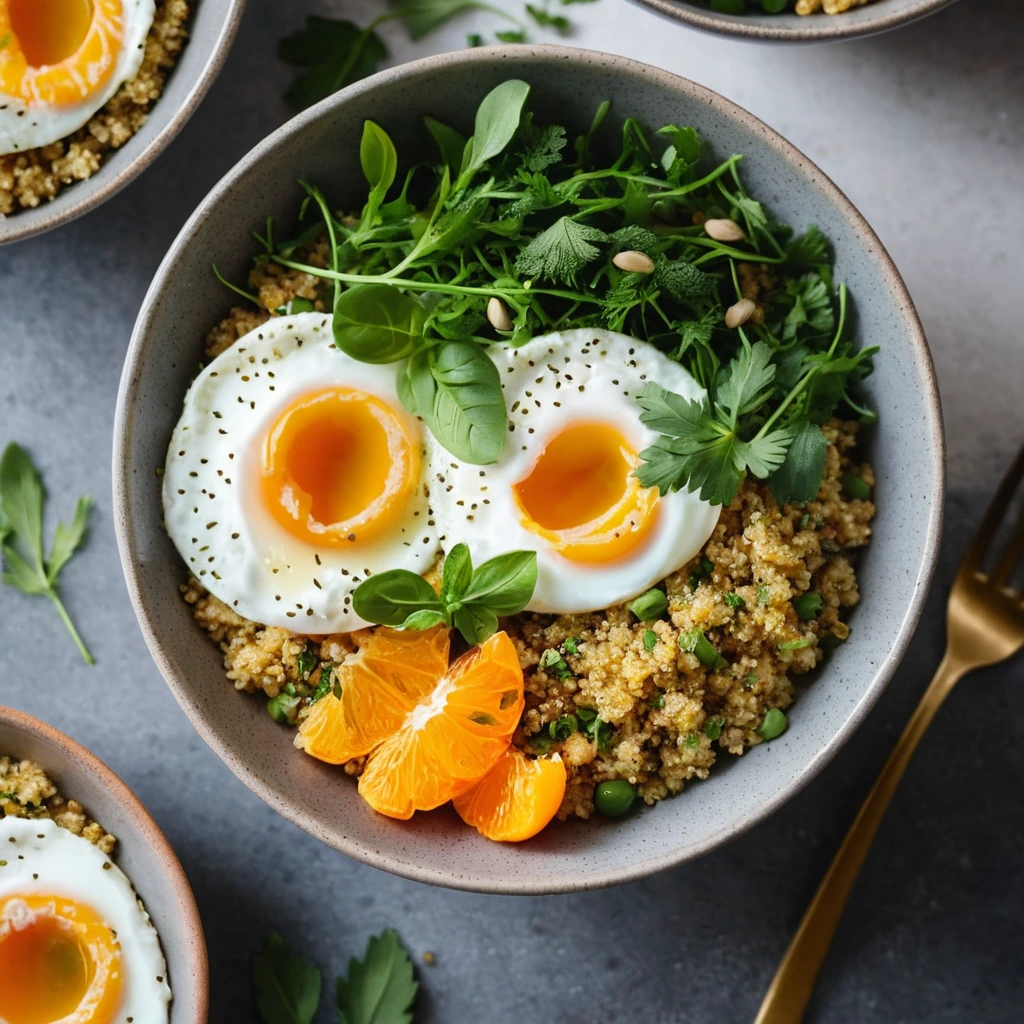
Savory Breakfast Bowls with Quinoa and Eggs
A hearty bowl brimming with fluffy quinoa, perfectly poached eggs, and a sprinkle of fresh herbs for a zesty morning start.