Knife Skills: Holding and Honing a Chef's Knife
Mastering knife skills is foundational to becoming a confident home cook. Understanding how to properly hold and hone a chef's knife is crucial for efficiency and safety in the kitchen. The grip you use can significantly impact your control and precision, while honing maintains the blade's edge for clean, effortless cuts. This guide will walk you through the nuances of a secure grip, the importance of a sharp blade, and the honing process to keep your knife in top condition. From selecting the right knife to understanding the sharpening angle, we'll cover everything you need to know to elevate your culinary game. You'll learn why honing is not sharpening but a critical step in knife maintenance that realigns the blade's edge, preventing accidents and enhancing performance. We'll delve into common mistakes, like gripping too tightly or using improper honing techniques, and offer practical advice to avoid them. By the end, you'll be equipped with the knowledge to handle your chef's knife like a pro, ensuring each slice, dice, and chop is executed with precision and ease.
Notes
Understanding the science behind honing clarifies why it's distinct from sharpening. Honing realigns the microscopic teeth of the blade edge, which bend out of alignment with use. This process is crucial for maintaining the knife's cutting efficiency and preventing accidents caused by a dull blade. A common mistake is gripping the knife too tightly, leading to fatigue and loss of control; relaxation is key. Another error is using too steep or shallow an angle when honing, which can damage the blade or fail to realign it properly. For safety, always hone away from your body and keep fingers tucked away from the blade's path. While honing is not a substitute for periodic professional sharpening, it is a vital part of routine knife care. For storage, consider options that protect the blade edge to preserve its condition between uses.
Steps
- 1 Select a chef's knife with a comfortable handle and well-balanced weight.
- 2 Hold the knife with your dominant hand, gripping the handle firmly but not tightly.
- 3 Position your index finger along the spine of the knife for better control.
- 4 Curl your remaining fingers around the handle for a secure grip.
- 5 Place a honing steel on a stable surface at a 20-degree angle to the blade.
- 6 Starting at the base of the blade, draw the knife edge across the steel in an arcing motion towards you.
- 7 Maintain consistent pressure and angle as you move from the base to the tip of the blade.
- 8 Repeat the honing process 4-6 times on each side of the blade.
- 9 Check the edge periodically by slicing through a tomato to assess sharpness.
- 10 Clean the honing steel with a soft cloth after use.
- 11 Store your knife in a safe place, like a knife block or magnetic strip.
- 12 Practice regularly to build muscle memory and improve technique.
Ingredients to explore
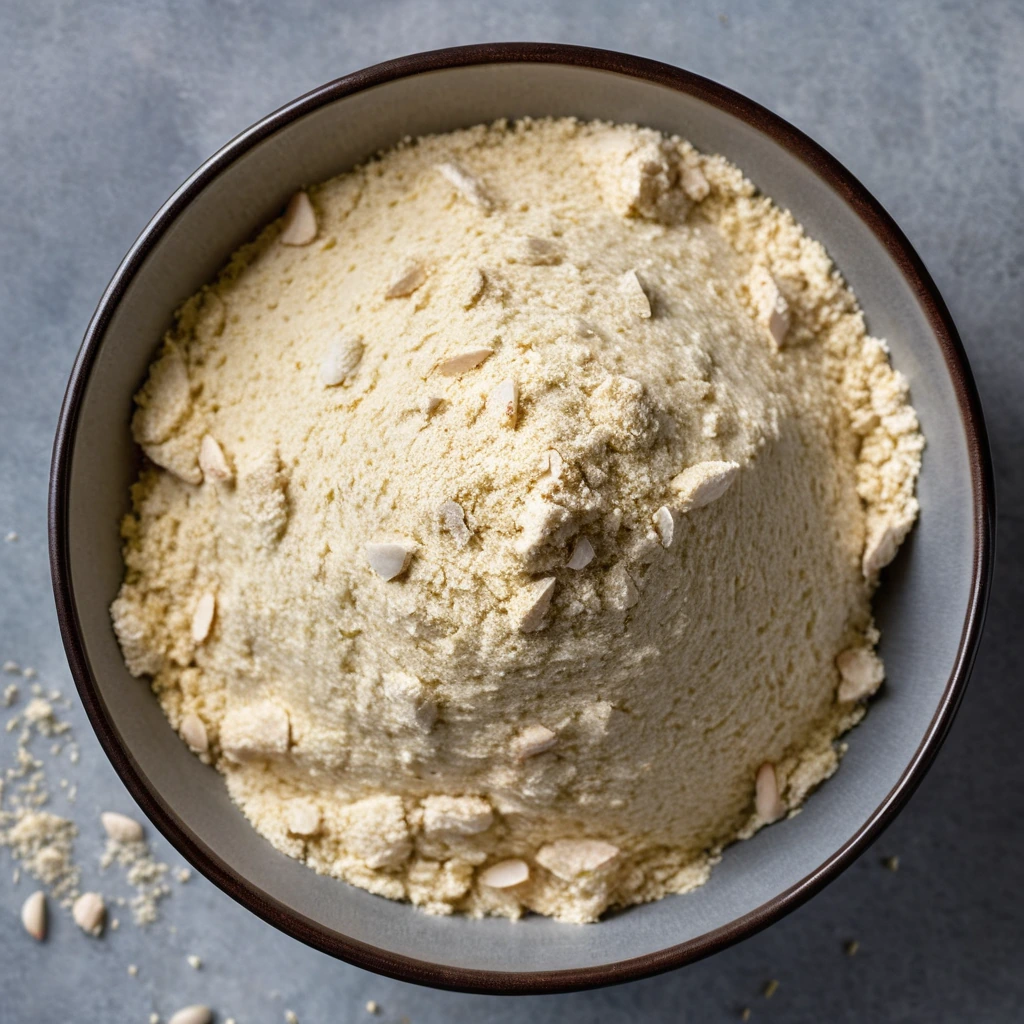
Almond Flour
A finely ground flour made from blanched almonds, offering a delicate nutty aroma and a tender crumb to your baked goods.
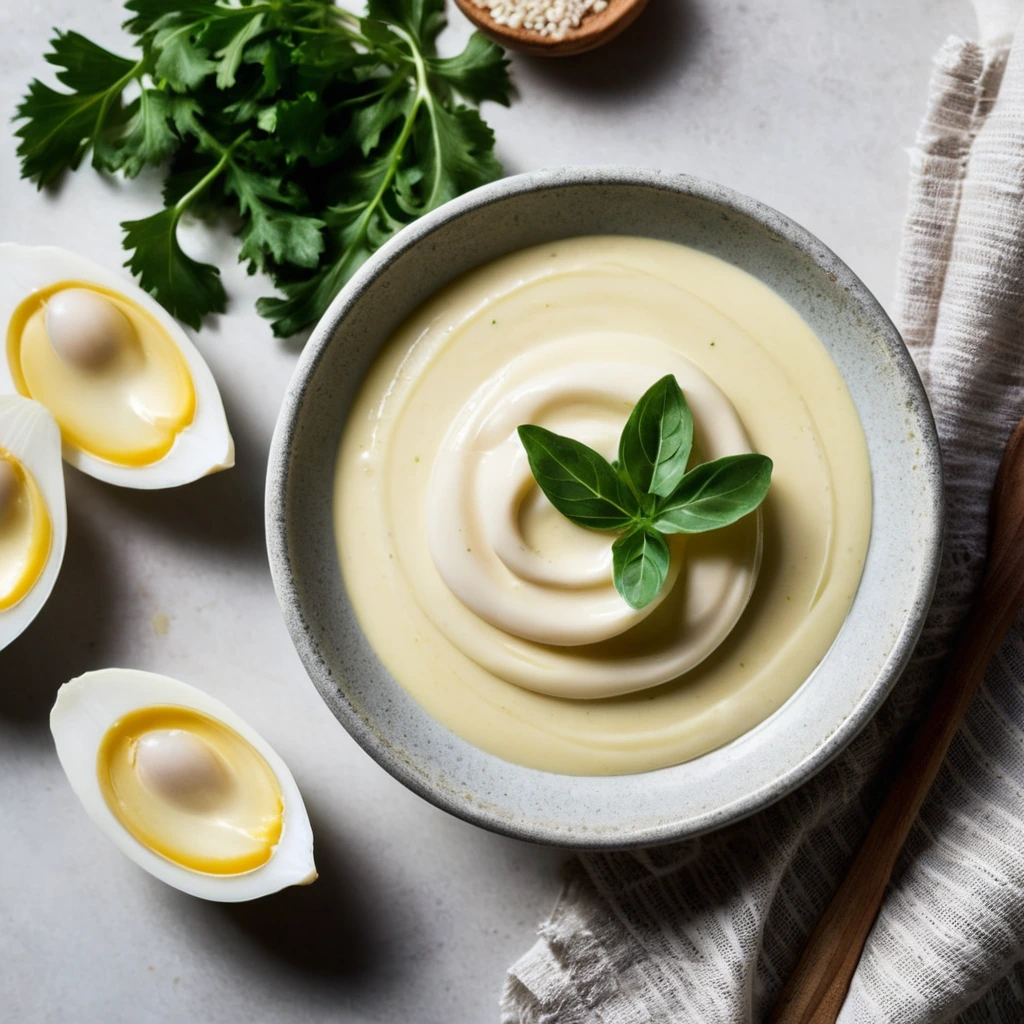
Aioli
A luscious, velvety emulsion of garlic and olive oil, aioli is a rich and aromatic sauce that dances on the palate with its creamy texture and bold, pungent flavor.
Recipes to try

Sausage, Egg, and Cheese Croissant Pockets
Buttery croissants envelop a warm, savory trio of sausage, fluffy scrambled eggs, and melty cheese for a breakfast pocket that's pure bliss.
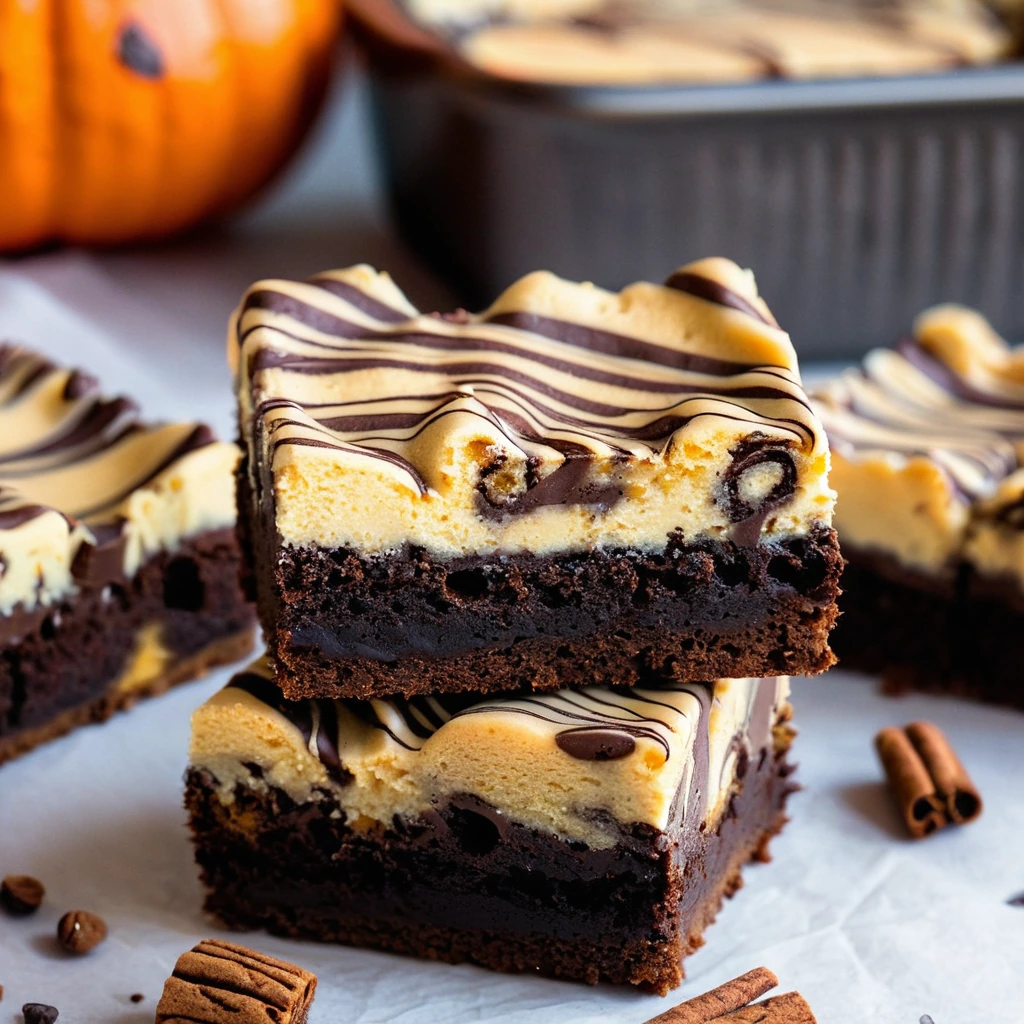
Pumpkin Spice Cheesecake Swirl Brownies
Indulge in the cozy combo of fudgy brownies with a creamy pumpkin cheesecake swirl - autumn's dream dessert come to life.