Knife Skills: Halving and Scoring Eggplant for Roasting
Mastering the art of halving and scoring eggplant is a foundational knife skill that can elevate your roasted eggplant dishes. Eggplant, with its unique texture and shape, requires a specific approach to ensure even cooking and optimal flavor absorption. When you halve and score an eggplant correctly, you unlock its ability to soak up olive oil and spices, leading to a richly flavored, tender interior and a beautifully caramelized exterior. This technique is particularly useful when preparing dishes like moussaka, ratatouille, or a simple roasted eggplant side. First, selecting the right eggplant is crucial; look for ones that are firm and heavy for their size. Then, with a sharp chef’s knife, you'll halve the eggplant lengthwise, creating two even halves. This step ensures that the eggplant cooks uniformly. Scoring follows, where you make shallow cuts into the flesh, allowing seasonings to penetrate deeper and helping the eggplant release moisture as it roasts. This not only enhances the flavor but also helps prevent the eggplant from becoming waterlogged. Understanding the anatomy of an eggplant is key; its spongy flesh absorbs flavors, but without proper technique, it can also absorb too much oil. By halving and scoring, you control the roasting process, leading to a perfectly roasted eggplant. Additionally, this technique is versatile, working equally well with other vegetables like zucchini or bell peppers. Patience and precision are vital here, as rushing can lead to uneven cuts and subpar results. Finally, always remember to handle your knife safely, keeping your fingers tucked and using a stable cutting surface to prevent accidents. With practice, halving and scoring eggplant will become second nature, setting the stage for countless delicious dishes.
Notes
The science behind halving and scoring eggplant lies in its ability to release moisture and absorb flavors. The scores act as channels for seasonings and oil, intensifying the taste. A common mistake is making scores too deep, which can cause the eggplant to fall apart during roasting. To avoid this, maintain shallow, consistent cuts. Safety is paramount; always use a sharp knife and a secure grip to prevent slips. For make-ahead convenience, you can prepare the eggplant up to the seasoning stage and store it in the fridge for up to 8 hours before roasting. Leftovers can be stored in an airtight container in the fridge for 3-4 days.
Steps
- 1 Select a firm, heavy eggplant for the best results.
- 2 Wash the eggplant under cool water and pat it dry with a clean towel.
- 3 Place the eggplant on a stable cutting board.
- 4 Hold the eggplant firmly with one hand, keeping your fingers tucked.
- 5 With a sharp chef’s knife, halve the eggplant lengthwise in one smooth motion.
- 6 Turn each half cut-side up and inspect for even halves.
- 7 Using the tip of the knife, make shallow lengthwise scores about 1/4 inch deep across the flesh, spaced 1/2 inch apart.
- 8 Ensure scores do not cut through the skin, maintaining structural integrity.
- 9 Brush each half with olive oil, ensuring scores are well-coated.
- 10 Season with salt, pepper, and any desired herbs or spices.
- 11 Place the eggplant halves on a parchment-lined baking sheet.
- 12 Roast in a preheated oven at 400°F for 30-40 minutes.
- 13 Check for doneness by gently pressing the flesh; it should be tender.
- 14 Remove from the oven and let rest for 5 minutes before serving.
Ingredients to explore
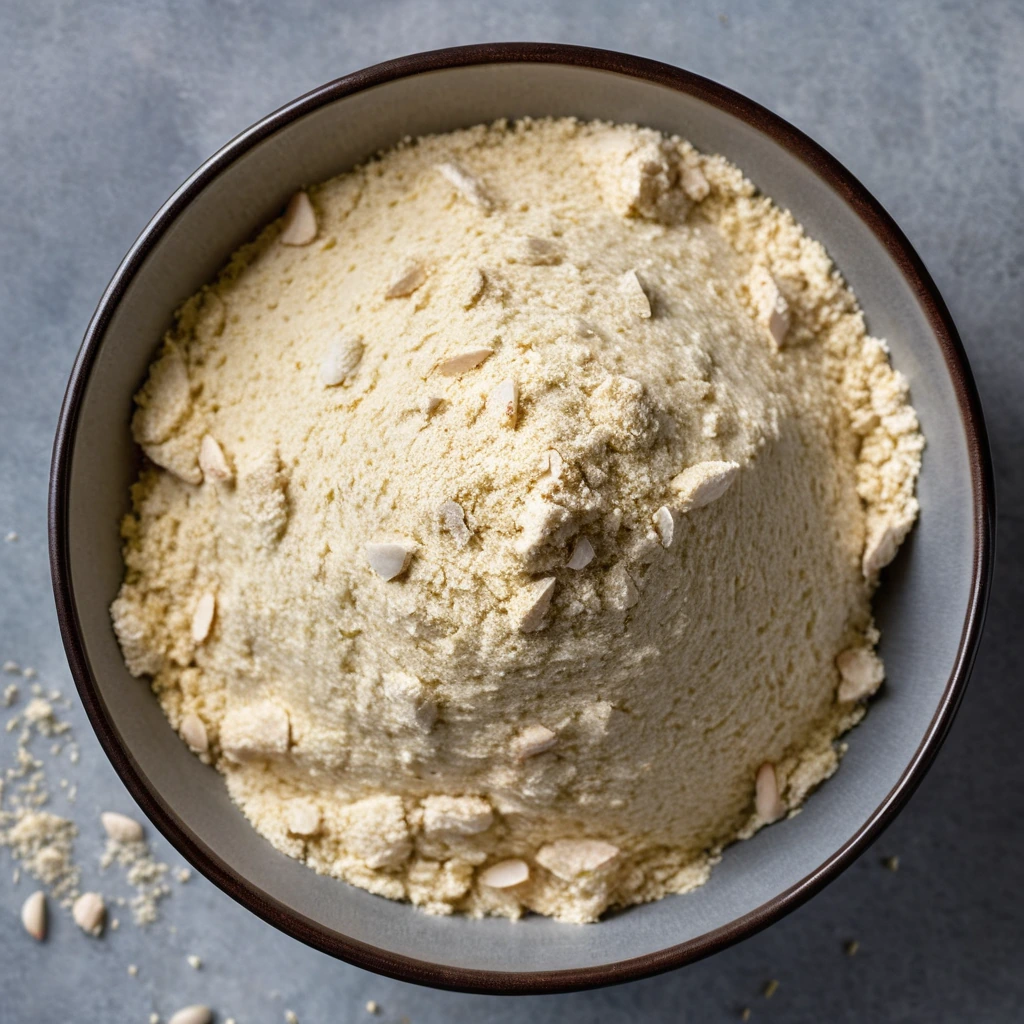
Almond Flour
A finely ground flour made from blanched almonds, offering a delicate nutty aroma and a tender crumb to your baked goods.
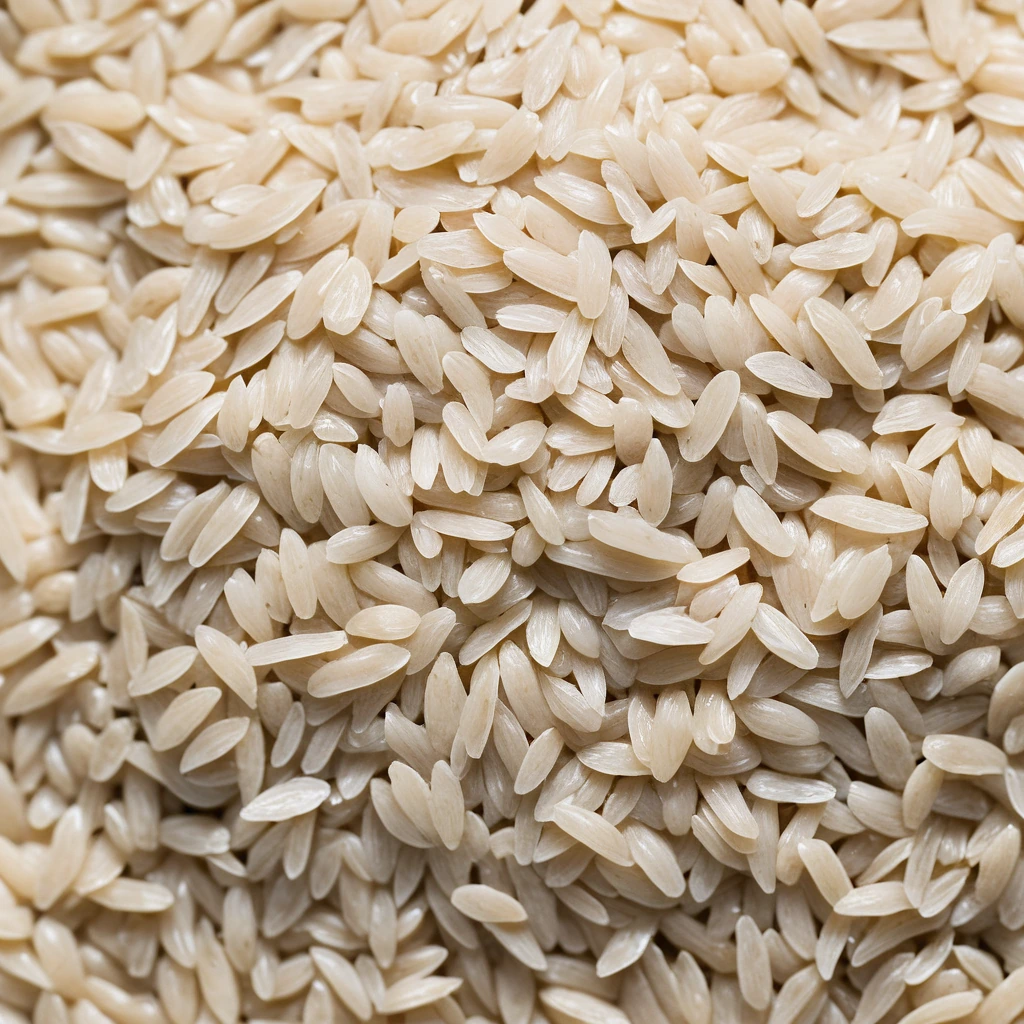
Arborio Rice
Arborio rice is a short-grain Italian rice variety renowned for its use in risotto. Originating from the Po Valley in Northern Italy, it is a staple in Italian cuisine. Its flavor is mild and nutty, with a pleasant creamy texture when cooked due to its high amylopectin content, which releases starch and creates a velvety consistency. The grains remain plump and firm to the bite, offering a satisfying chewiness. In cooking, Arborio rice excels at absorbing flavors from broths and seasonings while maintaining its shape, making it ideal for dishes that require both creaminess and structure.