Knife Skills: Finely Chopping Fresh Herbs Without Bruising
Achieving a fine chop on fresh herbs without bruising them can seem like a culinary tightrope walk, but with the right technique, it's within anyone's grasp. The key is to approach the task with care and precision, ensuring the herbs maintain their vibrant color and delicate flavor. Start by selecting the freshest herbs possible; look for bright leaves without any signs of wilting or browning. Before you begin chopping, wash and thoroughly dry the herbs, as excess moisture can lead to bruising and discoloration. Grouping the herbs together by type is essential for uniform chopping. For herbs like parsley and cilantro, stack several leaves on top of each other. For more delicate herbs like chives or tarragon, gather them into a bundle. The rocking motion is a classic method for chopping, but it requires control to avoid crushing the leaves. Instead, consider using a gentle slicing motion with a sharp chef's knife. This technique allows you to glide through the leaves rather than smashing them. Another helpful tip is to curl the leaves into a loose cylinder before slicing across them, which is particularly effective for herbs like basil. This method not only preserves the integrity of the leaves but also results in a consistent, fine chop. Understanding the structure of herbs is crucial; their leaves are often thin and fragile, making them susceptible to damage. By chopping with precision, you minimize surface area disruption, retaining more of the herb's essential oils and vibrant hues. Practice makes perfect, so don't be disheartened if your first attempts aren't flawless. With patience and repetition, you'll soon master the art of finely chopping herbs without bruising them, elevating your culinary creations with fresh, aromatic garnishes that delight the senses.
Notes
The secret to chopping herbs without bruising lies in using a sharp knife, which makes clean cuts rather than crushing the leaves. A dull blade can tear the herb's cell walls, leading to discoloration and flavor loss. Overcrowding your cutting board can also result in uneven chopping, so work with small batches for precision. To prevent herbs from browning after chopping, use them promptly or store them properly in an airtight container to minimize exposure to air and light. If you notice your herbs browning quickly, you may be chopping them too far in advance or storing them improperly. Lastly, always ensure your knife is well-maintained and handled safely to avoid accidents while chopping.
Steps
- 1 Select fresh herbs with vibrant, unwilted leaves.
- 2 Rinse herbs gently under cool water and pat them completely dry with a clean towel.
- 3 Group herbs by type to ensure uniform chopping.
- 4 For flat-leaf herbs, stack several leaves on top of each other.
- 5 For delicate herbs like chives, gather them into a tight bundle.
- 6 Lay the herbs flat on your cutting board.
- 7 Hold the knife with a comfortable grip and position your fingers safely.
- 8 Slice herbs gently using a rocking motion, but avoid pressing too hard.
- 9 For basil and similar herbs, roll leaves into a loose cylinder before slicing.
- 10 Use a sharp chef’s knife to ensure clean cuts and prevent bruising.
- 11 Chop herbs to the desired fineness, aiming for uniform pieces.
- 12 Turn the herbs occasionally to check for even chopping.
- 13 Transfer chopped herbs to a dish immediately to prevent over-handling.
- 14 Store chopped herbs in an airtight container if not using immediately.
Ingredients to explore
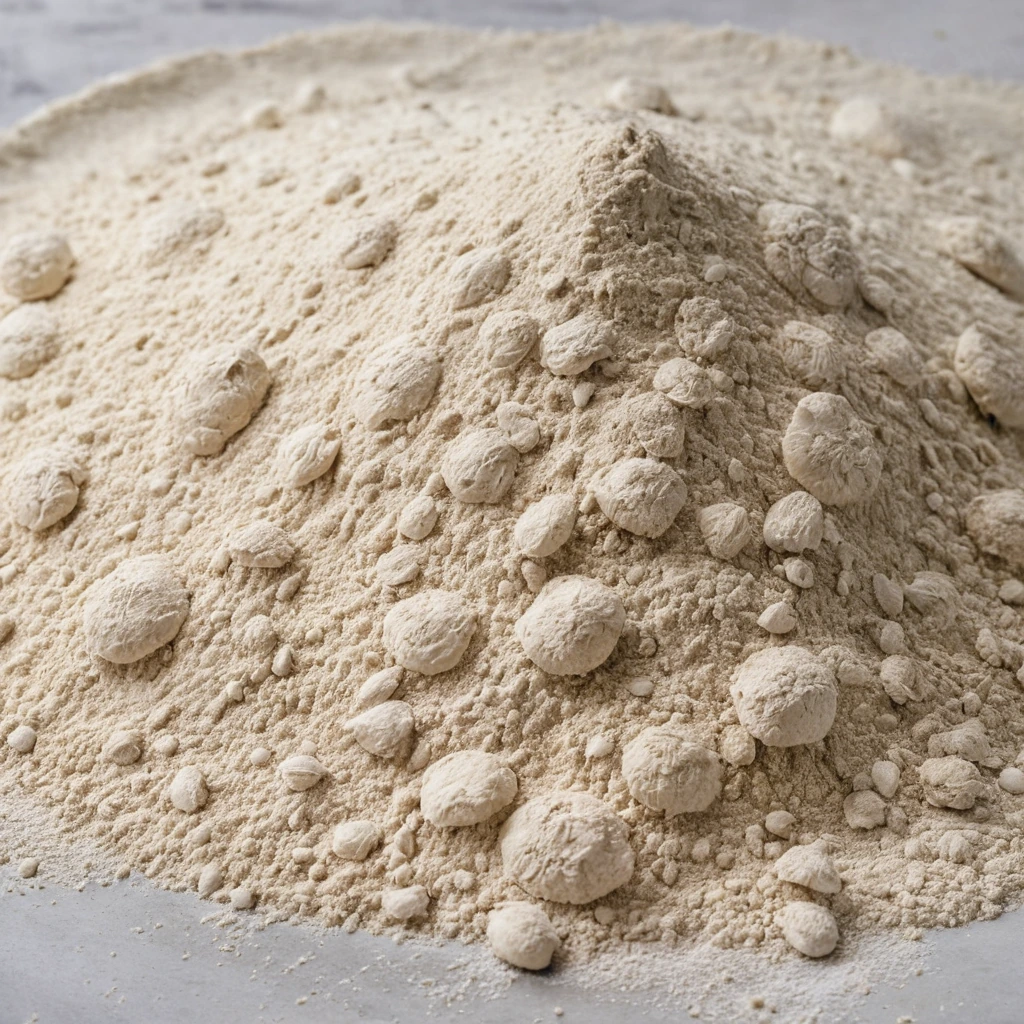
00 Pizza Flour
00 pizza flour is a finely milled Italian flour prized for its versatility in creating authentic Neapolitan-style pizza crusts. Originating from Italy, it is milled to a very fine consistency, which is reflected in its name, 'doppio zero,' indicating its fine grind. This flour has a balanced flavor profile, offering a mild, slightly sweet taste with a subtle nuttiness. Its texture is silky and smooth, contributing to a tender yet chewy crust when used in pizza making. In cooking, 00 pizza flour is known for its ability to hydrate quickly and develop a desirable gluten structure, resulting in a light and airy crust that can withstand high-heat cooking without becoming overly crispy or hard.
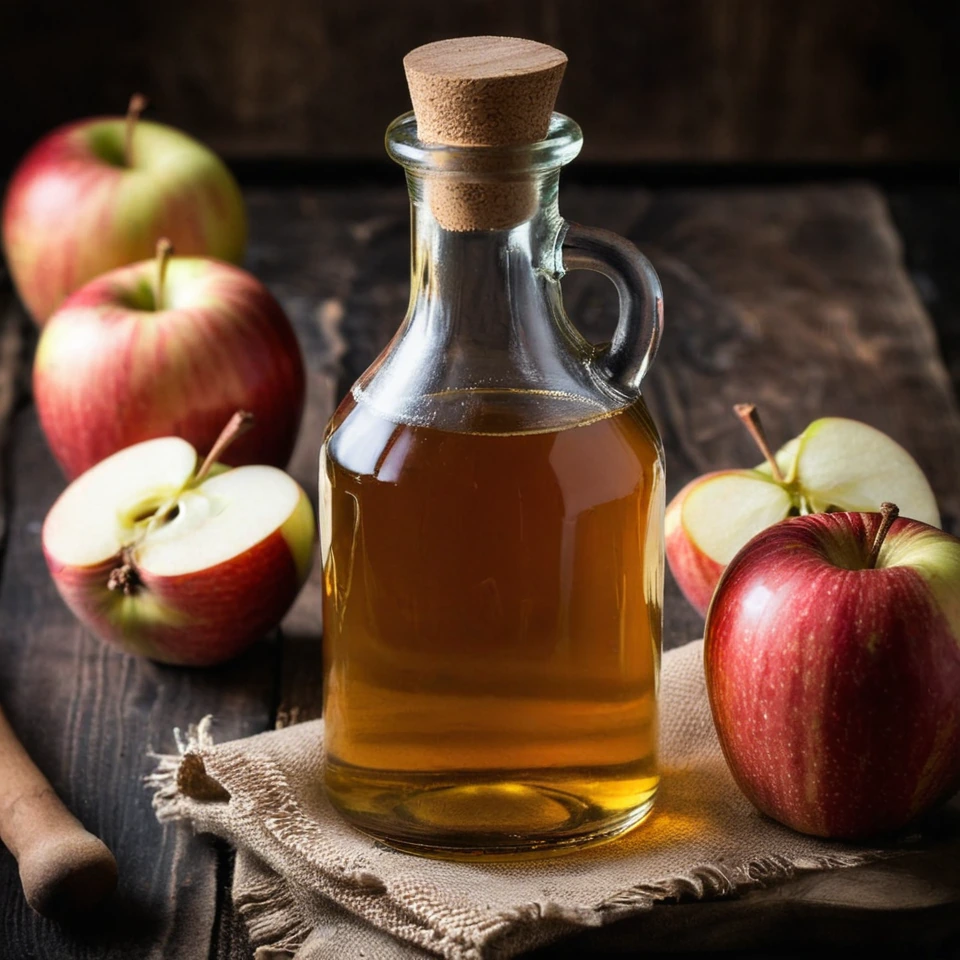
Apple Cider Vinegar
Apple cider vinegar is a type of vinegar made through the fermentation of apple cider, resulting in a tangy, slightly sweet liquid with a pale to medium amber color.
Recipes to try
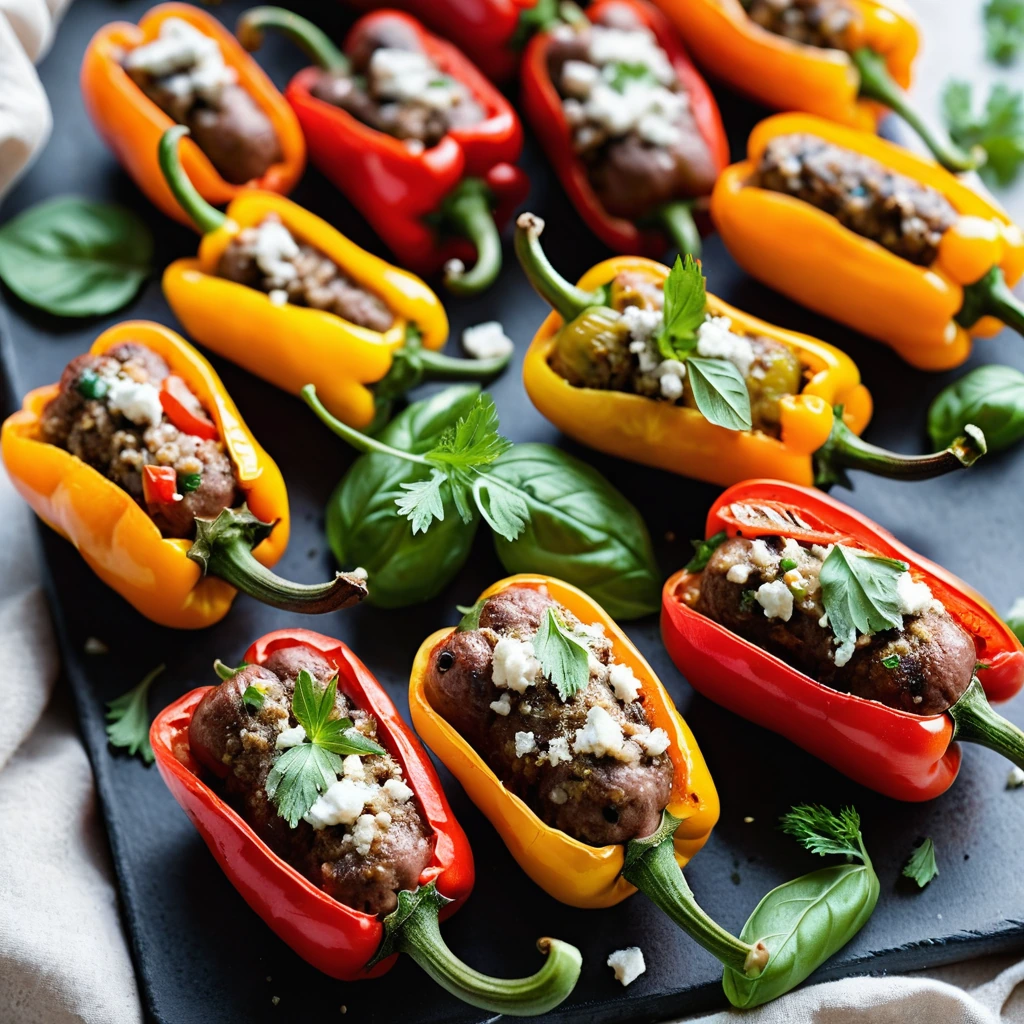
Sausage and Feta Stuffed Mini Peppers
These adorable mini peppers are packed with a savory blend of sausage and creamy feta, delivering a burst of flavor in every bite.

S’mores Cookie Bars with Marshmallow Swirl
Chocolatey, gooey, and utterly irresistible – these S’mores Cookie Bars are a campfire classic reimagined into a decadent dessert.