Knife Skills: Filleting a Whole Fish
Filleting a whole fish is an essential skill for any home cook looking to maximize freshness and minimize waste. Whether you've caught your own fish or picked up a whole one from the market, knowing how to fillet it properly can transform your cooking experience. This technique requires patience and practice, but once mastered, it allows you to access high-quality fillets at a fraction of the cost of pre-filleted fish. We'll guide you through selecting the right knife, understanding fish anatomy, and executing precise cuts to yield perfect fillets. Along the way, you'll learn how to handle the fish with respect, ensuring minimal waste and maximum flavor. We'll also touch on safety tips to keep your fingers intact and provide insights into why certain techniques work better than others. With these skills, you'll be able to confidently fillet everything from trout to salmon, opening up a world of culinary possibilities.
Notes
Filleting a whole fish works because it allows you to follow the natural contours of the fish, yielding clean, even fillets. A sharp knife is crucial to avoid tearing the delicate flesh. Common mistakes include using a dull knife or cutting too fast, which can result in jagged edges or wasted meat. Always keep your fingers tucked and use a fork to gently hold the fish while filleting to avoid injuries. To store your fillets, wrap them tightly in plastic wrap or place them in an airtight container and refrigerate for up to two days. For longer storage, consider freezing the fillets in a freezer-safe bag for up to three months. Understanding fish anatomy and taking your time will make this technique safer and more efficient.
Steps
- 1 Select a sharp, flexible fillet knife, ideally 6-8 inches long.
- 2 Rinse the whole fish under cold water and pat it dry with paper towels.
- 3 Place the fish on a clean, sturdy cutting board with the belly facing up.
- 4 Starting at the tail end, make a shallow cut along the belly to the head.
- 5 Gently open the cavity and remove the innards and gills with your fingers or kitchen shears.
- 6 Rinse the fish cavity under cold water and pat it dry again.
- 7 Lay the fish on its side and insert the knife just behind the pectoral fin.
- 8 Slice down towards the backbone, angling the knife to follow the spine.
- 9 Continue cutting towards the head, keeping the blade flush against the bones.
- 10 Flip the fish over and repeat on the other side to remove the second fillet.
- 11 Turn the fish skin-side down and carefully cut between the skin and the remaining fillet.
- 12 Remove any pin bones from the fillets using tweezers or pliers.
- 13 Rinse the fillets under cold water and pat them dry with paper towels.
- 14 Slice the fillets into serving portions or store them whole.
Ingredients to explore

Acorn Squash
Acorn squash is a winter squash variety known for its distinctive teardrop shape and deep ridges resembling the texture of an acorn shell. Originating in the Americas, it has been cultivated for centuries and is a staple in autumn cuisine. The flesh is sweet and nutty with a hint of earthiness, offering a delightful contrast to savory dishes. Its texture is dense yet tender when cooked, making it ideal for roasting or pureeing. In cooking, acorn squash holds its shape well and absorbs flavors from herbs and spices, enhancing both its taste and versatility in recipes.

2% Milk
Creamy and just a touch lighter than whole milk, 2% milk offers a perfect balance of richness and reduced fat. Its smooth texture and subtle sweetness make it a delightful choice for sipping or cooking.
Recipes to try
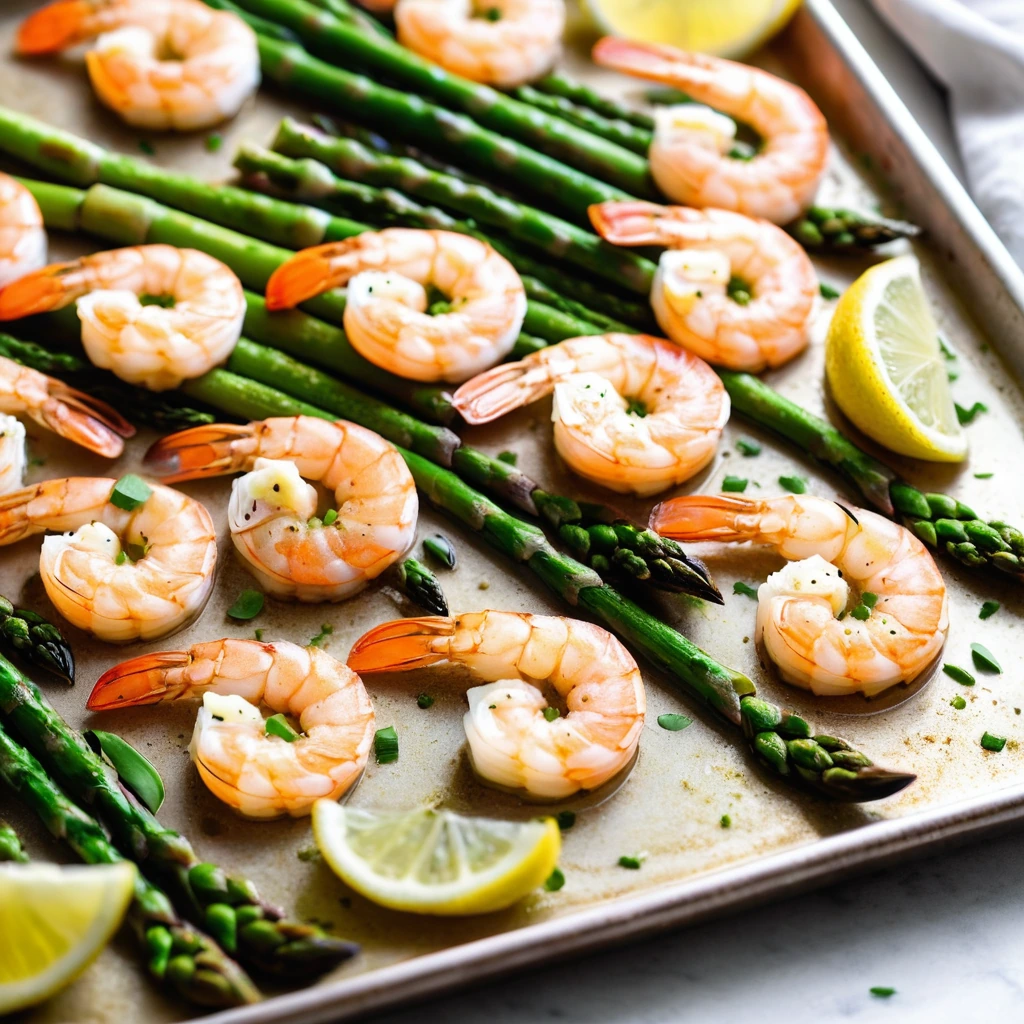
Lemon Garlic Butter Shrimp and Asparagus Sheet Pan
Bright and zesty, this sheet pan dinner is a burst of sunshine with tender shrimp and crisp asparagus in a luscious garlic butter sauce.

Sesame Chicken Fried Rice with Veggies
Savory fried rice packed with tender chicken, colorful veggies, and toasted sesame seeds for an irresistible nutty crunch.