Knife Skills: Dicing High-Water Vegetables Cleanly
Mastering the art of dicing high-water vegetables like cucumbers, tomatoes, and bell peppers can elevate your culinary game. These vegetables, often juicy and delicate, pose a unique challenge in the kitchen. Achieving clean, uniform dice is crucial for even cooking and presentation. The key lies in understanding the properties of high-water vegetables and employing techniques that minimize moisture interference. This guide will walk you through the process with expert tips to ensure your dicing is precise and efficient. We'll start by discussing the importance of using a sharp knife and a stable cutting board, which are fundamental to any knife skill. Next, we'll explore how to properly prep the vegetables to manage their moisture content, ensuring they don't slip or slide during the process. Additionally, we'll cover how to adjust your cutting technique to accommodate the softness of these vegetables, and how to maintain clean cuts without crushing the delicate flesh. By the end, you'll have the confidence to dice high-water vegetables cleanly and consistently, enhancing both the texture and visual appeal of your dishes.
Notes
The science behind dicing high-water vegetables cleanly lies in managing moisture and maintaining structural integrity. Blanching firms up the cell walls, making vegetables easier to handle. Salting draws out excess water through osmosis, reducing the risk of your cuts becoming mushy. Common mistakes include using a dull knife, which can crush rather than cut, and rushing the process, leading to uneven pieces. Always prioritize safety by keeping your workspace dry and using proper knife handling techniques. For make-ahead preparation, dice the vegetables and store them in an airtight container lined with a paper towel to absorb moisture. They can be refrigerated for up to a day before use, ensuring they remain crisp and clean.
Steps
- 1 Select a sharp chef's knife and a sturdy cutting board.
- 2 Wash the vegetables thoroughly under cold water and pat them dry with a clean towel.
- 3 Trim off any stems or ends from the vegetables.
- 4 For tomatoes and cucumbers, optionally blanch them briefly to firm up the flesh, then plunge into ice water to stop the cooking process.
- 5 Slice the vegetables into uniform planks, about 1/4 inch thick, to manage their shape.
- 6 Stack the planks and cut them into strips, maintaining the 1/4 inch dimension.
- 7 Rotate the strips 90 degrees and slice across to create 1/4 inch dice.
- 8 As you work, keep diced pieces separate to avoid crushing.
- 9 For particularly juicy vegetables like tomatoes, consider salting them lightly and letting them rest for 10 minutes to draw out excess moisture before dicing.
- 10 Use a paper towel to gently blot any remaining moisture from the surface before dicing.
- 11 Work quickly and confidently, employing a gentle rocking motion with your knife.
- 12 Keep your fingers tucked and use a claw grip to protect them while dicing.
- 13 Transfer diced vegetables to a clean towel-lined bowl to absorb any residual moisture.
- 14 Check the uniformity of your dice and adjust as necessary.
Ingredients to explore

Anaheim Peppers
Anaheim peppers are a mild chili pepper variety named after Anaheim, California, where they were first cultivated commercially. Originating from the New Mexico region, these peppers are celebrated for their versatility and gentle heat. They possess a flavor that is mildly sweet with a subtle tang, and a pleasant vegetal note reminiscent of green bell peppers, but with a hint of spice. Their texture is firm and crisp when fresh, becoming tender and slightly smoky when roasted or cooked. In cooking, Anaheim peppers behave well across a range of techniques, from grilling and roasting to stuffing and sautéing, contributing a nuanced depth without overwhelming other ingredients with heat.
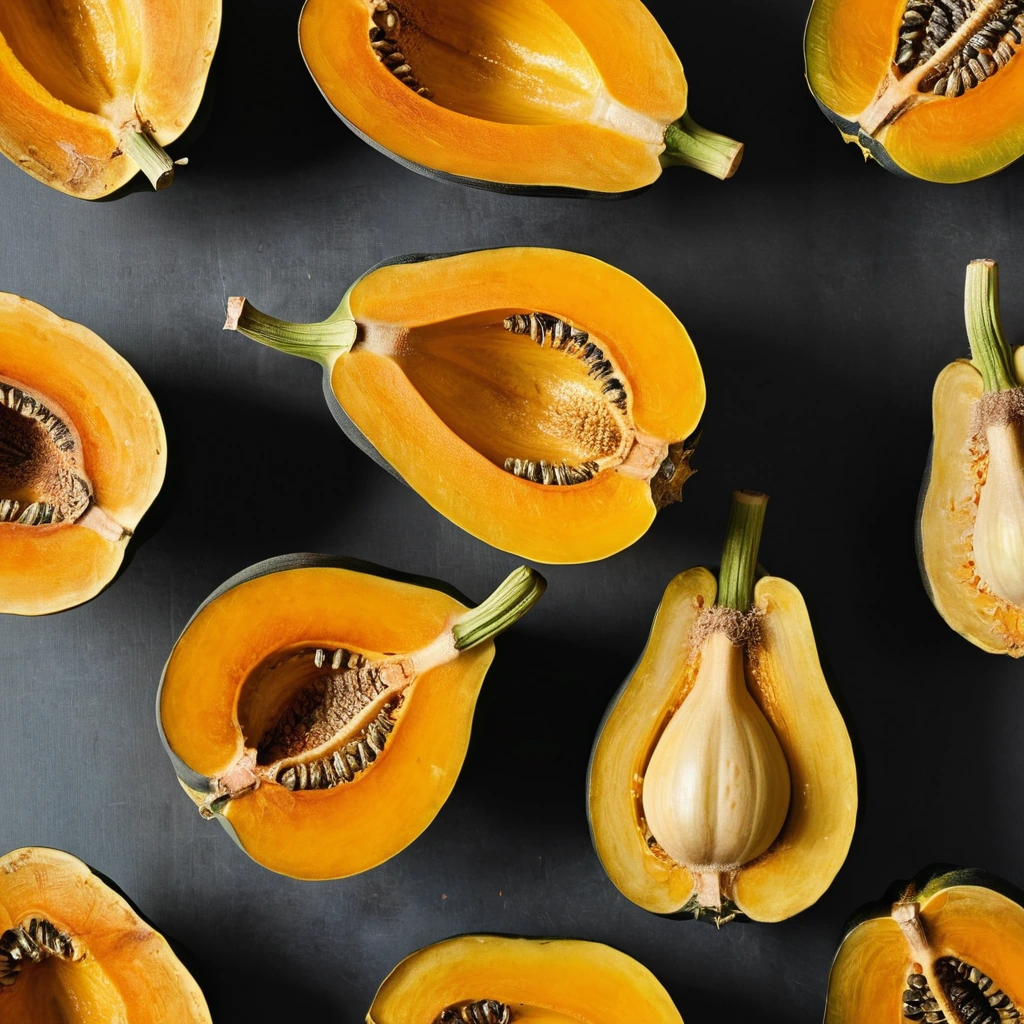
Acorn Squash
Acorn squash is a winter squash variety known for its distinctive teardrop shape and deep ridges resembling the texture of an acorn shell. Originating in the Americas, it has been cultivated for centuries and is a staple in autumn cuisine. The flesh is sweet and nutty with a hint of earthiness, offering a delightful contrast to savory dishes. Its texture is dense yet tender when cooked, making it ideal for roasting or pureeing. In cooking, acorn squash holds its shape well and absorbs flavors from herbs and spices, enhancing both its taste and versatility in recipes.
Recipes to try
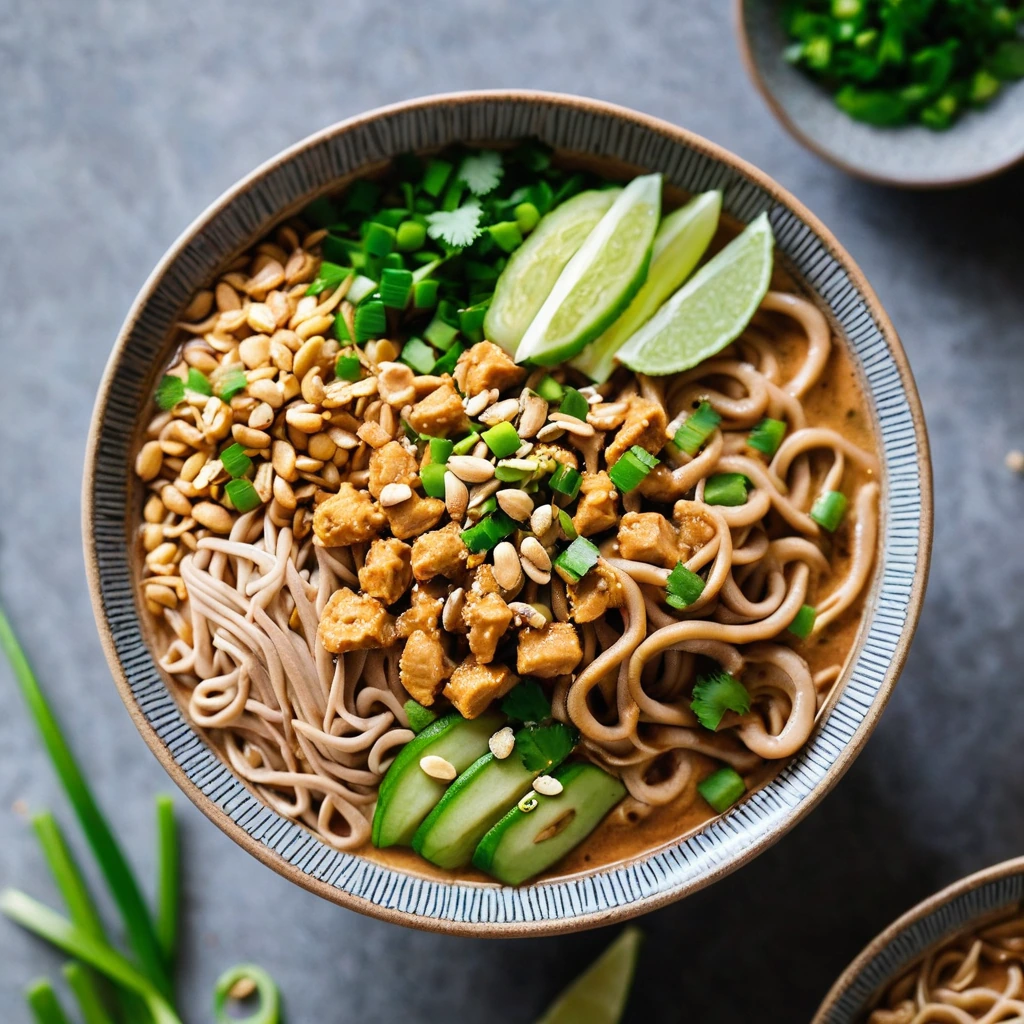
Spicy Peanut Chicken Noodle Bowls
Creamy peanut sauce clings to tender chicken and chewy noodles in a vibrant, fiery bowl that's comfort food on steroids.
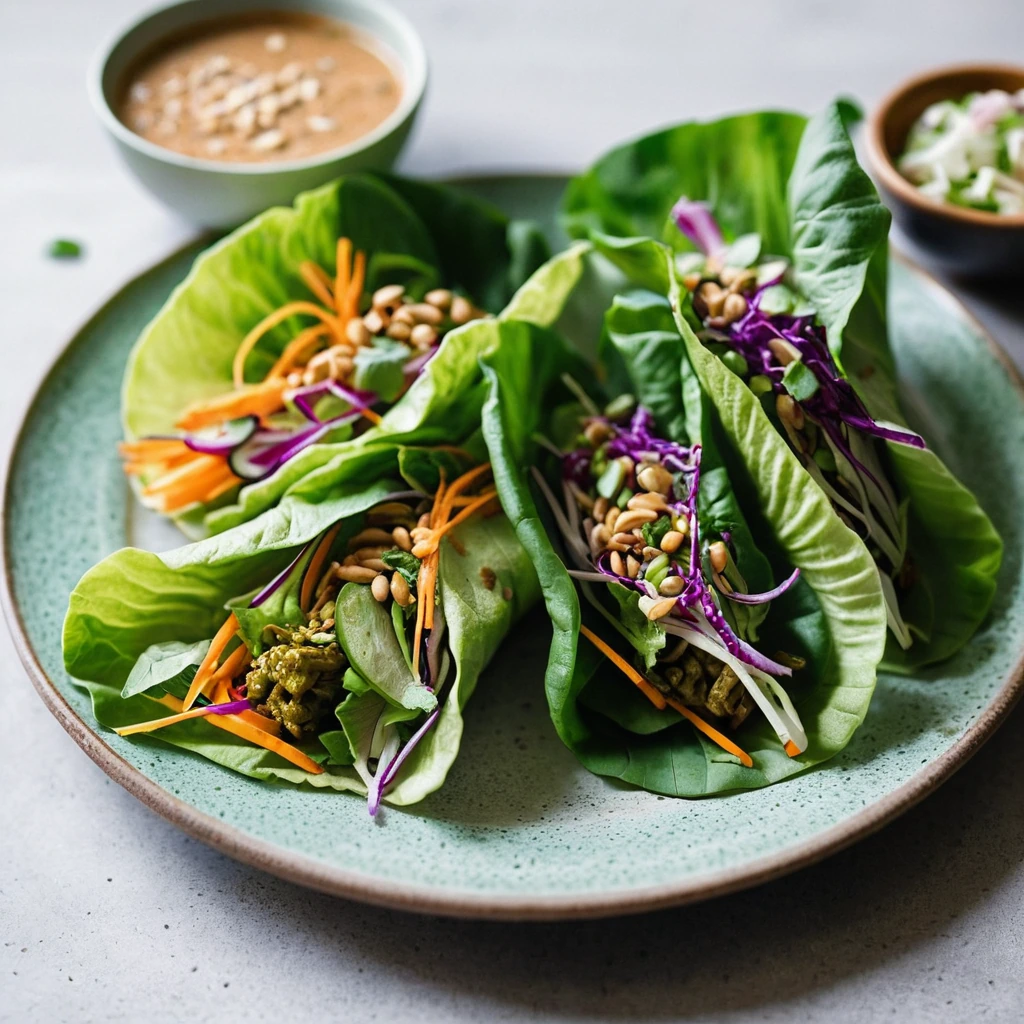
Thai Peanut Veggie Lettuce Wraps
Crispy, fresh veggies hugged by buttery lettuce leaves, drizzled with a creamy, tangy peanut sauce that'll make your taste buds do the tango.