Knife Skills: Cutting Even Batonnet and Paysanne
Mastering knife skills is a cornerstone of culinary expertise, and cutting even batonnet and paysanne is a technique that can elevate your dishes. Batonnet, meaning little batons, are uniform sticks measuring about 1/4 inch by 1/4 inch by 2 inches. Paysanne, on the other hand, are batonnet cuts that are diced into cubes. Achieving consistency in these cuts ensures even cooking and a professional presentation. This technique requires patience and practice, but once mastered, it will streamline your prep work and impress your dinner guests. Start by selecting the right knife, typically a chef's knife, and ensure it is sharp. A sharp blade is safer and easier to control, reducing the risk of slips. Next, choose firm vegetables like carrots, celery, or potatoes for practice. Soft vegetables can be tricky for beginners, so it's best to start with something that holds its shape. Before you begin, trim your vegetables to ensure they have flat surfaces, which will help stabilize them as you cut. Holding your knife with a comfortable grip is crucial. Experiment with grips until you find one that feels natural and secure. Throughout the process, maintain a consistent rhythm and pace to ensure uniformity. Remember, safety is paramount. Always curl your fingertips of your non-dominant hand to create a protective guide for the knife. As you progress, you’ll notice your cuts becoming more precise, leading to beautifully even batonnet and paysanne. Practice regularly to build muscle memory, and soon, these cuts will become second nature. Finally, understand that perfection takes time, so don't be discouraged by initial inconsistencies. Embrace each attempt as a step towards mastery.
Notes
Understanding the science behind knife skills can enhance your technique. A sharp knife requires less force, reducing the risk of accidents and making cuts more precise. Troubleshooting common mistakes includes ensuring your knife is sharp, your grip is correct, and your vegetables are properly stabilized. Safety is always a priority, so keep your fingers curled and work at a comfortable pace. For make-ahead and storage, batonnet and paysanne cuts can be stored in an airtight container in the refrigerator for up to 3 days. To maintain freshness, consider blanching vegetables before storage if they are to be used later in cooked dishes.
Steps
- 1 Select a sharp chef's knife for precision cutting.
- 2 Trim the ends of your vegetables to create flat surfaces.
- 3 Slice the vegetable into planks about 1/4 inch thick.
- 4 Stack the planks and slice them into 1/4 inch sticks for batonnet.
- 5 For paysanne, cut the batonnet sticks into uniform 1/4 inch cubes.
- 6 Curl your fingertips to protect them while guiding the knife.
- 7 Use a rocking motion to cut through the vegetable smoothly.
- 8 Check each piece for consistency in size and adjust as needed.
- 9 Keep your cutting board clean and stable to avoid slipping.
- 10 Practice with firm vegetables like carrots or potatoes first.
- 11 Arrange your cuts in a neat pattern to check for evenness.
- 12 Store your knife properly after use to maintain its edge.
- 13 Clean your workstation as you go for efficiency.
Ingredients to explore
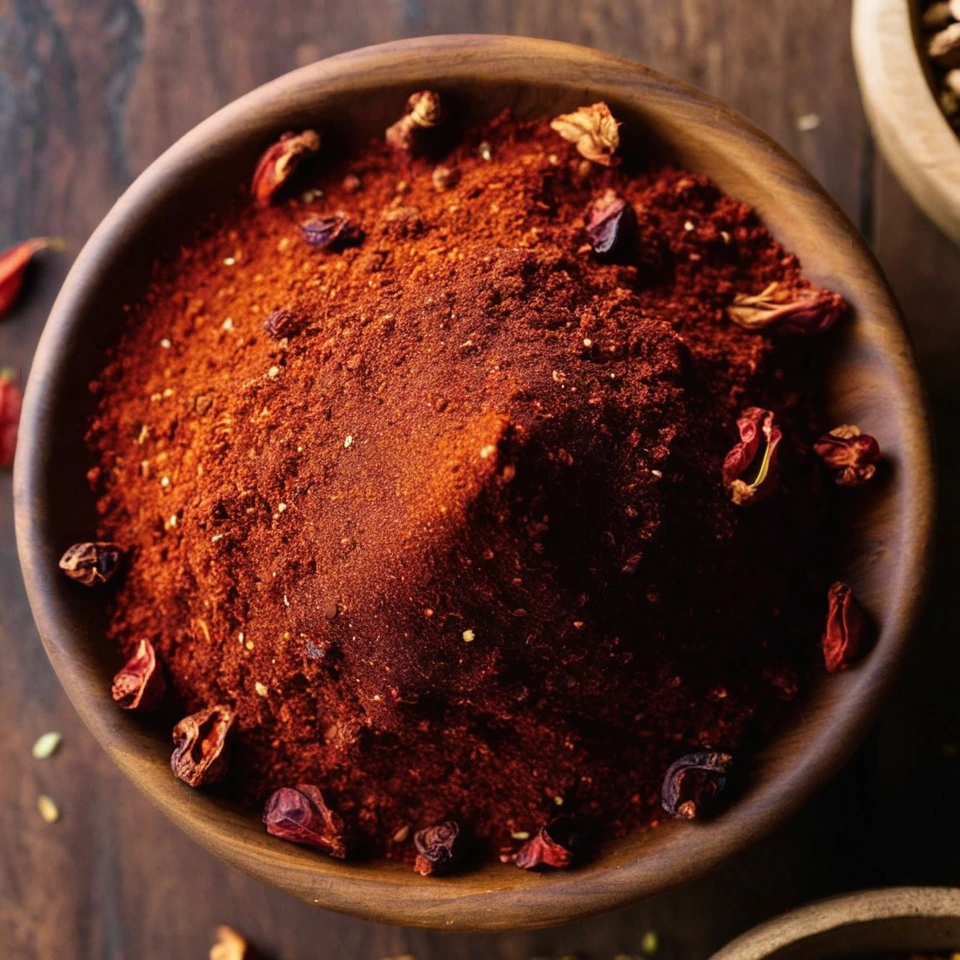
Aleppo Pepper
Aleppo pepper offers a harmonious balance of heat and sweetness, with a subtle fruity aroma reminiscent of sun-dried tomatoes and currants. Originating from the region around Aleppo, Syria, it has a fine, slightly coarse texture that shatters easily between fingers. Its mild yet complex flavor profile makes it a prized seasoning for enhancing dishes without overwhelming them. Valued for its versatility, it bridges the gap between spice and seasoning, bringing a touch of warmth and depth to a variety of cuisines.
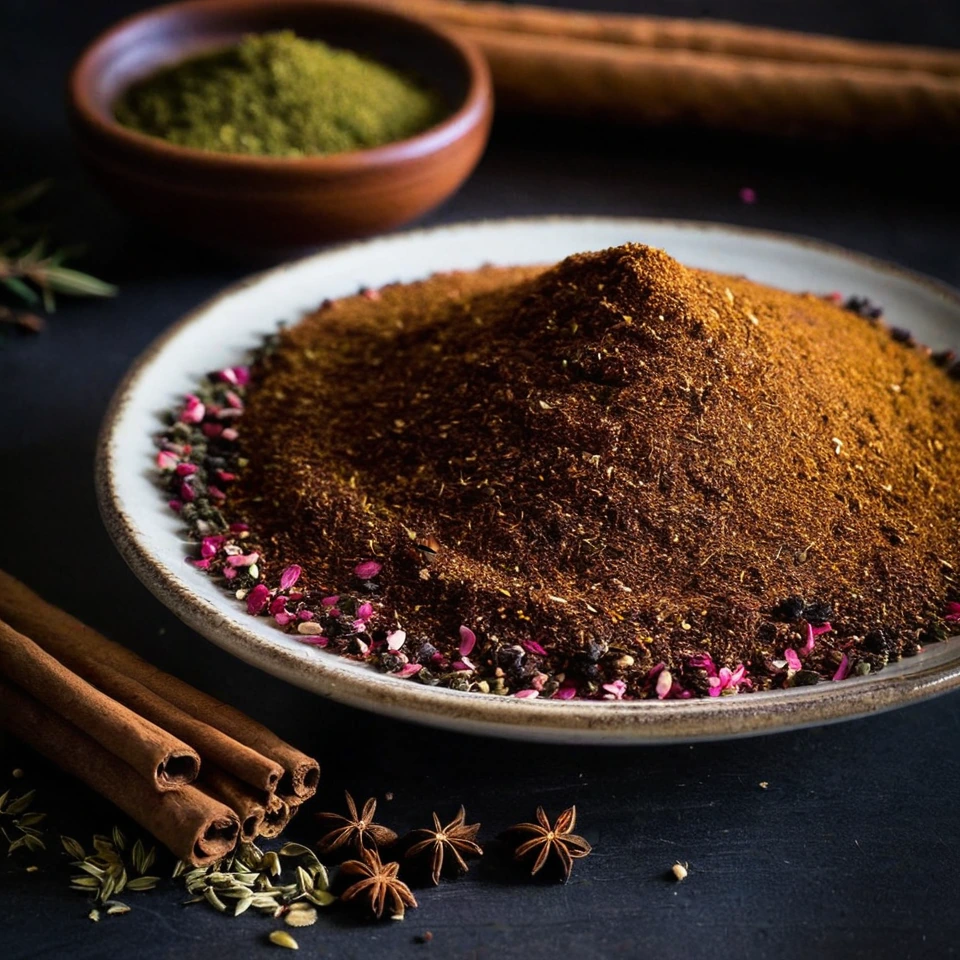
Advieh (Persian Spice Blend)
Advieh is a fragrant Persian spice blend that boasts a complex aroma of warm cinnamon, earthy cumin, and floral hints of rose and saffron. Its texture is finely ground, making it easy to incorporate into dishes. Originating from the rich culinary traditions of Iran, advieh adds depth and sophistication to both savory and sweet recipes. Its unique combination of spices reflects the historical spice trade routes that influenced Persian cuisine.
Recipes to try
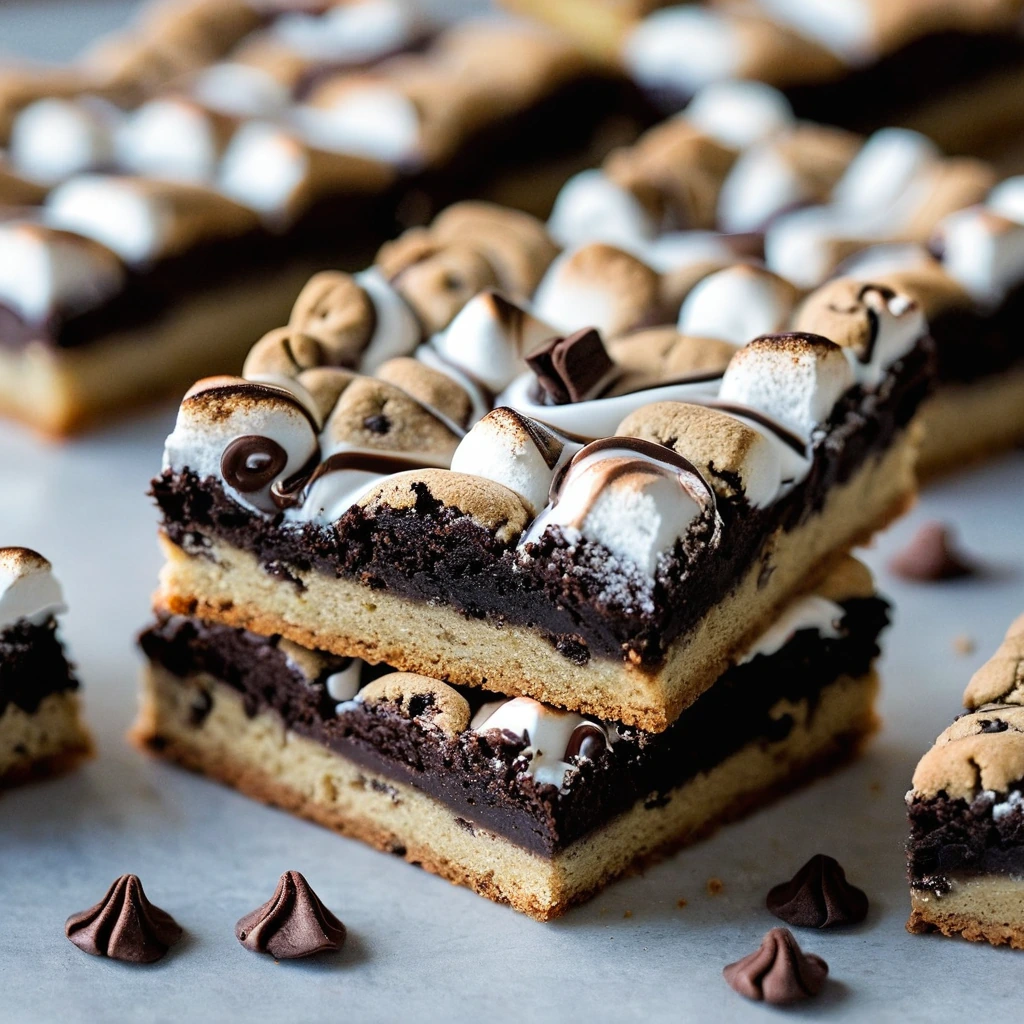
S’mores Cookie Bars with Marshmallow Swirl
Chocolatey, gooey, and utterly irresistible – these S’mores Cookie Bars are a campfire classic reimagined into a decadent dessert.
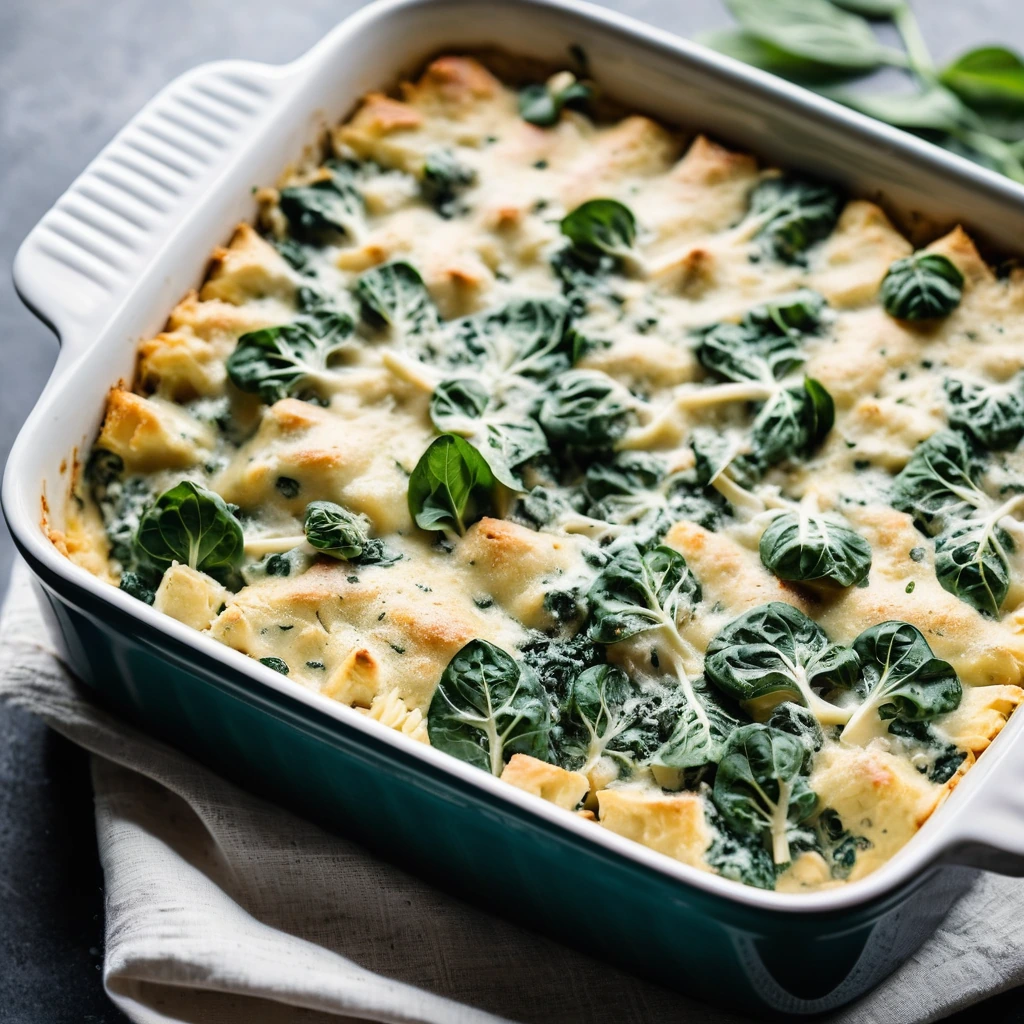
Spinach and Artichoke Chicken Casserole
Creamy, cheesy, and packed with tender chicken, this casserole is a cozy hug in a baking dish.