Knife Skills: Breaking Down a Head of Cauliflower
Mastering the art of breaking down a head of cauliflower is an essential skill for any home cook. This versatile vegetable can transform into a myriad of dishes, from roasted florets to creamy soups. The key to unlocking its potential lies in proper preparation. Start by selecting a fresh, firm cauliflower with tightly packed florets and no signs of browning or wilting. Before you begin, ensure your knife is sharp, as this will make the process easier and safer. A dull blade requires more force, increasing the risk of slips and injuries. Begin by removing the green leaves, reserving a few for garnish if desired. Next, trim the stem so the cauliflower sits flat, providing stability. This technique focuses on dividing the cauliflower into uniform florets, ensuring even cooking and a professional presentation. Understanding the anatomy of the cauliflower helps in making precise cuts. Work methodically, starting from the core, and aim for similarly sized pieces to optimize cooking times. This guide will walk you through the process step-by-step, offering tips to enhance your efficiency and safety in the kitchen. With practice, breaking down cauliflower will become second nature, allowing you to incorporate this nutrient-rich vegetable into your meals with confidence and flair.
Notes
Breaking down a cauliflower efficiently relies on understanding its structure and working systematically. The core is often tougher, so cutting it into smaller pieces ensures even cooking. A common mistake is rushing the process, which can lead to unevenly sized florets and potential injuries. Always prioritize safety by using a sharp knife and maintaining control of your movements. For make-ahead meal prep, store cauliflower florets in an airtight container in the refrigerator to maintain freshness. If you plan to use them within a day or two, they’ll stay crisp and ready for cooking. Understanding the science of cauliflower's composition can enhance your culinary adventures; its high water content and fibrous structure make it ideal for roasting, steaming, or pureeing into soups.
Steps
- 1 Place the cauliflower on a sturdy cutting board.
- 2 Grasp the green leaves and remove them, saving a few for garnish.
- 3 Trim about 1 inch off the stem end to create a flat base.
- 4 Stand the cauliflower upright and locate the core.
- 5 Starting at the top, slice downward just above the core to remove a floret.
- 6 Continue removing florets around the entire cauliflower.
- 7 Once all large florets are removed, turn your attention to the core.
- 8 Cut the core into smaller, uniform pieces.
- 9 Check the size of your florets; cut larger ones in half for consistency.
- 10 Rinse the cauliflower pieces under cold water to remove any debris.
- 11 Pat the florets dry with a clean kitchen towel.
- 12 Store the prepared cauliflower in an airtight container.
- 13 Refrigerate until ready to use, ideally within 3-4 days.
Ingredients to explore
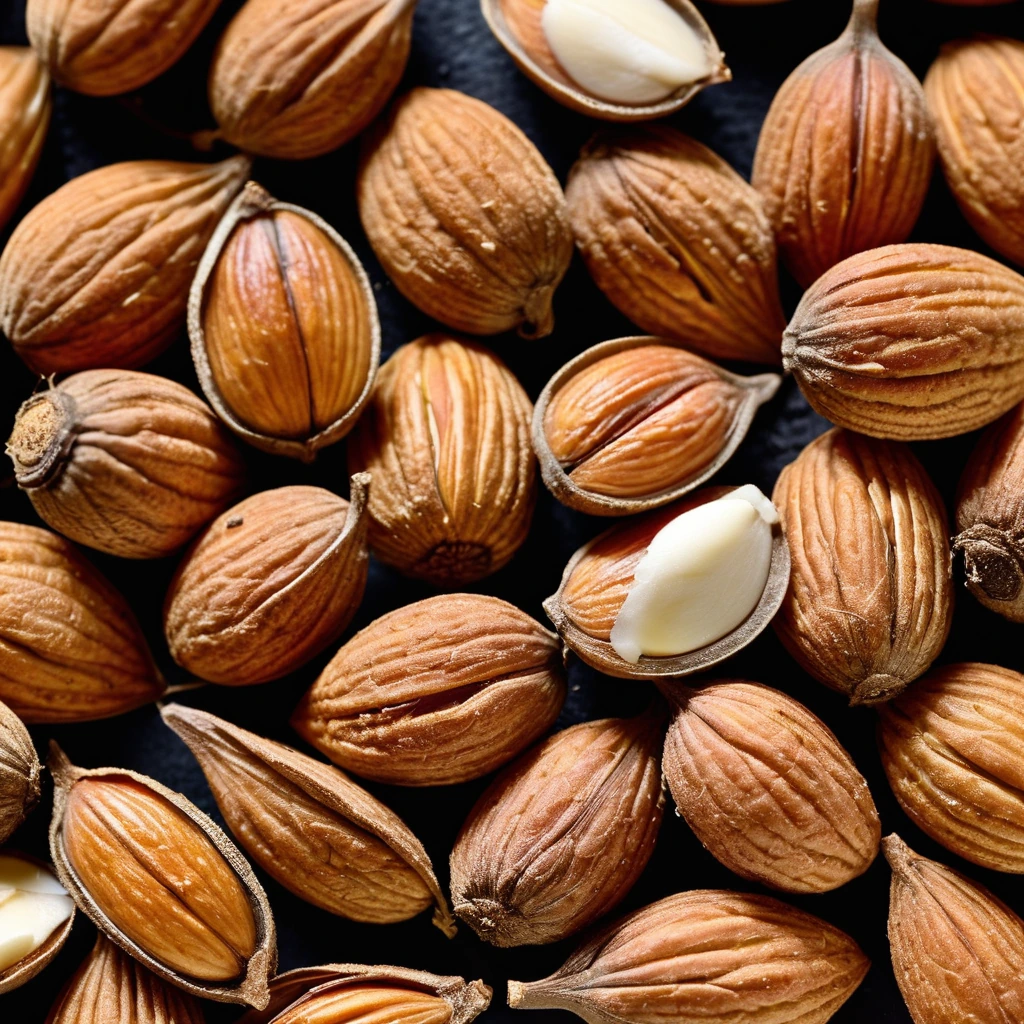
Almond Extract
A fragrant, golden elixir that captures the essence of freshly ground almonds, almond extract is a pantry staple that brings a rich, nutty aroma to your culinary creations.
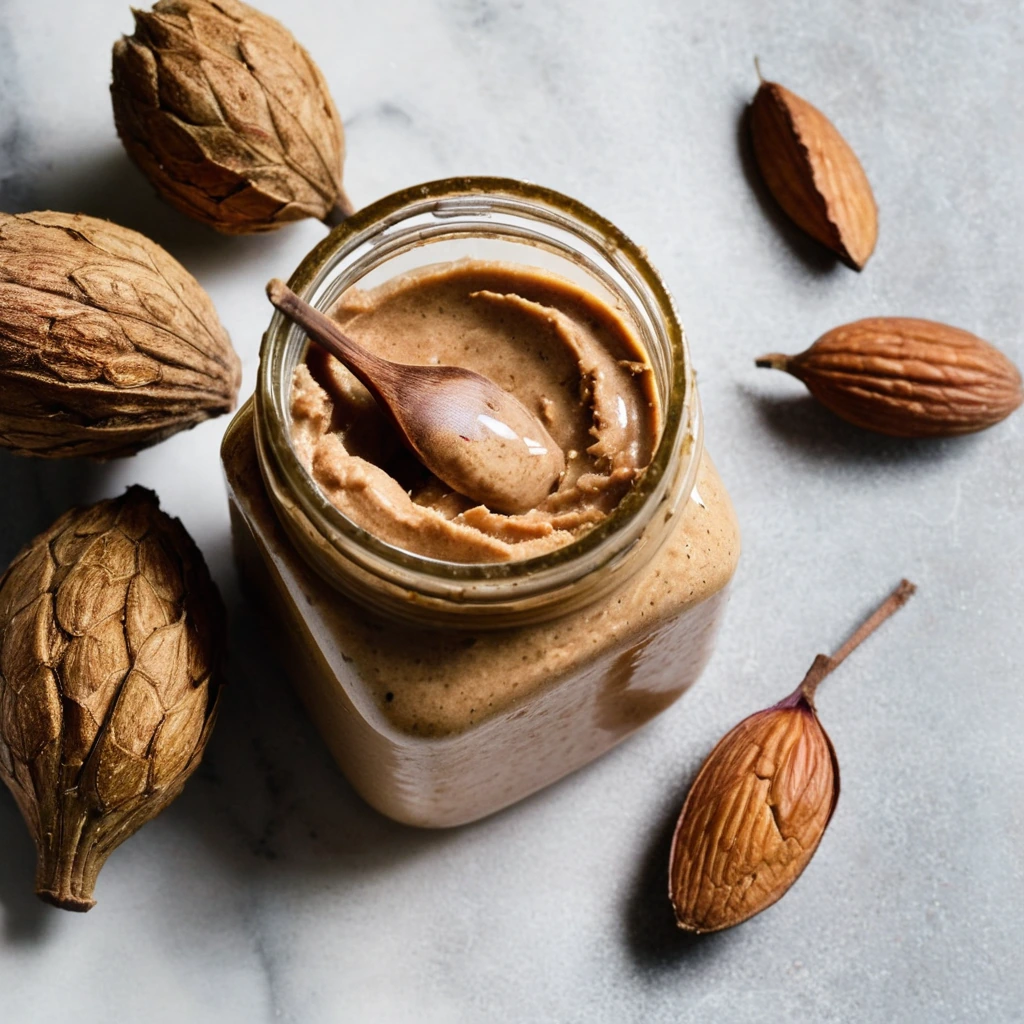
Almond Butter
A velvety, nutty spread crafted from finely ground almonds, offering a rich and satisfying flavor that's both comforting and indulgent.
Recipes to try

Sausage, Egg, and Cheese Croissant Pockets
Buttery croissants envelop a warm, savory trio of sausage, fluffy scrambled eggs, and melty cheese for a breakfast pocket that's pure bliss.
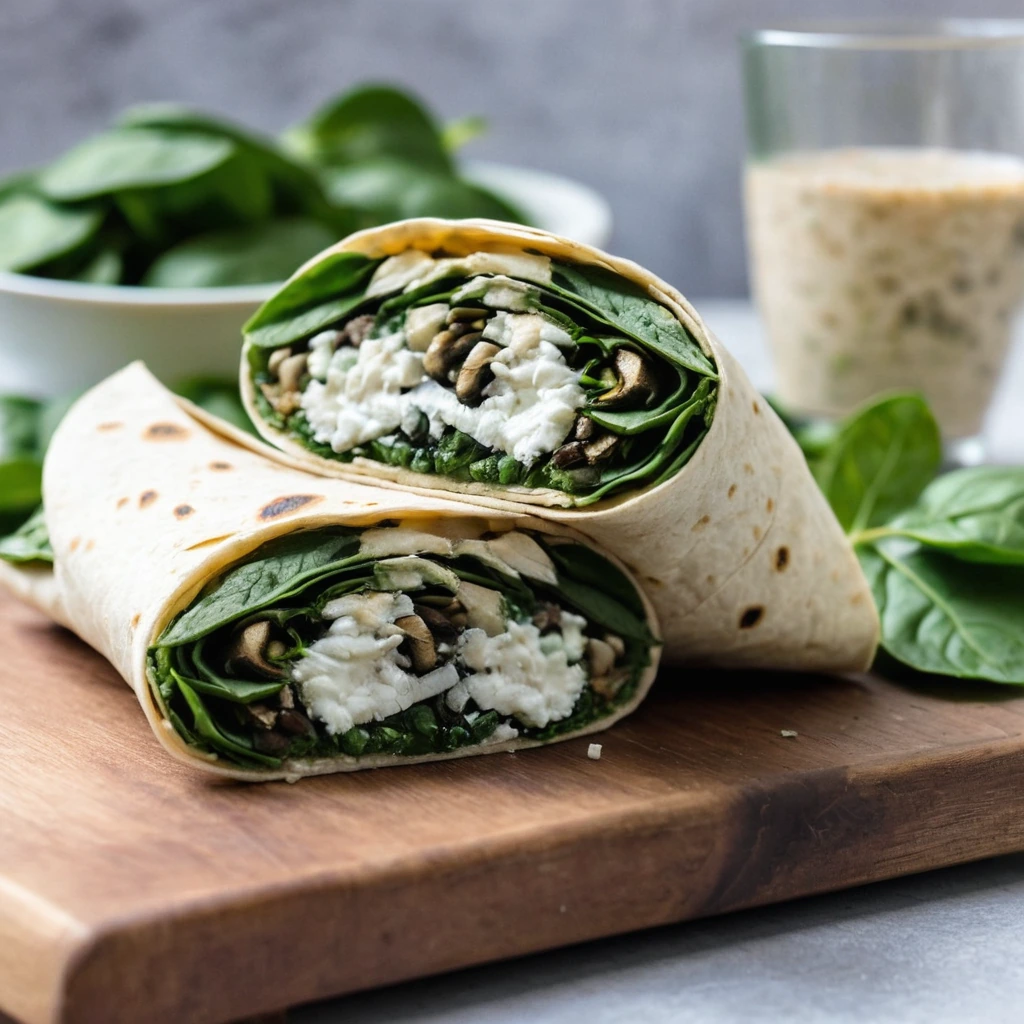
Spinach, Mushroom, and Feta Breakfast Wraps
These wraps are a cozy morning hug in a tortilla—creamy feta, earthy mushrooms, and vibrant spinach meld into a hearty breakfast.