Heat Management Technique: Using Residual Heat to Finish Cooking
The art of using residual heat to finish cooking is a subtle yet powerful technique that can elevate your culinary skills. This method allows you to harness the retained heat in your cookware or oven to gently complete the cooking process without additional energy input. It's particularly useful for dishes that require a delicate touch in the final stages, such as melting cheese on top of casseroles, softening butter on bread, or ensuring meats reach their ideal internal temperature without overcooking. Understanding residual heat involves recognizing how different materials retain heat and how to use this to your advantage. For instance, cast iron skillets hold heat exceptionally well, making them ideal for this technique. Meanwhile, oven residual heat can be used to slowly cook dishes like roasts or baked goods, ensuring even cooking and a perfect texture. The technique is efficient, saves energy, and can lead to more consistent results. By mastering residual heat, you can control your cooking environment with precision, reducing the risk of overcooking and ensuring your dishes come out just right. This method is particularly handy when multitasking in the kitchen, as you can use residual heat to finish one dish while you attend to another. Understanding how to manage and utilize residual heat requires practice, but once mastered, it becomes a valuable tool in any home cook's arsenal.
Notes
The science behind residual heat lies in the thermal mass of your cookware and the ambient heat within your oven. Materials like cast iron have a high heat capacity, meaning they can store and slowly release heat over time. This is why a cast iron skillet remains hot long after it's removed from the stove. When using oven residual heat, remember that the oven interior retains significant warmth, which can continue cooking your dish gently. Common mistakes include not accounting for residual heat, leading to overcooked dishes, or forgetting about the dish entirely. Always use a timer and check your dish periodically. Safety is key; ensure handles are turned inward to prevent accidental bumps and use oven mitts to protect your hands. Dishes finished with residual heat can often be made ahead and stored in the refrigerator for up to three days or frozen for longer storage.
Steps
- 1 Remove your dish from the direct heat source.
- 2 Place the dish on a heat-resistant surface like a trivet or cooling rack.
- 3 Cover the dish with a lid or aluminum foil to trap heat.
- 4 Let the dish rest undisturbed for 5-10 minutes.
- 5 Check the internal temperature with a thermometer if precise doneness is required.
- 6 For oven residual heat, turn off the oven and leave the dish inside with the door slightly ajar.
- 7 Monitor the dish periodically to avoid overcooking.
- 8 Use oven mitts to safely remove the dish once it reaches the desired doneness.
- 9 For stovetop residual heat, ensure the burner is off and the pan is off the heat before covering.
Ingredients to explore
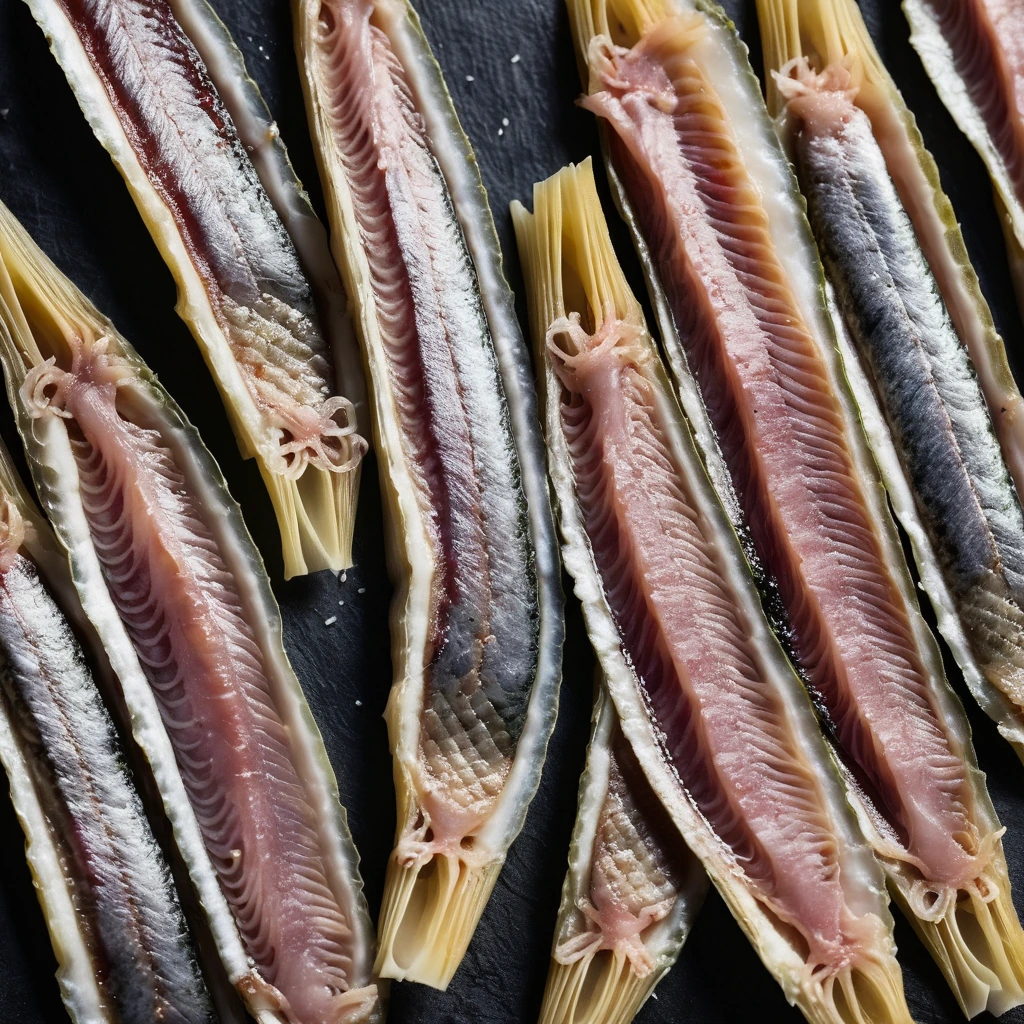
Anchovy Fillets
Silvery and succulent, anchovy fillets are a briny treasure from the sea. Their rich, umami flavor adds depth to dishes, making them a beloved ingredient in kitchens worldwide.
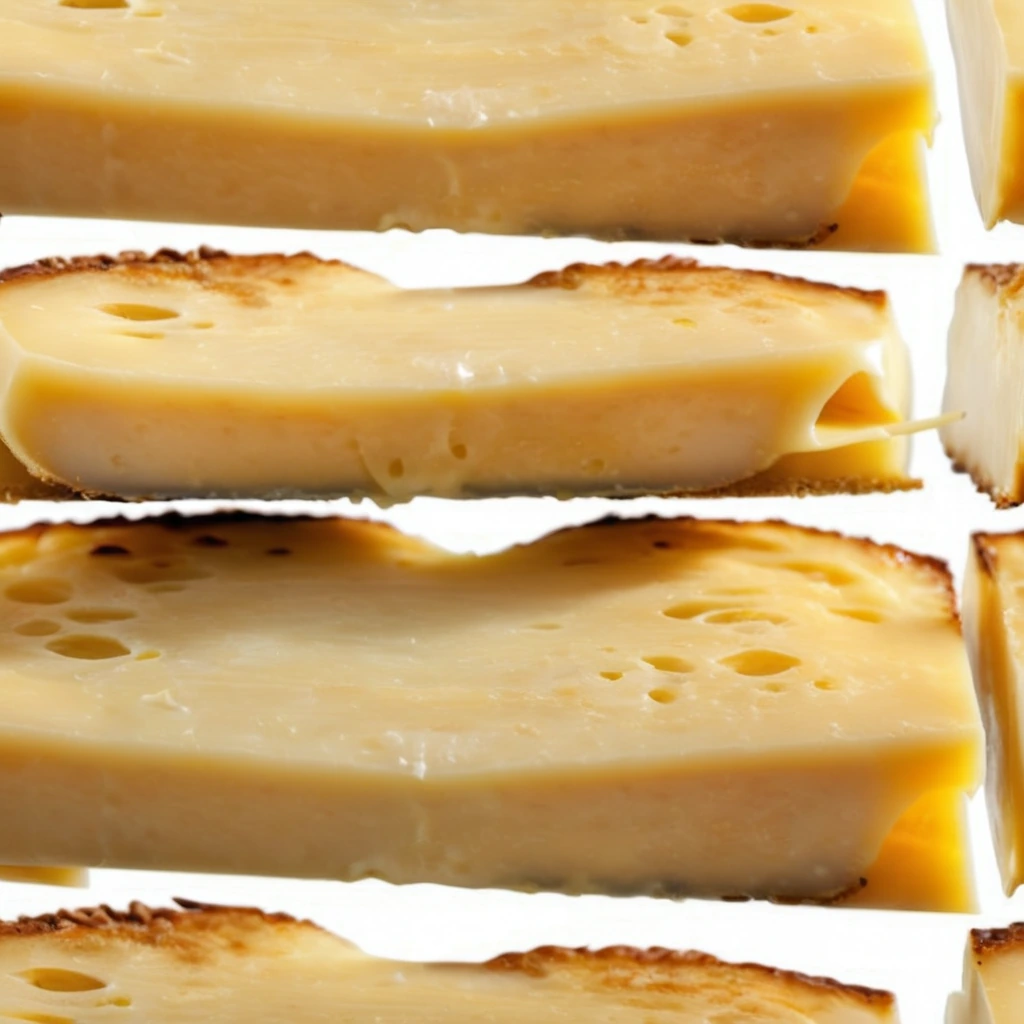
American Cheese Slices
Those iconic, perfectly pliable slices of creamy, mild American cheese. Each slice boasts a smooth, melt-in-your-mouth texture that brings comfort to any dish.
Recipes to try
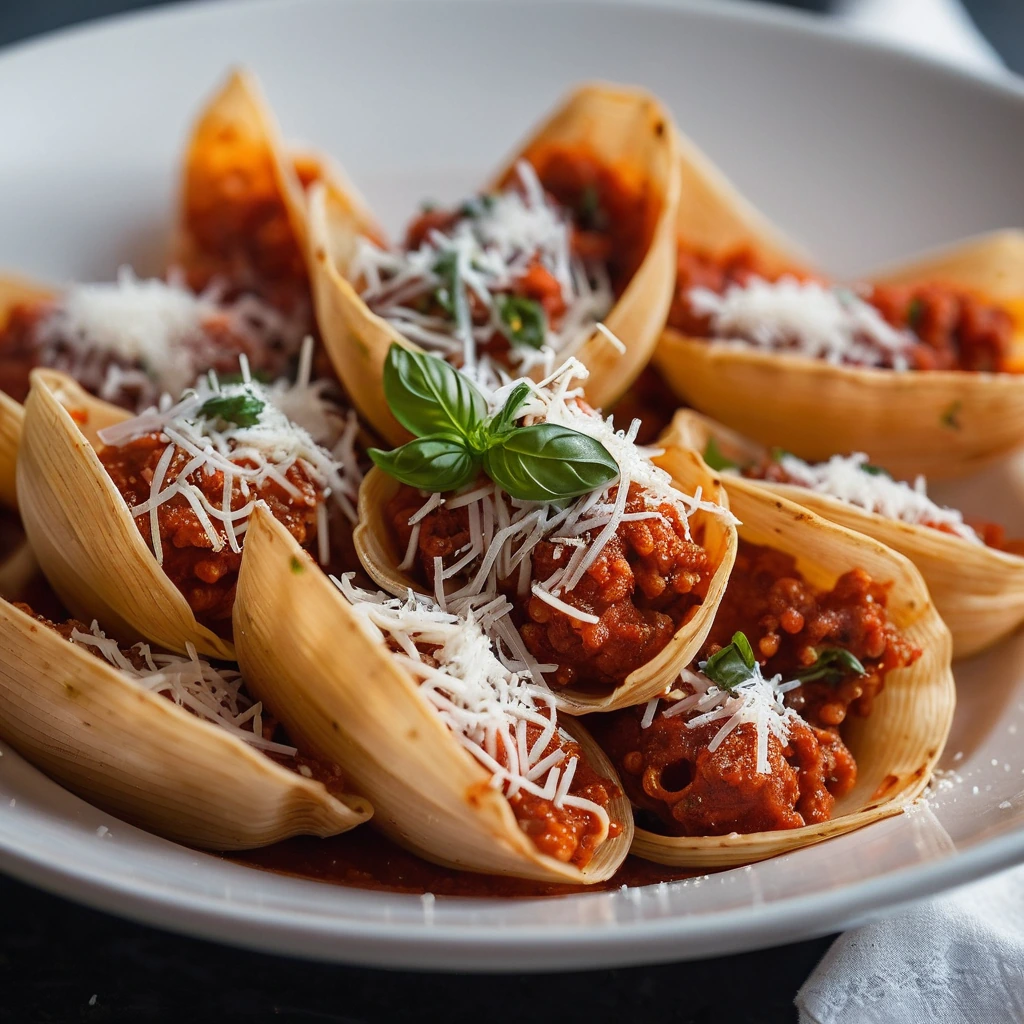
Spicy Arrabbiata Shells with Parmesan
Fiery and fresh, these pasta shells are smothered in a spicy tomato sauce and crowned with nutty Parmesan.

Pork Carnitas Nachos with Queso and Jalapeños
Crispy tortilla chips smothered in tender pork carnitas, melty queso, and zesty jalapeños for a fiesta in your mouth.