Heat Management Technique: Staging Ingredients by Cook Time
The art of cooking often hinges on precision, and nowhere is this more evident than in heat management. Staging ingredients by cook time is a chef-level strategy that ensures everything hits the pan or pot at just the right moment. This technique is especially crucial in complex dishes where multiple components have different cooking times. Imagine searing scallops while simultaneously reducing a sauce and sautéing vegetables. Without proper staging, chaos ensues. Here, we break down how to organize your ingredients and workflow to achieve culinary harmony. First, understand the cook times for each ingredient: proteins usually require the longest, followed by root vegetables, then quick-cooking greens and sauces. Next, prep everything in advance—this is called mise en place. Have your proteins patted dry, vegetables sliced uniformly, and sauces prepped but not yet heated. Then, consider the sequence of cooking: start with the longest cook times first. As your proteins rest or your vegetables begin to soften, move on to the next stage. This method minimizes waiting time and maximizes efficiency, ensuring each component is ready to come together at the perfect moment. The key is to visualize your dish from start to finish, orchestrating each element like a symphony. This technique not only streamlines your cooking process but also elevates the final result, with each ingredient reaching its peak at the right time. Mastering this skill requires practice, but once you’ve got it down, your dishes will sing with balanced flavors and perfect textures.
Notes
Understanding the science behind cook times can elevate your cooking game. Proteins, due to their density, require longer to cook thoroughly, while vegetables with high water content cook quickly. Staging ingredients allows you to control the cooking environment, preventing overcooking or undercooking. Common mistakes include starting all components at once, leading to rushed or delayed cooking. To troubleshoot, always double-check your mise en place before beginning. For safety, ensure proteins reach a safe internal temperature. For make-ahead meals, consider cooking components separately and reheating gently to preserve texture and flavor. Proper storage in airtight containers can maintain freshness for up to three days.
Steps
- 1 Review recipe to identify cook times for each ingredient.
- 2 Prepare mise en place: cut, measure, and organize all ingredients.
- 3 Group ingredients by their cook times: longest to shortest.
- 4 Heat your first cooking vessel to the appropriate temperature.
- 5 Begin with proteins, searing or roasting as required.
- 6 While proteins rest, move to next group, like root vegetables.
- 7 Sauté or cook vegetables until they reach desired tenderness.
- 8 Prepare quick-cooking elements, such as greens or delicate sauces.
- 9 Combine all components just before serving to maintain optimal texture and temperature.
- 10 Adjust seasoning to taste before presenting the dish.
Ingredients to explore
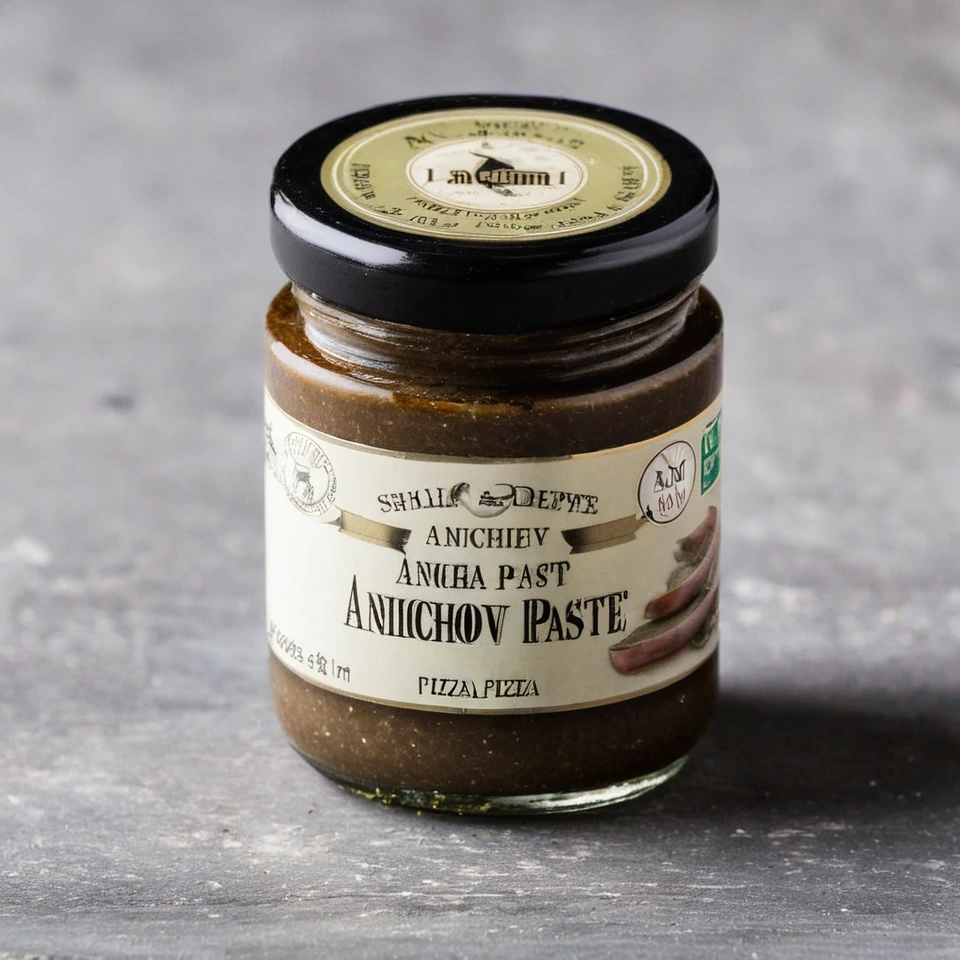
Anchovy Paste
Anchovy paste is a rich, salty spread made from finely ground anchovies, salt, and sometimes olive oil. It offers a deep umami flavor that enhances a variety of dishes.
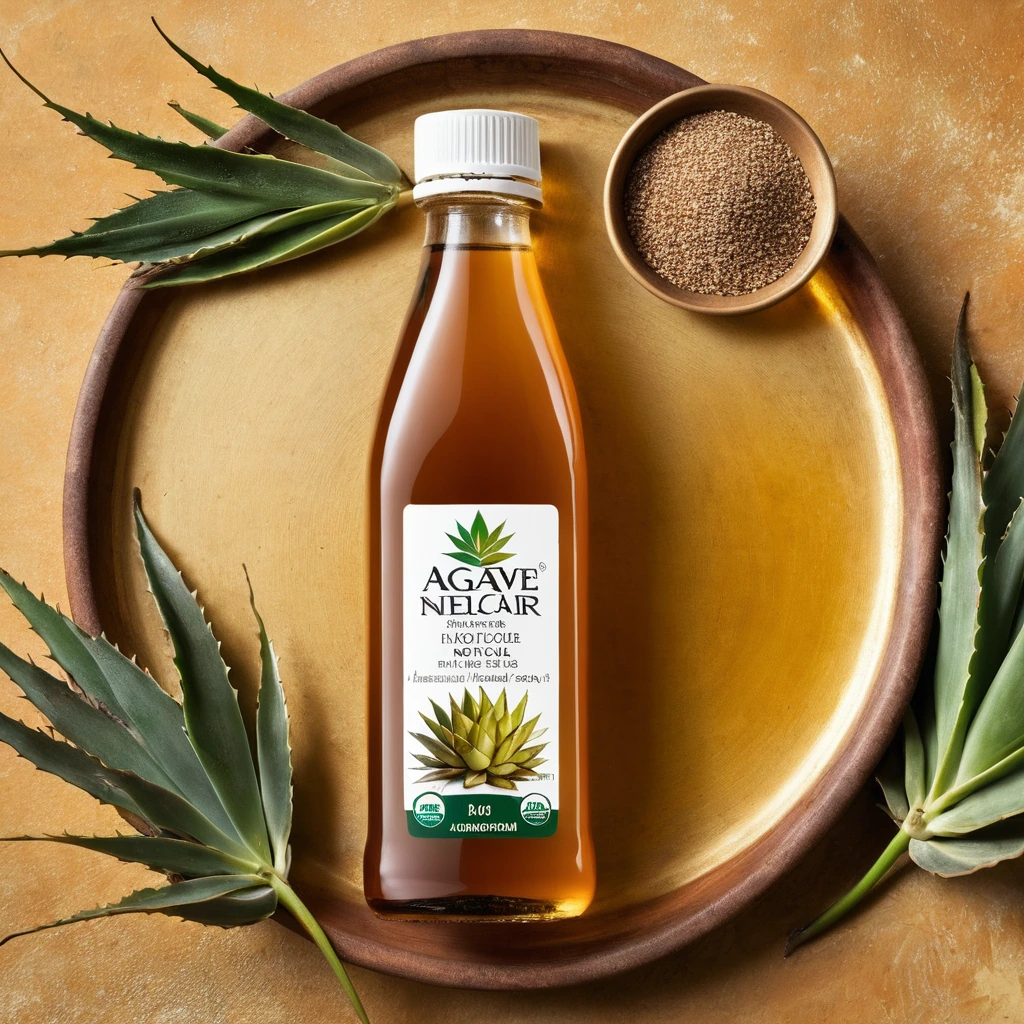
Agave Nectar
A golden, velvety sweetener derived from the agave plant, offering a subtly sweet flavor with a smooth, syrup-like texture.
Recipes to try
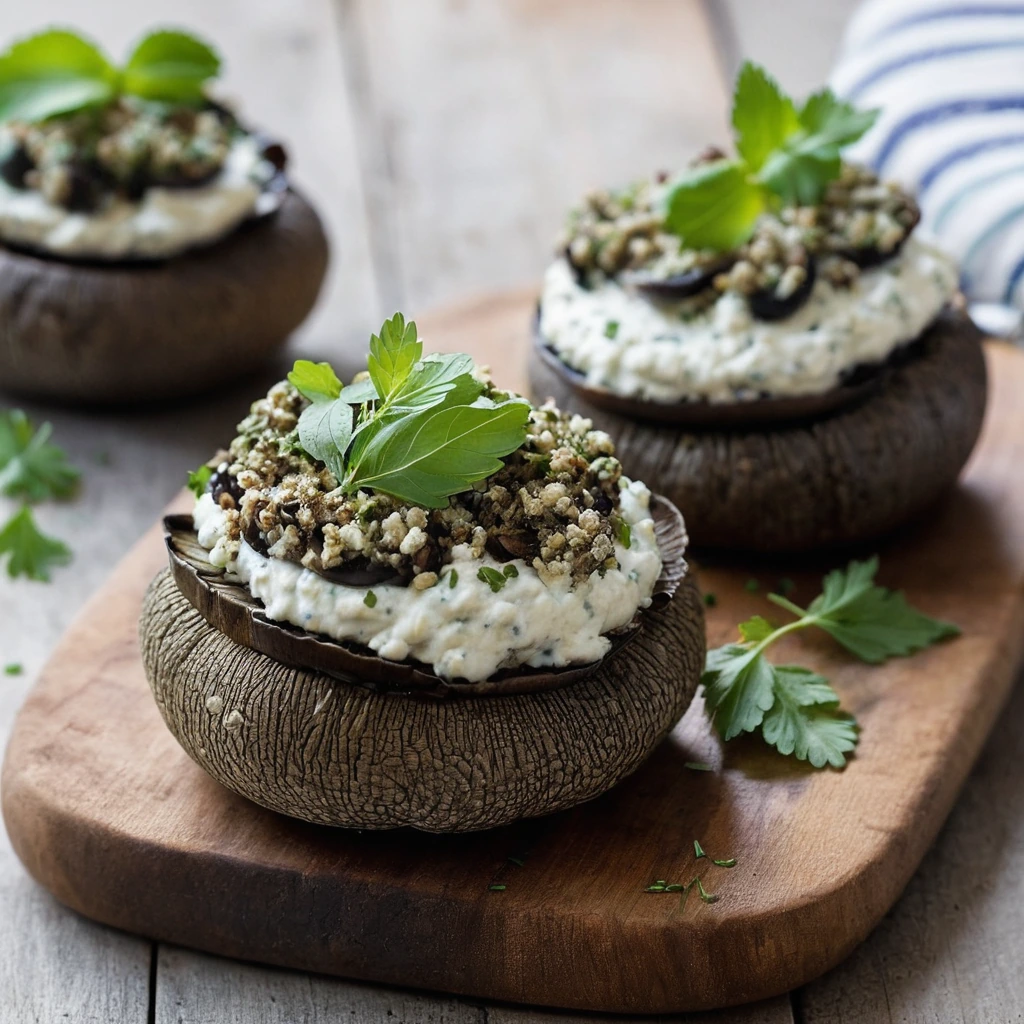
Stuffed Portobello Mushrooms with Herbed Ricotta
These earthy portobello mushrooms are stuffed with a creamy, herbed ricotta mixture, offering a satisfying vegetarian delight that's both elegant and easy.
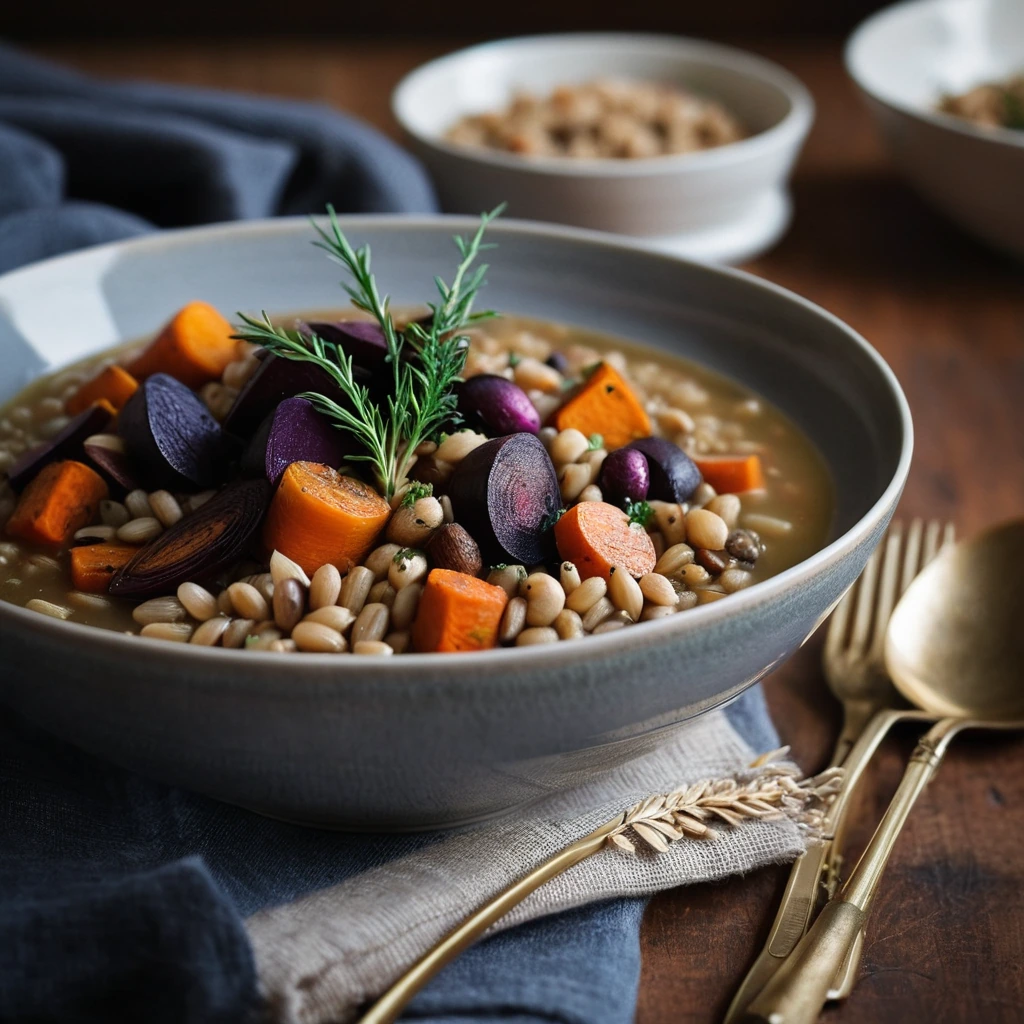
Roasted Root Vegetable and Barley Stew
Hearty and deeply flavorful, this stew marries caramelized root veggies with chewy barley for a comforting bowlful of warmth.