Heat Management Technique: Simmer Versus Boil in Saucepans
Understanding the difference between simmering and boiling is crucial for any home cook looking to elevate their culinary skills. Simmering and boiling are both methods of cooking that use heat, but they serve different purposes and produce distinct results. Simmering occurs when the liquid is just below the boiling point, typically around 180°F to 205°F, creating gentle bubbles that occasionally break the surface. This method is ideal for delicate dishes like soups, stews, and sauces, where prolonged boiling could disintegrate ingredients or over-thicken the liquid. Boiling, on the other hand, is when the liquid reaches 212°F at sea level, resulting in vigorous, rolling bubbles. This technique is suited for tasks requiring rapid cooking, such as blanching vegetables or boiling pasta, where texture and speed are key. Achieving the correct temperature is essential, as too high a heat can lead to overcooking, while too low may result in undercooked ingredients. Understanding the science behind these processes empowers home cooks to control their cooking environment with precision, ensuring optimal flavor and texture. The choice between simmering and boiling often depends on the desired outcome and the nature of the ingredients involved. By mastering these techniques, you can transform ordinary dishes into culinary delights.
Notes
Simmering is a gentler process that allows for deeper flavor infusion without breaking down delicate ingredients. It works by maintaining a lower temperature, which prevents proteins from seizing up and vegetables from turning mushy. Boiling is efficient for quickly cooking hearty ingredients or sterilizing liquids. Common mistakes include mistaking a vigorous simmer for a gentle boil, which can be corrected by adjusting the heat. Safety is crucial when handling hot liquids, so use oven mitts and be cautious of steam burns. For make-ahead preparation, soups and sauces can be refrigerated for up to four days or frozen for longer storage. When reheating, bring to a simmer rather than a boil to preserve texture and flavor.
Steps
- 1 Select the appropriate saucepan for your task, ensuring it is neither too large nor too small for the volume of liquid.
- 2 Fill the saucepan with your chosen liquid—water, broth, or another cooking medium—to the desired level.
- 3 Place the saucepan on your stovetop and turn the heat to medium-high to bring the liquid to a boil.
- 4 Observe the formation of small bubbles at the bottom of the pan, which indicates the liquid is approaching a simmer.
- 5 Once the bubbles begin to gently rise to the surface, reduce the heat to medium-low to maintain a steady simmer.
- 6 For boiling, allow the liquid to reach a vigorous, rolling boil before proceeding with your recipe.
- 7 Monitor the temperature and adjust the heat as necessary to maintain either a simmer or a boil, depending on your recipe's requirements.
- 8 Stir or agitate the contents periodically to ensure even cooking and prevent sticking.
- 9 Use a thermometer to verify the temperature if precise control is needed for your recipe.
- 10 Adjust the lid position—on for faster heating, slightly ajar for controlled simmering.
- 11 Be attentive to visual cues like bubble size and frequency to gauge whether you are simmering or boiling.
- 12 Once cooking is complete, remove the saucepan from the heat and let it cool naturally or transfer the contents to another container.
Ingredients to explore
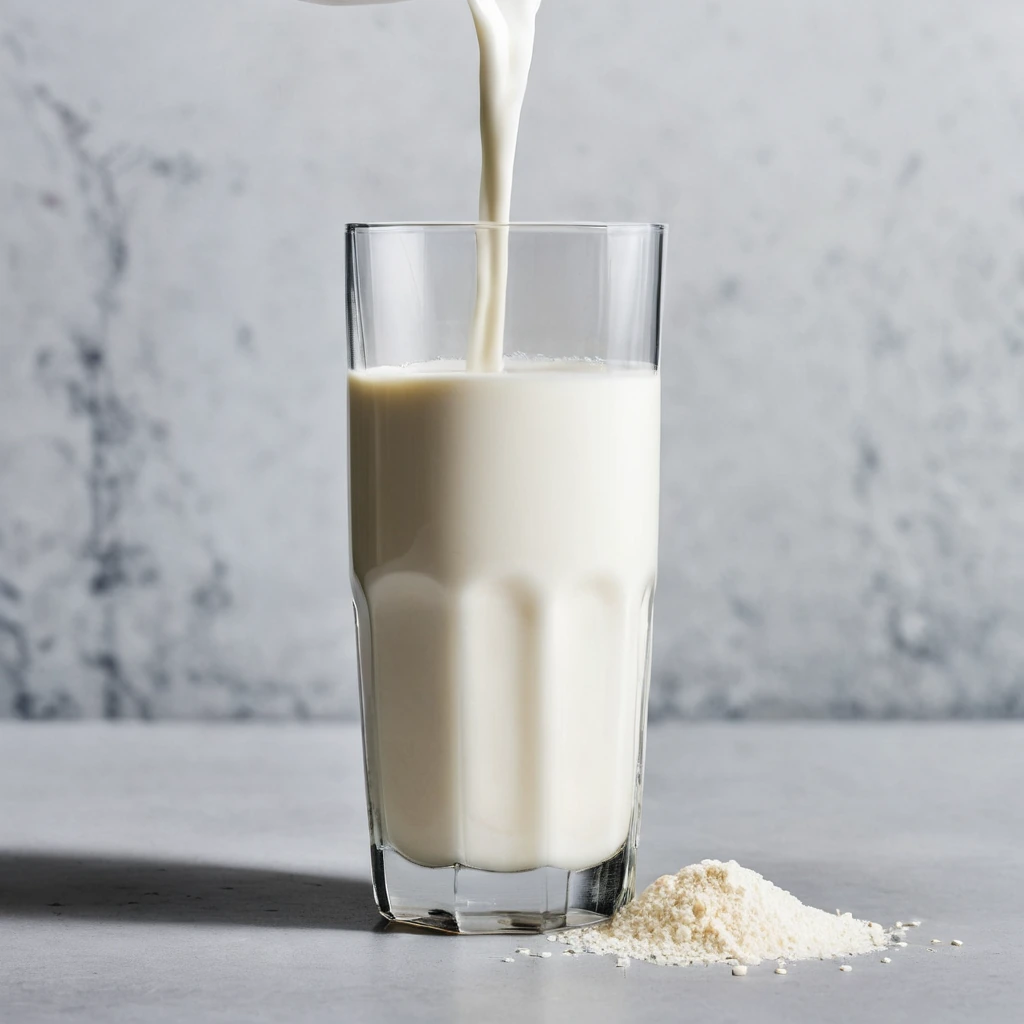
2% Milk
Creamy and just a touch lighter than whole milk, 2% milk offers a perfect balance of richness and reduced fat. Its smooth texture and subtle sweetness make it a delightful choice for sipping or cooking.
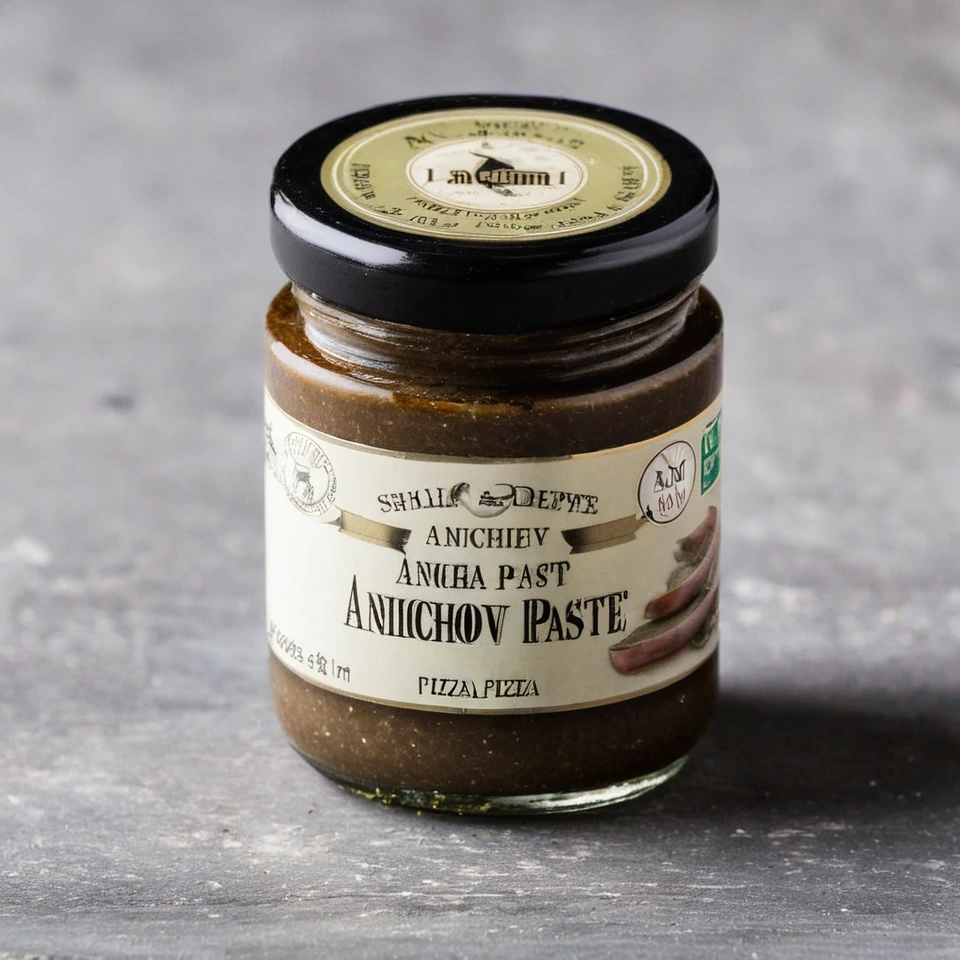
Anchovy Paste
Anchovy paste is a rich, salty spread made from finely ground anchovies, salt, and sometimes olive oil. It offers a deep umami flavor that enhances a variety of dishes.