Heat Management Technique: Resting Meat to Avoid Overcooking
Resting meat is a crucial step in cooking that ensures your meal is juicy and flavorful. When meat is cooked, its muscle fibers contract and push out moisture. If you carve into it immediately, all that precious juice will end up on your cutting board instead of in your mouth. Resting allows the meat fibers to relax, redistributing the juices throughout. This technique is particularly vital for larger cuts of meat like roasts or steaks, but even applies to chicken breasts and pork chops. The resting period varies depending on the thickness and type of meat, but generally ranges from 5 to 20 minutes. During this time, the internal temperature of the meat will continue to rise slightly due to carryover cooking, stabilizing at a perfect serving temperature. Understanding the science behind resting meat can elevate your home cooking to professional levels. It’s a simple step that yields significant rewards in texture and taste. This guide will walk you through the resting process, ensuring you get the most out of your culinary efforts without falling into common pitfalls. Remember, resting isn't just a pause in your cooking—it's an essential phase that guarantees your meat remains succulent and delightful.
Notes
The science behind resting meat is fascinating. When meat is exposed to heat, proteins coagulate, and muscle fibers tighten, squeezing out moisture. Resting allows these fibers to unwind and reabsorb the juices. This process is why your steak won't be dry and chewy. A common mistake is cutting into the meat too soon, causing juices to escape. Another mistake is resting meat in a drafty area or uncovered, leading to a drop in temperature. For safety, always ensure your meat reaches the correct internal temperature before resting. You can prepare your meat ahead of time by cooking it and then resting it before serving. Stored properly in the fridge, rested meat can wait up to 2 days before reheating.
Steps
- 1 Remove the cooked meat from the heat source.
- 2 Place the meat on a clean cutting board or plate.
- 3 Loosely tent the meat with aluminum foil to keep it warm.
- 4 Let the meat rest for 5 minutes per inch of thickness.
- 5 Avoid re-cutting or moving the meat during resting.
- 6 Check the internal temperature after resting to ensure it's stable.
- 7 For large roasts, rest for up to 20 minutes.
- 8 Slice against the grain after resting to maximize tenderness.
Ingredients to explore
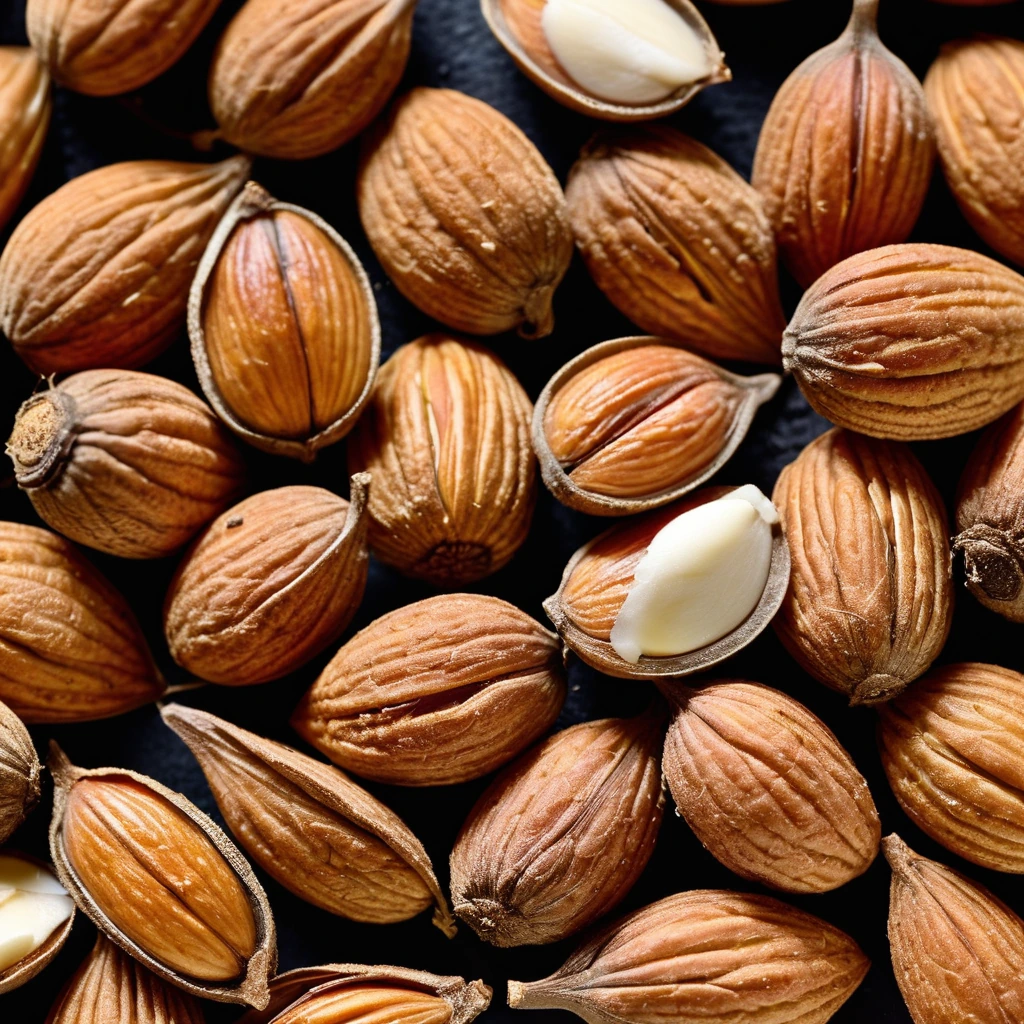
Almond Extract
A fragrant, golden elixir that captures the essence of freshly ground almonds, almond extract is a pantry staple that brings a rich, nutty aroma to your culinary creations.
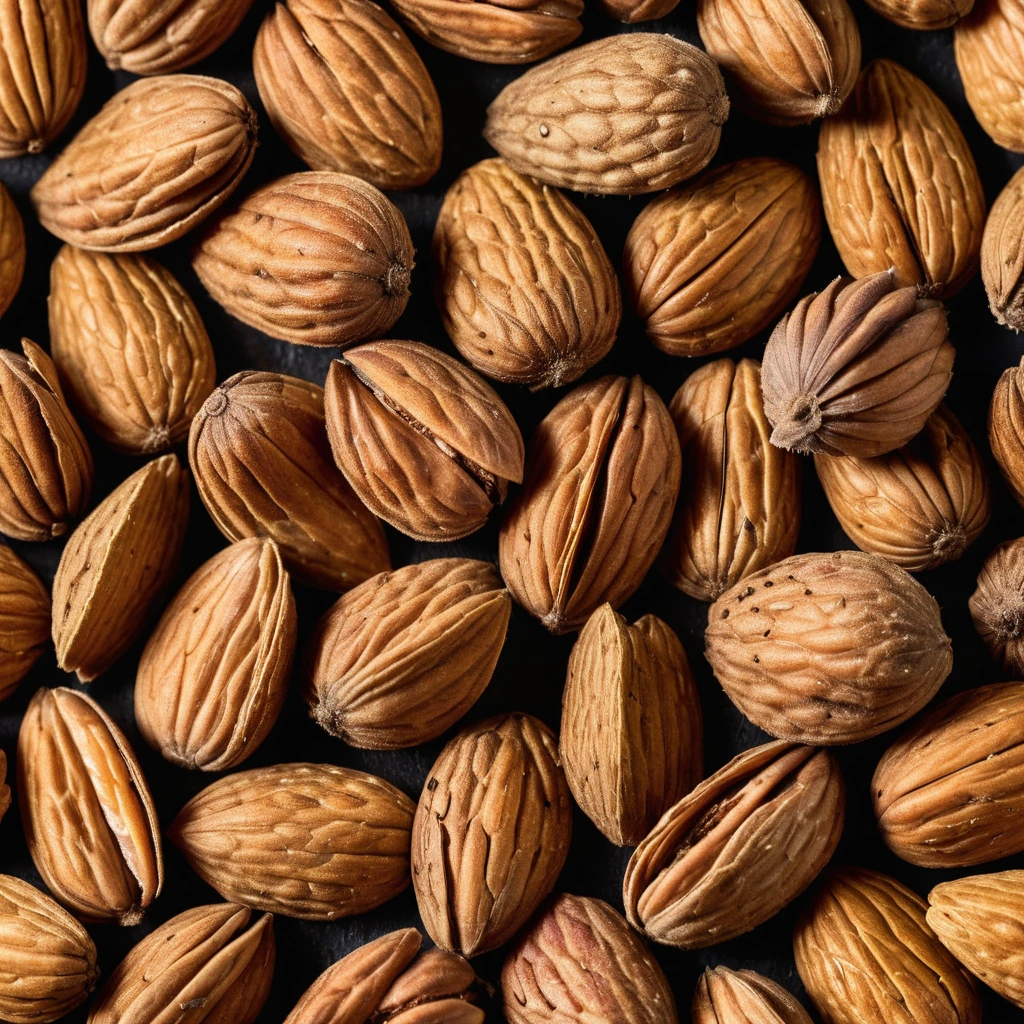
Almonds
With their golden-brown hue and delicate, edible skin, almonds are a crunchy delight. These versatile nuts boast a rich, buttery flavor that adds depth to both sweet and savory dishes.
Recipes to try
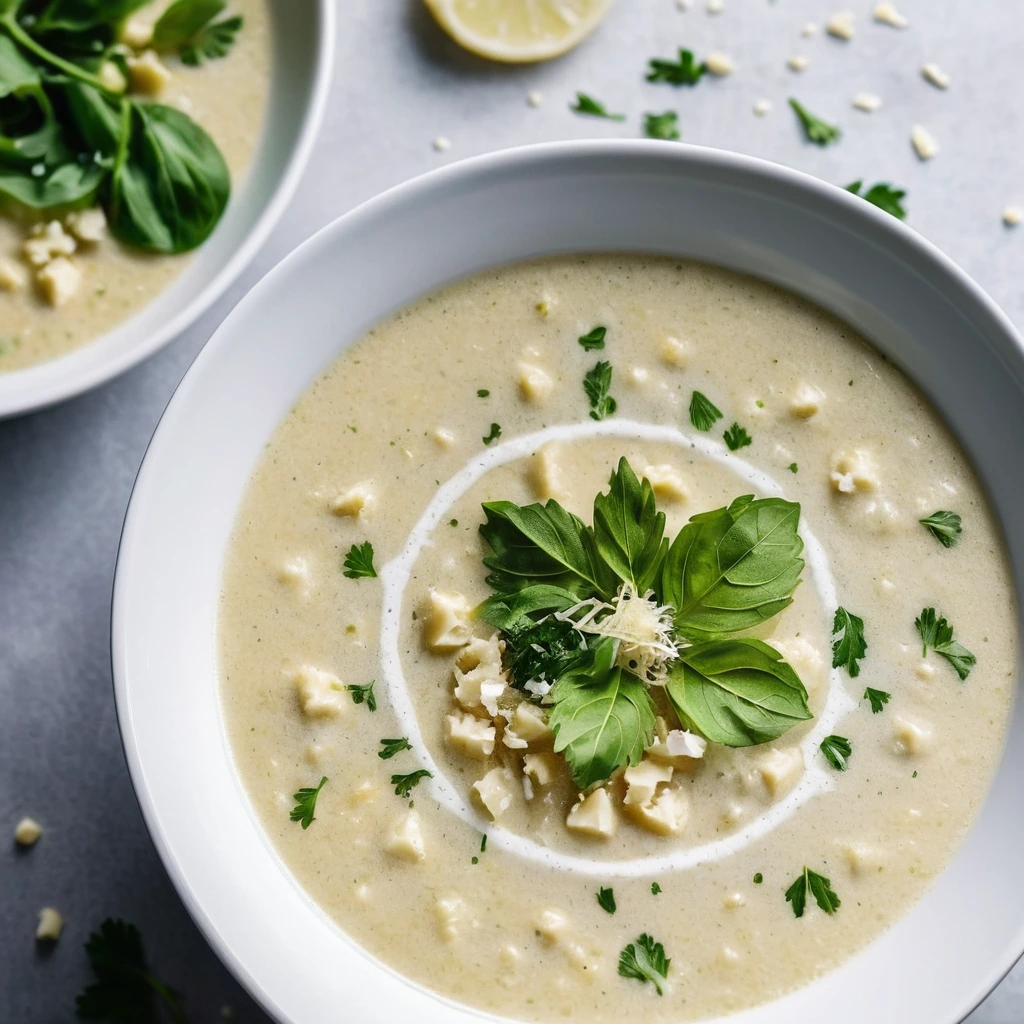
Roasted Cauliflower and Garlic Soup with Parmesan
This velvety soup is a symphony of roasted cauliflower and garlic, kissed with nutty Parmesan for a cozy, crave-worthy bowl.

Pumpkin Spice Cheesecake Swirl Brownies
Indulge in the cozy combo of fudgy brownies with a creamy pumpkin cheesecake swirl - autumn's dream dessert come to life.