Heat Management Technique: Recovering Broken Emulsions with Gentle Heat
Emulsions are delicate mixtures of two liquids that normally wouldn't blend, like oil and water, stabilized by an emulsifying agent. When an emulsion breaks, it separates into its original components, resulting in a grainy or separated sauce. Fear not, for gentle heat can often be your culinary knight in shining armor. Understanding how to apply this heat management technique can save your vinaigrettes, hollandaise, and mayonnaise from becoming kitchen catastrophes. The key is to reintroduce stability to the mixture by carefully reheating it to a specific temperature range, allowing the emulsifiers to work their magic again. This guide will walk you through the science and practical steps to mend your broken emulsions, ensuring your dishes regain their silky, smooth texture.
Notes
The science behind this technique is simple: heat increases the mobility of molecules, helping the emulsifiers to surround fat droplets more effectively and stabilize them within the liquid phase. However, overheating can cause the emulsion to break again, so maintaining a gentle temperature is crucial. A common mistake is adding too much oil too quickly, which can overwhelm the emulsifiers. To avoid this, introduce new oil or liquid incrementally. For storage, keep your recovered emulsion in an airtight container in the refrigerator for up to one week. Before use, gently reheat and whisk to restore its smooth consistency.
Steps
- 1 Set a fine-mesh strainer over a clean bowl.
- 2 Strain the broken emulsion through the strainer to remove any lumps.
- 3 Measure the volume of the strained liquid.
- 4 Pour the strained emulsion into a small saucepan.
- 5 Heat the saucepan over low heat to gently warm the mixture to about 100°F.
- 6 Whisk constantly to encourage re-emulsification as it warms.
- 7 Slowly drizzle in a fresh emulsifier like mustard or lecithin while whisking.
- 8 Add a small amount of oil or liquid, a few drops at a time, whisking continuously.
- 9 Continue to add oil or liquid gradually until the mixture begins to thicken.
- 10 Increase the whisking speed to incorporate more air and stabilize the emulsion.
- 11 Once smooth, remove from heat immediately to prevent overheating.
- 12 Taste and adjust seasoning if necessary.
- 13 Transfer the recovered emulsion to a serving container.
Ingredients to explore
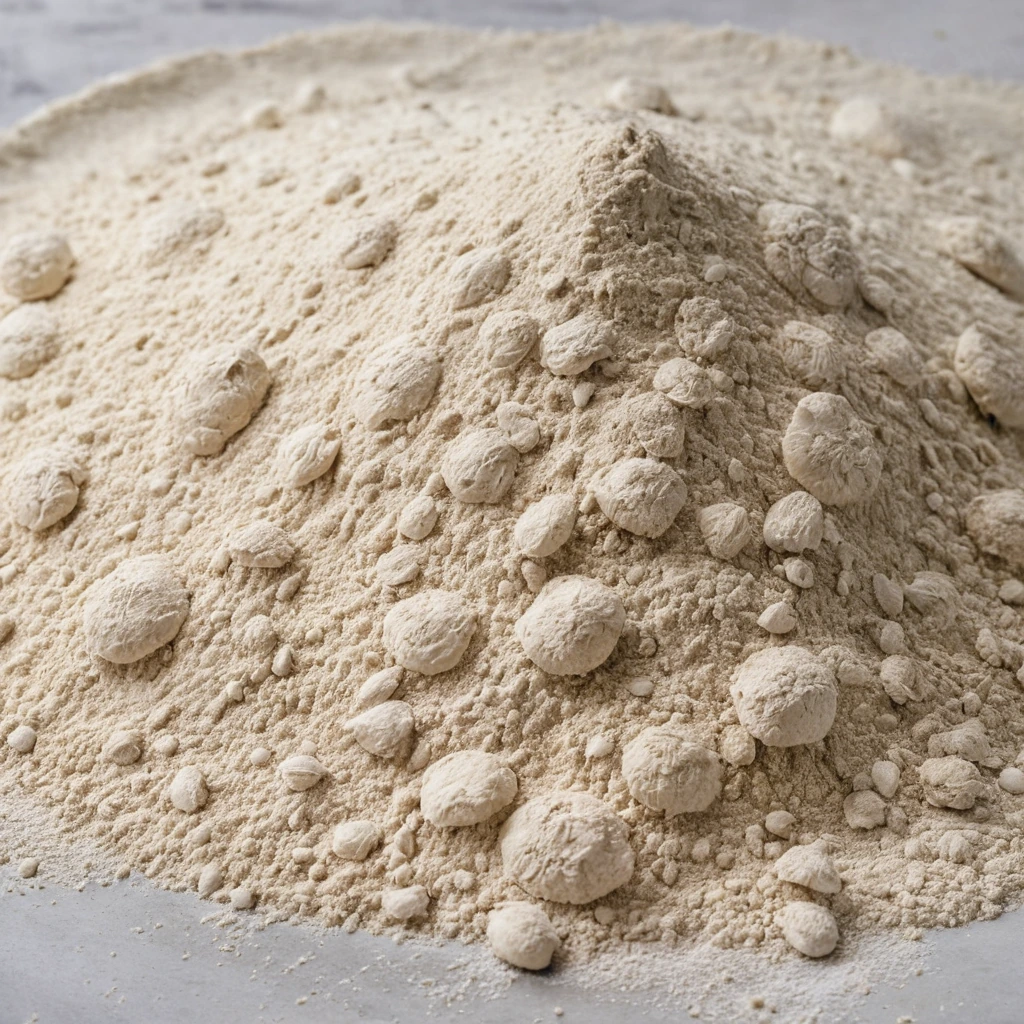
00 Pizza Flour
00 pizza flour is a finely milled Italian flour prized for its versatility in creating authentic Neapolitan-style pizza crusts. Originating from Italy, it is milled to a very fine consistency, which is reflected in its name, 'doppio zero,' indicating its fine grind. This flour has a balanced flavor profile, offering a mild, slightly sweet taste with a subtle nuttiness. Its texture is silky and smooth, contributing to a tender yet chewy crust when used in pizza making. In cooking, 00 pizza flour is known for its ability to hydrate quickly and develop a desirable gluten structure, resulting in a light and airy crust that can withstand high-heat cooking without becoming overly crispy or hard.
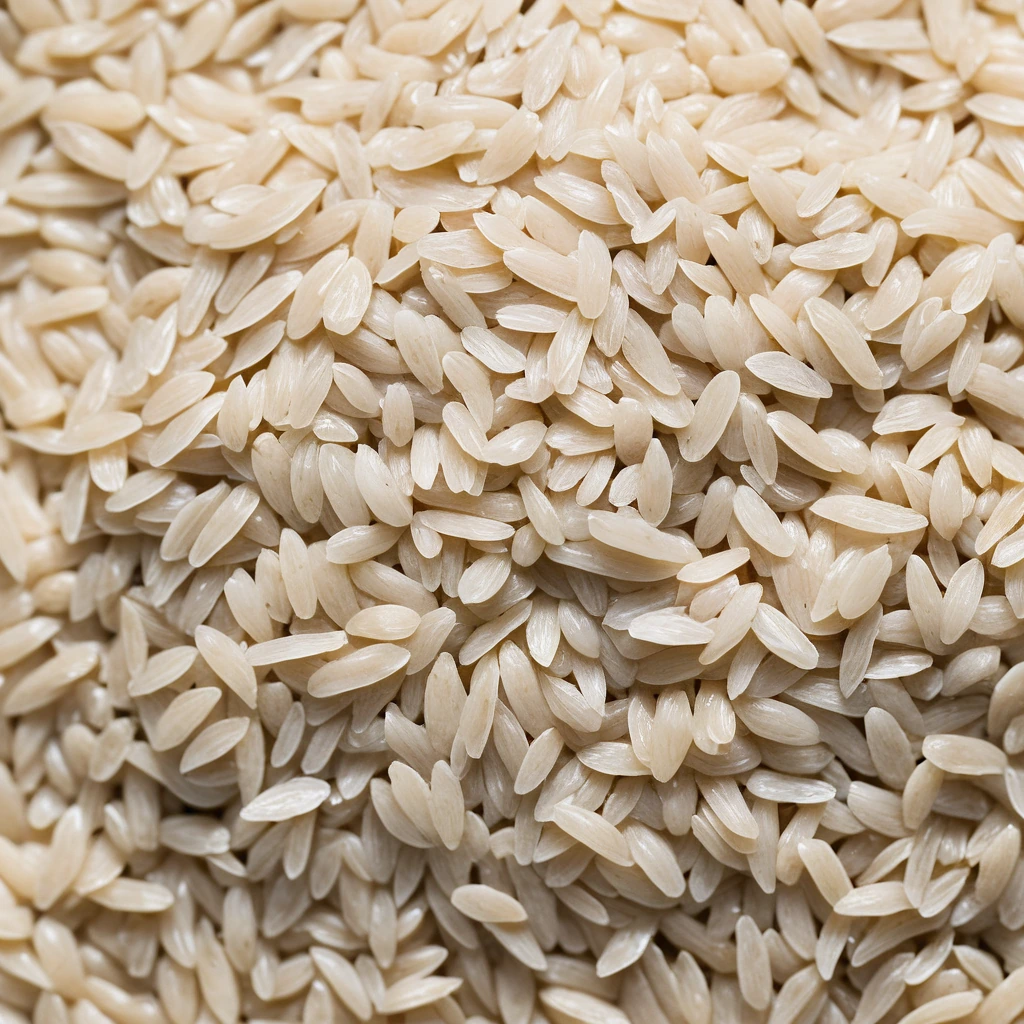
Arborio Rice
Arborio rice is a short-grain Italian rice variety renowned for its use in risotto. Originating from the Po Valley in Northern Italy, it is a staple in Italian cuisine. Its flavor is mild and nutty, with a pleasant creamy texture when cooked due to its high amylopectin content, which releases starch and creates a velvety consistency. The grains remain plump and firm to the bite, offering a satisfying chewiness. In cooking, Arborio rice excels at absorbing flavors from broths and seasonings while maintaining its shape, making it ideal for dishes that require both creaminess and structure.