Heat Management Technique: Matching Pan Size to Burner Output
Achieving culinary perfection often hinges on mastering the art of heat management. One crucial aspect of this skill is matching the size of your pan to the output of your burner. This seemingly simple task can dramatically impact your cooking results. When the pan size is appropriate for the burner, heat is distributed evenly across the cooking surface, allowing for consistent cooking. A pan that's too large or too small for the burner can lead to hot spots or inefficient cooking, affecting both the texture and flavor of your food. Understanding this technique involves considering the science behind heat transfer, the design of your cookware, and the capabilities of your stovetop. By aligning pan size with burner output, you can ensure that your dishes are cooked to perfection, with the desired sear, simmer, or sauté. This technique is particularly relevant for techniques like searing steaks, simmering sauces, or sautéing vegetables, where precise heat control is essential. Let's delve into how you can harness this technique to elevate your home cooking.
Notes
The science behind this technique lies in the principles of heat transfer and thermodynamics. When a pan's base fully covers the burner, heat is transferred more efficiently and evenly across the surface. This reduces the risk of hot spots, which can lead to uneven cooking or burning. A common mistake is using a pan that's too small, leading to wasted energy and potential damage to your stovetop from excessive heat concentration. Conversely, a pan that's too large may not heat up properly, leaving you with cold spots. Always ensure your cookware is in good condition, with no warping or damage that could affect heat distribution. For safety, never leave a pan unattended on high heat. As for storage, simply keep your pans clean and dry, and they'll be ready for your next culinary masterpiece.
Steps
- 1 Choose a pan with a base that matches the diameter of your burner as closely as possible.
- 2 Place the pan on the burner and ensure it sits flat and stable.
- 3 Turn the burner to medium heat and allow the pan to preheat for 2-3 minutes.
- 4 Check for even heat distribution by placing a piece of bread on the pan; it should toast evenly.
- 5 Adjust the burner size if necessary, using a different pan for a better fit.
- 6 For searing, preheat the pan until it's hot but not smoking, around 375°F to 400°F.
- 7 When simmering, maintain a gentle bubble by adjusting the heat accordingly.
- 8 For sautéing, keep the pan at a medium-high heat to ensure quick cooking of ingredients.
- 9 Monitor the heat throughout cooking, adjusting as needed to prevent burning or undercooking.
Ingredients to explore
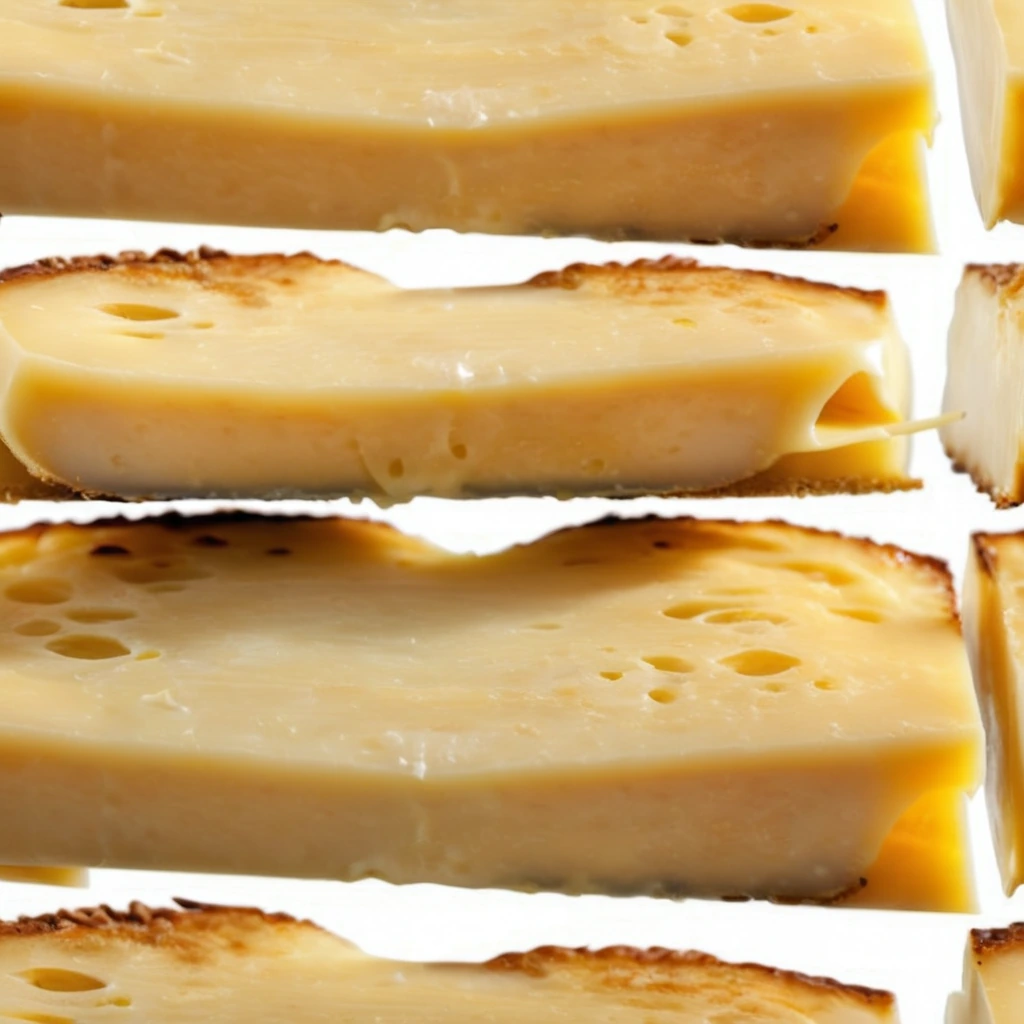
American Cheese Slices
Those iconic, perfectly pliable slices of creamy, mild American cheese. Each slice boasts a smooth, melt-in-your-mouth texture that brings comfort to any dish.
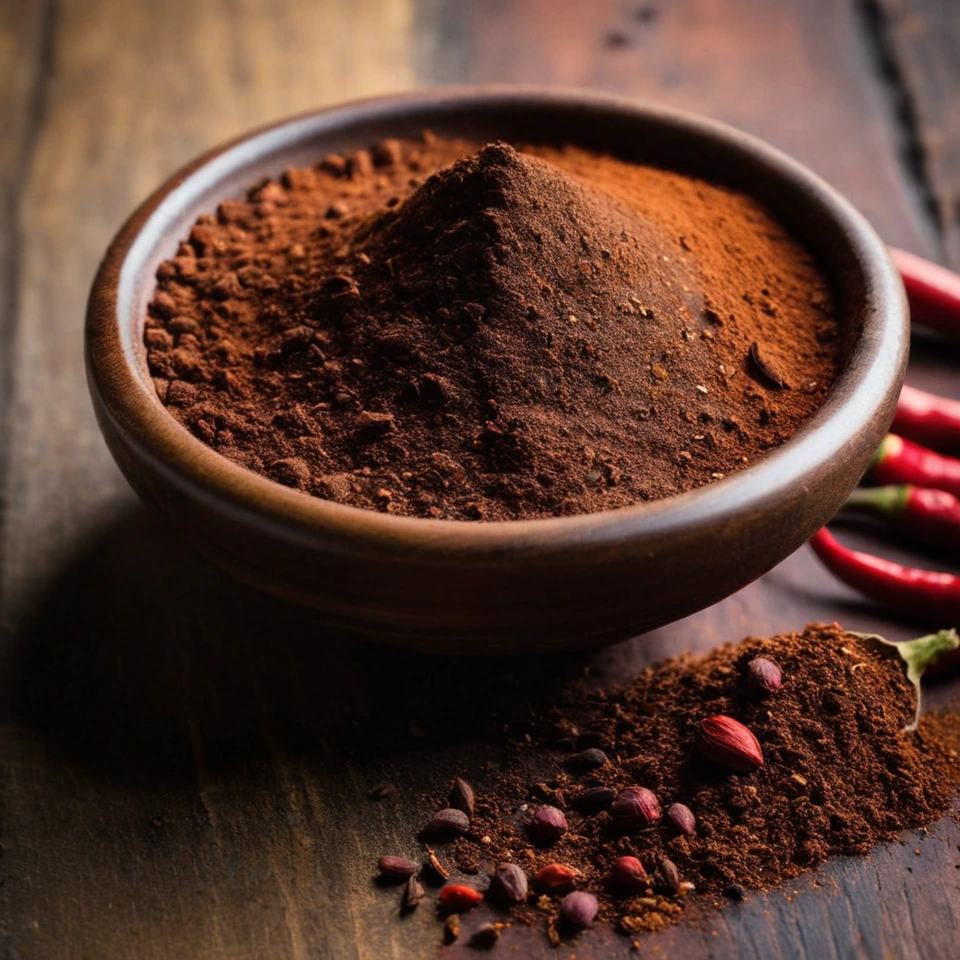
Ancho Chili Powder
Ancho chili powder offers a deep, smoky sweetness with hints of dried fruit and cocoa, reminiscent of its origin as dried poblano peppers from Mexico. Its aroma is warm and inviting, with a mild heat that lingers gently. The texture is fine and velvety, making it easy to incorporate into a variety of dishes. This powder is prized for its ability to add complexity without overwhelming spice, ideal for enriching both traditional Mexican moles and contemporary global cuisines.
Recipes to try
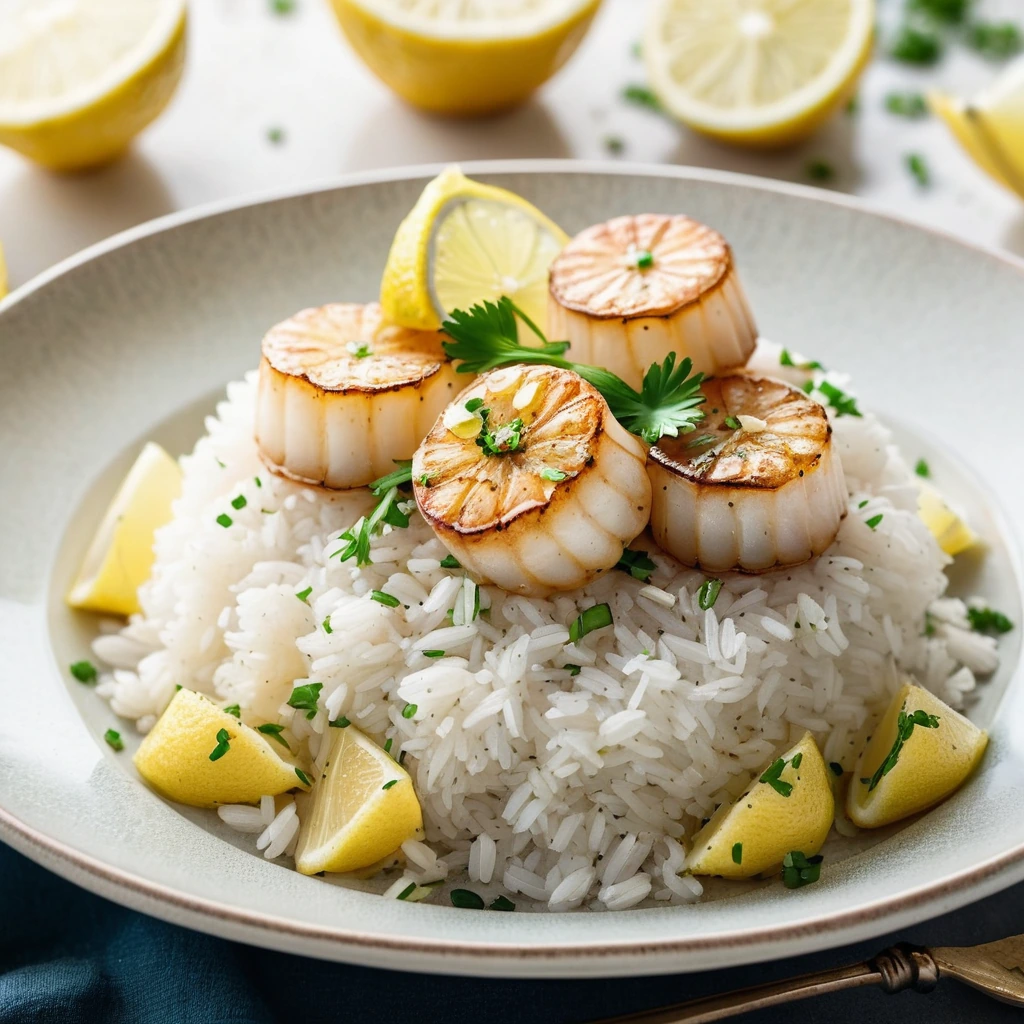
Lemon Garlic Butter Scallops over Rice
Tender scallops kissed with lemon and garlicky butter, served over fluffy white rice for a luxurious yet simple dinner.
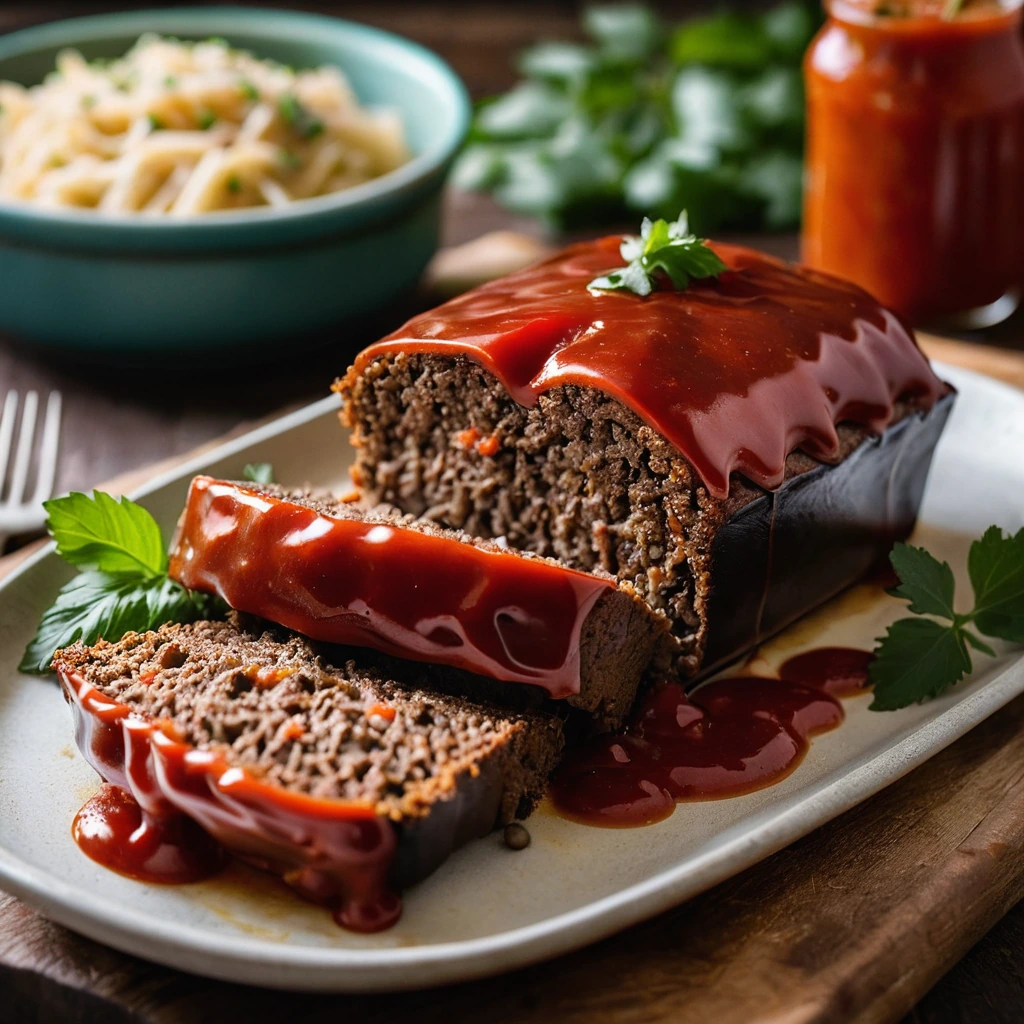
Pepper Jack Stuffed Meatloaf with Salsa Glaze
A savory meatloaf stuffed with gooey pepper jack cheese and topped with a tangy, zesty salsa glaze that'll have your taste buds doing a happy dance.