Heat Management Technique: Managing Heat While Deglazing with Alcohol
Deglazing is a culinary technique that unlocks flavor by dissolving the caramelized bits stuck to the bottom of your pan. When using alcohol, it's crucial to manage heat effectively to avoid flare-ups and ensure the alcohol evaporates safely, enhancing rather than overwhelming your dish. This technique is especially useful when working with spirits like brandy, wine, or sherry. First, understanding the role of heat is paramount; too high, and you risk igniting the alcohol, too low, and you may not achieve the desired reduction. The goal is to maintain control over the heat source to gently warm the pan, allowing the alcohol to evaporate and leaving behind a concentrated essence of flavor. This guide provides a detailed walkthrough of how to manage heat safely and effectively while deglazing with alcohol. From selecting the right pan to controlling the flame, each step is designed to ensure you harness the full potential of this technique without compromising safety or taste. Whether you're a novice cook or a seasoned home chef, mastering heat management while deglazing will elevate your culinary creations.
Notes
Managing heat is crucial when deglazing with alcohol due to the flammable nature of spirits. Alcohol evaporates at a lower temperature than water, so maintaining a gentle simmer allows for safe and controlled evaporation. A common mistake is using high heat, which can lead to flame flare-ups; always keep a lid nearby to smother any flames. Safety is paramount, so never leave a pan with alcohol unattended. For make-ahead meals, you can deglaze ahead of time and store the sauce in an airtight container in the refrigerator for up to three days. Reheat gently before serving to preserve the delicate balance of flavors.
Steps
- 1 Select a pan with a heavy base to ensure even heat distribution.
- 2 After cooking your proteins, leave residual fat or oil in the pan for flavor.
- 3 Place the pan on the stovetop over medium-low heat.
- 4 Pour in a measured amount of alcohol – start with about 1/2 cup.
- 5 Immediately use a wooden spoon to scrape up the browned bits from the pan bottom.
- 6 Observe the pan closely for any signs of flaring; adjust heat if necessary.
- 7 Allow the alcohol to simmer gently, watching for steam and reduced volume.
- 8 Increase heat slightly if needed to expedite evaporation, but avoid boiling vigorously.
- 9 Continue stirring occasionally to incorporate the deglazing liquid evenly.
- 10 Simmer until the alcohol's sharp aroma diminishes, indicating proper reduction.
- 11 Taste and adjust seasoning as the sauce thickens to your desired consistency.
- 12 Remove the pan from heat once the desired reduction is achieved.
Ingredients to explore

Anaheim Peppers
Anaheim peppers are a mild chili pepper variety named after Anaheim, California, where they were first cultivated commercially. Originating from the New Mexico region, these peppers are celebrated for their versatility and gentle heat. They possess a flavor that is mildly sweet with a subtle tang, and a pleasant vegetal note reminiscent of green bell peppers, but with a hint of spice. Their texture is firm and crisp when fresh, becoming tender and slightly smoky when roasted or cooked. In cooking, Anaheim peppers behave well across a range of techniques, from grilling and roasting to stuffing and sautéing, contributing a nuanced depth without overwhelming other ingredients with heat.
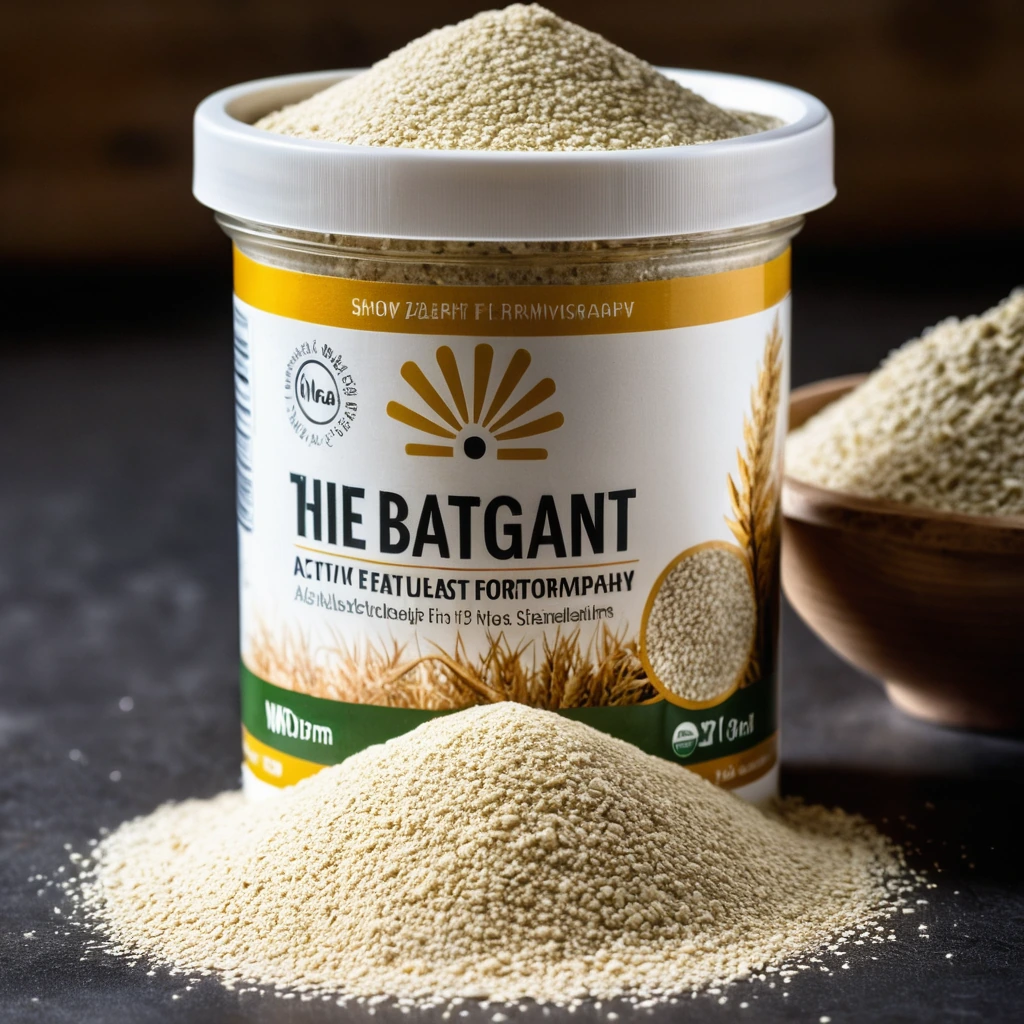
Active Dry Yeast
A fine, granulated leavening agent that brings baked goods to life with its gentle fermentation magic.
Recipes to try
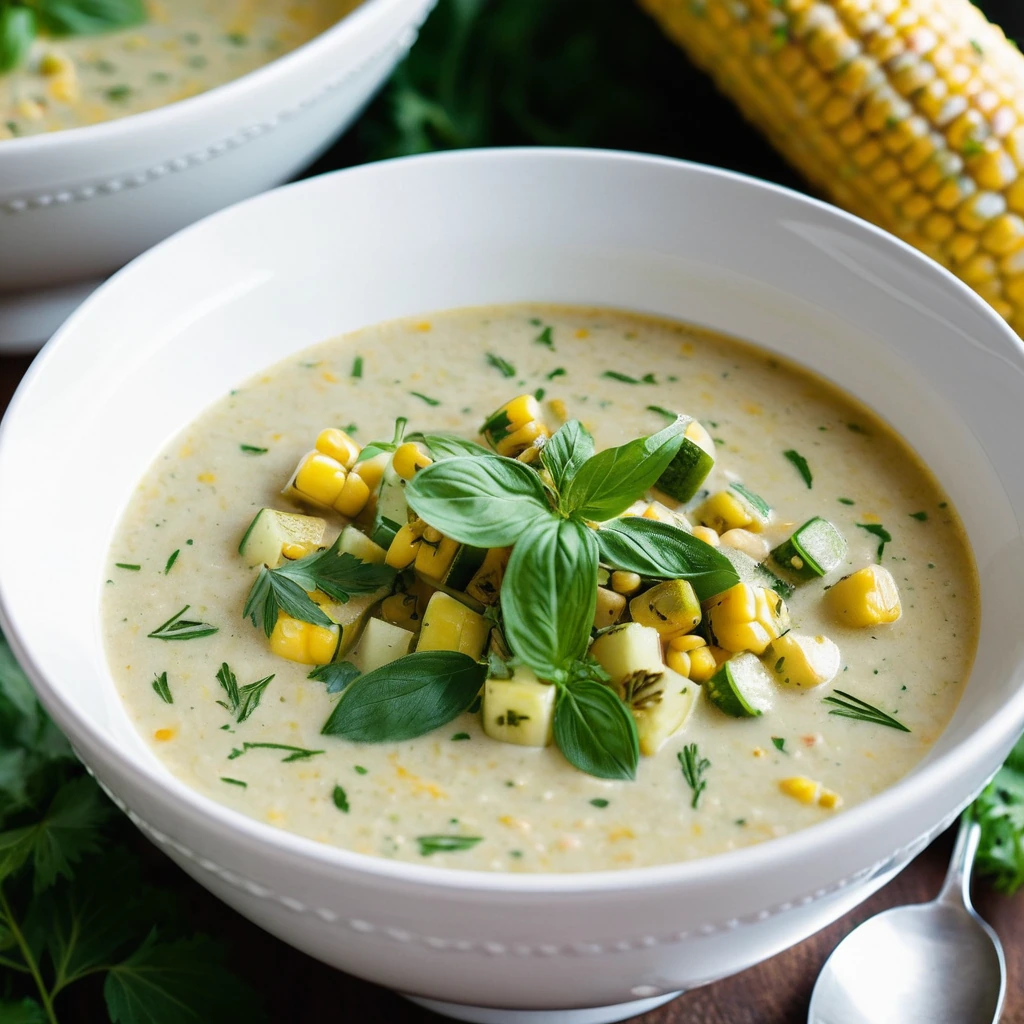
Roasted Corn and Zucchini Chowder
Creamy, comforting chowder with a roasted sweetness from corn and zucchini, finished with a sprinkle of fresh herbs.
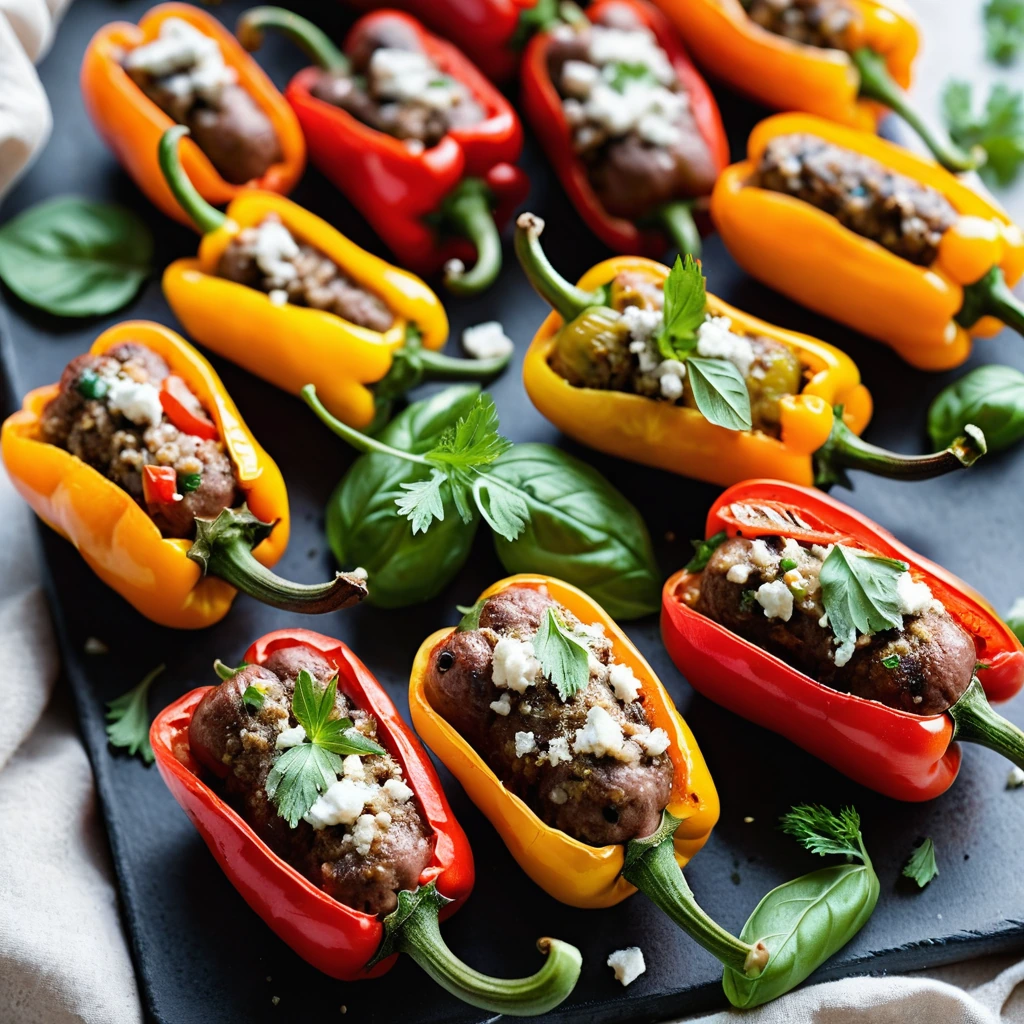
Sausage and Feta Stuffed Mini Peppers
These adorable mini peppers are packed with a savory blend of sausage and creamy feta, delivering a burst of flavor in every bite.