Heat Management Technique: Choosing Cast Iron for Steady Heat
Understanding how to manage heat is a cornerstone of successful cooking, and choosing the right cookware can make all the difference. Cast iron is a beloved material among home cooks and professional chefs alike for its exceptional heat retention and distribution. This technique dives into why cast iron is ideal for maintaining steady heat, ensuring your culinary endeavors are met with consistent results. Cast iron skillets and pans are renowned for their durability and ability to sear, fry, bake, and braise with even heat. The material's thickness allows it to absorb and hold heat exceptionally well, reducing hot spots that can lead to uneven cooking. Whether you're searing a steak to a perfect crust or slow-cooking a hearty stew, cast iron can be your go-to tool. This guide will explore the nuances of selecting, seasoning, and using cast iron cookware to harness its full potential. From understanding preheating times to mastering temperature control, we'll equip you with the knowledge to elevate your cooking with cast iron. Let's dive into the world of cast iron and discover why it's a kitchen essential for anyone serious about heat management.
Notes
The secret to cast iron's steady heat lies in its density and composition. Cast iron's thick walls and base absorb and retain heat exceptionally well, providing a consistent cooking environment. However, this also means it takes longer to preheat compared to other materials. To troubleshoot common mistakes, always preheat your pan properly and be patient—rushing the process can lead to uneven cooking or sticking. Safety is key when handling cast iron due to its weight and heat retention; always use oven mitts. For storage, ensure your cast iron is completely dry and lightly oiled to prevent rust. While cast iron is versatile, it's not ideal for all tasks, such as delicate sauces that require low, precise temperatures. With proper care, your cast iron can last a lifetime, offering unmatched cooking performance.
Steps
- 1 Select a pre-seasoned cast iron skillet or pan suited to your cooking needs.
- 2 Preheat your oven to 350°F if you plan to use cast iron for baking or roasting.
- 3 Place the cast iron cookware on the stovetop over medium heat.
- 4 Allow the pan to heat gradually for 5-10 minutes before adding oil or food.
- 5 Add a thin layer of oil with a high smoke point, such as canola or vegetable oil.
- 6 Use a heatproof spatula to evenly coat the surface of the pan with oil.
- 7 Adjust the heat to your recipe's requirements, monitoring the temperature closely.
- 8 For searing, increase heat to high and wait for the oil to shimmer before adding food.
- 9 When frying, maintain a consistent oil temperature between 350°F and 375°F.
- 10 For braising, reduce heat to low after searing to gently cook the ingredients.
- 11 Use an oven mitt to safely transfer hot cast iron cookware between stovetop and oven.
- 12 After cooking, let the pan cool slightly before cleaning to prevent warping.
- 13 Clean with a stiff brush and hot water; avoid soap unless necessary to maintain the seasoning.
- 14 Dry thoroughly and apply a thin layer of oil to preserve the seasoned surface.
Ingredients to explore
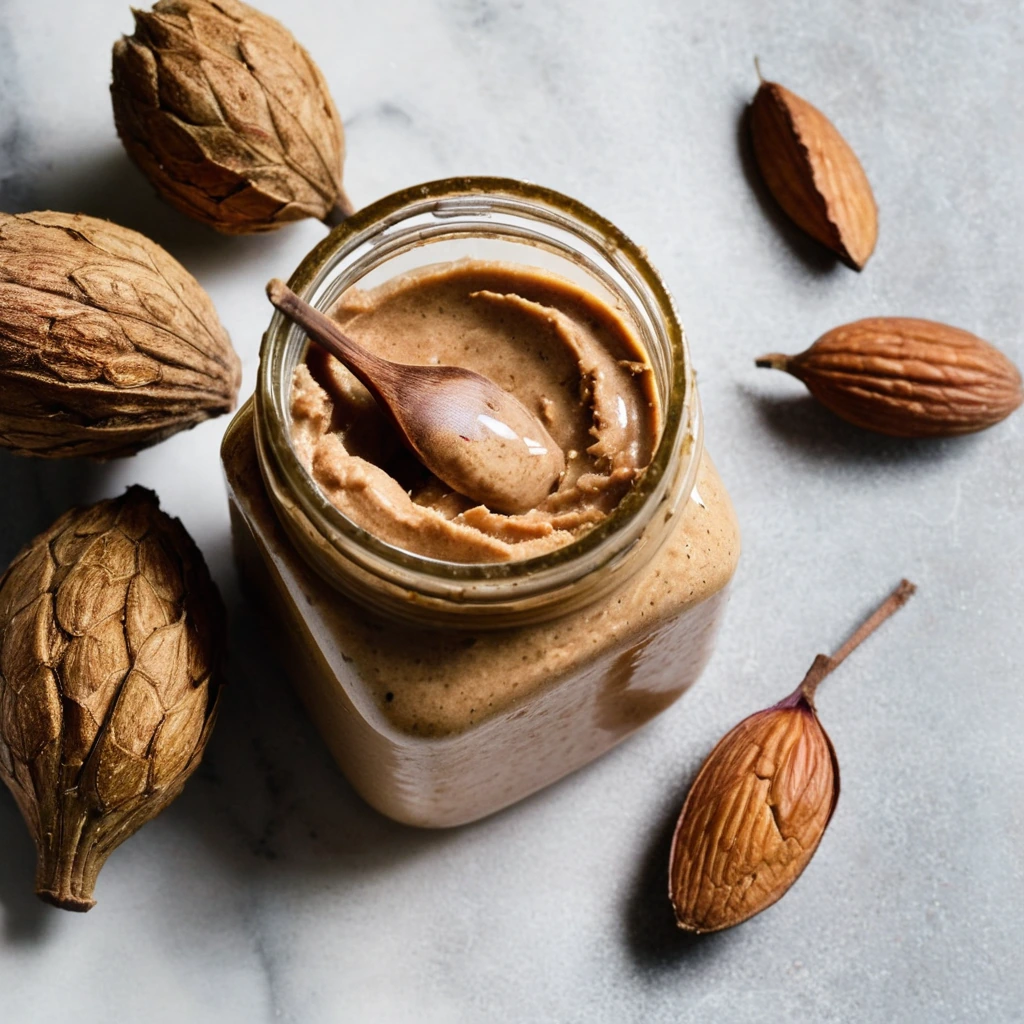
Almond Butter
A velvety, nutty spread crafted from finely ground almonds, offering a rich and satisfying flavor that's both comforting and indulgent.
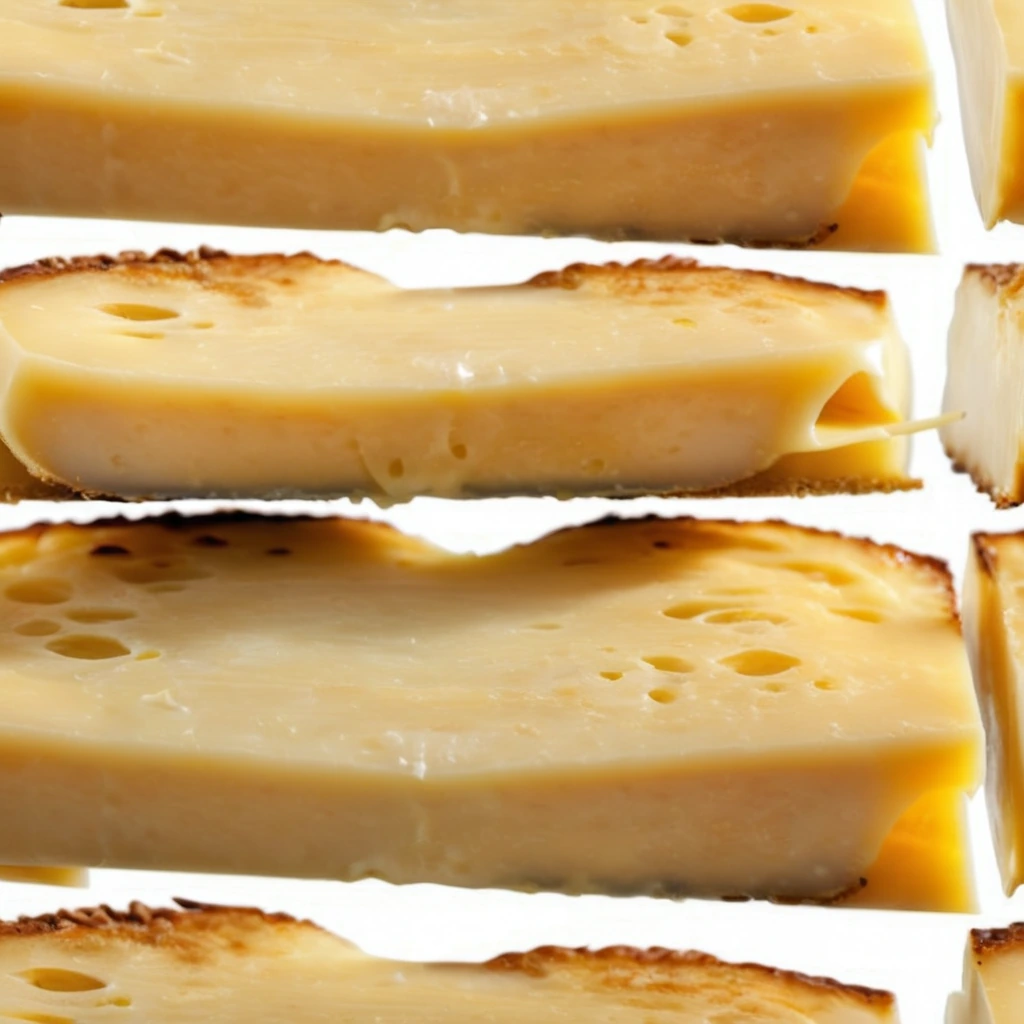
American Cheese Slices
Those iconic, perfectly pliable slices of creamy, mild American cheese. Each slice boasts a smooth, melt-in-your-mouth texture that brings comfort to any dish.
Recipes to try
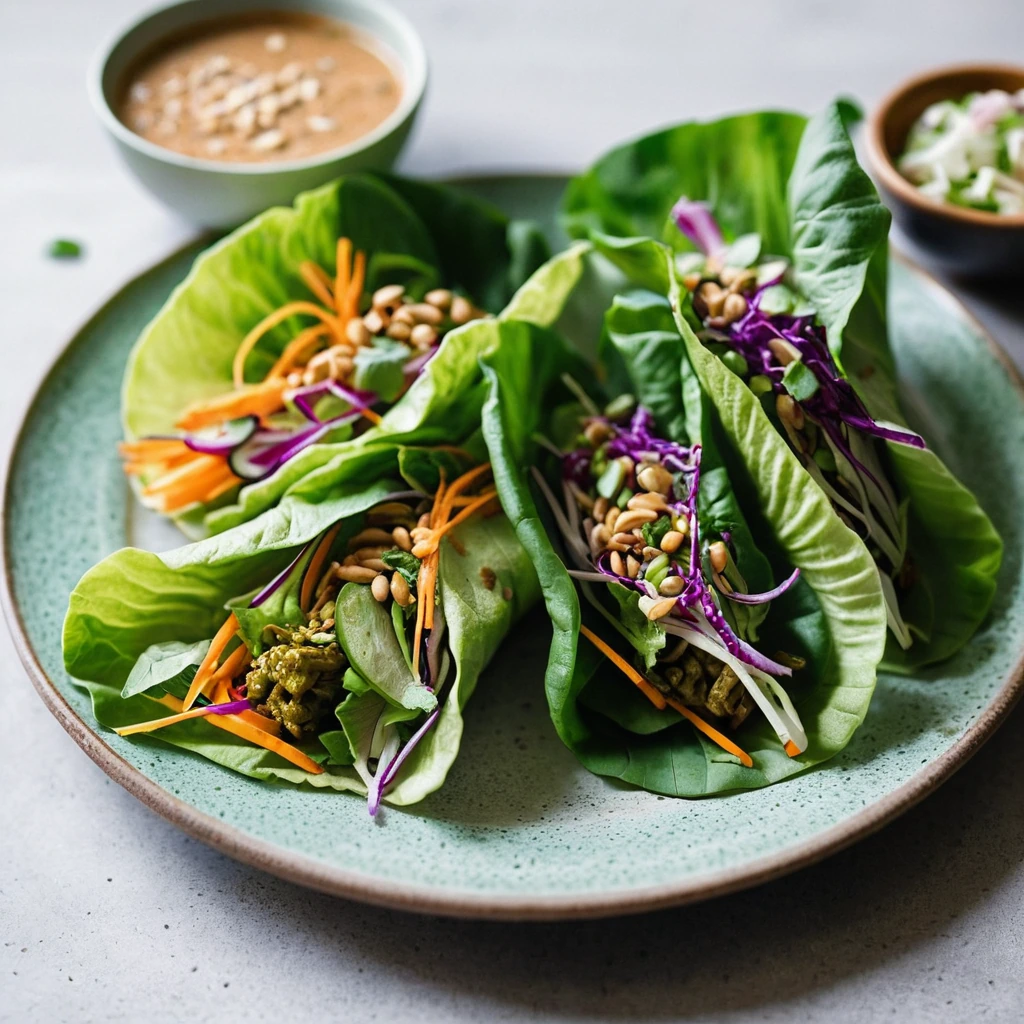
Thai Peanut Veggie Lettuce Wraps
Crispy, fresh veggies hugged by buttery lettuce leaves, drizzled with a creamy, tangy peanut sauce that'll make your taste buds do the tango.
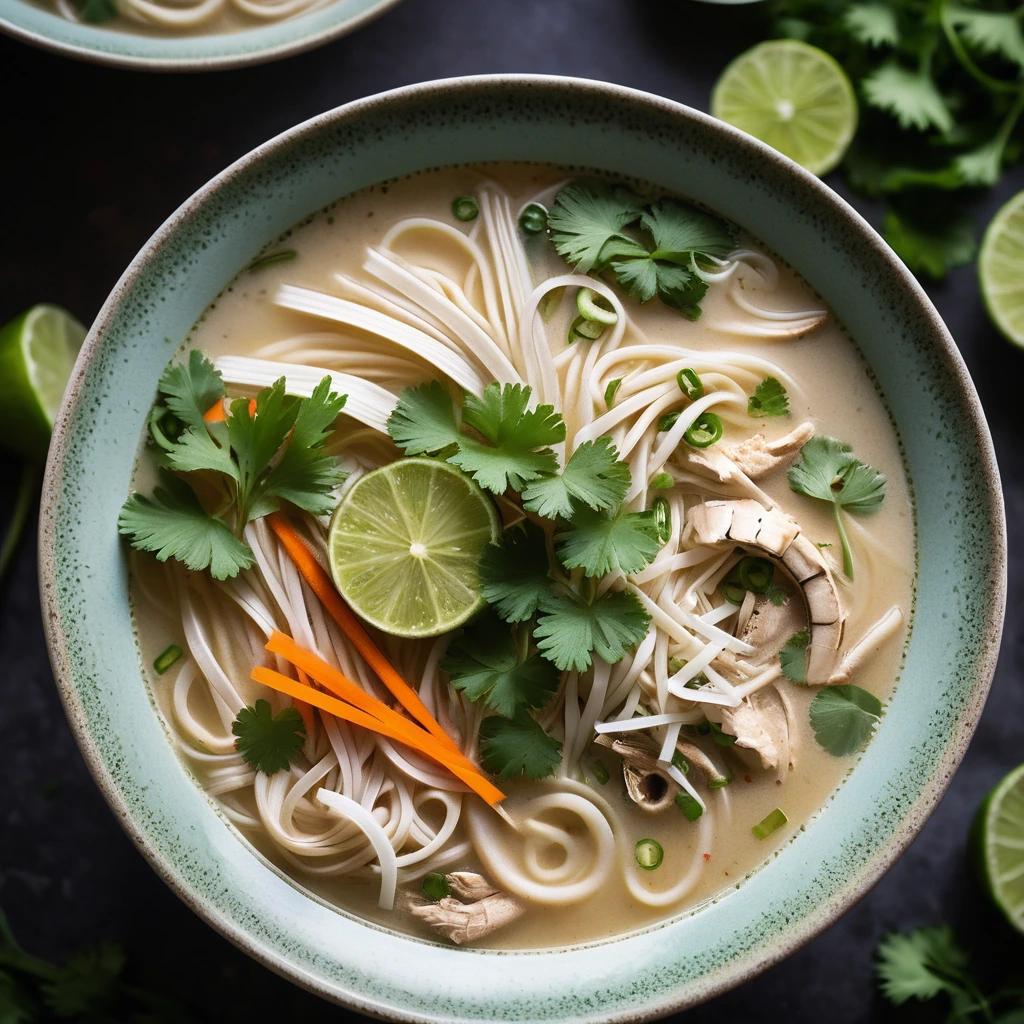
Thai Chicken Coconut Noodle Soup
Warm and fragrant, this soup is a symphony of coconut milk, zesty lime, and tender chicken with a hint of spice.