Healthy Cooking: Using Broth Instead of Cream in Soups
Creating rich, velvety soups doesn't always require a splash of heavy cream. Broth, whether homemade or store-bought, can be a lighter, equally satisfying alternative. This technique not only caters to those seeking healthier options but also offers versatility in flavor and texture. Broth, with its inherent depth and seasoning, can be used to craft soups that are both nutritious and indulgent. By understanding how to use broth effectively, you can transform your soups into comforting dishes that are light on the conscience yet big on taste. The key lies in selecting the right broth, enhancing its richness, and employing methods that mimic the creamy texture without the heaviness of cream. Whether you're aiming to cut down on calories, accommodate dietary restrictions, or simply experiment with new flavors, mastering this technique will elevate your soup game.
Notes
Using broth instead of cream works because it provides a lower-calorie base while still delivering robust flavor. Broth's natural umami enhances the taste profile of soups, making them satisfying without the richness of cream. To troubleshoot, ensure your broth is well-seasoned and consider adding a touch of miso paste or soy sauce for extra depth. A common mistake is not thickening the broth adequately; always have a cornstarch slurry or puréed vegetables on hand. From a safety perspective, ensure your broth is brought to a boil before simmering to kill any potential bacteria. For storage, allow the soup to cool before refrigerating for up to 4 days or freezing for up to 3 months.
Steps
- 1 Choose a high-quality broth that complements your soup's main ingredients.
- 2 Simmer aromatic vegetables like onions, carrots, and celery in broth to build flavor.
- 3 Add herbs and spices early to infuse the broth with depth.
- 4 Consider roasting vegetables before adding them to the broth for a richer taste.
- 5 Blend a portion of the soup to thicken and smooth out the texture.
- 6 Stir in a slurry of cornstarch and water to gently thicken the broth.
- 7 Incorporate puréed legumes like white beans or lentils for added creaminess.
- 8 Finish with a swirl of olive oil or a drizzle of nut oil for richness and sheen.
- 9 Adjust seasoning with salt and pepper after adding any thickeners.
- 10 Taste and adjust with acid like lemon juice or vinegar for balance.
Ingredients to explore

American Cheese Slices
Those iconic, perfectly pliable slices of creamy, mild American cheese. Each slice boasts a smooth, melt-in-your-mouth texture that brings comfort to any dish.
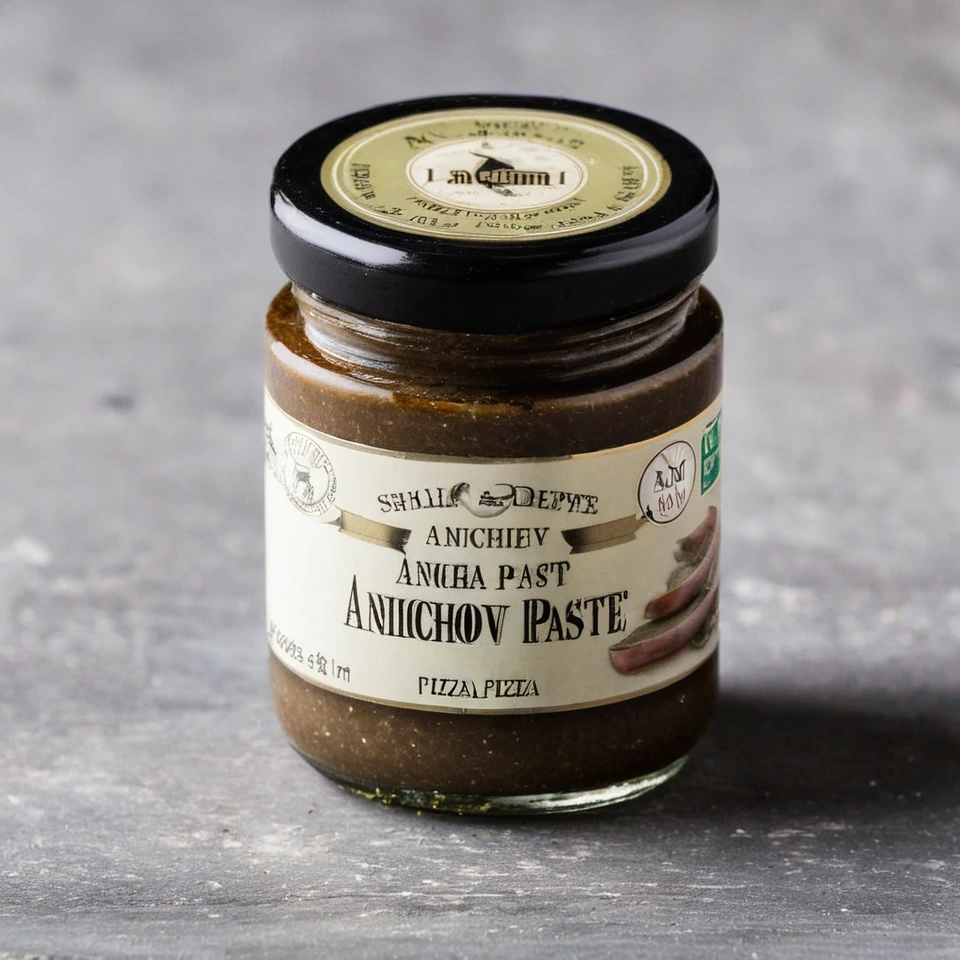
Anchovy Paste
Anchovy paste is a rich, salty spread made from finely ground anchovies, salt, and sometimes olive oil. It offers a deep umami flavor that enhances a variety of dishes.
Recipes to try

Mushroom, Onion, and Gruyère Tart
Golden, flaky pastry cradles a rich, earthy filling of sautéed mushrooms and onions, crowned with melty Gruyère.

Teriyaki Glazed Salmon and Veggie Bowls
Sweet and savory teriyaki glaze coats succulent salmon fillets atop a vibrant medley of colorful veggies, creating a symphony of flavors in every bite.