Healthy Cooking: Stir-Frying with Minimal Oil
Stir-frying is a beloved cooking technique that yields vibrant, flavorful dishes in record time. When done with minimal oil, it becomes a healthier option without sacrificing taste or texture. The secret to success lies in high heat, fast cooking, and efficient use of ingredients. The key is to prepare everything beforehand—this is not the time for improvisation. Having your ingredients cut, measured, and ready to go will ensure you maintain the high heat needed for that classic stir-fry sear. The minimal oil technique relies on preheating your pan to the perfect temperature and using just enough oil to prevent sticking while still allowing for that delightful caramelization. By understanding how heat interacts with your ingredients, you can create dishes that are crispy, flavorful, and healthier. This method is ideal for those looking to reduce fat intake but still enjoy the dynamic flavors of stir-fry cuisine. From vegetables to proteins, the technique remains versatile and efficient. Remember, the right pan—preferably a well-seasoned cast iron or a stainless steel wok—is essential to achieve the desired results. Stir-frying with minimal oil isn’t just about health; it's about mastering control over your cooking environment to produce restaurant-quality dishes at home.
Notes
The science behind this technique is simple: high heat creates the Maillard reaction, offering deep flavors without needing excess oil. Troubleshooting common mistakes includes ensuring the pan is hot enough before adding ingredients to prevent sticking and maintaining high heat throughout cooking. Safety is crucial, especially when working with high heat; use oven mitts and be cautious of splatters. For make-ahead, cook and cool quickly, then store in an airtight container in the fridge for up to 3 days. Reheat gently to preserve texture.
Steps
- 1 Heat your wok or skillet over high heat until it is very hot.
- 2 Add 1 tablespoon of high smoke-point oil, like avocado or peanut oil, to the pan.
- 3 Once the oil shimmers, add aromatics like minced garlic or ginger and stir-fry for 10 seconds.
- 4 Add your hardest or densest vegetables first, such as broccoli or carrots, and stir-fry for 1-2 minutes.
- 5 Incorporate more delicate vegetables like bell peppers or zucchini, cooking for another 1-2 minutes.
- 6 Push vegetables to one side and add protein (if using), cooking undisturbed for 1 minute before stirring.
- 7 Toss everything together, then add your sauce, stirring to coat all ingredients evenly.
- 8 Continue cooking for 1 more minute, ensuring everything is heated through but still vibrant and crisp.
Ingredients to explore
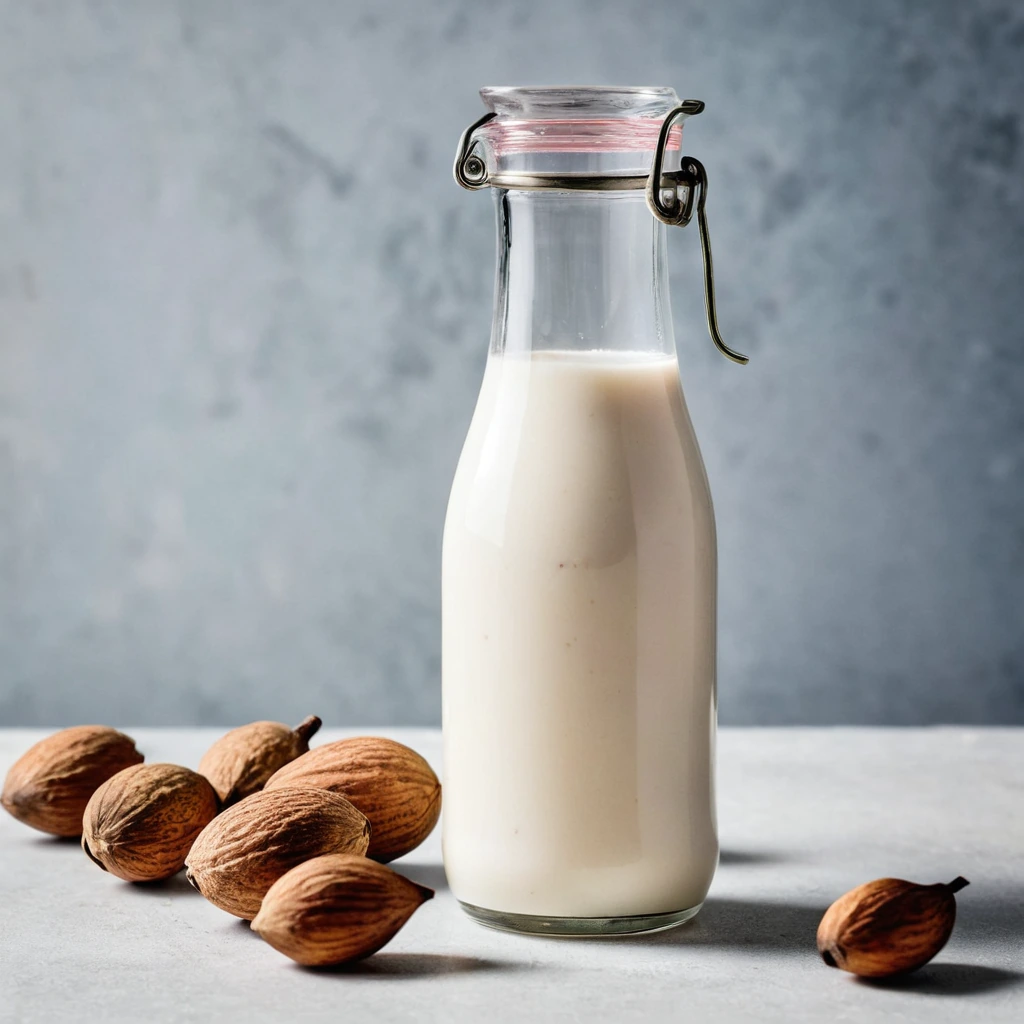
Almond Milk
Almond milk is a plant-based milk alternative made from ground almonds and water. Originating from traditional recipes in medieval Europe and the Middle East, it has gained widespread popularity in modern times as a dairy-free option. Almond milk has a subtly nutty flavor with a mild sweetness, and its aroma is reminiscent of fresh almonds. Its texture is smooth and creamy, though typically lighter than dairy milk. In cooking, almond milk behaves well in both savory and sweet applications, though it does not brown or caramelize like dairy milk. It is often used in cereals, smoothies, and baking, where its delicate flavor complements rather than overpowers other ingredients.
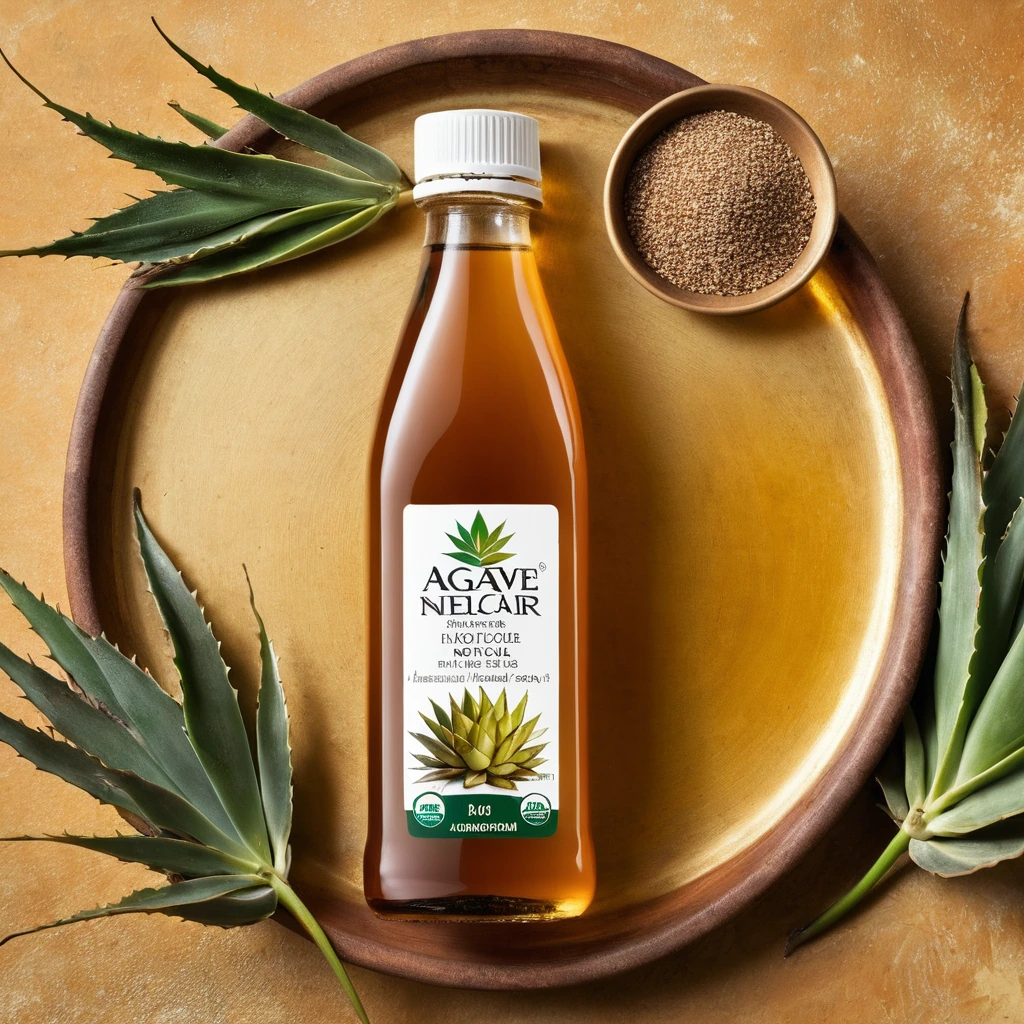
Agave Nectar
A golden, velvety sweetener derived from the agave plant, offering a subtly sweet flavor with a smooth, syrup-like texture.
Recipes to try
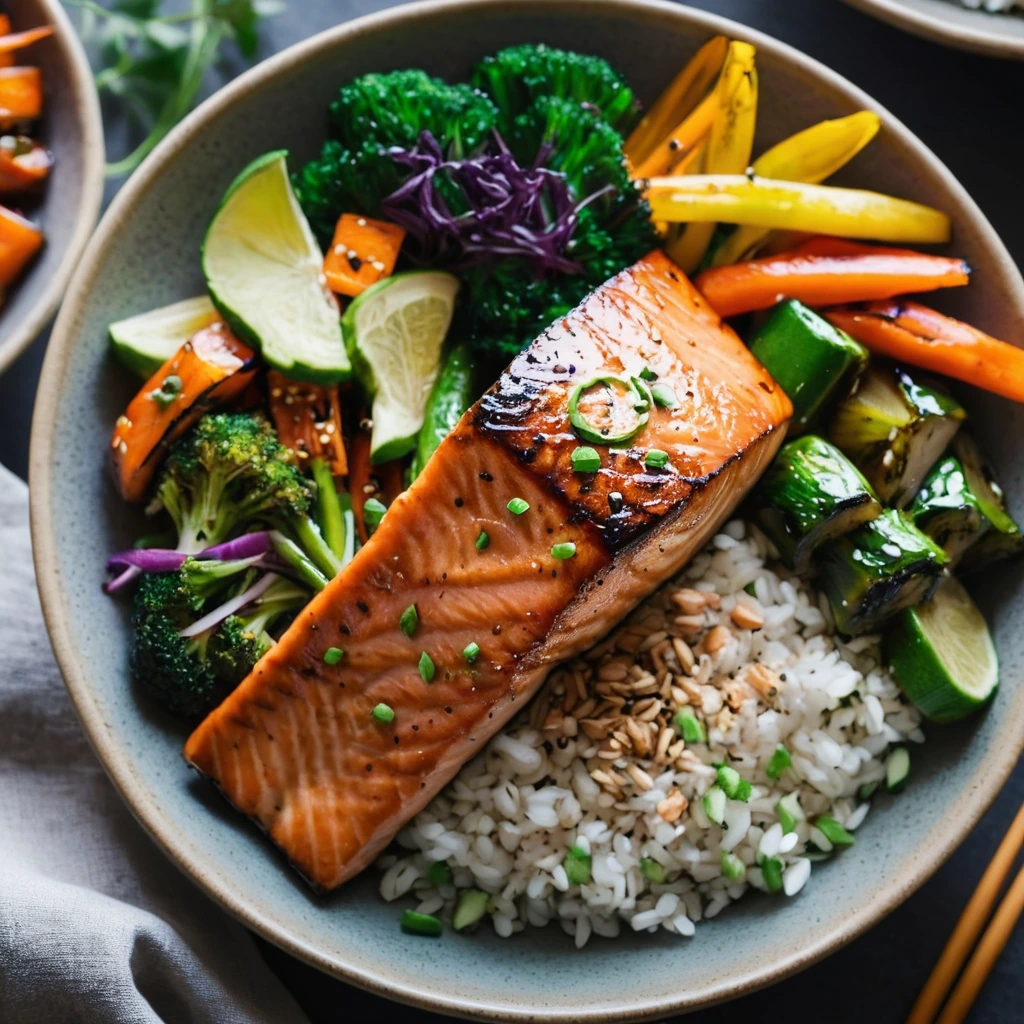
Teriyaki Glazed Salmon and Veggie Bowls
Sweet and savory teriyaki glaze coats succulent salmon fillets atop a vibrant medley of colorful veggies, creating a symphony of flavors in every bite.
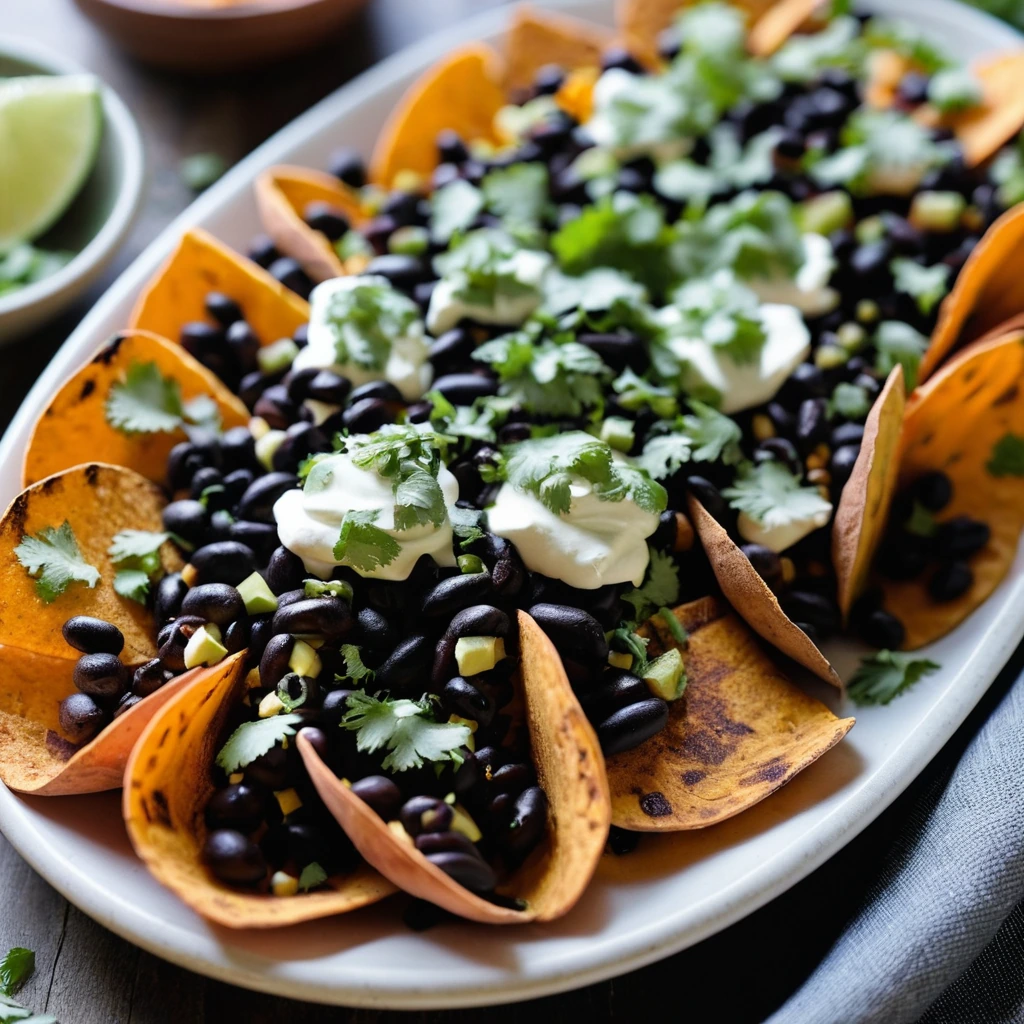
Sweet Potato and Black Bean Loaded Nachos
Crispy tortilla chips piled high with roasted sweet potatoes, black beans, and melty cheese, all topped with fresh cilantro and a zesty lime kick.