Healthy Cooking: Roasting Lean Proteins Without Drying Out
Roasting lean proteins can be a challenge due to their lower fat content, which often leads to dry, unappetizing results. However, with the right approach, you can achieve juicy, flavorful dishes that are both healthy and satisfying. The key is understanding how heat interacts with protein and moisture, allowing you to harness roasting techniques that preserve succulence. First, selecting the right cut is crucial; opt for proteins with a bit of marbling or those that naturally retain moisture. Next, seasoning plays a pivotal role; a well-salted protein will draw out moisture initially, but when allowed to rest, it reabsorbs the seasoned brine, enhancing flavor and texture. Marinating can also add moisture and flavor, though lean proteins don't require long marination times due to risk of over-tenderizing. Preheating your oven ensures even cooking, while using a roasting pan with a rack allows air to circulate around the protein, promoting even browning and crisping of the exterior without overcooking the interior. Monitoring the internal temperature with a meat thermometer is essential; lean proteins like chicken breast are perfectly cooked at 165°F, while fish might be ideal at 145°F. Finally, a brief rest post-roasting lets the juices redistribute, ensuring each bite is moist and tender.
Notes
The science behind this technique is simple: lean proteins lack fat, which usually keeps meat moist during roasting. Salt helps break down proteins, allowing the meat to retain moisture. Marinating can add flavor and moisture but should be limited in time to prevent over-tenderizing, which can lead to a mushy texture. Common mistakes include overcooking and insufficient resting time. Always use a thermometer to avoid drying out your protein. For safety, ensure proteins reach the FDA-recommended safe internal temperatures. To maximize flavor and texture, roast proteins immediately after seasoning. Leftovers can be stored in an airtight container in the refrigerator for up to 3 days.
Steps
- 1 Preheat oven to 425°F.
- 2 Pat protein dry with paper towels.
- 3 Season generously with salt and pepper.
- 4 Optional: Marinate protein for 30 minutes to 2 hours.
- 5 Place a roasting rack inside a roasting pan.
- 6 Arrange protein on the rack.
- 7 Roast in preheated oven.
- 8 Check internal temperature regularly with a meat thermometer.
- 9 Remove protein when 5°F below desired final temperature.
- 10 Let rest for 5-10 minutes before serving.
- 11 For fish, roast at 400°F and check at 10-minute intervals.
- 12 For chicken breast, aim for an internal temperature of 165°F.
- 13 For pork tenderloin, aim for an internal temperature of 145°F followed by a 3-minute rest.
Ingredients to explore
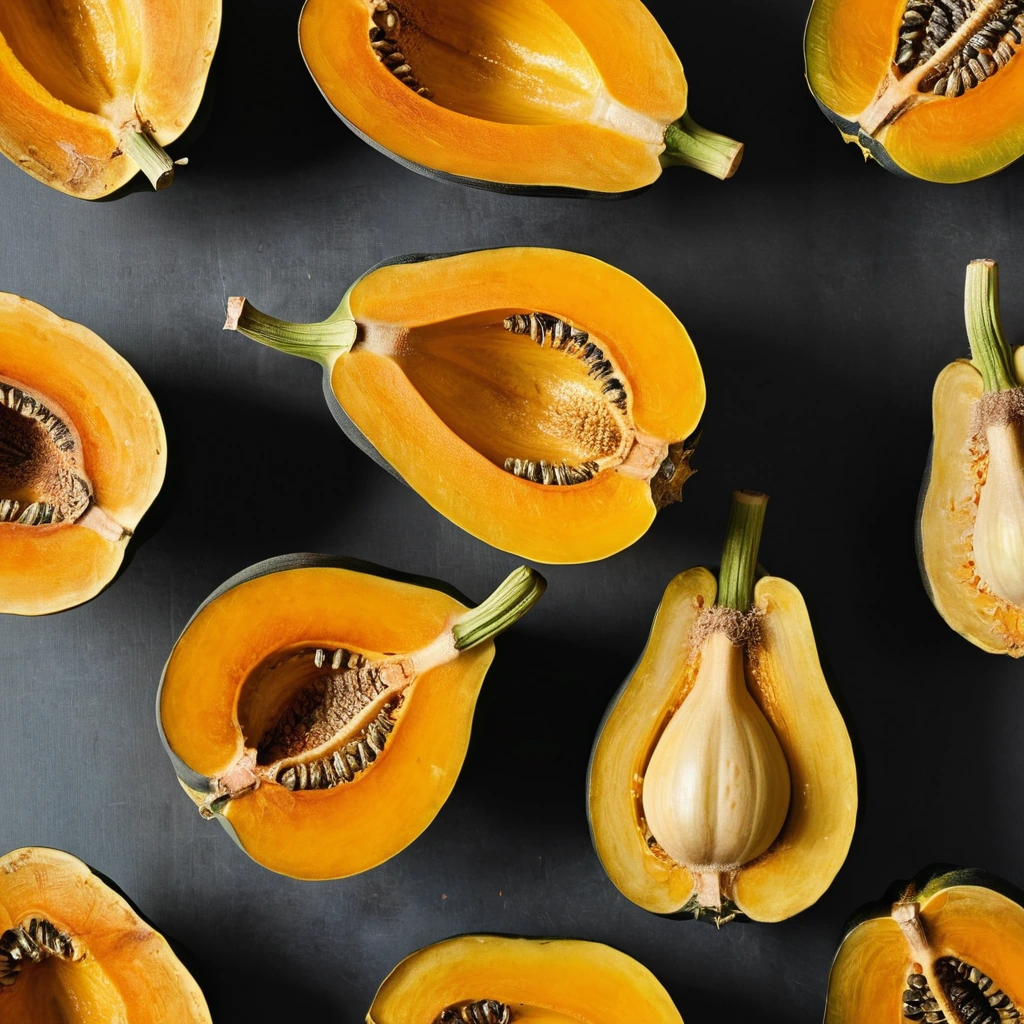
Acorn Squash
Acorn squash is a winter squash variety known for its distinctive teardrop shape and deep ridges resembling the texture of an acorn shell. Originating in the Americas, it has been cultivated for centuries and is a staple in autumn cuisine. The flesh is sweet and nutty with a hint of earthiness, offering a delightful contrast to savory dishes. Its texture is dense yet tender when cooked, making it ideal for roasting or pureeing. In cooking, acorn squash holds its shape well and absorbs flavors from herbs and spices, enhancing both its taste and versatility in recipes.
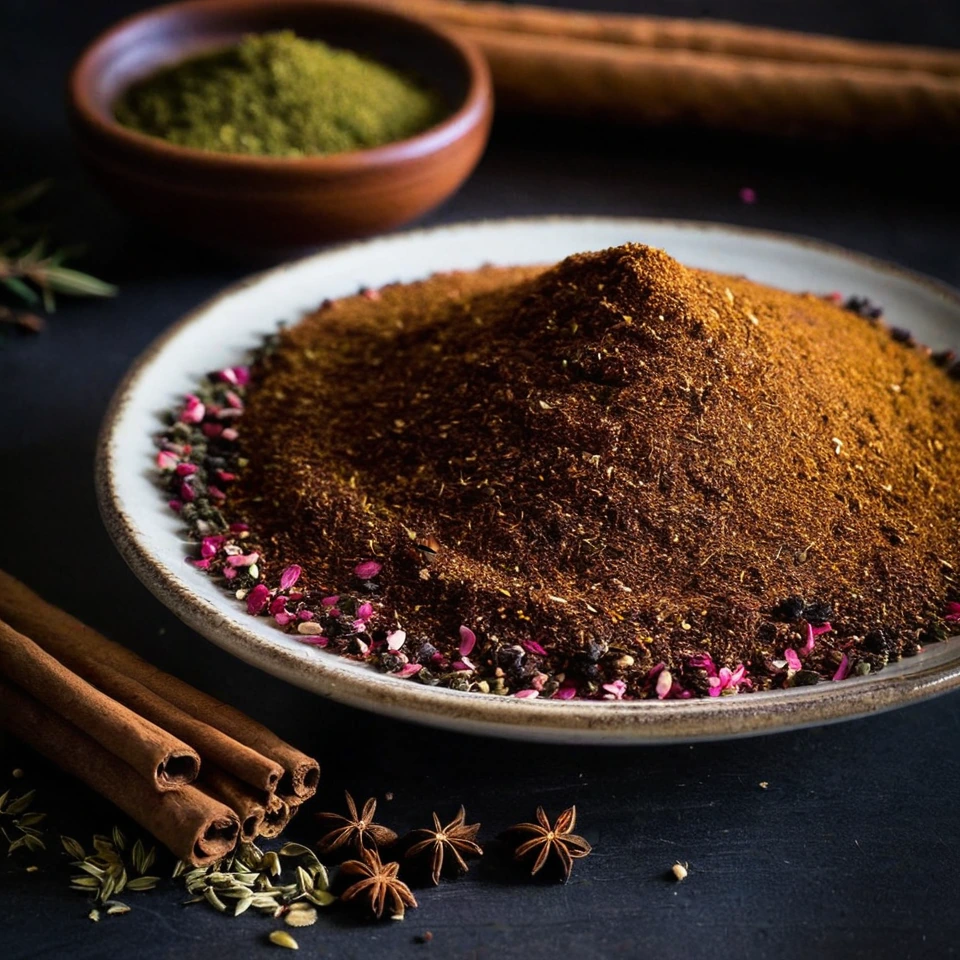
Advieh (Persian Spice Blend)
Advieh is a fragrant Persian spice blend that boasts a complex aroma of warm cinnamon, earthy cumin, and floral hints of rose and saffron. Its texture is finely ground, making it easy to incorporate into dishes. Originating from the rich culinary traditions of Iran, advieh adds depth and sophistication to both savory and sweet recipes. Its unique combination of spices reflects the historical spice trade routes that influenced Persian cuisine.
Recipes to try

Strawberry Cream Cheese Stuffed French Toast
Imagine warm, golden French toast stuffed with a tangy cream cheese and sweet strawberry surprise – breakfast just got a gourmet upgrade.
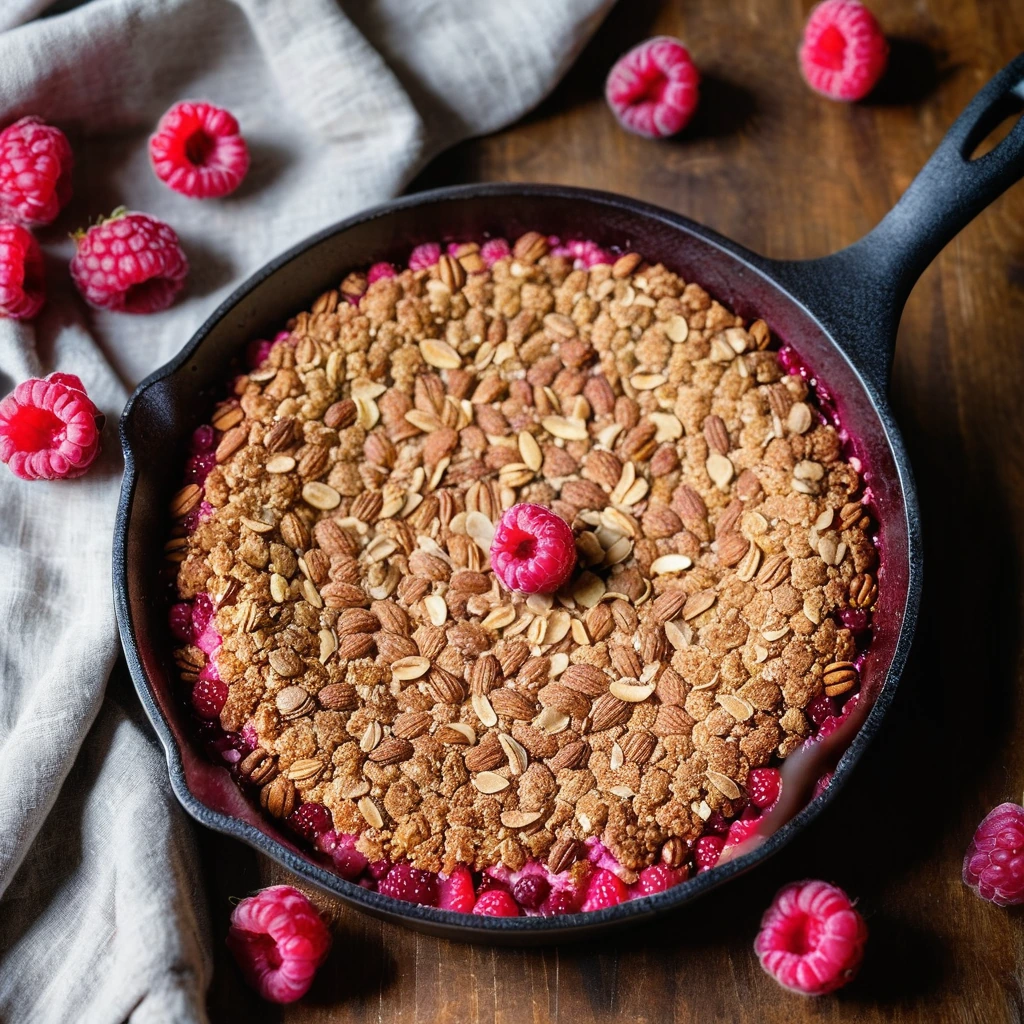
Raspberry Almond Crumble Skillet
A symphony of sweet raspberries nestled under a golden, almond-studded crumble, perfect for cozy evenings and brunch spreads.