Healthy Cooking: Building Big Flavor with Herbs and Citrus
Unlocking vibrant, chef-level flavors doesn't have to rely on heavy creams or mountains of salt. Herbs and citrus are your secret weapons for creating bright, healthy dishes that sing with freshness. Understanding how to harness their potential can transform even the simplest meal into something extraordinary. Herbs, with their delicate aromas, and citrus, with their zesty tang, work wonders when used correctly. This technique dives into selecting the freshest herbs and citrus, understanding their flavor profiles, and employing them in ways that maximize their impact. From chiffonading basil to supreming oranges, we'll guide you through techniques that ensure every bite is a burst of flavor. Whether you're making a quick weeknight stir-fry or a weekend brunch masterpiece, mastering this technique will elevate your cooking to new heights.
Notes
The aromatic compounds in herbs and the essential oils in citrus peel are volatile, meaning they can quickly dissipate with prolonged heat or improper storage. This is why timing is crucial when incorporating these ingredients into your dishes. To avoid common mistakes, always add delicate herbs like cilantro or basil after cooking, while hardier ones like rosemary can withstand longer cooking times. When zesting citrus, be sure to avoid the bitter white pith beneath the colored peel. For storage, homemade blends can last up to a month in an airtight container away from direct sunlight. Make-ahead tip: Citrus segments and herb mixtures can be prepared a day in advance and stored in the fridge, ready to be added to dishes just before serving.
Steps
- 1 Select fresh herbs with vibrant colors and firm leaves.
- 2 Choose citrus fruits that feel heavy for their size with smooth, unblemished skin.
- 3 Store herbs in the refrigerator wrapped in a damp paper towel, and keep citrus at room temperature for optimal flavor.
- 4 To chiffonade herbs like basil or mint, stack leaves, roll tightly, then slice thinly across the roll.
- 5 Zest citrus fruits before juicing to capture the flavorful oils in the peel.
- 6 Supreme citrus fruits by slicing off the top and bottom, then following the contour of the fruit to remove the peel and pith.
- 7 Segment the fruit by slicing between the membranes to release each juicy segment.
- 8 Incorporate herbs and citrus zest at the end of cooking to preserve their delicate flavors.
- 9 Add freshly squeezed citrus juice to dishes during the last few minutes of cooking to maintain brightness.
- 10 Experiment with pairing herbs like thyme with lemon, or cilantro with lime, to enhance complementary flavors.
- 11 Use citrus-infused oils or herb-infused vinegars as a finishing touch to salads or grilled vegetables.
- 12 Taste and adjust seasoning after adding herbs and citrus, as their flavors can accentuate or balance existing tastes.
- 13 Experiment with drying your own herbs to use in dishes when fresh ones are not available.
- 14 Create homemade herb and citrus blends to sprinkle over proteins or vegetables before roasting.
Ingredients to explore
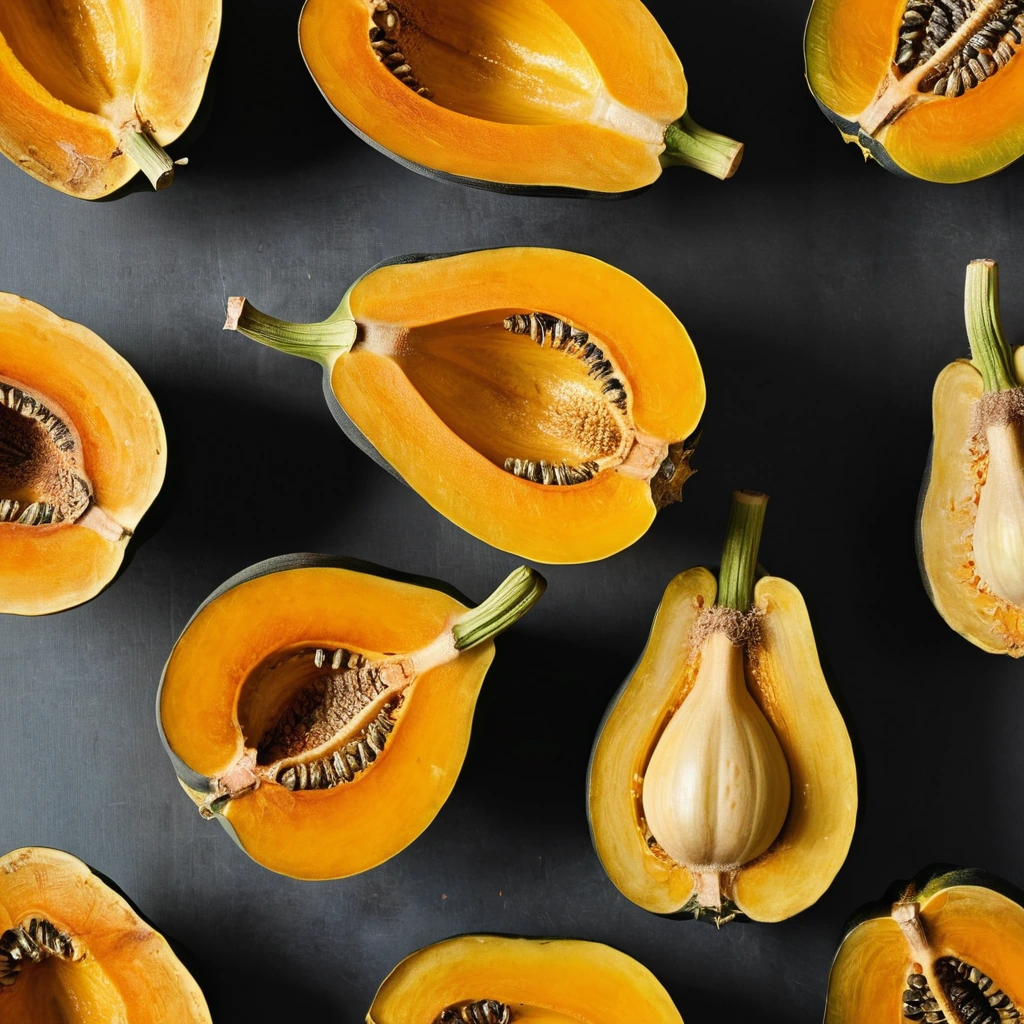
Acorn Squash
Acorn squash is a winter squash variety known for its distinctive teardrop shape and deep ridges resembling the texture of an acorn shell. Originating in the Americas, it has been cultivated for centuries and is a staple in autumn cuisine. The flesh is sweet and nutty with a hint of earthiness, offering a delightful contrast to savory dishes. Its texture is dense yet tender when cooked, making it ideal for roasting or pureeing. In cooking, acorn squash holds its shape well and absorbs flavors from herbs and spices, enhancing both its taste and versatility in recipes.
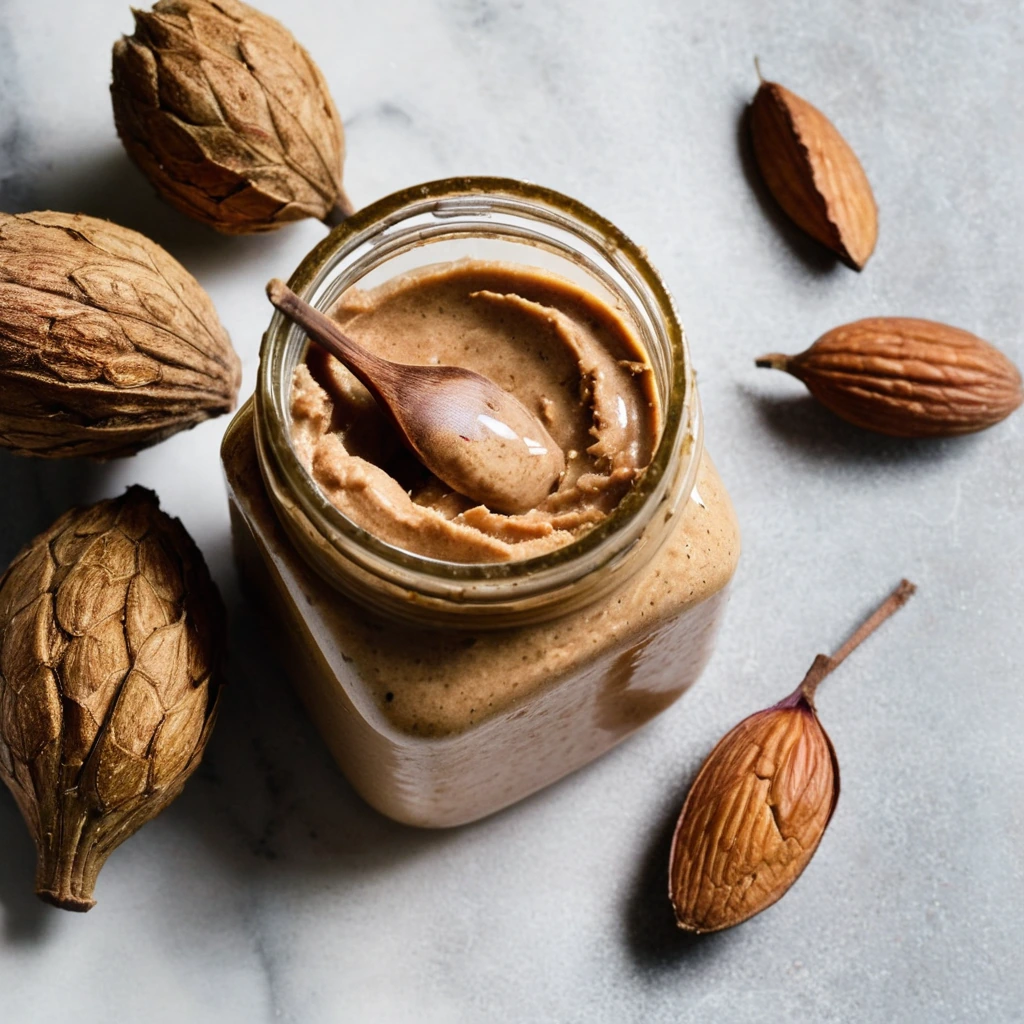
Almond Butter
A velvety, nutty spread crafted from finely ground almonds, offering a rich and satisfying flavor that's both comforting and indulgent.
Recipes to try

Lemon Raspberry Cheesecake Parfaits
Creamy layers of lemon cheesecake meet tangy raspberry swirls in a delightful parfait that's as pretty as it is delicious.
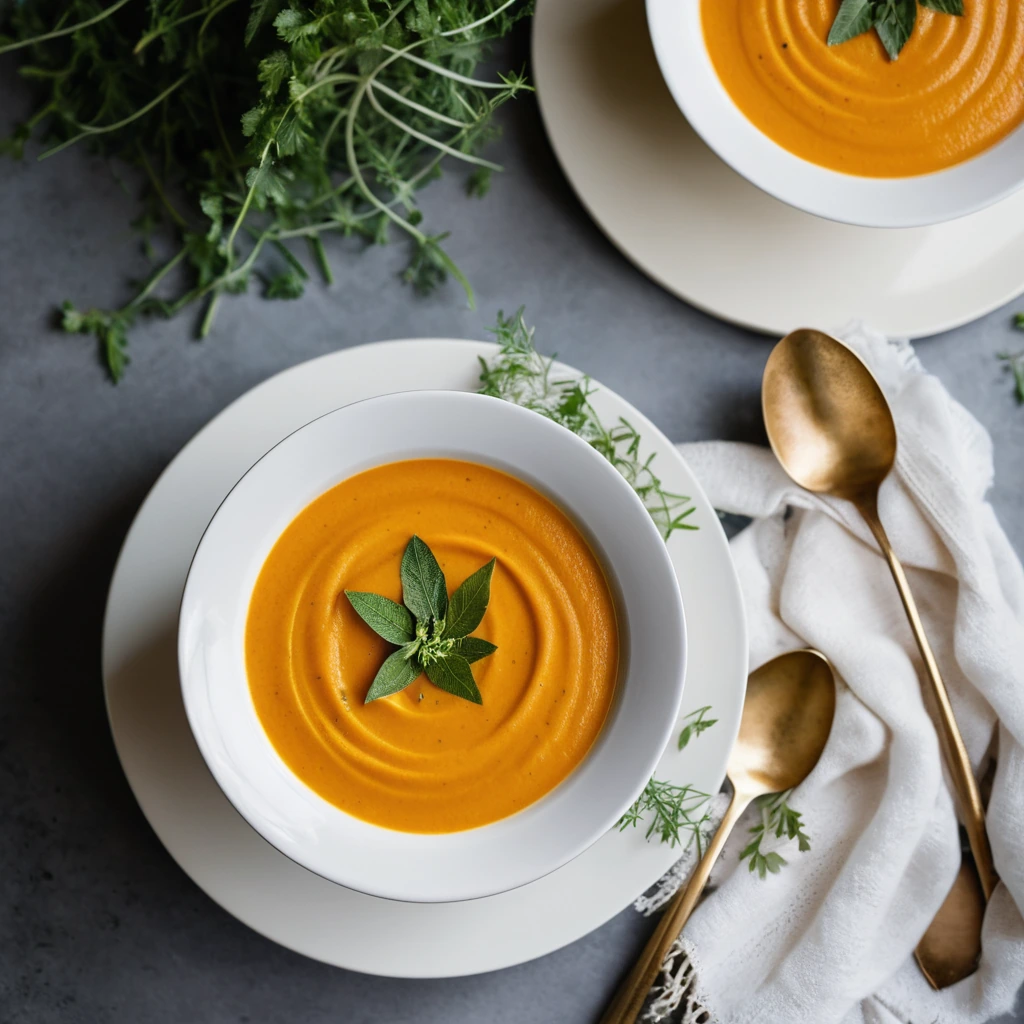
Pumpkin and Sweet Potato Bisque
Creamy and comforting, this bisque marries the earthy sweetness of pumpkin with the subtle nuttiness of sweet potato.