Grilling: Testing Grill Temperature Without a Thermometer
Grilling is an art that relies heavily on understanding heat. Without a thermometer, gauging your grill's temperature might seem daunting, but fear not! With a few tried-and-true methods, you can become a grill maestro, ensuring your meats and veggies cook to perfection. The key is observing visual cues and understanding how heat behaves under different conditions. First, let’s talk about the general temperature zones on a grill: low (250-300°F), medium (300-400°F), and high (400°F and above). Each zone is suited for different types of food and cooking styles. Learning to identify these zones without a thermometer involves watching how the grill heats, how flames behave, and even using your hand to gauge the heat. Patience is vital as you familiarize yourself with your grill's unique characteristics. Remember, practice makes perfect, and soon you’ll be flipping burgers like a seasoned pro, all without needing a thermometer.
Notes
Understanding heat without a thermometer is about harnessing your senses. The science behind this technique relies on thermal radiation and convection currents that create distinct heat zones on your grill. Troubleshooting common mistakes includes ensuring your grill is properly preheated and accounting for wind, which can affect heat distribution. Safety is crucial; always use heat-resistant gloves when checking grill temperatures manually. For make-ahead planning, note that charcoal grills require time to reach desired temperatures, so plan accordingly. Store your grill cover in a dry place to maintain its condition and longevity.
Steps
- 1 Ensure your grill is clean and preheated for at least 10-15 minutes.
- 2 Observe the color of the coals or heating elements; grayish-white indicates high heat, while red or orange indicates medium heat.
- 3 Watch for the size and intensity of the flames; tall, blue flames indicate high heat, while smaller, flickering flames suggest medium heat.
- 4 Hold your hand about 5 inches above the grill grates for 1-2 seconds; if it’s too hot to hold, it’s high heat.
- 5 For medium heat, you should be able to hold your hand above the grill for 3-4 seconds comfortably.
- 6 Check for smoke rising from the grates; thick, blue smoke suggests high heat, while wispy smoke indicates lower temperatures.
- 7 Place a piece of bread on the grill; it will brown in 30-60 seconds for high heat, 60-90 seconds for medium heat, and longer for low heat.
- 8 Feel the heat radiating from the grill with the back of your hand; intense warmth indicates high heat, while gentle warmth suggests lower temperatures.
- 9 Use the crosshatch marks on your food as a guide; quick searing creates distinct marks, indicating high heat.
- 10 Remember, indirect grilling requires moving food to cooler parts of the grill, often identified by less intense heat and color.
Ingredients to explore
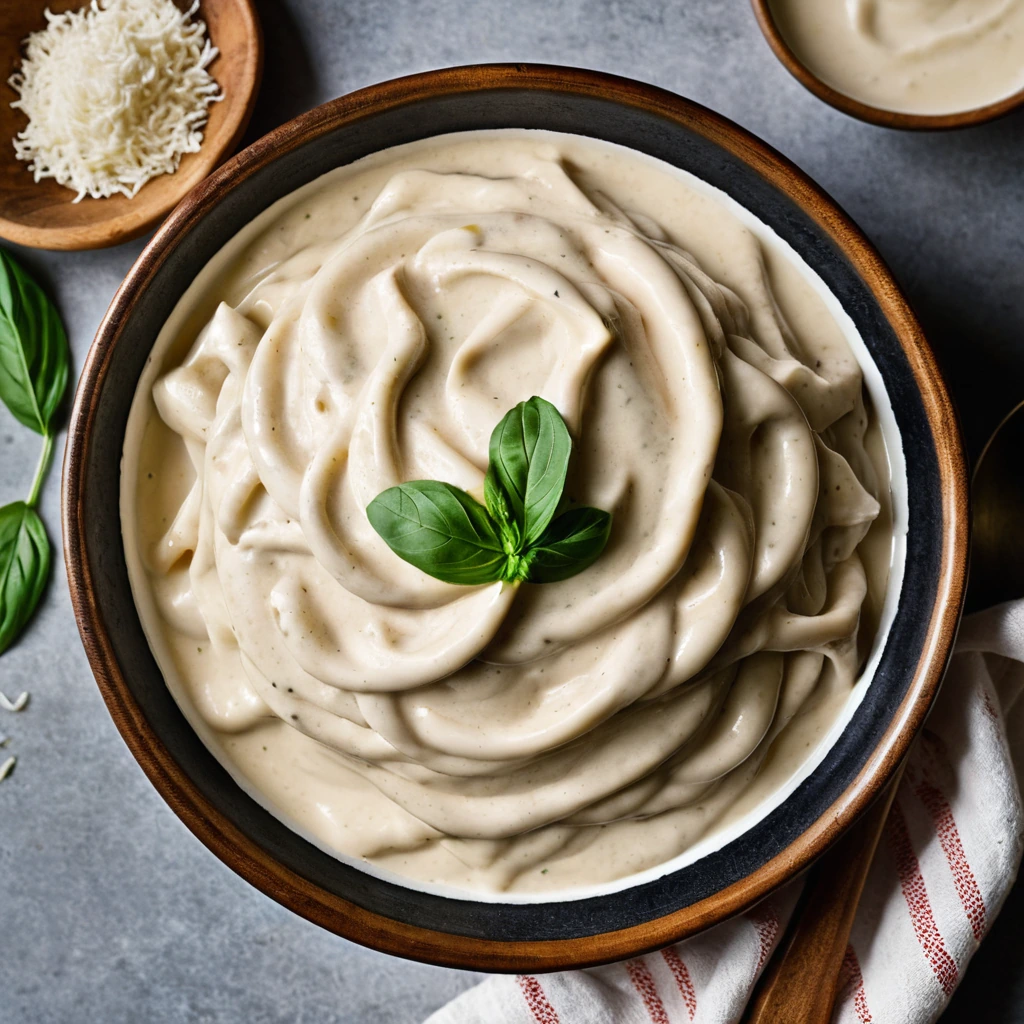
Alfredo Sauce
Creamy, rich, and utterly indulgent, Alfredo sauce is a dreamy blend of butter, heavy cream, and Parmesan cheese. Its velvety texture and savory depth make it a beloved staple in Italian-American cuisine.
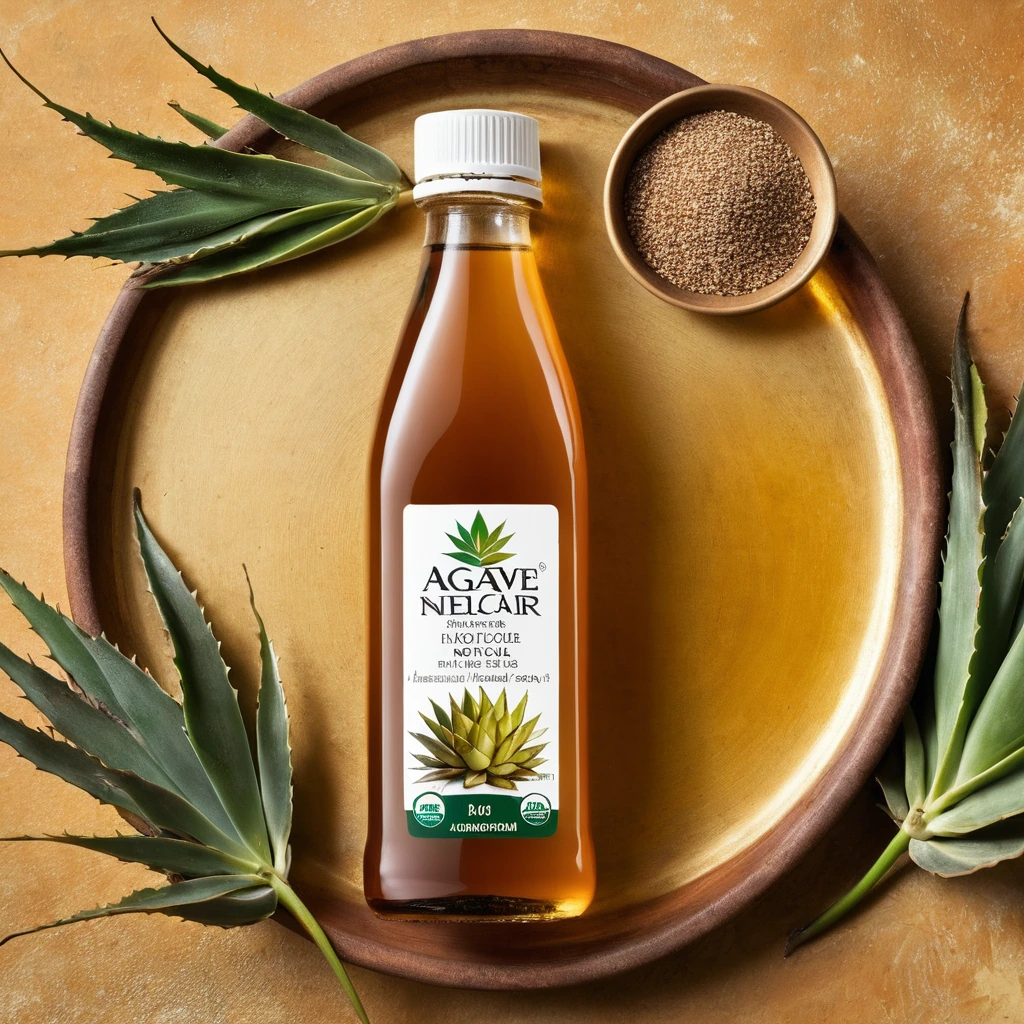
Agave Nectar
A golden, velvety sweetener derived from the agave plant, offering a subtly sweet flavor with a smooth, syrup-like texture.
Recipes to try
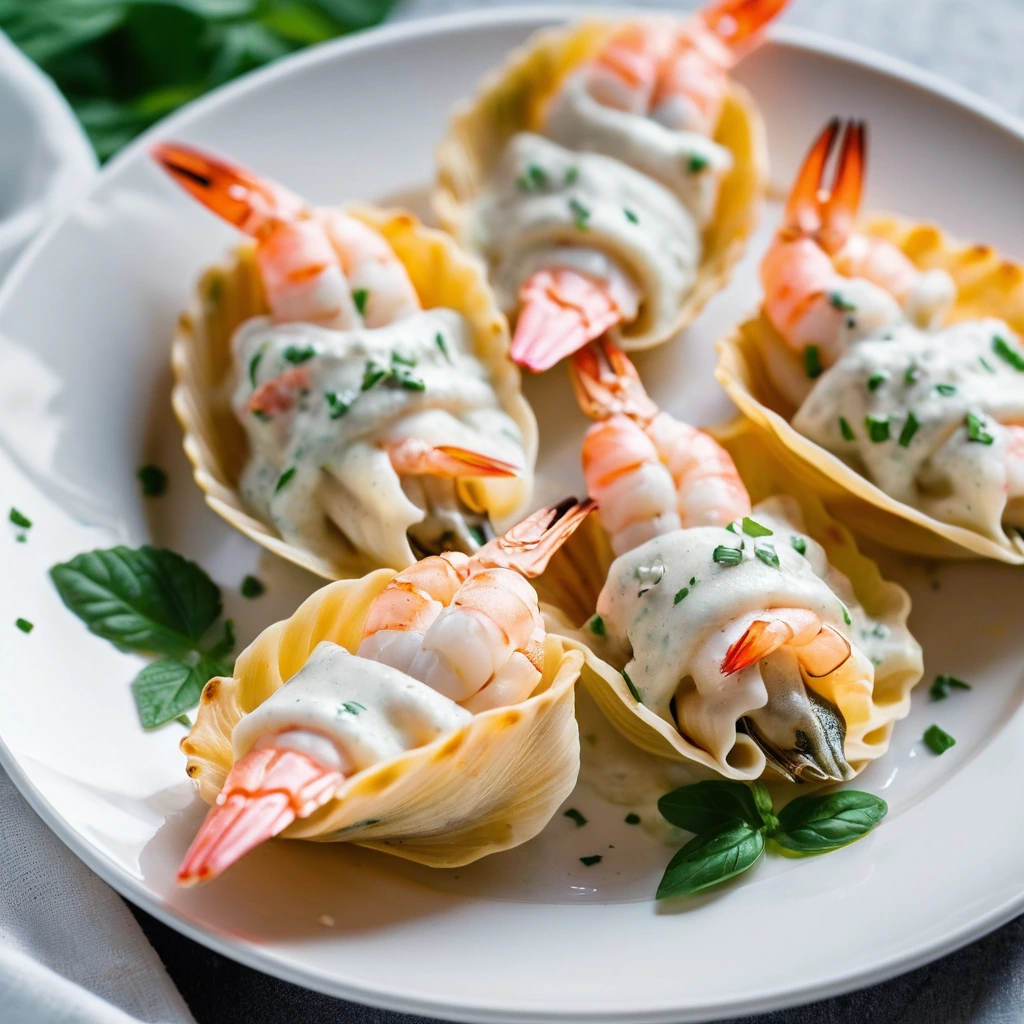
Shrimp Alfredo Stuffed Pasta Shells
Creamy, cheesy alfredo sauce stuffed into plump pasta shells and topped with succulent shrimp—comfort food at its finest.
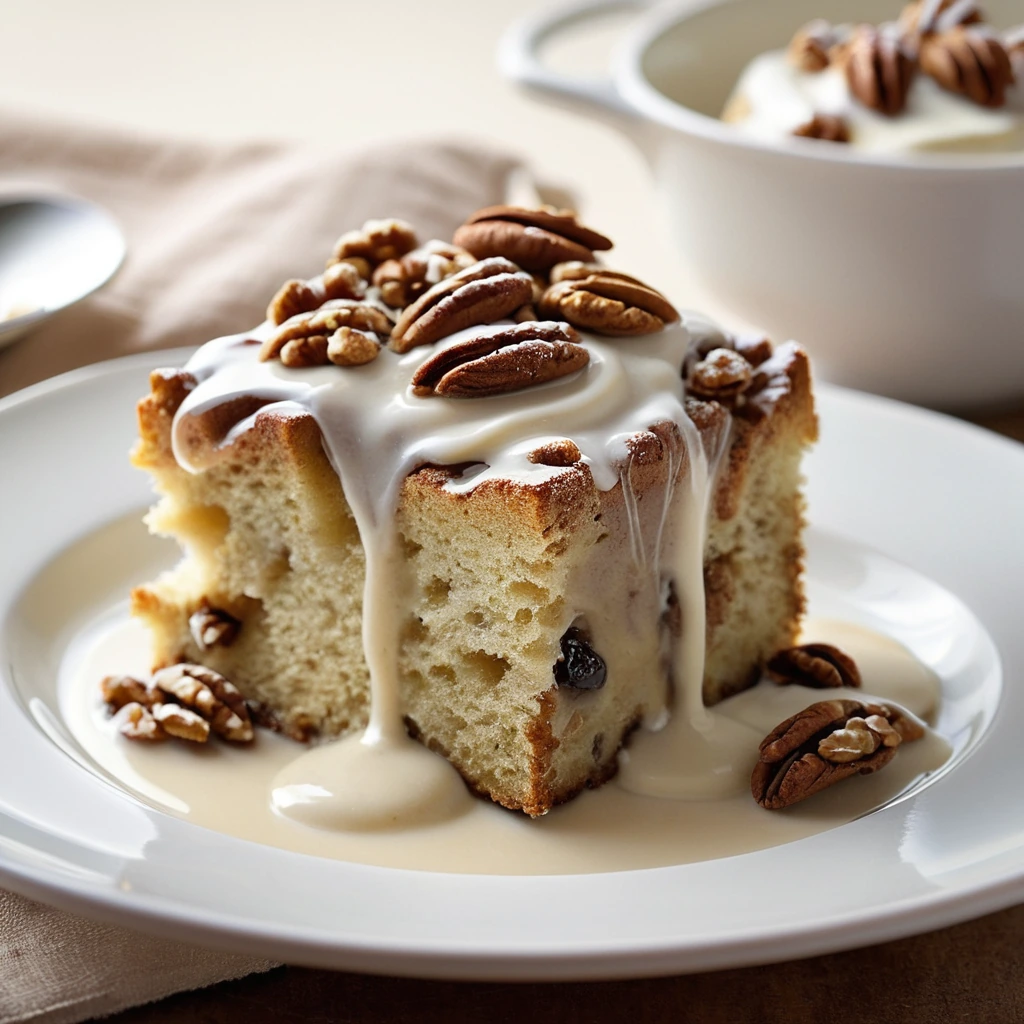
Maple Pecan Bread Pudding with Vanilla Sauce
Warm, spiced bread pudding drizzled with maple syrup and crunchy pecans, served with a silky vanilla sauce.